
Your Galaxy's Always-On Display Draining Battery? Schedule a Hidden
Reclaim Your Battery: Schedule Your Galaxy's Always-On Display Your Samsung Galaxy's Always-On Display (AOD) is a handy feature, showing you the time and notifications at a glance. However, keeping it active all day can
Reclaim Your Battery: Schedule Your Galaxy's Always-On Display
Your Samsung Galaxy's Always-On Display (AOD) is a handy feature, showing you the time and notifications at a glance. However, keeping it active all day can quietly drain your battery, often without you realizing it. If you're wearing a smartwatch or constantly in front of a computer, your AOD might be doing a redundant job, costing you precious battery life. Luckily, Samsung built in a clever, often overlooked feature: AOD scheduling.
This guide will walk you through the simple steps to schedule your Always-On Display, allowing it to activate only when you truly need it. By implementing this hidden fix, you can significantly reduce unnecessary battery consumption and end your day with more power.
What You'll Accomplish
By following this guide, you will learn how to set a custom schedule for your Galaxy's Always-On Display. This will enable AOD only during specific hours, preventing it from running unnecessarily throughout the day and night. The result? A noticeable improvement in your phone's battery life – potentially 5-10% more power by day's end.
Prerequisites
- A Samsung Galaxy smartphone with Always-On Display functionality.
- Your phone should be running a relatively recent version of Android/One UI, as menu options may vary slightly on older devices.
Step-by-Step: Setting Your Always-On Display Schedule
Scheduling your AOD is straightforward. Here’s how to do it:
-
Open Settings: From your home screen, swipe down from the top to open the Quick Settings panel, then tap the gear icon (Settings).
-
Navigate to Lock screen settings: Scroll down and tap Lock screen and AOD.
-
Access Always on Display settings: Tap Always on Display.
-
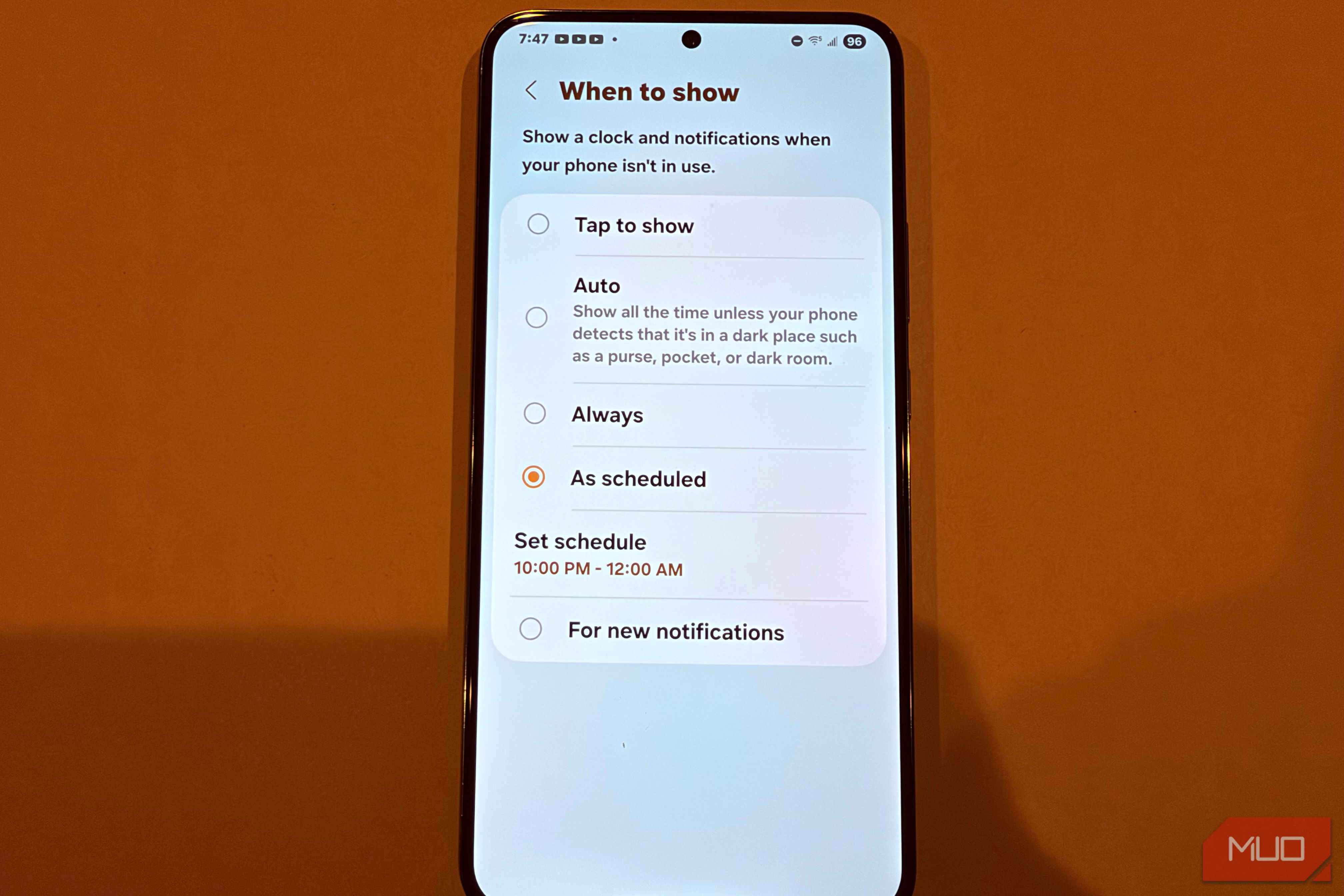
Choose When to Show: Look for the option labeled When to Show and tap on it.
-
Select As scheduled: From the available options, choose As scheduled. This will reveal settings to define your preferred active times.
-
Set Your Schedule:
- Tap on Set schedule.
- Use the time pickers to set your desired Start time and End time for when AOD should be active. For instance, you might set it from 5:00 PM to 10:00 PM if those are the hours you're typically away from other screens and not wearing a smartwatch.
- Tap Done or Apply to save your schedule.
Once set, your Always-On Display will only illuminate during the hours you've specified, conserving battery during off-peak times.
Why Scheduling AOD Saves Battery
While Always-On Display uses power-efficient AMOLED technology (where only illuminated pixels draw power), it's not entirely free. Even on newer Samsung flagships with LTPO displays that can refresh as low as 1Hz (once per second), thousands of pixels are still powered. Unless a pixel is truly black (drawing zero power), it consumes battery. Running AOD for 24 hours a day adds up to unnecessary power drain.
Scheduling ensures that AOD only operates when it truly benefits you, such as when you're not at your computer, not wearing a smartwatch, or during specific times you prefer to glance at your phone for information. This targeted usage minimizes the continuous, low-level power draw that accumulates over a full day.
Alternatives to Always-On Display
If scheduling isn't enough, or if you want to further conserve battery, consider these alternatives:
Use a Smartwatch
If you own a smartwatch, it already provides the time and notification status directly on your wrist, making your phone's AOD redundant. Smartwatches are designed for low power consumption, fulfilling the same basic function without the added drain on your phone.
Enable Lift to Wake
Lift-to-wake is a fantastic middle ground. It briefly turns on your phone's screen when you pick it up, allowing you to quickly check the time and notifications. This feature uses your phone's accelerometer, drawing minimal power compared to AOD. To enable it:
- Go to Settings.
- Tap Advanced Features.
- Select Motion & gestures.
- Toggle on Lift to wake.
This provides on-demand information without the constant battery drain. Note that Tap to wake, while convenient, can be a bigger battery waster as it keeps your phone's digitizer active, even when in your pocket, making it more prone to accidental activation and power consumption.
Tips and Best Practices
- Analyze Your Usage: Consider when you actually look at your phone for quick glances. For example, if you're at work, your computer or smartwatch might already provide the time. Schedule AOD for when your phone is your primary time/notification source, such as evenings or weekends.
- Test Your Schedule: Start with a few hours and observe your battery life. Adjust the schedule as needed to find the perfect balance between convenience and power saving.
- Combined Savings: While AOD savings might seem small (5-10%), combining this with other battery-saving practices (like disabling unnecessary background location polling or adjusting refresh rates) can lead to a significantly longer battery life.
Troubleshooting Tips
- Option Not Visible? Ensure your Samsung Galaxy phone supports Always-On Display. Most modern Galaxy devices do, but older models might not have all the same settings. Also, make sure your phone's software is updated to the latest version, as menu structures can change with updates.
- AOD Still On? Double-check your scheduled times. Make sure the start and end times are correctly set for when you want AOD active. If it's still always on, try toggling AOD off and then back on, then re-applying your schedule.
- Restart Your Phone: A simple restart can often resolve minor software glitches that might prevent settings from applying correctly.
Next Steps
Now that you've optimized your AOD, consider exploring other battery-saving features on your Samsung Galaxy. Look into settings related to background app usage, display refresh rate, and power-saving modes to further extend your device's endurance. Each small optimization contributes to a more efficient and long-lasting phone experience.
FAQ
Q: How much battery can I realistically save by scheduling Always-On Display?
A: According to testing, scheduling your AOD instead of keeping it on all the time can result in saving 5-10% of your daily battery life. While not a massive saving, it's significant enough to make a difference, especially on busy days.
Q: Does Always-On Display still drain battery on newer Samsung Galaxy phones with LTPO screens?
A: Yes, even on newer Galaxy phones with power-efficient LTPO displays that can refresh as low as 1Hz, AOD still consumes battery. Thousands of pixels are powered to make AOD work, and unless a pixel is truly black (drawing zero power), the screen is using energy. The drain is minimal but constant when AOD is active.
Q: Is this AOD scheduling feature available on all Android phones?
A: This specific AOD scheduling feature is a hidden fix built into Samsung Galaxy phones and is part of Samsung's One UI customization. While other Android phones may have Always-On Display, the exact scheduling options and menu locations may differ or be absent on non-Samsung devices.
Related articles
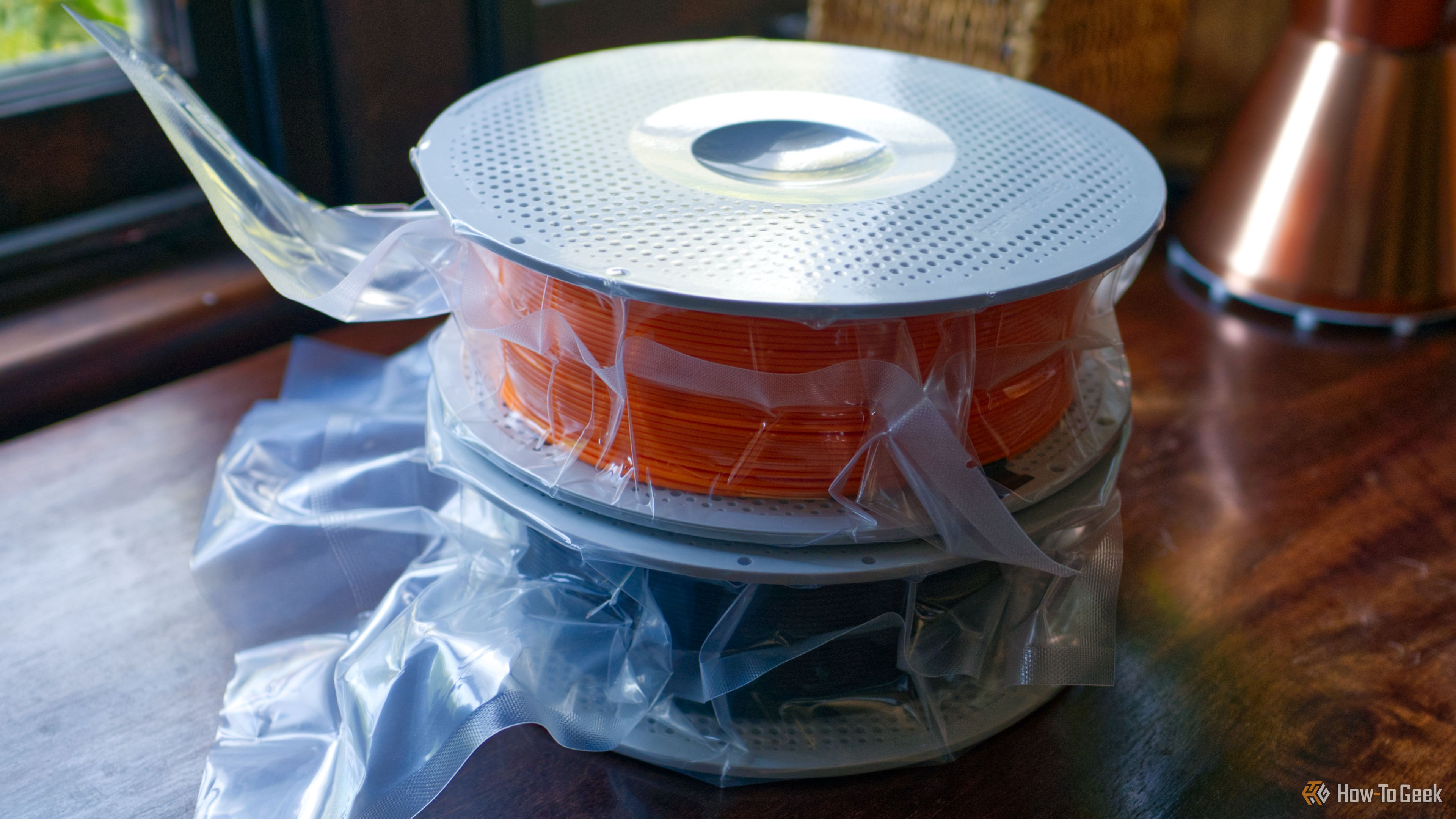
Turn Filament Packaging into Free 3D Printer Upgrades
Repurpose empty filament spools, boxes, and silica packets into free 3D printer upgrades and storage solutions in a few simple steps. Organize your workshop and protect your filament.
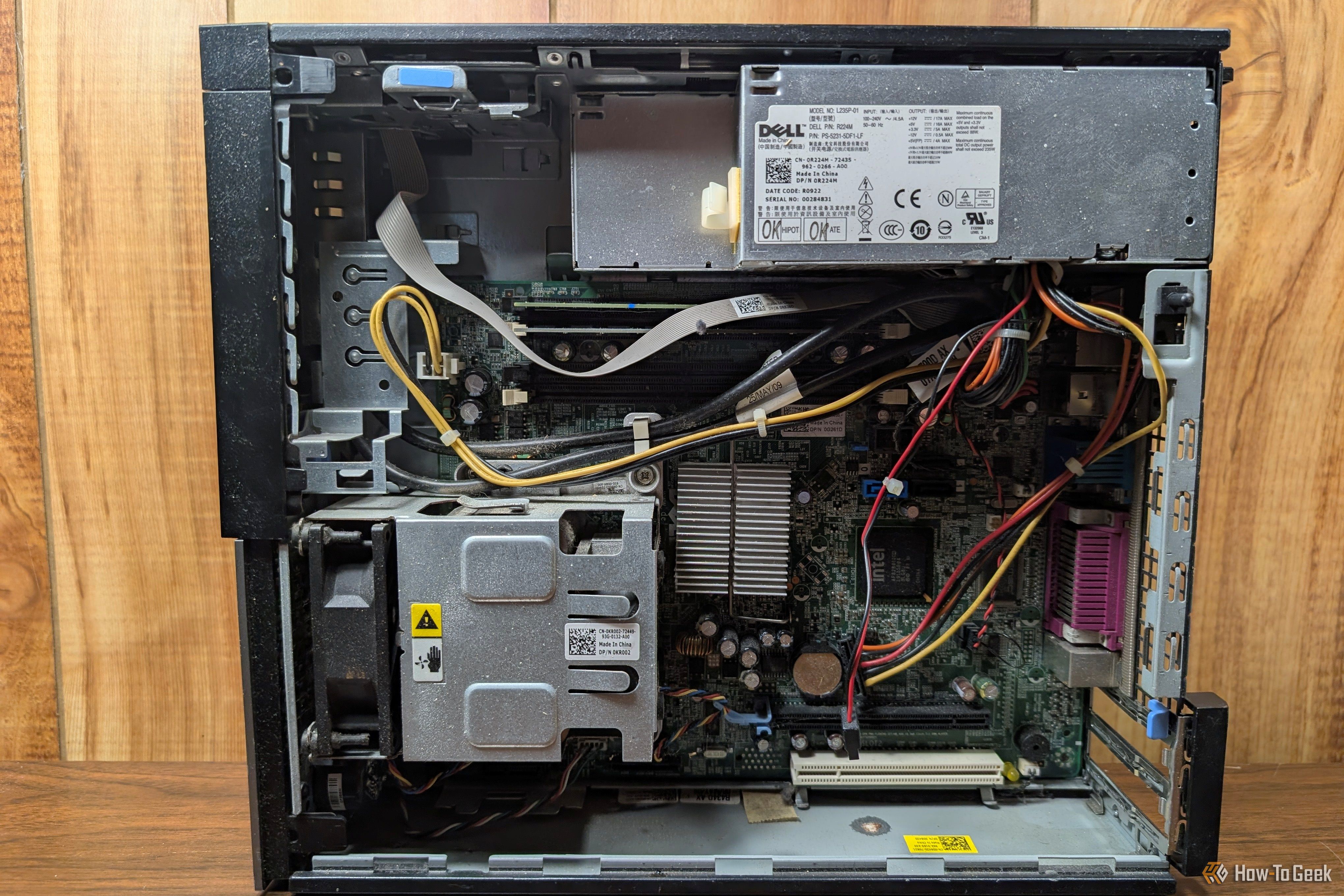
Turn Your Old PC into a Homelab: 6 Beginner Self-Hosting Projects
Breathe New Life into Your Old PC with Self-Hosting Don't let that dusty old laptop or desktop gather cobwebs! While it might not keep up with today's demanding software, an older PC often has more than enough power to

How to Choose the Best Smart Speaker in 2026 - Find Your Perfect Match
This guide helps you choose the best smart speaker in 2026 by evaluating your ecosystem, prioritizing features, and reviewing top Amazon, Google, Apple, and portable options. Learn to pick a device that integrates seamlessly and enhances your smart home.

September Pixel Drop: Small Update, Big Convenience
Google's September 2026 Pixel Drop brings enhanced one-tap calling/messaging via VIPs widget and expanded on-device scam protection for text messages, making communication safer and faster for Pixel 6 and newer users.
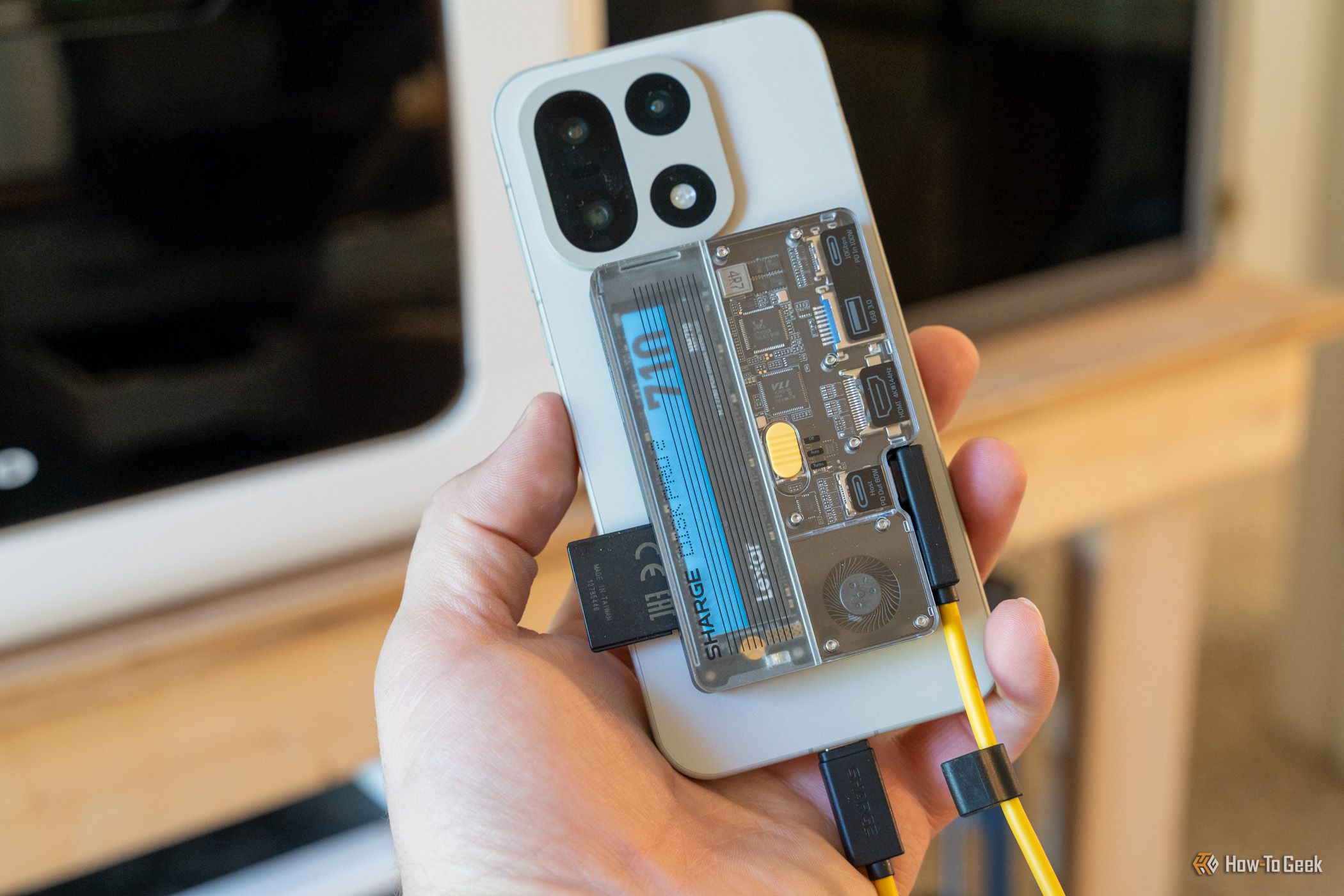
Maximize Your Sharge Disk Pro 2: Setup, Storage & Hub Features
Learn how to set up, install an SSD, and utilize all features of your Sharge Disk Pro 2, including its HDMI output, card readers, and power delivery, in this comprehensive guide.
Windows 11 Media Creation Tool: The Official Path to Bootable USBs
Verdict: Windows 11 Media Creation Tool - Your Gateway to a Fresh OS Install For anyone looking to install Windows 11, either on a brand-new PC or by performing a clean wipe on an existing one, Microsoft's official