
November 2026 Skywatching Guide: Your Stellar Companion for Autumn
The "November 2026 Skywatching Guide: Meteors, Planets, Stars and a Full Moon" from CNET positions itself as an essential companion for celestial enthusiasts. This comprehensive guide delivers a detailed roadmap to the

The "November 2026 Skywatching Guide: Meteors, Planets, Stars and a Full Moon" from CNET positions itself as an essential companion for celestial enthusiasts. This comprehensive guide delivers a detailed roadmap to the month's astronomical events, from dazzling meteor showers to captivating planetary alignments and a stunning supermoon. For both seasoned astronomers and curious beginners, it aims to demystify the night sky and maximize viewing opportunities.
Quick Verdict
CNET's November 2026 Skywatching Guide is a highly valuable, well-structured resource for anyone looking to engage with the cosmos this autumn. Its clear breakdown of events, practical tips, and anticipation of viewing conditions make it an indispensable tool for planning your nocturnal observations. While some events require specific gear or odd hours, the sheer variety and expert guidance ensure there's something for every skygazer.
Key Celestial Highlights & Details
This guide meticulously outlines the major celestial happenings throughout November 2026. The month kicks off with the end of daylight saving time on November 1, offering earlier sunsets and extended dark hours – a significant perk for skywatchers. The guide covers an impressive array of phenomena, categorized into planetary sightings, meteor showers, and lunar events.
Planetary Insights: Every planet in our solar system makes an appearance this November, though visibility varies. Mercury and Venus, often elusive, start the month close to the sun but become more visible later on, with Mercury reaching western elongation on November 20, making it easier to spot before sunrise. Mars and Jupiter are highlighted as consistent evening performers, rising together and forming a captivating trio with the star Regulus. This particular conjunction is emphasized as a naked-eye spectacle throughout the month. Saturn and Neptune share similar trajectories in the eastern sky after sunset, while Uranus reaches opposition on November 25, marking its most visible point. For Saturn, Neptune, and Uranus, the guide explicitly recommends binoculars or a telescope to fully appreciate their details.
Conjunctions and Alignments: The guide notes two key "dance parties" between the moon, Mars, Jupiter, and Regulus – one at the very start of the month (November 2-3) and another at the close (November 30). These events are presented as easily locatable due to the moon's prominence and the planets' naked-eye visibility. A more significant event is the four-planet alignment featuring Mercury, Venus, Mars, and Jupiter from November 14-25. This pre-dawn spectacle is particularly challenging due to Mercury's brief viewing window before sunrise, with November 20 pinpointed as the optimal day.
Meteor Shower Season: November is a bustling month for meteor enthusiasts, with three showers detailed:
- Southern Taurids (Peak: Nov 4-5): Active since September, this shower offers about five meteors per hour. What it lacks in quantity, it often makes up for in bright fireballs. The moon is only 22% illuminated, providing favorable viewing conditions.
- Northern Taurids (Peak: Nov 11-12): Almost a direct rerun of its southern counterpart, this shower also promises about five meteors per hour with increased fireball potential. Crucially, the moon is only 5% illuminated, offering even better conditions for spotting fainter streaks.
- Leonids (Peak: Nov 16-17): Typically the most active November shower, the Leonids could produce around 15 meteors per hour. They originate from the Leo constellation, conveniently located near Mars and Jupiter. However, this shower is best viewed after midnight, and the 41%-illuminated moon will introduce some natural light pollution.
Lunar Highlights: The guide doesn't overlook our closest celestial neighbor. The New Moon on November 9 is presented as the optimal night for stargazing due to minimal light pollution, coinciding with Carl Sagan Day. Conversely, the Beaver Supermoon, peaking on November 24, is a central feature. As the first of four consecutive supermoons, it will appear 7% larger and 14% brighter than a minimoon. While spectacular, its brightness is identified as a significant source of light pollution, impacting the visibility of other celestial objects from November 22-27.
Constellations and Asterisms: Beyond the dynamic events, the guide briefly touches on prominent constellations like Taurus, Pegasus, and Aries, alongside popular asterisms such as the Pleiades and the Great Square of Pegasus. It advises using a sky map or software like Stellarium for precise location.
User Experience and Practicality
The CNET guide excels in user experience by providing clear, chronological details for each event. The author's tone is encouraging and realistic, offering specific dates and optimal viewing times, along with crucial advice on minimizing light pollution. The explicit mention of when binoculars or a telescope are necessary versus when the naked eye suffices is particularly helpful for planning equipment needs. The contextual information, such as the moon's illumination percentage during meteor showers, directly influences viewing success and allows users to set appropriate expectations. The emphasis on early sunsets post-Daylight Saving Time is a welcome practical detail for those who prefer not to stay up late.
Pros
- Comprehensive Coverage: Details a wide array of celestial events, from planets and meteor showers to lunar phases.
- Clear and Concise Scheduling: Provides specific dates and optimal viewing windows for each event, simplifying planning.
- Equipment Guidance: Explicitly states when naked-eye viewing is sufficient versus when binoculars or a telescope are recommended.
- Practical Tips: Includes advice on light pollution and notes the benefit of earlier sunsets after daylight saving time.
- Variety of Events: Caters to different interests with multiple meteor showers, planetary alignments, and a supermoon.
- Favorable Meteor Viewing Conditions: Highlights specific meteor showers with low moon illumination for better visibility.
Cons
- Equipment Dependency: Many events, particularly the outer planets, require specialized optical equipment, which casual viewers may not possess.
- Time Commitment: Several key events necessitate late-night or very early morning observations, which might be inconvenient for some.
- Light Pollution from Supermoon: The spectacular supermoon creates significant light pollution for nearly a week (Nov 22-27), potentially obscuring fainter objects and impacting other skywatching opportunities during that period.
- Elusive Planets: Mercury and Venus are challenging to spot early in the month, requiring careful timing and clear horizons.
Recommendation
The November 2026 Skywatching Guide from CNET is an outstanding resource for anyone interested in the night sky. Its detailed, event-driven format makes it incredibly easy to follow and plan your skywatching adventures. Whether you're a seasoned amateur astronomer with a full suite of equipment or a beginner eager to witness your first meteor shower, this guide provides all the necessary information to make your November nights memorable. While some events demand specific gear or a bit of patience for optimal viewing, the sheer breadth and clarity of the guide make it a highly recommended read to enhance your celestial experience this autumn. Don't let these opportunities pass by – grab your binoculars, find a dark spot, and look up!
FAQ
Q: Do I need special equipment to enjoy this guide?
A: Not for all events! While binoculars or a telescope are recommended for clearer views of Saturn's rings, Neptune, and Uranus, many phenomena like the Mars, Jupiter, and moon conjunctions, as well as the brighter stars and constellations, are easily visible with the naked eye. The guide clearly specifies when equipment is advised.
Q: When is the best time to see meteors, and which shower is best?
A: November hosts three meteor showers: the Southern Taurids (peak Nov 4-5), Northern Taurids (peak Nov 11-12), and Leonids (peak Nov 16-17). The Northern Taurids offer the most favorable viewing conditions due to minimal moon illumination (5%), making it potentially the best for spotting fainter meteors, though all have a chance for bright fireballs. For optimal viewing, find a location away from city lights.
Q: How does the supermoon impact other skywatching activities?
A: The Beaver Supermoon, peaking on November 24, will be noticeably larger and brighter. While beautiful on its own, its increased luminosity creates significant light pollution, which can obscure fainter stars, planets (like Uranus and Neptune), and meteors. It's best to avoid serious deep-sky observation from November 22-27 if you're seeking faint objects. The New Moon on November 9, conversely, provides the darkest skies for stargazing.
Related articles

Binance Reopens After Historic Heist: A Fragile Recovery
Verdict Binance, one of the world's largest cryptocurrency exchanges, has reopened transactions after suffering a staggering $6.3 billion crypto heist, one of the largest in history. While the platform has commendably

Touchscreen MacBook Pro: Uninspired and Unconvincing
Apple's new touchscreen MacBook Pro with its PROLED XDR Display feels like an uninspired addition. Despite the beautiful OLED panel, the touchscreen functionality is uncomfortable for extended use and doesn't justify its premium.

Waititi Blasts Critics: Is Fan Love Enough When Box Office Crumbles
Taika Waititi has publicly lambasted film critics as "irrelevant, out of touch, obsolete" after his latest film, Klara and the Sun, received overwhelmingly negative reviews. Despite warmer audience reception, the movie has struggled at the box office, sparking debate on critical versus fan opinion.
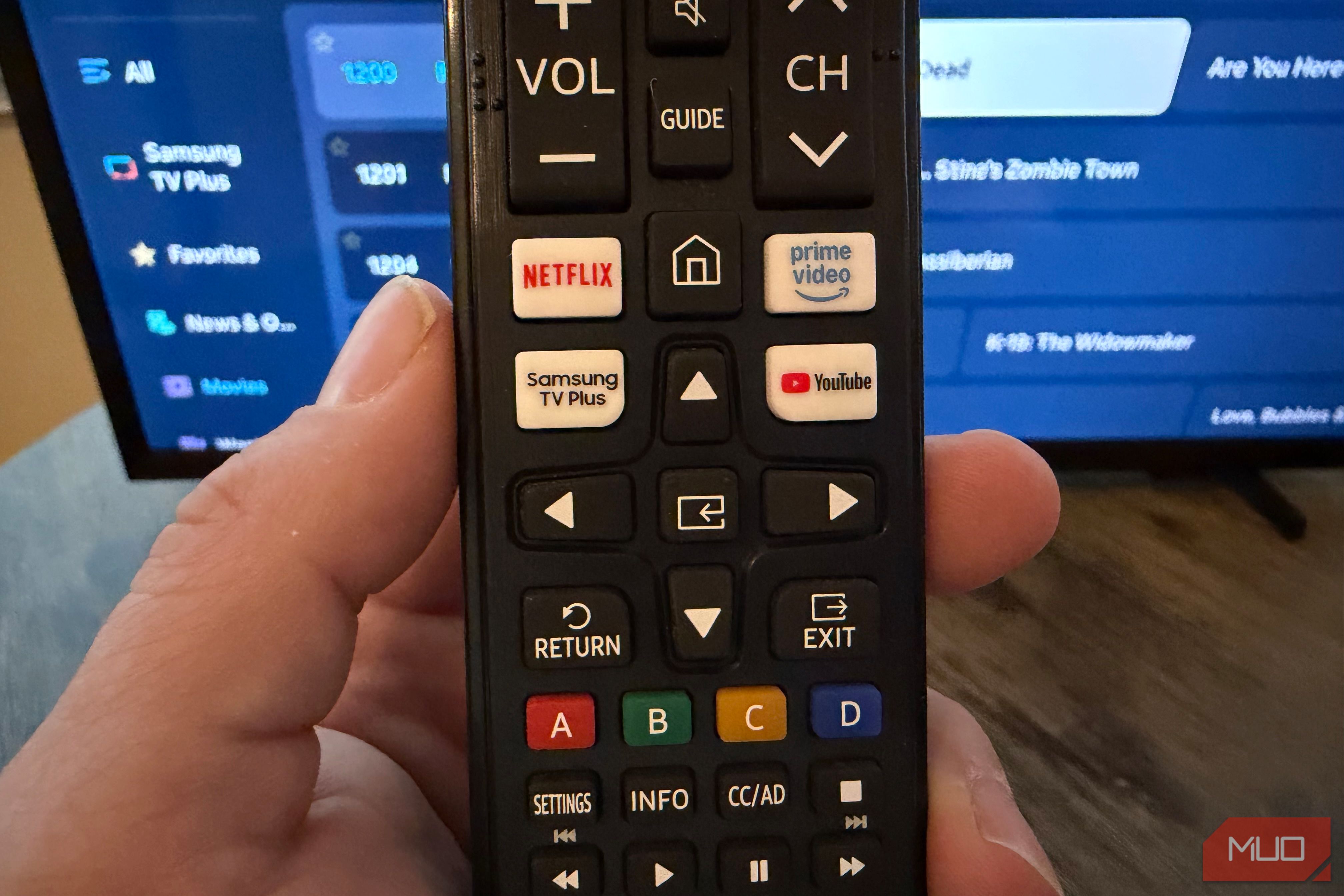
Unlock 650+ Free Channels on Your Samsung TV with One Button
Learn to instantly access over 650 free, ad-supported channels and movies on your Samsung TV with a single button press, requiring no logins or subscriptions.

GeekWire Week in Review: A Curated Dose of PNW Tech News
Verdict: Your Weekly Dose of Pacific Northwest Tech Insights GeekWire's "Week in Review" for October 25, 2026, serves as a highly efficient digest for anyone looking to stay abreast of the significant tech and startup
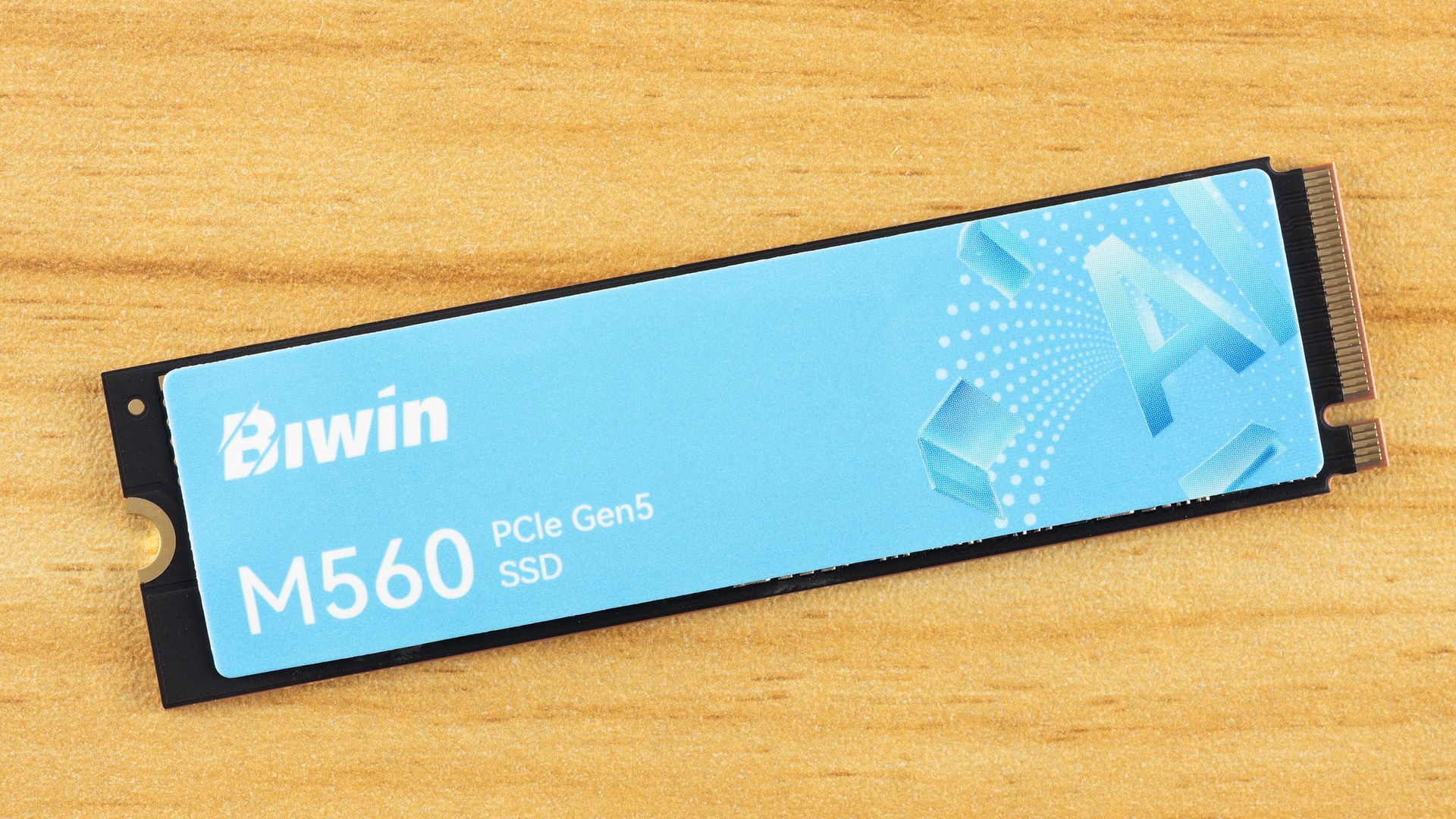
Biwin M560 2TB SSD Review: A DRAM-less PCIe 5.0 Powerhouse
The Biwin M560 2TB SSD is a top-tier PCIe 5.0 DRAM-less drive, delivering exceptional application and gaming performance with impressive efficiency. Its SMI SM2504XT controller shines, making it a strong contender for next-gen storage.