
Star Trek TV Era: The End of a Robust Voyage? (Review)
The current Star Trek TV era, marked by a surge of Paramount+ content, appears to be ending. This review examines the winding down of series like Strange New Worlds and Starfleet Academy, the shift to feature films, and the impact on the fan experience.
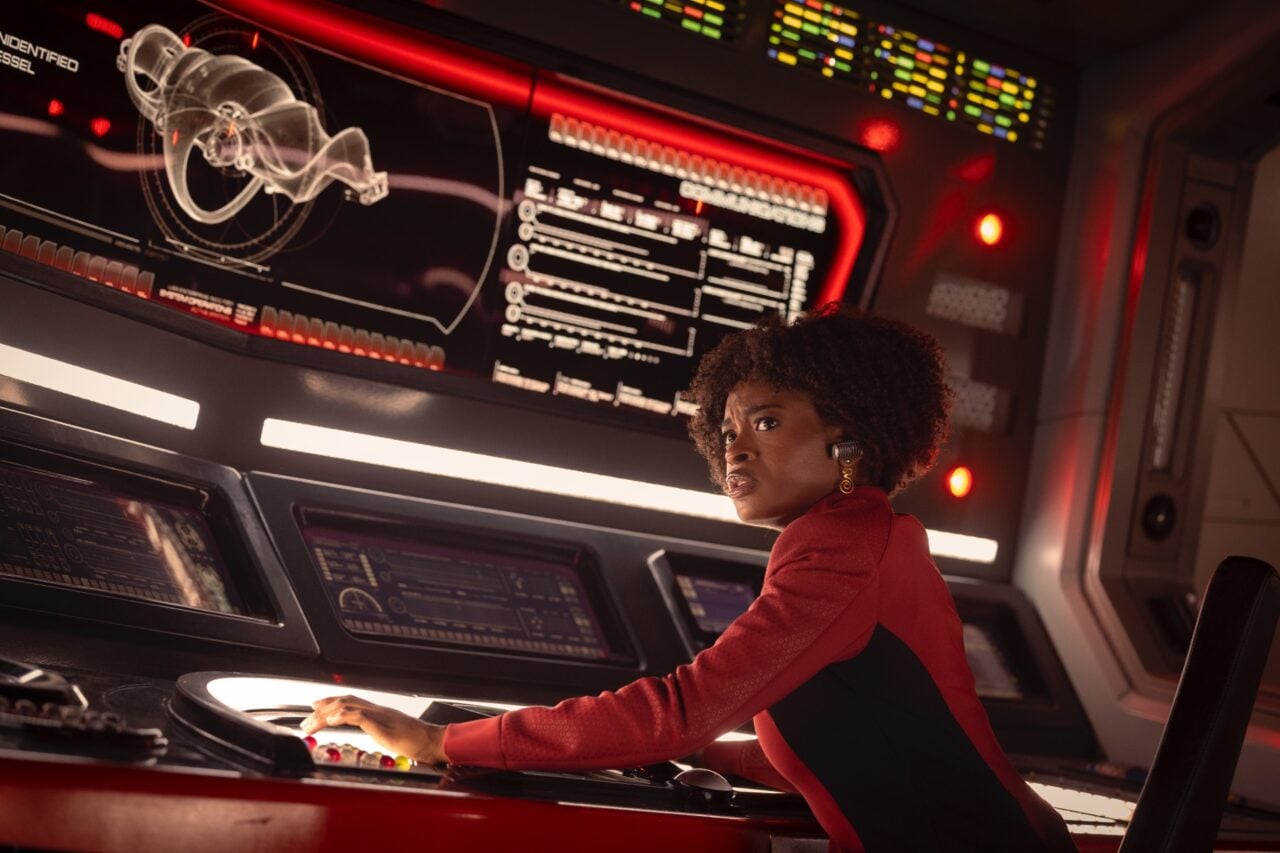
For fans who've grown accustomed to a steady stream of new Star Trek content over the past few years, the current landscape of the venerable sci-fi franchise presents a stark and somewhat disheartening picture. What began as a robust revitalization of small-screen Trek, delivering numerous series to Paramount+ subscribers, now appears to be definitively winding down. While the franchise’s future on the big screen gains traction, its television era, particularly the one ushered in with Discovery and followed by a multitude of new titles, is concluding, leaving many to wonder what’s next for Starfleet on our screens.
The Current Trajectory: Winding Down the Warp Drive
The signs have been accumulating for some time, pointing towards a significant shift in corporate strategy and a move away from the prolific television output. Two key series, Strange New Worlds and Starfleet Academy, which previously offered glimpses into Trek's past and future, respectively, have now confirmed their terminal points. Strange New Worlds, a fan favorite exploring Captain Pike's early command, is slated to conclude after a shortened fifth season, even as its fourth season is yet to debut this year. Similarly, Starfleet Academy, having just finished its inaugural run, will offer only one more season before its final curtain call.
This pivot isn't entirely unexpected. Paramount's focus has visibly shifted towards feature films, aiming to bring the iconic franchise back to the silver screen. Names like Jonathan Goldstein and John Francis Daley, known for their work on Dungeons & Dragons: Honor Among Thieves, have reportedly joined the film project, signaling serious intent. Yet, despite this cinematic ambition, a segment of the fanbase held onto hope for further small-screen announcements, a belief rooted in Star Trek's origins and its recent successful television renaissance.
The Era That Was: A Galaxy of Content
Indeed, the past era of Star Trek television was nothing short of a fan's dream. Beginning with Discovery, it quickly expanded to include a diverse slate of shows: Picard, Short Treks, the animated Lower Decks, the kids-focused Prodigy, and the aforementioned Strange New Worlds and Starfleet Academy. This period saw an unprecedented volume of new Trek narratives, character explorations, and visual styles, consistently dropping fresh content onto Paramount+. Viewers became accustomed to this rich "harvest," with a variety of perspectives and tones available, from dramatic character studies to lighthearted comedy and classic episodic adventures.
The Drying Up: Hopes Dashed and Sets Dismantled
However, the recent indications suggest this bountiful harvest is indeed nearing its end. A particularly promising concept, Star Trek: Year One, which aimed to explore Captain James T. Kirk's earliest days in command, following up on Strange New Worlds and featuring Paul Wesley as a younger Kirk, now appears to be firmly off the table.
Tangible proof of this significant shift comes from the physical world of production. Reports from Trek Central, shared on X on April 8, 2026, confirm that the sets for both Strange New Worlds and Starfleet Academy are in the process of being dismantled. Crew members have reportedly indicated that derigging is well underway, and a local online auction is even planned for pieces from these sets. This isn't just a rumor; it's a visible, physical manifestation of the conclusion of these series and, by extension, perhaps the entire current TV production cycle. The prospect of reusing these sets for a project like Year One now seems highly unlikely given this development.
User Experience: From Abundance to Uncertainty
The experience of being a Star Trek fan throughout this transition has been a rollercoaster. Initially, there was widespread excitement and satisfaction as the franchise delivered a quantity and variety of content rarely seen before. The constant flow of new episodes and series meant there was always something to anticipate, fostering a lively fan community and providing diverse interpretations of Gene Roddenberry's universe. This period demonstrated a clear commitment to television as a primary storytelling medium for Star Trek.
However, the current situation introduces a palpable sense of uncertainty and disappointment. The "distressing physical evidence" of set dismantling, coupled with the confirmed endpoints for the remaining shows, casts a long shadow over the future. It places the cast and crews of Strange New Worlds and Starfleet Academy in the unenviable position of promoting new seasons while their shows' ultimate conclusions are already known and, in some cases, physically cemented. For viewers, it means a shift from anticipating new announcements to preparing for final goodbyes. While the franchise itself is not ending, its small-screen iteration is undergoing a profound transformation, requiring fans to adjust their expectations significantly.
Pros and Cons: Weighing the Future of Star Trek TV
Pros:
- A Period of Abundant Content: The recent era provided an unprecedented volume and variety of Star Trek television shows, satisfying diverse fan interests.
- Continued Seasons for Remaining Shows: Fans still have Strange New Worlds Season 4 and 5, and Starfleet Academy Season 2 to look forward to.
- Renewed Focus on Feature Films: The shift could inject fresh life and resources into cinematic Star Trek, potentially leading to big-budget, high-quality movie experiences.
Cons:
- Abrupt End to a Robust TV Era: The winding down feels premature for many, cutting short a period of strong creative output on television.
- Uncertainty for Small-Screen Future: The lack of new TV series announcements and the dismantling of sets leave the future of Star Trek on television highly ambiguous.
- Cancellation of Promising Concepts: Projects like Year One that seemed to have potential are now effectively dead, disappointing fans eager for new stories.
- Awkward Production Context: Cast and crew must promote new content under the shadow of confirmed cancellations, potentially impacting morale and fan perception.
- Potential Loss of Storytelling Medium: A reduced TV presence could mean fewer opportunities for the kind of episodic, character-driven storytelling that has long defined the franchise.
Recommendation: Adjust Course, But Keep Scanners Active
For dedicated Star Trek fans, the recommendation is clear: savor the remaining seasons of Strange New Worlds and Starfleet Academy. These shows represent the final chapters of this robust TV era, and despite the context of their ending, they deserve to be enjoyed for the stories they tell. Temper your expectations for new small-screen announcements in the immediate future; the current strategic course is firmly set on feature films.
While the "harvest is drying up" on television, it's not the end of Star Trek. It’s a transition. Keep an eye on cinematic developments, as this could be where the next major wave of franchise storytelling will emerge. For now, enjoy the voyages that remain, and understand that Star Trek, like the universe it explores, is constantly evolving.
FAQ
Q: Is Star Trek completely over on television?
A: While the current robust era of multiple new series appears to be concluding with Strange New Worlds and Starfleet Academy reaching their confirmed endpoints and sets being dismantled, the source doesn't explicitly state that Star Trek will never return to television in any form. It signals a major winding down and a shift in focus, making new TV series unlikely in the near future.
Q: What about Star Trek feature films?
A: The source indicates a greater corporate interest in bringing the franchise back to the big screen. Filmmaking duo Jonathan Goldstein and John Francis Daley are reportedly involved in a film project, suggesting that cinematic Star Trek is where the franchise's primary focus will lie for the foreseeable future.
Q: Should I still invest time in watching the remaining seasons of Strange New Worlds and Starfleet Academy?
A: Absolutely. Despite their confirmed endings, these series still have new content to deliver, including Strange New Worlds Season 4 and 5, and Starfleet Academy Season 2. Enjoying these final installments is recommended for fans to experience the conclusion of this particular era of Star Trek storytelling.
Related articles

Apple Unveils iPhone Duo: Pricey Foldable Sees Soaring Demand
Apple has officially entered the foldable smartphone arena with the long-anticipated launch of the iPhone Duo. Priced starting at a hefty $1,999, the device features a 5.4-inch outer display and a larger 7.6-inch inner
Android 17 QPR2 Beta 7.1: The Performance Relief You've Been Waiting
Android 17 QPR2 Beta 7.1: Finally Fixing the QPR1 Performance Woes Verdict: Android 17 QPR2 Beta 7.1 is a crucial and highly anticipated software update for Google Pixel users, specifically targeting and resolving the

DJI Solo Video Setups: Smart Choices for Lone Creators
This review delves into DJI's recommended solo video setups, highlighting the Osmo Pocket 3 Creator Combo as a top pick for its integrated camera, gimbal, and mic. It also covers stabilizers like the Osmo Mobile 8 and RS 4, and the DJI Mic Mini series for enhanced audio, providing honest pros, cons, and clear buying advice.

Ars Technica's Rocket Report: Your Essential Space Industry Briefing
Quick Verdict Ars Technica's Rocket Report, presented by veteran space reporter Stephen Clark, offers an invaluable and meticulously organized weekly (or similar frequency, implied by "Edition 9.15") digest of the most

Apple iPhone Duo: A Daring Debut with Notable Compromises
Apple's highly anticipated iPhone Duo, priced at $2,000, has gone on pre-order. While hailed as "Apple's most exciting device in a decade" for its innovative foldable design and immersive display, it comes with significant drawbacks like the absence of FaceID and a premium camera.
KDE Plasma 6.8: A Future-Focused 30th Anniversary Update
Quick Verdict KDE Plasma 6.8, arriving as the "30th Anniversary Edition," is a pivotal release that decisively pushes the desktop environment into the future. With a definitive farewell to native X11 sessions and a