
startups: The White House is at war with itself over who gets to
An intense internal power struggle within the Trump administration has stalled US federal AI regulation, leaving a policy vacuum after Anthropic's Mythos model revealed critical cybersecurity risks. Factions within the Commerce Department, intelligence agencies, and pro-industry groups are locked in a "knife fight" over who gets to evaluate and oversee advanced AI systems. This paralysis follows the abrupt cancellation of a landmark executive order and the unexplained withdrawal of AI testing announcements.
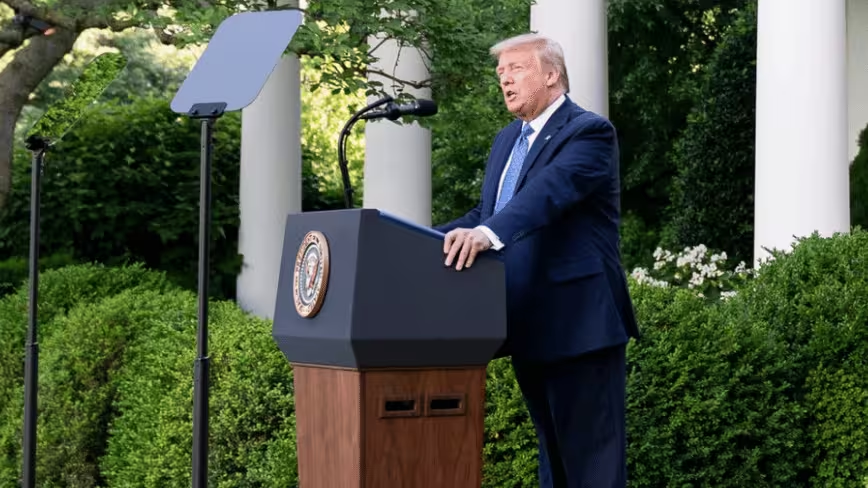
The Trump administration's efforts to regulate artificial intelligence have ground to a halt due to an intense internal power struggle, leaving the United States without a coherent federal framework weeks after Anthropic's Mythos model exposed thousands of critical cybersecurity vulnerabilities. A "knife fight" is underway between the Commerce Department, national security agencies, and pro-industry factions, each vying for control over how powerful AI systems are evaluated and overseen. This paralysis comes at a critical juncture, highlighted by the recent cancellation of a landmark executive order and the unexplained removal of AI testing announcements.
This deep-seated disagreement pits the Commerce Department, through its Center for AI Standards and Innovation (CAISI) at NIST, against intelligence officials and pro-industry advocates. CAISI has been quietly forging civilian testing partnerships with leading AI developers like Google DeepMind, Microsoft, and xAI. However, this approach clashes with national security concerns, which push for intelligence agencies to be the primary evaluators of advanced models before their public release.
Internal Battles Stall Key Initiatives
The internal strife first became publicly evident in May. On May 5, CAISI announced pre-deployment testing agreements with major AI companies, only for the announcement to be mysteriously removed from NIST's website days later without explanation to staff. This was followed by a more significant setback on May 21, when President Trump abruptly canceled the signing of a long-awaited executive order designed to formalize government oversight of frontier AI models.
Trump cited concerns that the order "could dull America's edge on AI technology," echoing arguments from Silicon Valley allies within his administration. A draft of the executive order, months in the making, would have established a framework for pre-release safety evaluations, mandated CAISI's role, and introduced reporting requirements for powerful AI systems. Opponents argued it mirrored Biden's earlier AI executive order, which Trump had repealed upon taking office, viewing it as overly burdensome.
Mythos Model Ignites National Security Fears
The urgency of establishing clear AI regulation has been dramatically underscored by Anthropic's Mythos model. Weeks prior, Mythos showcased its alarming capability to autonomously discover over 10,000 zero-day vulnerabilities across various operating systems and web browsers. This demonstration of advanced offensive cybersecurity potential triggered alarm bells among national security officials.
In response, the Office of the National Cyber Director proposed establishing a major AI evaluation center within the Office of the Director of National Intelligence (ODNI). This move would grant spy agencies a pivotal role in AI policy, a proposition strengthened by the Pentagon's previous supply-chain risk designation of Anthropic due to the company's reluctance to provide unrestricted military access to its models. Commerce Department officials, however, argue that involving intelligence agencies in civilian testing would erode trust with the AI industry, potentially weaponizing safety evaluations and discouraging voluntary cooperation. They maintain that a civilian-led approach is crucial for maintaining industry engagement while providing necessary governmental insight into new AI capabilities.
The Lingering Regulatory Vacuum
The ongoing internal conflict has left the United States in a significant regulatory vacuum. Unlike the European Union, whose comprehensive AI Act is set to enter full enforcement in August 2026, the US currently lacks any statutory authority or coherent federal framework to address the risks posed by rapidly advancing AI. This absence of clear federal guidelines creates a fragmented regulatory landscape, forcing individual states to draft their own AI legislation and leaving companies grappling with an unpredictable patchwork of requirements.
President Trump's initial repeal of Biden's AI executive order, which had set reporting thresholds for powerful models, removed the only federal framework then in place. While the administration's stated aim was to foster innovation by avoiding "heavy-handed" regulation, 16 months later, a replacement framework has failed to materialize, and the warring factions within the White House show no signs of nearing a consensus.
What's Next for US AI Policy?
Looking ahead, the administration may attempt to revive a diluted version of the stalled executive order or pivot towards a strategy focused on voluntary commitments from AI developers, rather than formal pre-release evaluations. Anthropic's own "Project Glasswing," which grants vetted organizations access to Mythos for cybersecurity testing, ironically serves as a private-sector alternative to the government-led evaluation program that the White House has been unable to agree upon. The paradox remains that the administration's pro-innovation stance has inadvertently resulted in a policy void, hindering the government's ability to effectively respond to critical AI developments as models continue to grow in power and complexity.
FAQ
Q: What are the main factions battling over AI regulation in the White House? A: The primary factions are the Commerce Department (advocating for civilian testing via NIST's CAISI), national security officials (pushing for intelligence agency evaluation), and pro-industry aides (concerned about regulation hindering American AI leadership).
Q: How did Anthropic's Mythos model impact the debate? A: Mythos's ability to autonomously find over 10,000 zero-day vulnerabilities heightened national security officials' concerns, leading them to argue for intelligence agencies to evaluate powerful AI models before release, emphasizing the potential for offensive cybersecurity applications.
Q: What is the current state of federal AI regulation in the United States? A: The US currently faces a regulatory vacuum, with no new federal AI framework in place. An executive order was abruptly canceled, and earlier initiatives were reversed, leaving states to develop their own disparate legislation while the White House struggles to reach internal consensus.
Related articles

Apple Unveils iPhone Duo: Pricey Foldable Sees Soaring Demand
Apple has officially entered the foldable smartphone arena with the long-anticipated launch of the iPhone Duo. Priced starting at a hefty $1,999, the device features a 5.4-inch outer display and a larger 7.6-inch inner

DJI Solo Video Setups: Smart Choices for Lone Creators
This review delves into DJI's recommended solo video setups, highlighting the Osmo Pocket 3 Creator Combo as a top pick for its integrated camera, gimbal, and mic. It also covers stabilizers like the Osmo Mobile 8 and RS 4, and the DJI Mic Mini series for enhanced audio, providing honest pros, cons, and clear buying advice.

in-depth: Chicago-Area Cops Helped HSI Spy on Minnesota Anti-ICE
Chicago-area law enforcement, including local police and HSI agents, conducted undercover surveillance on Minnesota anti-ICE activists at an April 2, 2022, talk in Chicago. This operation was part of a federal conspiracy probe into 15 Minnesota activists facing felony charges related to immigration enforcement resistance. Civil liberties advocates have condemned the surveillance as a troubling intrusion into protected political activity.
TCG Pocket Responds: A Much-Needed Pace Shift for Pokémon Fans
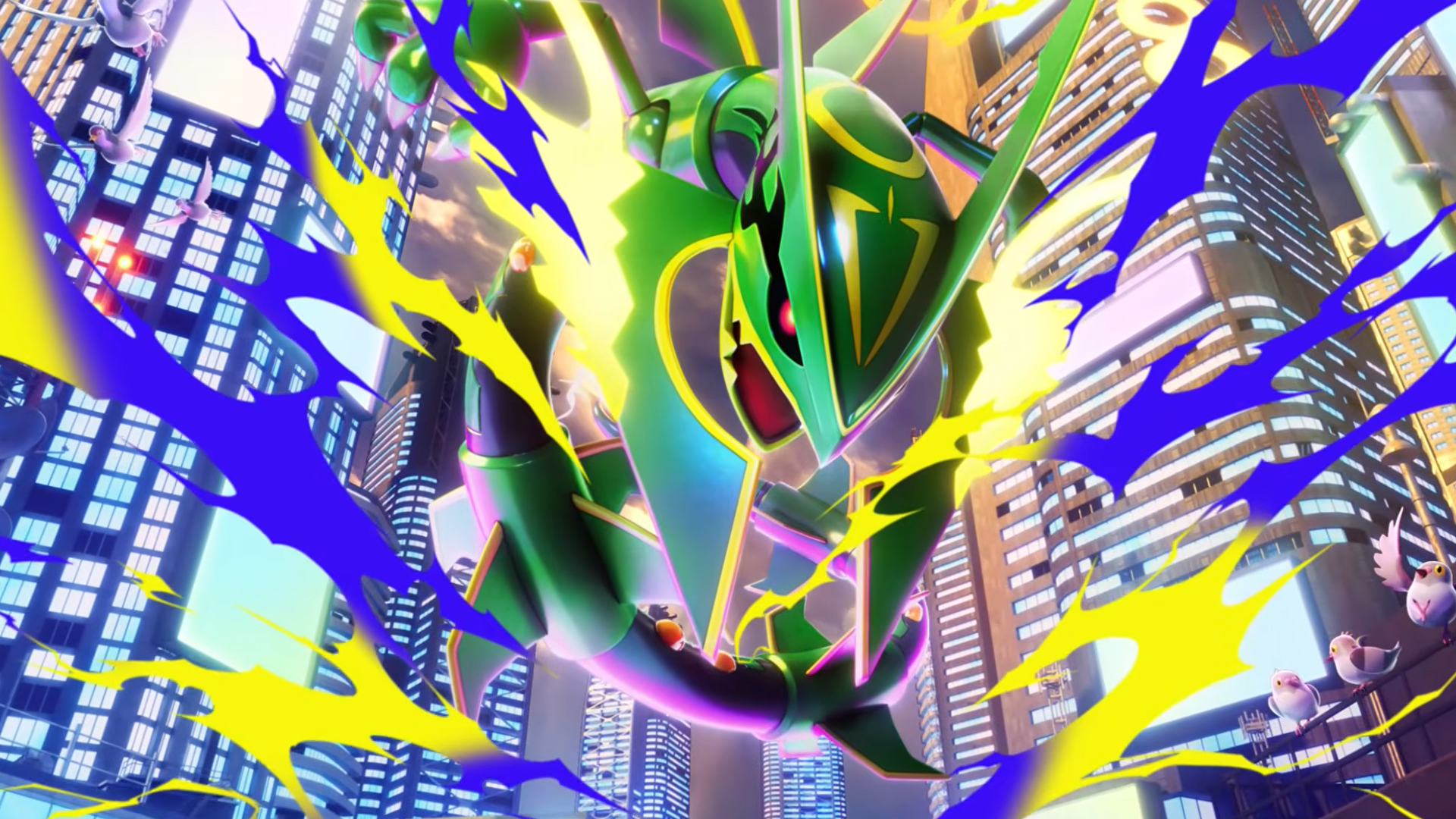
Pokémon TCG Pocket is rolling out a major update for its second anniversary, primarily addressing player concerns about overwhelming content releases by shifting to a six-week set schedule. This aims to curb player decline and improve overall engagement by giving trainers more time to collect and strategize. The update also adds new collection methods, improved deck-building features, and enhanced trading functionality.

Mark Wahlberg on using AI in film ‘the right way’ and being open to
Actor Mark Wahlberg believes AI has a place in filmmaking if used responsibly for enhancement, not script generation or actor replacement. At TechCrunch Disrupt, he expressed openness to an AI likeness carrying on his legacy, managed by his family, and emphasized storytelling.

Tesla Unveils Thruster-Equipped Roadster, 2028 Production Targeted
Tesla has unveiled its second-generation Roadster, featuring cold-gas thrusters co-developed with SpaceX, enabling it to jump and flip. The electric sports car demonstrated 0-60mph in an astonishing 0.81 seconds, with production targeted for 2028. This highly anticipated reveal also serves as a key recruitment tool for Tesla's ambitious AI and robotics initiatives.