
Quick Share Meets AirDrop: A Welcome Cross-Platform Step
Quick Verdict: A Much-Anticipated Bridge For years, seamless file sharing between Android and iOS devices has been a frustrating chasm, often requiring clunky workarounds or third-party apps. This month, Google is
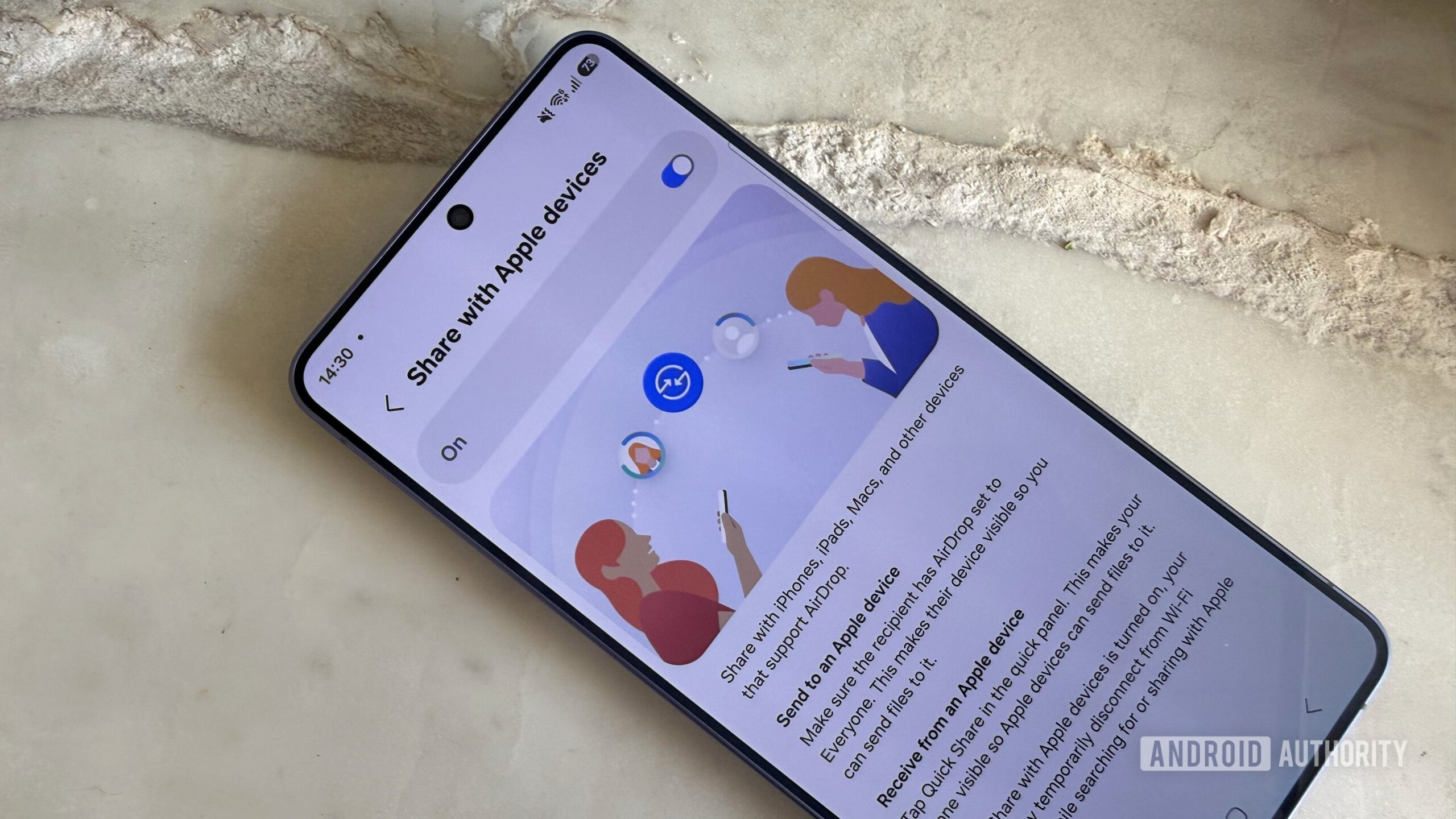
Quick Verdict: A Much-Anticipated Bridge
For years, seamless file sharing between Android and iOS devices has been a frustrating chasm, often requiring clunky workarounds or third-party apps. This month, Google is taking a significant step towards bridging that gap by expanding Quick Share's direct integration with Apple's AirDrop to a wider array of Android phones. While not a universal solution for every Android user, this move promises a smoother, more intuitive experience for those with compatible devices, finally bringing a taste of Apple's renowned interoperability to the Android ecosystem. It's a positive, albeit incrementally rolled out, development that should significantly improve the day-to-day for many.
The Promise of Seamless Sharing: Understanding the Integration
Google's Quick Share is Android's answer to Apple's AirDrop, designed for quick, local file transfers between Android devices. AirDrop offers similar functionality within the Apple ecosystem. The challenge has always been getting these two proprietary systems to talk to each other directly. Last month, Google announced its intention to bring Quick Share and AirDrop together, allowing Android owners to send files directly to iPhone users and vice versa, without needing an internet connection. This month, Google is making good on that promise for a select group of devices.
This integration means that if you're an Android user with a supported phone and you want to send a photo, video, or document to a friend with an iPhone, you'll be able to do so directly through Quick Share. No more uploading to a cloud service, sending an email, or relying on messaging apps that might compress your files. Google emphasized that this makes sharing with your "iPhone friends... smoother than ever," whether you're online or off. It leverages the direct peer-to-peer communication methods that make both Quick Share and AirDrop so efficient within their respective ecosystems, extending that convenience across platforms.
Who Gets It First? Device Compatibility Details
While the prospect of universal cross-platform sharing is exciting, the initial rollout of Quick Share's AirDrop integration is focused on a specific, largely high-end, segment of the Android market. Google has confirmed a list of devices that will gain this functionality starting this month. Users of these phones can look forward to a more integrated sharing experience:
- Samsung Galaxy Series: This includes the flagship Galaxy S25 series and S24 series, alongside several foldable devices such as the Z Flip 7, Z Fold 7, Z Flip 6, Z Fold 6, and the innovative Z TriFold. It's worth noting that Samsung had already begun rolling out AirDrop support to some of its devices, like the S25 series and certain foldables, so for some users, this might be an expansion or formalization of existing capabilities.
- OPPO Devices: The OPPO Find X8 series is on the list, bringing this advanced sharing feature to another major Android OEM.
- OnePlus Handsets: The OnePlus 15 is set to receive the update, continuing OnePlus's tradition of offering a premium Android experience.
- HONOR Phones: HONOR's premium offerings, the Magic V6 and Magic 8 Pro, will also support the new integration.
These newly compatible devices join an existing roster of Android phones that already support AirDrop via Quick Share. This prior list includes the Google Pixel 10 and Pixel 9 families, the more budget-friendly Pixel 8a, the Samsung Galaxy S26 series, the OPPO Find X9 range, the OPPO Find N6, and the vivo X300 Ultra. This demonstrates a clear strategy from Google and its hardware partners to prioritize their latest and greatest devices for this feature. While this initial focus is understandable, many users, particularly those with older or more affordable Android phones, will be hoping for wider device support "sooner rather than later."
User Experience: A Leap Towards Harmony?
This integration marks a significant step forward for the overall Android user experience, particularly for those who frequently interact with iPhone users.
Pros:
- Eliminating Friction: The most immediate benefit is the removal of friction in cross-platform file sharing. Gone are the days of debating whether to use email, a cloud drive, or a chat app for a simple photo transfer. This direct, standardized method significantly streamlines the process.
- Speed and Convenience: Like AirDrop within the Apple ecosystem, Quick Share's integration promises fast, direct device-to-device transfers, often much quicker than uploading and downloading from cloud services. This convenience is invaluable for sharing multiple large files.
- Offline Capability: A critical advantage highlighted by Google is the ability to share files "with or without an internet connection." This is incredibly useful in situations with poor Wi-Fi or limited data, making the feature reliable in diverse environments.
- Enhanced Interoperability: This move improves the fluidity between the two dominant mobile ecosystems. For mixed-device households, friend groups, or workplaces, it makes collaboration and sharing far less cumbersome, fostering a sense of technological harmony rather than division.
- Simplified User Interface: Ideally, the process will be as straightforward as sharing files between two Android phones, reducing the learning curve for users.
Cons:
- Limited Initial Rollout: The most significant drawback is the exclusivity of the feature to a relatively small selection of newer, high-end Android devices. This leaves a vast number of Android users still without this interoperability, creating a fragmented experience within the Android community itself.
- Dependence on Updates: Users are reliant on Google pushing the update and their specific phone manufacturer incorporating it into their software builds. Delays or lack of support for older models could lead to frustration.
- Still Not Universal: While a major step, it doesn't solve every cross-platform challenge. It's a file-sharing solution, not a complete ecosystem integration.
- Potential for User Confusion: While the goal is seamlessness, some users might still need to understand the concept of Quick Share on Android and AirDrop on iOS to ensure successful transfers, especially if they are new to either platform.
Beyond the Hype: Is It a True Game Changer?
From a broader perspective, this integration is more than just a convenience feature; it's a strategic move by Google. For years, Apple has leveraged its ecosystem's tight integration as a powerful selling point, often creating frustration for Android users trying to interact with iPhone users. By facilitating direct file sharing, Google is chipping away at one of Apple's key 'walled garden' advantages, making the Android platform more appealing to those who exist in a mixed-device world.
This development also comes on the heels of Google's announcement about bringing Quick Share to third-party apps, starting with WhatsApp. This complementary initiative aims to provide alternative sharing methods for Android devices that may not directly support AirDrop, especially for users who need to send files to iOS users. Together, these efforts demonstrate Google's commitment to improving cross-platform communication and making Android a more open and flexible ecosystem. While not a full 'game changer' in the sense of completely dismantling ecosystem barriers, it's certainly a significant evolution in mobile interoperability.
Recommendation: A Welcome, But Evolving, Interoperability
For owners of the compatible Android devices listed, this Quick Share and AirDrop integration is an unqualified win. It's a genuine quality-of-life upgrade that removes a long-standing point of frustration and makes interacting with iPhone users significantly easier. If you're currently in the market for a new Android phone and frequently share files with iOS users, the inclusion of this feature on high-end devices like the latest Samsung Galaxy, OPPO Find, OnePlus, and HONOR models adds another compelling reason to consider them.
However, for the vast majority of Android users with older or budget devices not on the current list, this update represents hope for the future rather than immediate relief. It underscores the ongoing challenge of fragmentation within the Android ecosystem. While Google is pushing for greater interoperability, the reality of device-specific rollouts means patience will be key. This is a positive, much-needed step, but the journey towards truly universal cross-platform sharing is still ongoing.
FAQ
Q: Will all Android phones eventually get AirDrop support via Quick Share? A: According to the source, only a specific list of newer, high-end devices from Samsung, OPPO, OnePlus, and HONOR, alongside some Pixel phones, are confirmed for the initial rollout this month. While Google has expressed hope for wider support on older and cheaper devices, there is no firm timeline or guarantee for universal availability at this time.
Q: Can I share any type of file using this new integration? A: The source generally refers to sharing "files," implying standard media (photos, videos) and documents. Specific limitations on file types or sizes are not mentioned, but direct peer-to-peer sharing typically handles common formats well. It's reasonable to expect support for the most frequently shared content.
Q: Do both the Android and iPhone devices need to be connected to the internet for this feature to work? A: No, one of the key benefits highlighted by Google is that this feature works "with or without an internet connection." It leverages direct peer-to-peer communication between the devices, similar to how AirDrop and Quick Share function within their respective ecosystems, making it reliable even in offline environments.
Related articles
Android 17 QPR2 Beta 7.1: The Performance Relief You've Been Waiting
Android 17 QPR2 Beta 7.1: Finally Fixing the QPR1 Performance Woes Verdict: Android 17 QPR2 Beta 7.1 is a crucial and highly anticipated software update for Google Pixel users, specifically targeting and resolving the

DJI Solo Video Setups: Smart Choices for Lone Creators
This review delves into DJI's recommended solo video setups, highlighting the Osmo Pocket 3 Creator Combo as a top pick for its integrated camera, gimbal, and mic. It also covers stabilizers like the Osmo Mobile 8 and RS 4, and the DJI Mic Mini series for enhanced audio, providing honest pros, cons, and clear buying advice.
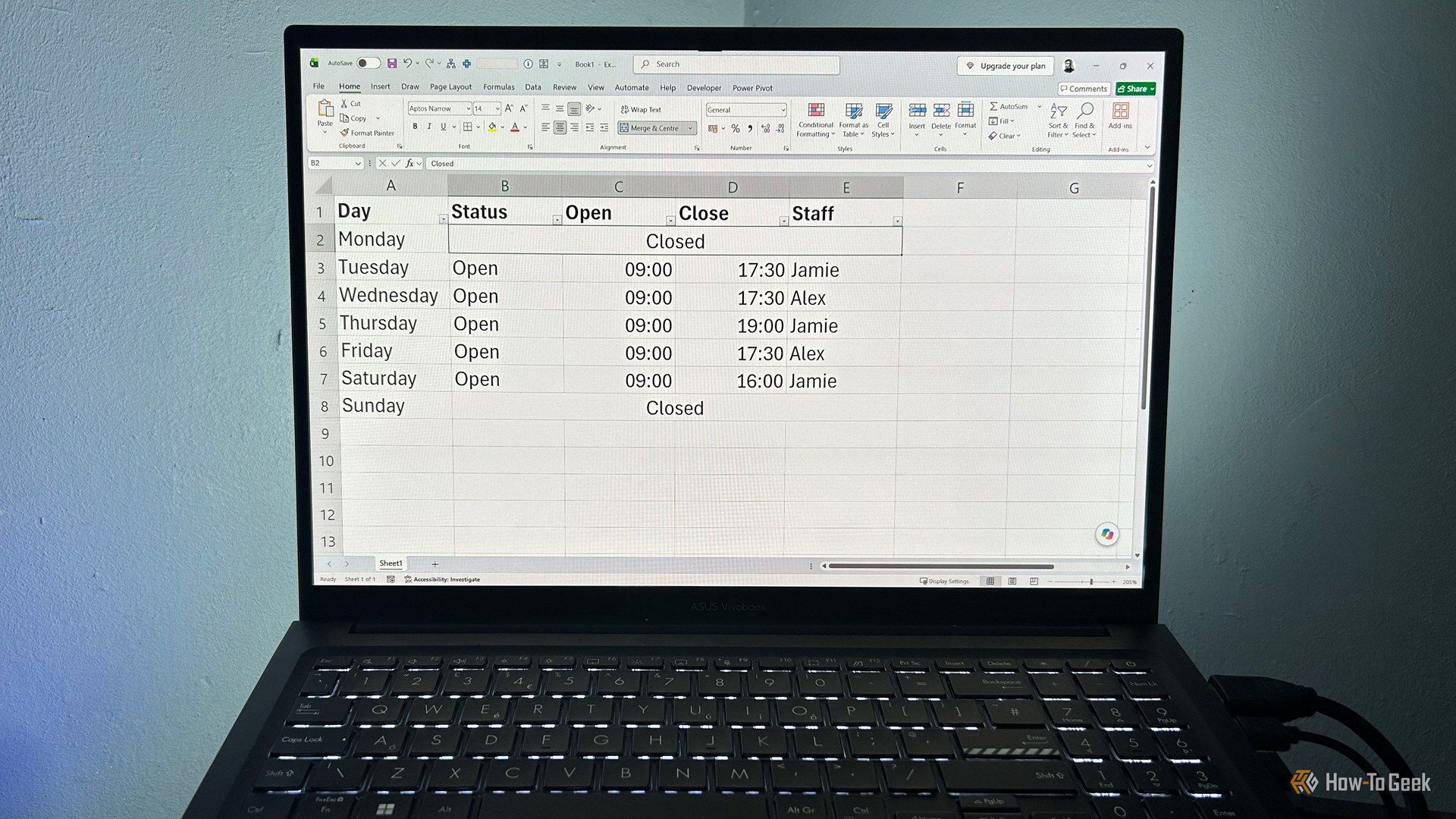
Ditch Merge & Center: The Better Way to Align Text in Excel
Learn to use Excel's "Center Across Selection" to align text across cells without merging, avoiding common data manipulation issues. This guide provides steps to utilize this newly accessible feature and add it to your Quick Access Toolbar.

Ars Technica's Rocket Report: Your Essential Space Industry Briefing
Quick Verdict Ars Technica's Rocket Report, presented by veteran space reporter Stephen Clark, offers an invaluable and meticulously organized weekly (or similar frequency, implied by "Edition 9.15") digest of the most

Apple iPhone Duo: A Daring Debut with Notable Compromises
Apple's highly anticipated iPhone Duo, priced at $2,000, has gone on pre-order. While hailed as "Apple's most exciting device in a decade" for its innovative foldable design and immersive display, it comes with significant drawbacks like the absence of FaceID and a premium camera.
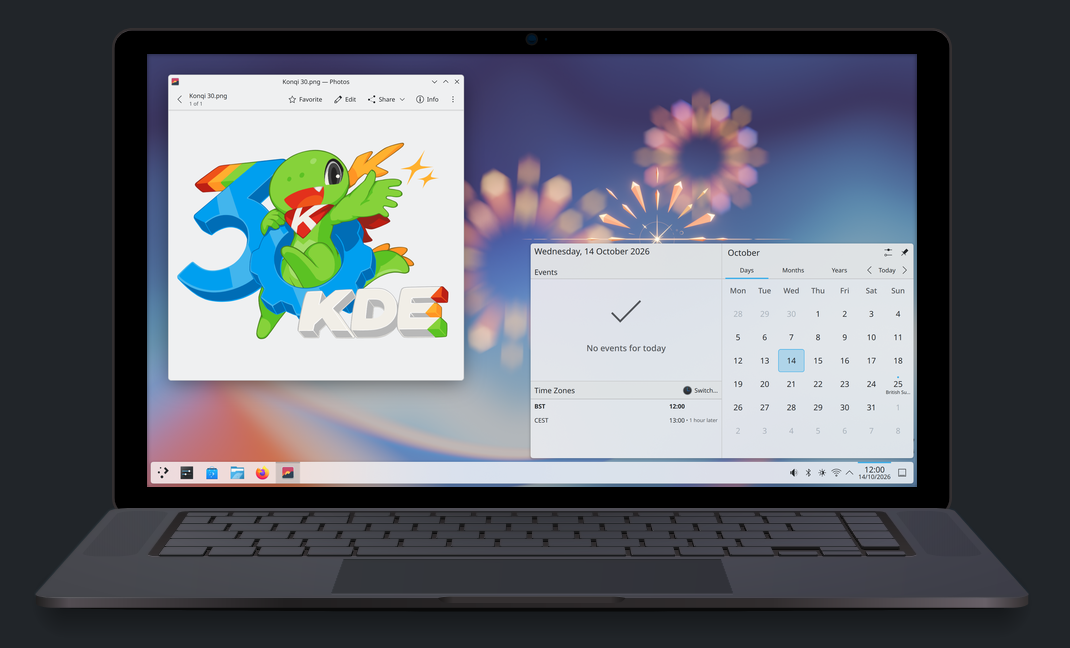
KDE Plasma 6.8: A Future-Focused 30th Anniversary Update
Quick Verdict KDE Plasma 6.8, arriving as the "30th Anniversary Edition," is a pivotal release that decisively pushes the desktop environment into the future. With a definitive farewell to native X11 sessions and a