
OpenAI's India Deep Dive: A 1GW Vision with Tata & New Hubs
OpenAI is making a major move into India, partnering with Tata for an initial 100MW AI data center capacity with a long-term goal of 1GW. The AI giant also plans to open new offices in Mumbai and Bengaluru later this year, signaling a deep commitment to India's tech landscape and talent pool. This expansion is set to significantly boost AI development and adoption in the region.
The world of artificial intelligence is moving at breathtaking speed, constantly pushing the boundaries of what's possible. At the forefront of this revolution stands OpenAI, and the AI giant is now making a colossal move into the Indian market, signaling a major commitment to the region's burgeoning tech landscape. With a groundbreaking partnership with Tata for massive data center capacity and strategic plans for new offices in key tech hubs, OpenAI is setting the stage for a significant expansion in India, promising to reshape the future of AI in the subcontinent.
Powering the Future: OpenAI and Tata's Data Center Ambition
At the very core of advanced AI operations lies robust and scalable data center infrastructure. Recognizing this critical need, OpenAI is joining forces with Tata to establish a formidable presence in India's digital landscape. The initial phase of this collaboration is set to deliver an impressive 100MW of AI data center capacity. To put that into perspective, 100 megawatts is a substantial amount of power, capable of fueling an immense array of computational processes vital for training complex AI models, running sophisticated algorithms, and supporting large-scale AI applications.
But this initial step is just the beginning of a far more ambitious journey. OpenAI’s long-term vision extends to an astounding 1GW (gigawatt) of capacity. This monumental goal underscores an unparalleled commitment to scaling AI capabilities in the region. Such a massive investment highlights the critical need for powerful computing resources to fuel the next generation of AI development and deployment, indicating OpenAI's serious intent to leverage India's potential as a global AI powerhouse. This deep infrastructure play is foundational to supporting widespread AI adoption and innovation across various sectors.
Planting Roots: New Offices in India's Tech Hubs
Beyond physical infrastructure, a strong local presence is crucial for fostering innovation, engaging with the vibrant tech community, and understanding unique market needs. OpenAI is set to deepen its roots in India with the planned opening of new offices in both Mumbai and Bengaluru later this year. These strategic locations are not accidental; they represent key centers of India's technological and commercial prowess.
Bengaluru, often hailed as the "Silicon Valley of India," is a global hotbed for tech talent, startups, and innovation. Establishing an office here allows OpenAI to tap into a vast pool of skilled engineers, researchers, and developers, fostering collaboration and potentially accelerating local AI advancements. Mumbai, on the other hand, stands as India's financial capital and a significant commercial hub. A presence in Mumbai could facilitate closer engagement with diverse industries, from finance to entertainment, exploring how AI can address specific business challenges and opportunities within the Indian market. These physical offices signify a hands-on approach to integrating OpenAI into India's dynamic tech ecosystem.
Why India? A Strategic Embrace of Global AI Leadership
This significant, multi-faceted push into India isn't merely an expansion; it's a strategic embrace of a market poised for explosive growth in AI. India boasts a vast and rapidly growing pool of skilled technical talent, a dynamic and rapidly digitizing economy, and a burgeoning appetite for advanced technological solutions across its diverse population. For OpenAI, a deeper presence in India means tapping into diverse perspectives, fostering local innovation, and serving a massive potential user base that is increasingly integrating technology into everyday life.
OpenAI's investment in India's AI infrastructure and talent represents a win-win scenario. It promises to accelerate the adoption and development of AI within India, potentially creating new opportunities across various industries, from healthcare and education to agriculture and finance. This move could also position India as an even more critical player in the global AI landscape, contributing significantly to the ongoing evolution and ethical deployment of artificial intelligence worldwide.
The Dawn of a New AI Era in India
OpenAI's comprehensive expansion into India, marked by the powerful Tata partnership for a 1GW data center vision and the strategic opening of offices in Mumbai and Bengaluru, signals a new era for artificial intelligence in the subcontinent. This isn't just about bringing advanced AI tools to India; it's about building a robust foundation for future innovation, fostering local talent, and solidifying India's position on the global AI map. The coming years promise to be transformative as this collaboration unfolds, reshaping the landscape of artificial intelligence in one of the world's most dynamic and technologically savvy markets. Get ready for an exciting future as India powers up its AI capabilities with OpenAI.
Related articles

Kojima Compares Divisive New Film 'Digger' to MGS2's Prescient Vision
Gaming icon Hideo Kojima has praised the divisive 2026 film *Digger*, drawing intriguing parallels to his own prophetic game, *Metal Gear Solid 2*. Both works, he explains, uniquely explore the dangers of misinformation and a fragmented digital reality, anxieties he shares with *Digger*'s director, Alejandro González Iñárritu.

Ephemeral PR Preview Environments on GKE: A Deep Dive
Every development team eventually grapples with the limitations of shared staging environments. The familiar scenario: multiple features deployed simultaneously, database migrations clashing, and the phrase "it works on

Enterprise AI Beyond Chatbots: A Vision for Actionable Intelligence
Quick Verdict: Redefining Enterprise AI's Potential TechRadar Pro's opinion piece, "What it takes to move enterprise AI beyond the chatbot," delivers a refreshingly honest and vital perspective on the current state and

Terafab EUV Tool: Ambitious but Delayed Vision
Quick Verdict Elon Musk's Terafab, an ambitious venture into advanced semiconductor manufacturing, is reportedly set to receive its first cutting-edge Extreme Ultraviolet (EUV) lithography tool from ASML in mid-2027.

VisionQuest Cameo Insight: A Pragmatic Look at MCU TV Realities
VisionQuest Cameo Insight: A Pragmatic Look at MCU TV Realities Verdict: The news surrounding VisionQuest's initial creative discussions offers valuable, albeit potentially disappointing, insight into the realities of
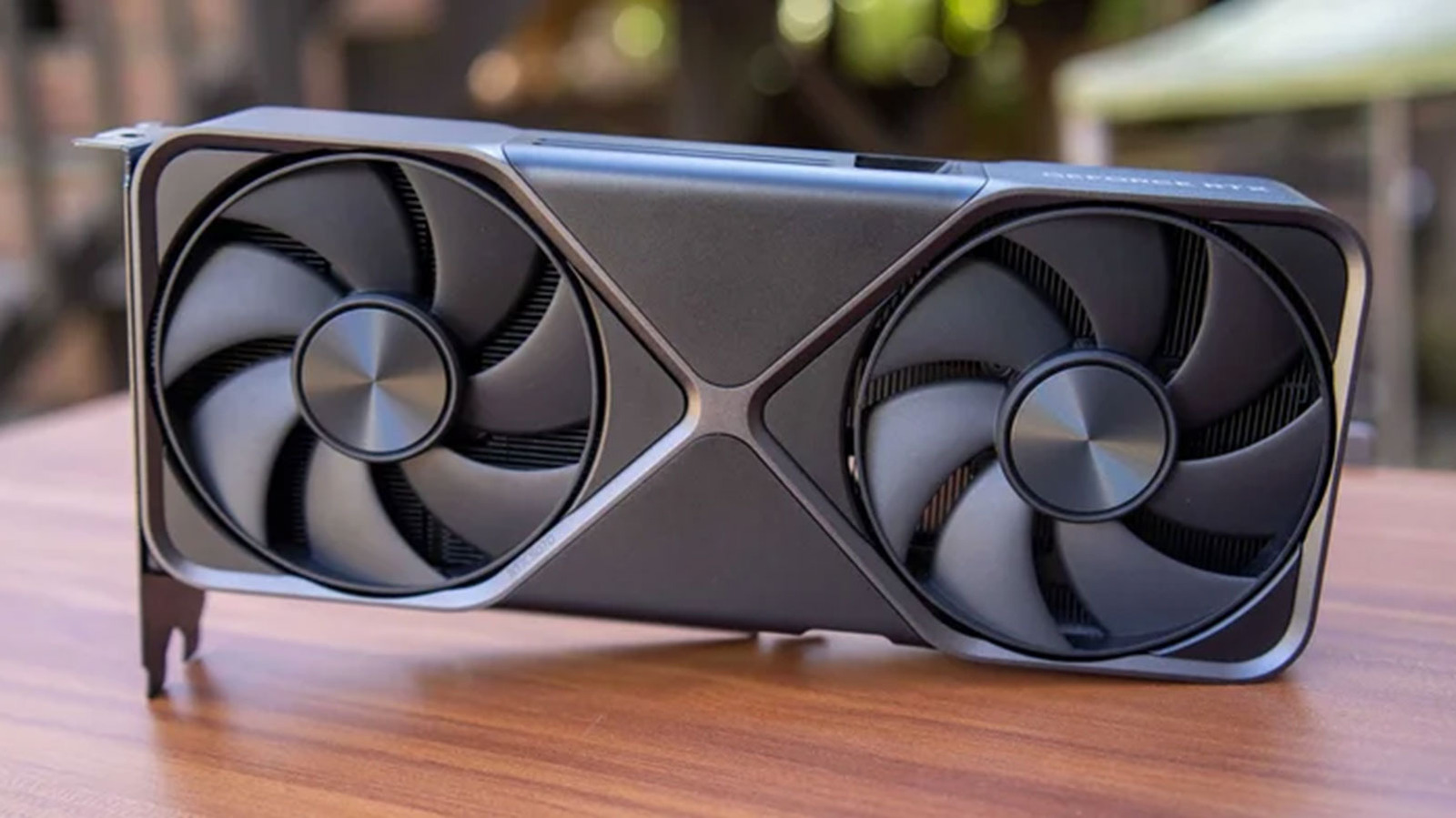
NVIDIA DLSS: A Powerful AI Upscaling Game-Changer
NVIDIA DLSS, or Deep Learning Super Sampling, has become a cornerstone technology for PC gamers with RTX graphics cards. It's a proprietary upscaling solution designed to boost game performance and, in some cases,