
VisionQuest Cameo Insight: A Pragmatic Look at MCU TV Realities
VisionQuest Cameo Insight: A Pragmatic Look at MCU TV Realities Verdict: The news surrounding VisionQuest's initial creative discussions offers valuable, albeit potentially disappointing, insight into the realities of
VisionQuest Cameo Insight: A Pragmatic Look at MCU TV Realities
Verdict: The news surrounding VisionQuest's initial creative discussions offers valuable, albeit potentially disappointing, insight into the realities of modern Marvel television production. While a Tony Stark cameo was considered, the pragmatic decision to forgo it due to budget and actor availability underlines the distinct operational differences between MCU films and Disney+ series. It's a clear signal for viewers to adjust their expectations regarding major cinematic character crossovers in streaming content.
The Dream: Iron Man's Potential Return
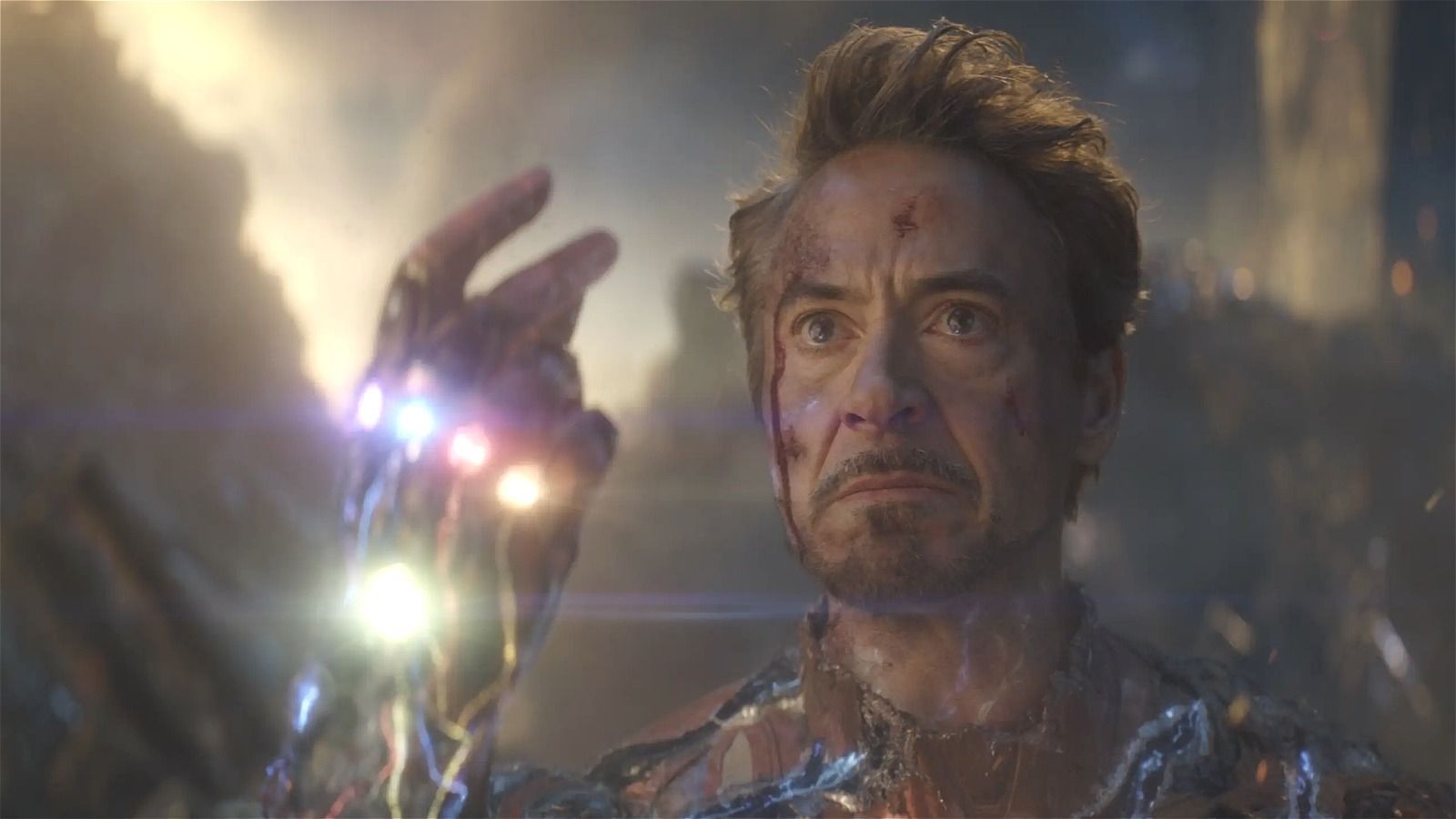
The recently revealed tidbit from VisionQuest creator Terry Matalas paints a vivid picture of the creative process behind Marvel's upcoming Disney+ series. Matalas admitted that the idea of including a cameo from the iconic Tony Stark, played by Robert Downey Jr., was briefly floated. This isn't surprising given Stark's deep narrative ties to the characters at the heart of VisionQuest, Vision and Ultron, both of whom he helped create in Avengers: Age of Ultron. Stark's legacy as a prolific inventor of artificial intelligence programs further strengthens the narrative potential of his involvement, particularly if the show delves into the origins or source code of these advanced beings, as Matalas suggested a flashback could have explored. For many Marvel Cinematic Universe (MCU) fans, the return of Robert Downey Jr. as Iron Man, even in a small capacity or flashback, would undoubtedly be a monumental event, capable of generating immense buzz and drawing in a massive audience. It's the kind of fan service that could ignite social media and boost viewership.
The Reality: Budget, Availability, and Limitations
However, Matalas was quick to acknowledge the formidable obstacles that made such a dream precisely that: a dream. His candid assessment – that he was "never going to get" Robert Downey Jr. to appear in a Marvel TV show – highlights the practical constraints of television production, even for a powerhouse like Disney+. The primary hurdles identified were budget and the sheer improbability of securing an actor of Downey Jr.'s caliber and cost for a streaming series. Matalas explicitly stated, "We're just a TV series, so you can't really have all of the... I mean, there are limitations, right?" This statement is profoundly telling, drawing a clear distinction between the financial and logistical capabilities of feature films and those of their streaming counterparts. It implies that while Marvel Studios can command astronomical budgets for its theatrical releases, its Disney+ series operate under a different, more constrained financial model. The idea of a Stark cameo was, therefore, "consigned to the scrap heap as quickly as it took form," a stark reminder of the compromises inherent in large-scale productions.
Implications for the MCU's Streaming Future
This revelation offers a critical lens through which to view the ongoing expansion of the MCU into television. For years, fans have debated the varying quality and scope of Disney+ series compared to the blockbuster films. Matalas's comments underscore a key factor in this debate: budget. While Disney+ shows certainly aren't cheap to produce, they evidently do not command the same level of investment or access to top-tier talent (or rather, their availability at a certain price point) as an Avengers film. This insight helps explain why some streaming series might feel less expansive or why major cinematic characters are often relegated to brief appearances or mentioned off-screen. It forces creators to be more resourceful, to "distill down that idea into something that could work" within the given parameters. While this might lead to creative solutions, it also means that the grand, interconnected tapestry of the MCU, as envisioned in the movies, will have different threads and limitations when woven for the small screen.
Impact on Viewer Expectations
For the avid Marvel fan, this news serves as a crucial expectation-management tool. It's easy to hope for the unexpected return of beloved characters, especially those as pivotal as Tony Stark. However, Matalas's honesty should temper such hopes, at least for the foreseeable future of Disney+ exclusive content. It suggests that while the narrative connections to the wider MCU will remain, direct, high-profile cameos from actors who have largely concluded their cinematic runs will likely be rare. This isn't necessarily a negative, though. It can compel shows like VisionQuest to stand on their own merits, to develop their core characters and stories without leaning on the crutch of familiar faces. The success of VisionQuest, in Matalas's own words, will depend on how viewers react to the distilled story they were able to tell.
Conclusion: A Realistic Creative Path
Ultimately, the decision to forgo a Tony Stark cameo in VisionQuest was a pragmatic one, born out of the realities of television production rather than a lack of creative desire. While it denies fans a nostalgic return, it forces the creative team to focus on the story they can tell. This news is less a critique of VisionQuest itself and more an honest look at the operational differences within the MCU's multi-platform strategy. Viewers should approach VisionQuest anticipating a narrative focused on its central characters and themes, crafted within the scope and budget typical of a high-quality streaming series, rather than holding out for a cinematic-level surprise return.
FAQ
Q: Does the lack of a Tony Stark cameo mean VisionQuest will be a lesser quality show?
A: Not necessarily. While a cameo from Robert Downey Jr. would have generated significant hype, the creator's pragmatic decision indicates that the show will focus on its core narrative and characters. Good writing and strong performances can still deliver a compelling series without relying on expensive guest appearances.
Q: Are other major MCU film characters unlikely to appear in Disney+ TV shows?
A: This revelation suggests that securing high-profile, expensive actors who have largely concluded their film arcs for TV series cameos will be challenging due to budget and availability constraints. While smaller or less central film characters may appear, consistent big-name cinematic crossovers are less likely for streaming projects.
Q: What does this news tell us about Marvel's strategy for Disney+ content?
A: It indicates that Marvel's Disney+ series, while integral to the MCU, operate under different production realities than their theatrical films. Creators may need to make more compromises regarding scope and specific character appearances, encouraging them to develop strong, self-contained narratives within the broader universe. This can lead to more focused storytelling, albeit with fewer 'event' level cameos.
Related articles

Ars Technica's Rocket Report: Your Essential Space Industry Briefing
Quick Verdict Ars Technica's Rocket Report, presented by veteran space reporter Stephen Clark, offers an invaluable and meticulously organized weekly (or similar frequency, implied by "Edition 9.15") digest of the most

Apple iPhone Duo: A Daring Debut with Notable Compromises
Apple's highly anticipated iPhone Duo, priced at $2,000, has gone on pre-order. While hailed as "Apple's most exciting device in a decade" for its innovative foldable design and immersive display, it comes with significant drawbacks like the absence of FaceID and a premium camera.

KDE Plasma 6.8: A Future-Focused 30th Anniversary Update
Quick Verdict KDE Plasma 6.8, arriving as the "30th Anniversary Edition," is a pivotal release that decisively pushes the desktop environment into the future. With a definitive farewell to native X11 sessions and a
Galaxy Watch One UI 9 Beta: Promising Progress, But Patience Needed
Galaxy Watch 8, Watch Ultra, and Watch 7 are receiving a new One UI 9 Watch beta build with bug fixes and a security patch. Active development signals progress, but a stable release date remains elusive.

Enterprise AI Beyond Chatbots: A Vision for Actionable Intelligence
Quick Verdict: Redefining Enterprise AI's Potential TechRadar Pro's opinion piece, "What it takes to move enterprise AI beyond the chatbot," delivers a refreshingly honest and vital perspective on the current state and

Prototype Racing 2030: A Unified Future Driven by Software
Prototype racing is heading towards a unified, LMDh-based rule set by 2030, promising greater stability, cost-effectiveness, and a focus on software-driven innovation for OEMs, despite current economic challenges.