
Google VP Warns Two AI Startup Types Face Survival Threat
A Google Vice President warns that two specific types of generative AI startups—LLM wrappers and AI aggregators—are facing significant threats to their long-term viability. These companies are experiencing mounting pressure, including shrinking profit margins and a critical lack of differentiation, due to the rapid evolution of generative AI technology.

Google VP Warns Two AI Startup Types Face Survival Threat
Key takeaways
- A Google VP has issued a warning regarding the long-term viability of specific generative AI startups.
- LLM wrappers and AI aggregators are identified as the two categories facing significant challenges.
- These businesses are experiencing mounting pressure, characterized by shrinking profit margins.
- A critical lack of differentiation is also contributing to their threatened survival.
- The challenges stem directly from the ongoing evolution of generative AI technology.
What happened
As the landscape of generative artificial intelligence continues its rapid evolution, a senior executive from Google has voiced a significant concern for certain segments of the AI startup ecosystem. A Google Vice President has specifically warned that companies categorized as Large Language Model (LLM) wrappers and AI aggregators are under increasing duress. This warning highlights a growing apprehension about the sustainability of business models that primarily build upon or combine existing AI capabilities rather than developing foundational technology.
Why it matters
The warning from a Google VP is particularly significant because it underscores a potential structural weakness in parts of the burgeoning AI market. For LLM wrappers and AI aggregators, the identified issues—shrinking margins and limited differentiation—pose existential threats. Shrinking margins directly impact a company's profitability and ability to invest in growth, research, or talent, making it difficult to sustain operations. Simultaneously, limited differentiation means these companies struggle to stand out in a competitive market, making their offerings easily replicable or replaceable. This confluence of challenges threatens their long-term viability, suggesting a coming shakeout where many may not survive the current pace of AI innovation.
Key details / context
The core of the Google VP's concern lies in how generative AI is evolving. LLM wrappers typically refer to applications or services built directly on top of existing large language models. These solutions often provide a user-friendly interface, domain-specific features, or integration points for a particular use case, leveraging the power of underlying LLMs. AI aggregators, on the other hand, consolidate various AI services, models, or data sources into a single platform or offering, aiming to provide comprehensive solutions or greater choice to users.
The
Related articles
Android 17 QPR2 Beta 7.1: The Performance Relief You've Been Waiting
Android 17 QPR2 Beta 7.1: Finally Fixing the QPR1 Performance Woes Verdict: Android 17 QPR2 Beta 7.1 is a crucial and highly anticipated software update for Google Pixel users, specifically targeting and resolving the

Apple iPhone Duo: A Daring Debut with Notable Compromises
Apple's highly anticipated iPhone Duo, priced at $2,000, has gone on pre-order. While hailed as "Apple's most exciting device in a decade" for its innovative foldable design and immersive display, it comes with significant drawbacks like the absence of FaceID and a premium camera.
regional: A two-person Seattle startup lands $1M to reinvent
Seattle startup TriMagnetix has secured $1 million to develop semiconductor chips that consume 800 times less energy and are radiation-resistant. The two-person company, leveraging nanomagnetic technology, is targeting space applications and data centers. With new funding and key partnerships, TriMagnetix aims for commercial sales within a year.
regional: ‘What is fusion?’ Helion Energy harnesses the power of
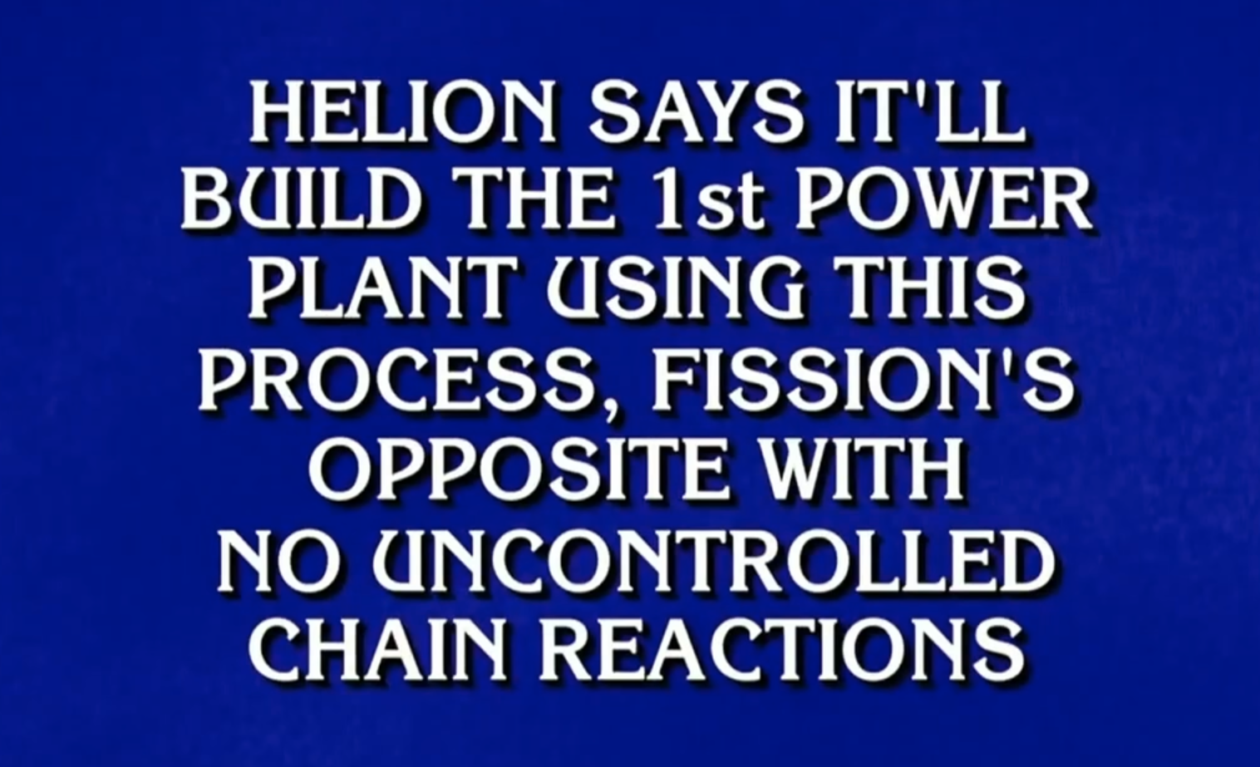
Helion Energy, the Everett-based fusion startup, gained mainstream attention this week after being featured as a clue on the popular game show "Jeopardy!". The $800 clue, part of a "Y Combinator" category, highlighted Helion's mission to build the first fusion power plant, bringing the concept of clean energy to a wider audience. CEO David Kirtley celebrated the "surreal" moment as a sign that reliable clean power is becoming more accessible.
Google Gemini Task Update: Automation Just Got Smarter
Google Gemini Task Update: Automation Just Got Smarter Verdict: Google's latest update to Gemini, focused on its task automation capabilities, is a significant step forward in user experience. By rebranding 'Spark' as

Turn Your Android Phone into a Powerful Desktop Replacement
Learn how to transform your Android phone into a full-fledged desktop computer using external displays and accessories, providing a cost-effective and integrated alternative to new Googlebooks.