
Google's Smart Home: A Pivotal Year for a Faltering Ecosystem
Google's Smart Home Line-up: A Critical Juncture Google's smart home ecosystem stands at a crucial crossroads in 2026. After years of what can only be described as stagnation and a significant erosion of user trust,
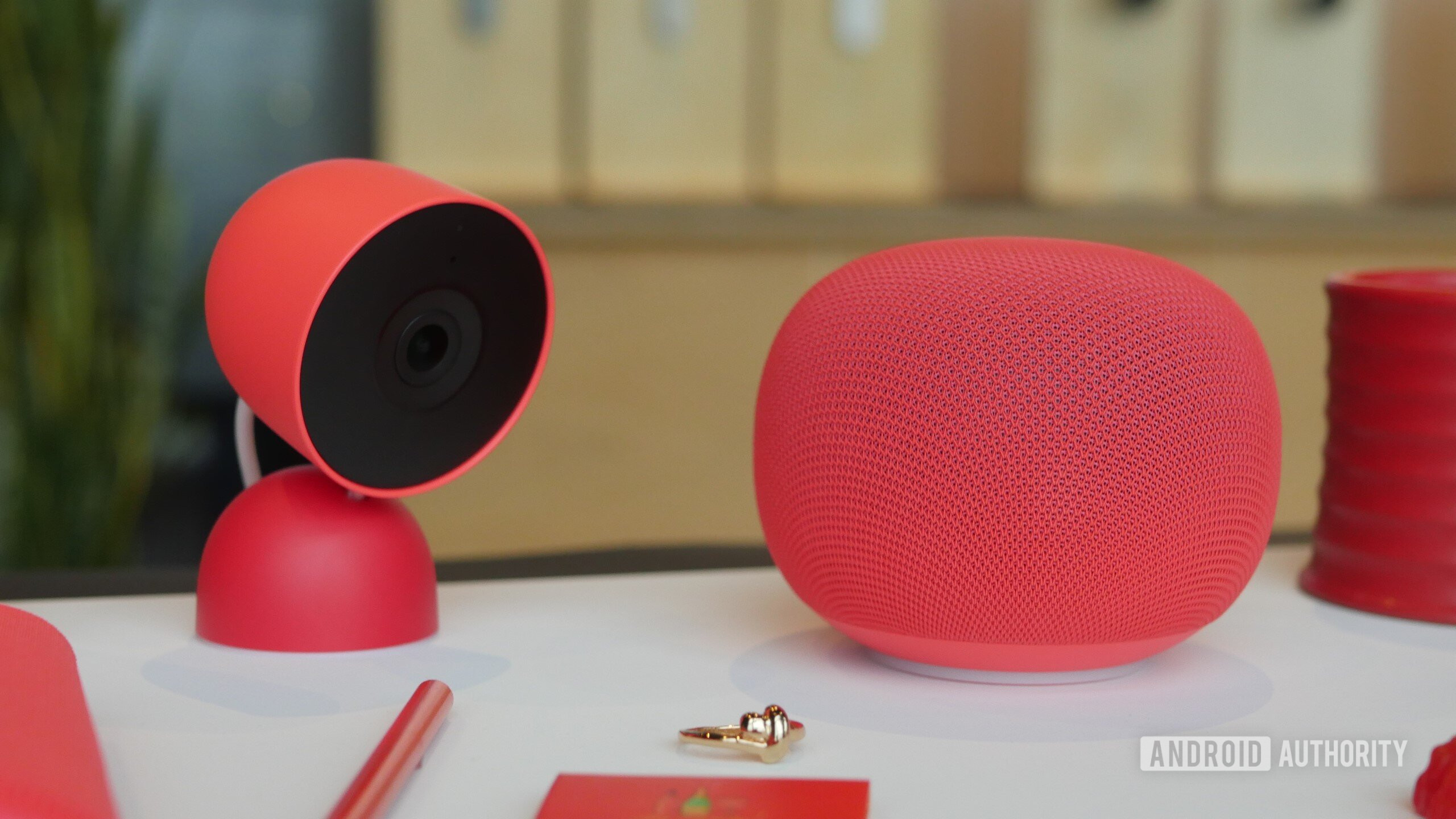
Google's Smart Home Line-up: A Critical Juncture
Google's smart home ecosystem stands at a crucial crossroads in 2026. After years of what can only be described as stagnation and a significant erosion of user trust, this year marks a make-or-break moment for the company's commitment to our connected homes. While new smart speakers, cameras, and a rumored display are on the horizon, the past performance, particularly with the preview of Gemini, leaves much to be desired. Google has a monumental task ahead: to rebuild goodwill, deliver genuinely reliable products, and prove it can offer a cohesive, supported smart home experience.
The Long Pause and Lingering Doubts
For many of us who invested heavily in Google's smart home vision, the past few years have been a test of patience. The ecosystem, in terms of significant new hardware, has been largely in limbo since 2024 with the introduction of the Google TV Streamer and Nest Learning Thermostat. Prior to that, the Pixel Tablet, Nest Wifi Pro, and Nest Doorbell were the only notable additions in a two-year span. Strikingly, it’s been since 2021 that Google last introduced a new smart speaker or display to market with the Nest Hub (2nd gen).
While the Google Home app saw laudable improvements in 2023, offering a better interface and enhanced automations, this solitary bright spot isn't enough to counteract the pervasive issues. We’re now three years on, and aside from the app and the introduction of Gemini, the ecosystem is plagued by persistent bugs and unreliability. User complaints, spanning everything from speakers to the voice assistant, have been deafening, underscoring a deep dissatisfaction that Google must address directly.
Gemini: Great Potential, Frustrating Reality
The promise of Gemini, Google's advanced AI, integrating seamlessly into smart speakers and displays is undoubtedly exciting. It suggests a future where voice assistants are more conversational, context-aware, and capable. However, the current preview experience on existing Google Home and Nest devices paints a far less rosy picture. Having personally engaged with the preview on my Nest Audios, Nest Hub (2nd gen), and Pixel Tablet, the experience has often felt like a step backward, leading to a strong desire for a “refund” of my time and patience.
Interactions with Gemini are characterized by frustrating slowness and an unpredictable nature that often surpasses Google Assistant's prior inconsistencies. Queries frequently take longer to process, and responses can be erratic – sometimes lengthy, sometimes brief, or simply an acknowledging beep for a smart home command. The consistency Assistant offered in answering questions about weather or calendar entries is gone, replaced by varied response structures that demand full attention. Annoyingly, the issue of the wrong speaker answering commands also persists.
Despite these significant hurdles, Gemini's potential is undeniable. I've encountered commands and received insightful answers previously unachievable with Assistant, moving beyond simple web page readouts. Yet, the current lack of fluidity and reliability makes for a subpar experience. A voice assistant should recede into the background, seamlessly assisting, not demanding focus or becoming a central point of frustration.
Gemini Live, with its vision of an ambient conversational partner, also holds immense promise. However, its current implementation is rudimentary, limited to single-language general information, lacking personal context or multi-account support – a critical flaw for multi-user households. Until Google refines the entire experience, addresses these repetitive bugs, and ensures a more fluid and reliable interaction, new hardware alone, like the forthcoming Home Speaker, is unlikely to secure a victory. My trust in Google's smart home vision has been significantly tested; I need tangible proof, not just promises.
Can Google Reclaim the Smart Display Market?
For many, including myself, a truly updated Google Home Display is high on the wish list, an ideal replacement for aging, unresponsive Nest Hubs. But Google's track record here is concerning. Dwindling support for existing Nest Hubs, the removal of valuable features, and the seemingly interminable, yet ultimately insignificant, rollout of Fuchsia OS have left a bitter taste. These missteps have allowed competitors like Amazon to forge ahead, cornering the smart display market with its consistently evolving Echo Show line-up.
To compete effectively, Google must deliver a new smart display that is undeniably faster and more responsive, capable of running apps beyond simple voice commands. It needs a sophisticated smart dashboard, perhaps inspired by Gemini’s Daily Brief and Spark, and integrated with the new Google Home favorites widget. Visual answers leveraging Gemini’s mobile capabilities are also essential. Crucially, any new display must come with a clear, long-term update commitment, akin to what Pixel phones receive, to assure users that their investment won't be abandoned within a couple of years.
Beyond Speakers and Displays: What's Next for Nest?
Google’s smart home hardware strategy appears to have narrowed significantly. After earlier attempts to expand the Nest brand into areas like security systems and door locks, the company seems to have consolidated its focus on its more popular offerings: cameras and thermostats. Alongside these, Nest Wifi routers and the Google TV Streamer remain.
While I don't necessarily advocate for an abundance of neglected Google hardware, there’s room for more compelling propositions within its chosen categories. For Nest Cams, a greater emphasis on privacy features, such as a physical privacy shutter and local video storage options, would be a welcome departure from the current cloud-and-subscription-reliant business model. My own choice to opt for a TP-Link Tapo camera, which offers local storage, highlights this unmet need. Additionally, a much-needed upgrade to the Nest Wifi routers is overdue to keep pace with modern Wi-Fi standards.
Meanwhile, the direction of the Google TV platform is equally concerning. Recent updates, introducing YouTube Shorts and more AI to the homescreen, are undesirable additions for many users. Such drastic changes risk alienating both consumers and TV manufacturers, many of whom have already started to move away from Google TV. If the user experience continues to deteriorate, even long-term adopters of the Streamer may seek alternatives.
Buying Recommendation
For those considering an investment in Google's smart home ecosystem, the current recommendation is to proceed with extreme caution, or preferably, to wait. While 2026 is touted as a pivotal year for new hardware, Google's historical inconsistency and the current state of Gemini in preview make it difficult to endorse a full dive in. The company must demonstrate a sustained commitment to reliability, software refinement, and long-term support across its entire line-up before it can genuinely earn back consumer trust. Until then, you might find yourself feeling, as I predict for the year, merely "whelmed" rather than genuinely impressed.
FAQ
Q: Is it a good time to buy new Google smart home products? A: Based on Google's recent track record and the current state of the Gemini preview, it's advisable to wait. This year is critical for Google to prove its renewed commitment to the smart home, and it's prudent to see if new products deliver a significantly improved, more reliable experience before investing.
Q: What are the main concerns with Google's smart home ecosystem right now? A: Key concerns include a lack of new hardware releases since 2021 (for speakers/displays), persistent bugs and unreliability across existing devices, a frustratingly slow and unpredictable Gemini preview experience, dwindling support for older devices like the Nest Hub, and questionable decisions regarding the Google TV platform.
Q: Are there any specific Google smart home products worth considering today? A: The source content focuses on the challenges of the ecosystem rather than highlighting current exemplary products. The Nest Learning Thermostat and Nest Cams (if you're comfortable with the cloud/subscription model) are established, but even for Cams, privacy-focused alternatives exist. Given the overall uncertainty, exercising caution across the board is recommended.
Related articles

Apple Unveils iPhone Duo: Pricey Foldable Sees Soaring Demand
Apple has officially entered the foldable smartphone arena with the long-anticipated launch of the iPhone Duo. Priced starting at a hefty $1,999, the device features a 5.4-inch outer display and a larger 7.6-inch inner
Android 17 QPR2 Beta 7.1: The Performance Relief You've Been Waiting
Android 17 QPR2 Beta 7.1: Finally Fixing the QPR1 Performance Woes Verdict: Android 17 QPR2 Beta 7.1 is a crucial and highly anticipated software update for Google Pixel users, specifically targeting and resolving the

DJI Solo Video Setups: Smart Choices for Lone Creators
This review delves into DJI's recommended solo video setups, highlighting the Osmo Pocket 3 Creator Combo as a top pick for its integrated camera, gimbal, and mic. It also covers stabilizers like the Osmo Mobile 8 and RS 4, and the DJI Mic Mini series for enhanced audio, providing honest pros, cons, and clear buying advice.

Ars Technica's Rocket Report: Your Essential Space Industry Briefing
Quick Verdict Ars Technica's Rocket Report, presented by veteran space reporter Stephen Clark, offers an invaluable and meticulously organized weekly (or similar frequency, implied by "Edition 9.15") digest of the most

Apple iPhone Duo: A Daring Debut with Notable Compromises
Apple's highly anticipated iPhone Duo, priced at $2,000, has gone on pre-order. While hailed as "Apple's most exciting device in a decade" for its innovative foldable design and immersive display, it comes with significant drawbacks like the absence of FaceID and a premium camera.
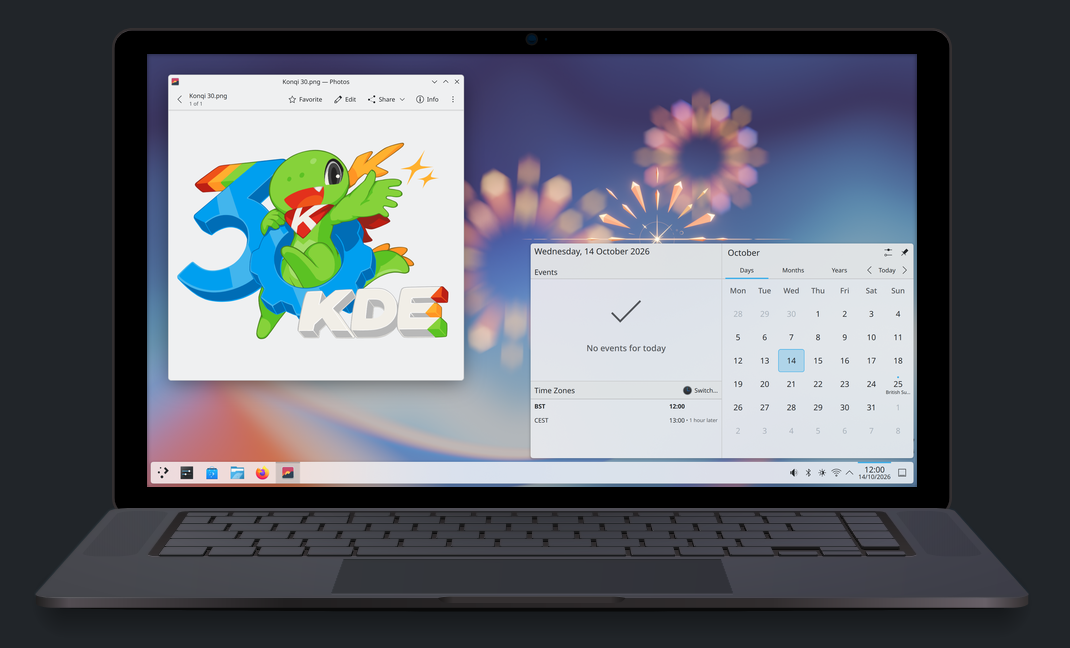
KDE Plasma 6.8: A Future-Focused 30th Anniversary Update
Quick Verdict KDE Plasma 6.8, arriving as the "30th Anniversary Edition," is a pivotal release that decisively pushes the desktop environment into the future. With a definitive farewell to native X11 sessions and a