
Gemini Live Search: Convenience Meets Concerning Privacy
Google's Gemini for Home AI is rolling out a significant, and potentially unsettling, upgrade: the ability to analyze live camera feeds from your compatible security cameras. This new "Live Search" feature promises

Google's Gemini for Home AI is rolling out a significant, and potentially unsettling, upgrade: the ability to analyze live camera feeds from your compatible security cameras. This new "Live Search" feature promises immediate answers about the current state of your home, but it comes with a hefty dose of privacy questions.
The Verdict: A Potentially Powerful Tool with Serious Privacy Caveats
Gemini for Home's Live Search offers unparalleled convenience, granting you instant, AI-powered insights into your home's real-time situation. Imagine asking your smart assistant if you left the garage door open or if a delivery has arrived – and getting an immediate, visual-based answer. However, this leap in capability also means a significant expansion of AI access into your most private spaces. The potential for continuous, live monitoring and the lack of clear policies regarding data usage and law enforcement access make this a feature that demands careful consideration before adoption.
What is Gemini for Home Live Search?
Initially, Google's Gemini for Home AI was limited to analyzing stored video clips from your security cameras. It could summarize motion activity, help locate objects in past footage, or notify you of specific events captured previously. The new Live Search, as announced by Google Home's Chief Product Officer Anish Kattukaran, dramatically shifts this paradigm. It enables Gemini to look at what your camera currently sees, analyze that live footage, and provide an explanation in real-time. For instance, you could query, "Hey Google, is there a car in the driveway?" and receive an immediate, AI-driven answer based on live visual data.
The User Experience: Immediate Insights, But For a Price
The core appeal of Live Search is its immediacy. Instead of reviewing recorded clips, users can get instant answers to questions about their home's present condition. This could be incredibly useful for checking on package deliveries, ensuring doors are closed, or simply monitoring pets from afar. The convenience is clear, transforming your static security camera into an active, intelligent observer. However, this advanced functionality isn't available to everyone. Access to Gemini for Home Live Search is exclusive to Google Home Premium Advanced subscribers, with plans starting at approximately $20 per month.
Beyond this live viewing capability, Google Home is also introducing other enhancements. These include a full rollout of Yale Smart Lock integration, promising more seamless smart home security, and improvements to Gemini for Home's casual conversation abilities, aiming for a more natural and intuitive user interaction.
The Elephant in the Room: Privacy and Data Concerns
The most significant aspect of Gemini's expansion into live camera feeds is the profound impact on user privacy. While asking an AI to search your video history is one thing, granting it on-demand access to live footage represents a considerable escalation.
Broad AI Access: Google's description indicates that Gemini for Home can utilize Live Search whenever questions relate to a home's "current state." This phrasing suggests broad access for the AI to your live camera feeds, raising questions about how frequently and under what circumstances the AI might be viewing your home.
AI Training and Data Usage: A critical, and often unstated, implication is that whenever Gemini for Home interacts with a Nest camera, the footage it accesses – whether stored or live – may be used for AI training purposes. While this helps refine and improve the AI's capabilities, it means that potentially sensitive live footage from inside or outside your home could contribute to a larger dataset without explicit, granular control over specific instances.
Law Enforcement Access: Google's past actions provide a precedent for concern. Notably, Google Nest previously recovered what was thought to be deleted cloud footage from a Nest camera to assist law enforcement in the Nancy Guthrie missing person case. This history underscores the potential for security camera data to be shared with authorities. However, it remains unclear whether the new Live Search feature would allow Gemini for Home to access cameras on demand in response to law enforcement requests. Google has not yet clarified how live camera feeds might be handled in such situations, nor whether the Live Search feature can be disabled independently.
Lack of Transparency: Many details surrounding the activation and management of Live Search have not been fully disclosed. Users are left to wonder about the scope of access, the specific conditions under which live feeds are analyzed, and the extent of their control over this highly personal data stream.
Comparing Privacy Considerations
While Gemini Live Search is a unique offering, concerns about AI accessing security cameras on demand are not new. Similar privacy debates have emerged with other smart home security features:
- Ring's Pet-Finding Search Party: This feature, which allowed users to find their pets in stored video, also sparked privacy discussions regarding the scope of AI analysis of personal footage.
- Flock Safety Surveillance: These surveillance systems, often used by communities or law enforcement, have generated significant controversy over the extent of data collection and access by authorities.
It's important to note that the source material indicates Google Nest has not entered into contracts with surveillance companies like Flock, unlike Ring's cut-short partnerships in some areas. However, the past instance of Google providing footage to police in a high-profile case highlights the broader context of data sharing potential. These examples serve to frame the heightened sensitivity around any feature that grants AI, and by extension, a tech company, direct access to live camera feeds.
Pros and Cons of Gemini Live Search
Pros:
- Immediate Answers: Get real-time information about your home's current state.
- Enhanced Convenience: Ask natural language questions for quick visual verification.
- Improved Home Monitoring: Better awareness of activities and conditions around your property.
Cons:
- Significant Privacy Concerns: Broad AI access to live, intimate footage of your home.
- AI Training Data: Live camera feeds may be used to train AI models.
- Unclear Law Enforcement Policies: No explicit clarification on how live feeds might be handled in police requests.
- Subscription Cost: Requires Google Home Premium Advanced at $20+ per month.
- Lack of Transparency: Limited details on how the feature is managed and controlled by users.
Buying Recommendation
Gemini for Home Live Search represents a fascinating step forward in smart home technology, offering a level of real-time interaction that was previously unavailable. The convenience it offers is undeniable, providing instant, AI-powered visual answers to your home-related questions.
However, the privacy implications are substantial and, at this stage, largely unaddressed by Google. The potential for live footage to be constantly accessed by AI, used for training purposes, and potentially shared with law enforcement without clear, user-friendly controls is a significant hurdle.
For early adopters and those prioritizing convenience above all else, and who are comfortable with the existing level of trust in Google's data handling, this feature might be appealing.
For the vast majority of users, especially those with privacy concerns, we recommend extreme caution. It would be prudent to wait until Google provides more transparent and robust policies regarding:
- User control: Can Live Search be easily disabled or its access limited?
- Data usage: Clear opt-in/opt-out for AI training on live feeds.
- Law enforcement access: Explicit protocols for how live feeds are handled in response to official requests.
Until these clarifications are made, the potential convenience of Live Search simply does not outweigh the significant privacy risks for many households. Evaluate your personal comfort with constant, AI-driven visual surveillance before subscribing to this advanced feature.
FAQ
Q: What exactly is Gemini for Home Live Search? A: Gemini for Home Live Search is a new feature that allows Google's AI to analyze live video feeds from your compatible security cameras (like Nest cameras) in real-time. This enables it to answer questions about the current state of your home, such as whether a car is in the driveway.
Q: Is the Live Search feature free to use? A: No, access to Gemini for Home Live Search is exclusive to subscribers of Google Home Premium Advanced, with plans starting at approximately $20 per month.
Q: What are the main privacy concerns associated with Live Search? A: Key privacy concerns include the AI's broad access to live footage of your home, the potential for this footage to be used for AI training purposes, and the lack of clear policies from Google regarding how these live feeds might be handled in response to law enforcement requests.
Related articles
Android 17 QPR2 Beta 7.1: The Performance Relief You've Been Waiting
Android 17 QPR2 Beta 7.1: Finally Fixing the QPR1 Performance Woes Verdict: Android 17 QPR2 Beta 7.1 is a crucial and highly anticipated software update for Google Pixel users, specifically targeting and resolving the

DJI Solo Video Setups: Smart Choices for Lone Creators
This review delves into DJI's recommended solo video setups, highlighting the Osmo Pocket 3 Creator Combo as a top pick for its integrated camera, gimbal, and mic. It also covers stabilizers like the Osmo Mobile 8 and RS 4, and the DJI Mic Mini series for enhanced audio, providing honest pros, cons, and clear buying advice.

Ars Technica's Rocket Report: Your Essential Space Industry Briefing
Quick Verdict Ars Technica's Rocket Report, presented by veteran space reporter Stephen Clark, offers an invaluable and meticulously organized weekly (or similar frequency, implied by "Edition 9.15") digest of the most

Apple iPhone Duo: A Daring Debut with Notable Compromises
Apple's highly anticipated iPhone Duo, priced at $2,000, has gone on pre-order. While hailed as "Apple's most exciting device in a decade" for its innovative foldable design and immersive display, it comes with significant drawbacks like the absence of FaceID and a premium camera.

Amazon Prime Video Launches AI-Powered Prime 360 for NBA Coverage
Amazon Prime Video is elevating its NBA coverage with the introduction of Prime 360, an AI-powered replay system offering immersive, 'fly through' views of the action. Kicking off its second season, Prime Video also adds Yahoo fantasy integration and gains exclusive Eastern Conference Finals rights, expanding its tech-driven sports broadcast. The new features aim to deliver a unique and interactive viewing experience for basketball fans.
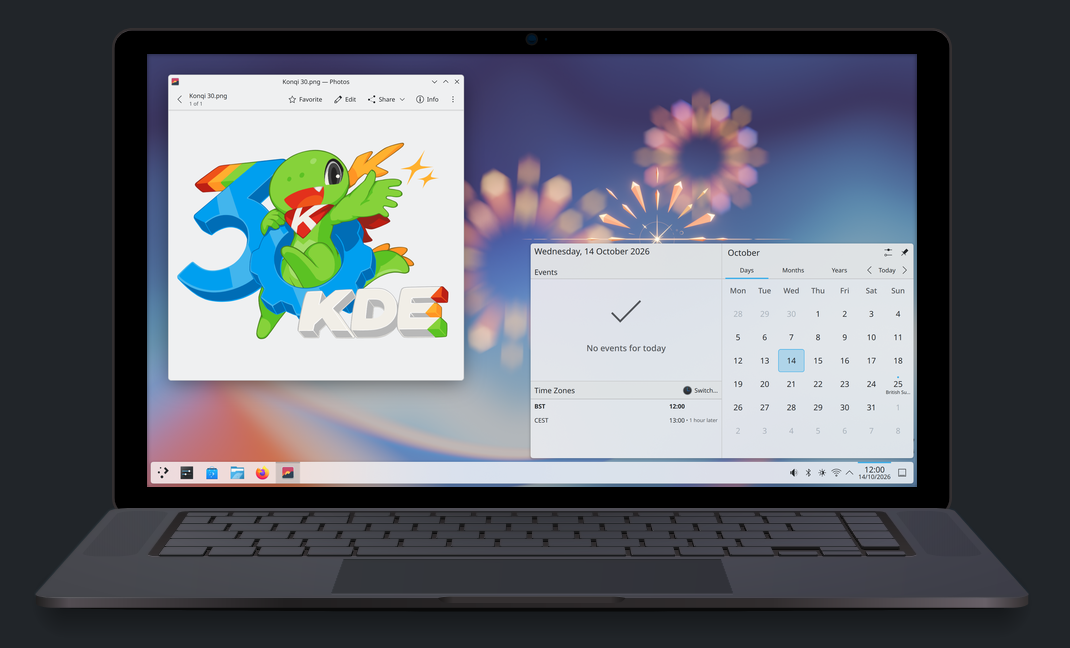
KDE Plasma 6.8: A Future-Focused 30th Anniversary Update
Quick Verdict KDE Plasma 6.8, arriving as the "30th Anniversary Edition," is a pivotal release that decisively pushes the desktop environment into the future. With a definitive farewell to native X11 sessions and a