
Bean's Inceptin Receptor Bio-Defense: A Promising Natural Shield
Quick Verdict Imagine a plant that not only detects when it's being eaten but actively calls in aerial reinforcements to deal with the threat. That's essentially what researchers have uncovered in common bean plants.
Quick Verdict
Imagine a plant that not only detects when it's being eaten but actively calls in aerial reinforcements to deal with the threat. That's essentially what researchers have uncovered in common bean plants. The discovery of a specific immune receptor, dubbed the inceptin receptor, acts as a crucial early warning system, enabling beans to deploy sophisticated, targeted defenses against herbivorous pests like caterpillars. While still in the realm of foundational science, this biological “product” offers an incredibly promising blueprint for sustainable agriculture, potentially reducing our reliance on chemical pesticides by leveraging nature's own ingenious security protocols.
The "Product": Bean's Inceptin Receptor Bio-Defense
At its core, this isn't a gadget you buy, but rather a revolutionary insight into plant immunology that could reshape pest management. The “product” here is the elegant biological mechanism by which common bean plants identify caterpillar attacks and respond by summoning predatory wasps. For decades, scientists knew plants emitted volatile organic compounds (VOCs) to attract predators, but the initial detection mechanism remained a mystery. Now, a team led by Adam Steinbrenner has pinpointed the crucial piece of the puzzle: a specialized immune receptor.
Key Details & Functionality
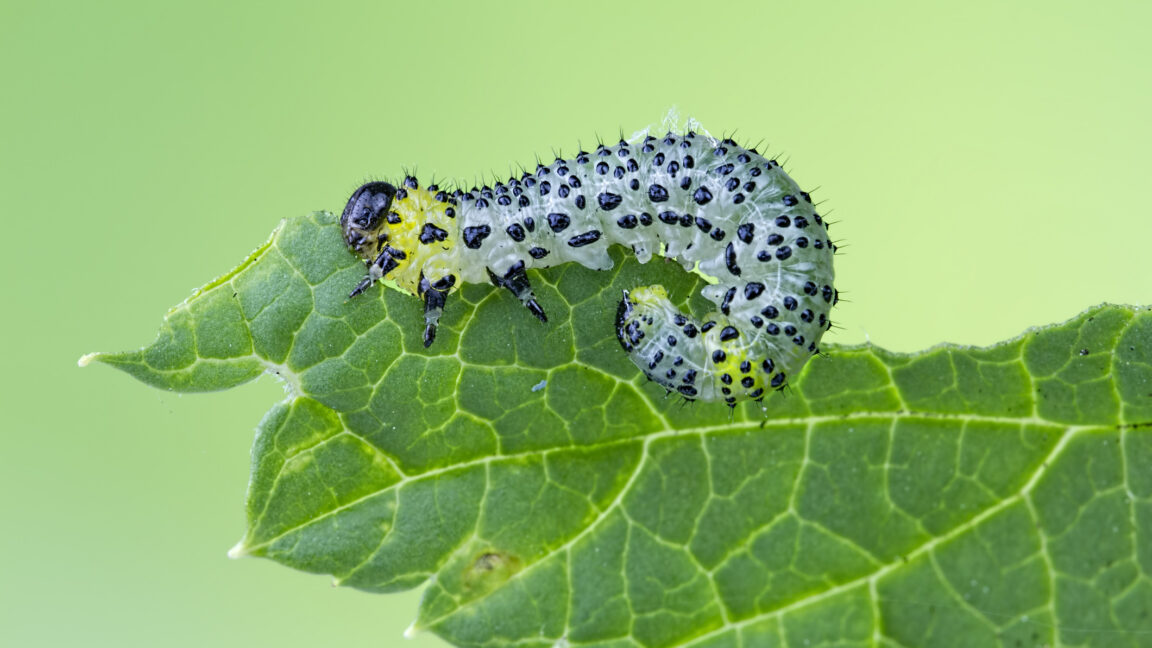
This sophisticated defense system revolves around a specific molecular interaction. When caterpillars feed on a bean plant, their saliva introduces "herbivore-associated molecular patterns" (HAMPs) into the damaged tissue. One key HAMP is a peptide called inceptin, specifically an 11-amino acid fragment known as In11. Intriguingly, In11 is a byproduct of the caterpillar's digestion of the plant's own chloroplast proteins, regurgitated back onto the leaf.
The common bean plant has evolved a dedicated cell-surface sensor, the inceptin receptor, to detect these minute concentrations of In11. Upon detection, this receptor initiates a signaling cascade within the plant's cells, triggering a multi-faceted immune response. This includes:
- Direct Defenses: The plant up-regulates over 500 genes associated with anti-herbivore responses, making its leaves less palatable and inhibiting caterpillar growth. Field tests showed caterpillars on plants with a dysfunctional receptor grew over 70% faster.
- Indirect Defenses (Calling for Aid): The plant synthesizes and emits a highly specific blend of volatile organic chemicals. This particular scent profile signals to parasitic wasps not just that a plant is damaged, but that a caterpillar is actively feeding, effectively broadcasting a targeted distress signal for aerial support.
System Performance and Efficacy
The research demonstrated the profound impact of this inceptin receptor. Through painstaking selective breeding (due to the difficulty in genetically modifying beans), researchers created sibling plants that were genetically identical except for the presence or absence of a functional inceptin receptor. The results were stark.
Plants with a working receptor mounted a rapid, targeted defense. They significantly hampered caterpillar growth by activating specific anti-herbivore genes. Crucially, they emitted the distinct volatile blend that attracted predatory wasps. In field trials in Oaxaca, Mexico, these wasp “airstrikes” disproportionately targeted the plants sending out these chemical cues, effectively removing the caterpillar threat.
In contrast, bean plants lacking the functional inceptin receptor were essentially blind to the caterpillar attack. They reacted merely as if mechanically wounded, failing to trigger specific anti-herbivore genes or emit the predator-summoning VOCs. While not entirely defenseless (other general immune pathways exist), their specific, targeted response was absent, leaving them far more vulnerable.
Pros & Cons
Pros:
- Highly Targeted & Natural Defense: Utilizes a plant's inherent immune system to specifically detect and respond to a feeding herbivore, offering precision not seen in broad-spectrum chemical interventions.
- Eco-Friendly Potential: By recruiting natural predators, this mechanism could significantly reduce the need for synthetic pesticides, benefiting biodiversity and environmental health.
- Reduced Pest Damage: Demonstrably slows caterpillar growth and attracts natural enemies, leading to more resilient crops.
- Deepens Biological Understanding: Unlocks fundamental knowledge about plant-insect interactions and plant immunity, opening doors for future bio-engineering.
Cons:
- Complex Implementation: Current methods for modifying bean plants are laborious (selective breeding took years), indicating that widespread application through genetic engineering would be challenging.
- Specificity Concerns: The study focused on a generalist herbivore (beet armyworm). It’s unclear if specialist pests, which often evolve countermeasures, can bypass or "fool" this alarm system.
- Incomplete Picture: The exact downstream signaling pathway that translates receptor activation into VOC production is not yet fully understood.
- Relative Importance: The balance between direct leaf defenses and indirect wasp recruitment needs further investigation to optimize future strategies.
Comparison to Alternatives
Current pest management heavily relies on chemical pesticides. While effective, these often have drawbacks such as environmental impact, harm to non-target species, development of pest resistance, and potential health concerns. The bean plant's bio-defense system presents a stark contrast:
- Pesticides: Broad-spectrum, synthetic, can harm beneficial insects, environmental persistence, resistance development.
- Inceptin Receptor Bio-Defense: Highly specific, natural (biomimicry), recruits natural predators, environmentally benign, leverages co-evolutionary defense mechanisms.
This research isn't a direct competitor product but rather a foundational technology that could inspire a new generation of pest control strategies, moving from chemical warfare to biological intelligence. The goal, as researcher Adam Steinbrenner notes, is to “use the best receptors and the best volatiles from lots of different plants” to confer immunity to problematic pests in a targeted way.
Buying Recommendation
Given its early stage as a scientific discovery rather than a commercial product, a "buying recommendation" takes on a different meaning. This research warrants significant investment and continued development. For agricultural scientists, biotech firms, and policymakers, this is a clear call to action: invest heavily in understanding, developing, and deploying plant-based immune systems for crop protection.
This bio-defense mechanism offers a sustainable, environmentally friendly path forward for agriculture. While the path to widespread application – whether through advanced selective breeding, gene editing, or even external application of targeted peptides/VOCs – is long and complex, the foundational science is incredibly robust and compelling. It represents a paradigm shift from reactive chemical interventions to proactive, biologically integrated pest management. The long-term benefits for food security, environmental health, and reduced chemical dependency are immense, making this a highly recommended area for continued research and eventual implementation.
FAQ
Q: Could this lead to "super plants" that don't need pesticides?
A: The ultimate goal is to equip crops with enhanced natural immunity, significantly reducing the need for chemical pesticides. By understanding and potentially transferring these robust defense systems, we could develop more resilient crop varieties. However, it's a complex biological system, and developing a completely pesticide-free solution for all pests would likely require combining multiple such biological strategies.
Q: How soon could we see this applied in real-world farming?
A: The researchers used years of selective breeding to isolate the receptor. While the scientific understanding is now clearer, translating this into widely adopted agricultural practices will take time. Future methods like advanced genetic engineering could accelerate the process, but significant research and development, along with regulatory considerations, are still required. It's a long-term vision, not an immediate commercial product.
Q: Are there any risks to introducing plants with enhanced bio-defense mechanisms?
A: As with any biological intervention, thorough environmental impact assessments would be crucial. Concerns might include unintended effects on non-target insects, changes in plant-ecosystem dynamics, or the potential for pests to evolve new ways to bypass these enhanced defenses. However, because this leverages natural plant mechanisms, the risks are generally considered lower than those associated with broad-spectrum chemical pesticides, and research aims to ensure specificity and sustainability.
Related articles
Android 17 QPR2 Beta 7.1: The Performance Relief You've Been Waiting
Android 17 QPR2 Beta 7.1: Finally Fixing the QPR1 Performance Woes Verdict: Android 17 QPR2 Beta 7.1 is a crucial and highly anticipated software update for Google Pixel users, specifically targeting and resolving the

DJI Solo Video Setups: Smart Choices for Lone Creators
This review delves into DJI's recommended solo video setups, highlighting the Osmo Pocket 3 Creator Combo as a top pick for its integrated camera, gimbal, and mic. It also covers stabilizers like the Osmo Mobile 8 and RS 4, and the DJI Mic Mini series for enhanced audio, providing honest pros, cons, and clear buying advice.

Ars Technica's Rocket Report: Your Essential Space Industry Briefing
Quick Verdict Ars Technica's Rocket Report, presented by veteran space reporter Stephen Clark, offers an invaluable and meticulously organized weekly (or similar frequency, implied by "Edition 9.15") digest of the most

Apple iPhone Duo: A Daring Debut with Notable Compromises
Apple's highly anticipated iPhone Duo, priced at $2,000, has gone on pre-order. While hailed as "Apple's most exciting device in a decade" for its innovative foldable design and immersive display, it comes with significant drawbacks like the absence of FaceID and a premium camera.

KDE Plasma 6.8: A Future-Focused 30th Anniversary Update
Quick Verdict KDE Plasma 6.8, arriving as the "30th Anniversary Edition," is a pivotal release that decisively pushes the desktop environment into the future. With a definitive farewell to native X11 sessions and a
Galaxy Watch One UI 9 Beta: Promising Progress, But Patience Needed
Galaxy Watch 8, Watch Ultra, and Watch 7 are receiving a new One UI 9 Watch beta build with bug fixes and a security patch. Active development signals progress, but a stable release date remains elusive.