
Fitness Trackers & Tattoos: The Complicated Truth
The last thing anyone wants after investing in a new wearable is to discover it's fundamentally incompatible with their own body. For individuals with tattoos, particularly on their wrists, this has been a recurring and
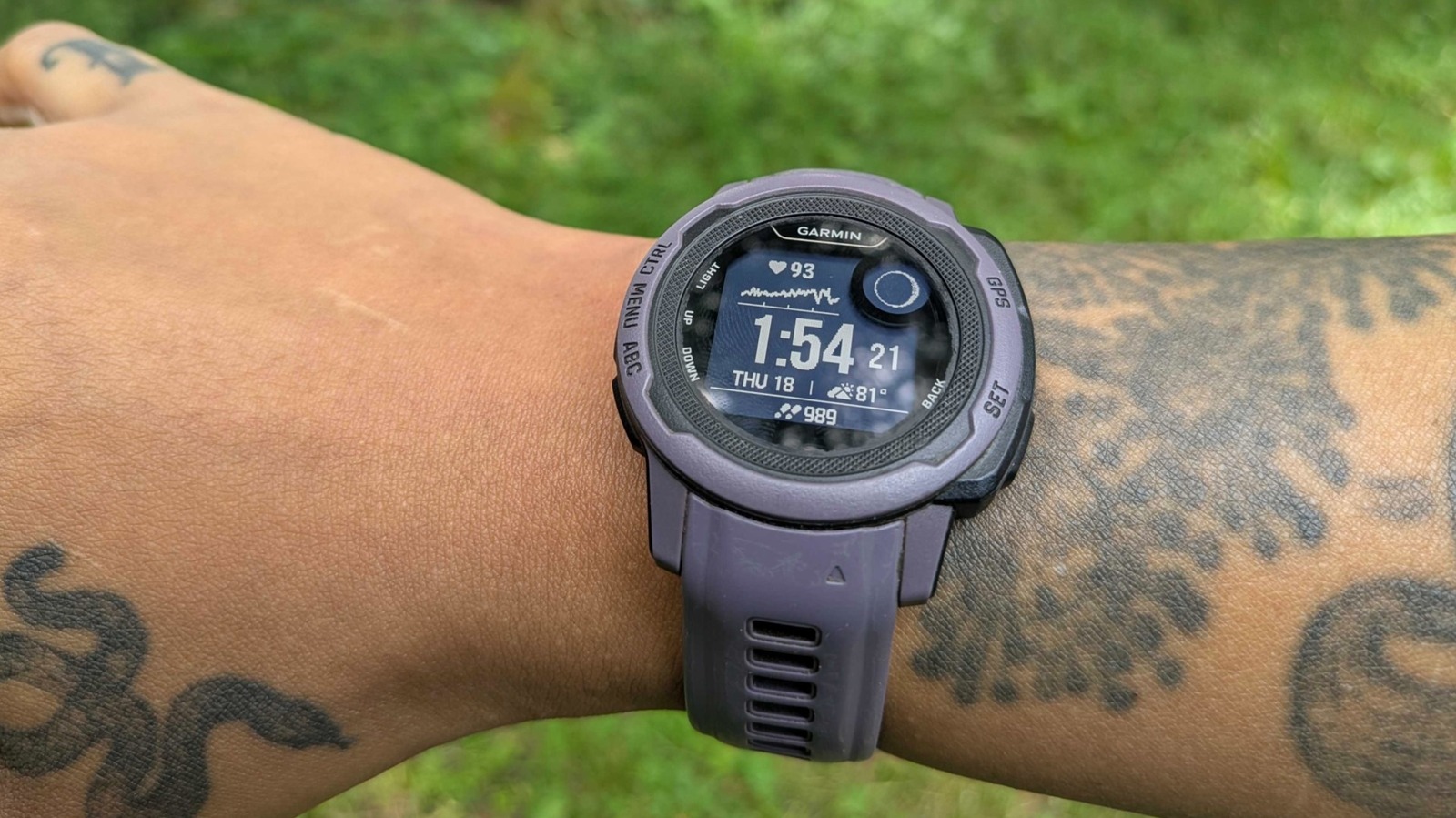
The last thing anyone wants after investing in a new wearable is to discover it's fundamentally incompatible with their own body. For individuals with tattoos, particularly on their wrists, this has been a recurring and frustrating reality. The quick verdict? Fitness trackers can work if you have tattoos, but it's often a complicated affair, riddled with potential inaccuracies and the need for workarounds.
The Core Problem: How Tattoos Disrupt Wearable Tech
At the heart of the issue lies the technology these devices employ. Most fitness trackers and smartwatches rely on a light-based technique called photoplethysmography (PPG) to measure your heart rate. This is the green light you often see emitted from the underside of your device. This light penetrates the skin, measures blood flow by detecting changes in light absorption, and then calculates your pulse. However, tattoo ink, with its varying colors, patterns, and saturation levels, can interfere with this light. It can block the light's path or alter its reflection, leading to inaccurate or completely missing readings.
Beyond heart rate, tattoos can also impede wrist detection, a crucial feature that uses lights, accelerometers, and electrical sensors to determine if the device is actually being worn. If a tracker struggles to register that it's on a tattooed wrist, users might find themselves constantly unlocking the device, a significant hit to the overall user experience.
Manufacturers Acknowledge the Challenge
This isn't just an anecdotal gripe from the tech community; device manufacturers themselves have acknowledged the problem. Garmin, for instance, explicitly states on its support pages: "Tattoos (ink, pattern, saturation) can block the heart rate sensor's light, causing inaccurate or missing readings." They advise users to wear their watches on skin free of tattoos if possible for optimal performance. Apple has issued similar warnings since the very first Apple Watch, highlighting that tattoo ink can affect performance.
The User Experience: Frustration and Inaccuracy
For tattooed users, the experience can range from mildly annoying to deeply frustrating. Imagine strapping on an expensive fitness tracker, eager to monitor your health, only to find erratic heart rate data during a workout or that the device constantly locks itself because it can't detect it's on your wrist. This undermines the very purpose of owning such a device and can lead to a sense of wasted money and unmet expectations.
Seeking Solutions: Workarounds and DIY Fixes
Despite the inherent challenges, the ingenious tech community has devised several workarounds, though none are truly ideal:
-
Relocation is Key: The simplest solution, if feasible, is to wear the device on an untattooed part of your body. This could mean switching to your other wrist if it's clear, or positioning the tracker on the inside of your wrist where the skin might be free of ink. While effective, this might feel unnatural if you're accustomed to wearing a watch on a specific wrist.
-
The Sticker/Tape Method: Surprisingly, many users have reported success by placing epoxy bottle cap stickers or layers of clear tape directly over the sensors on the back of the device. This seemingly simple fix has been chronicled across various forums, suggesting it somehow helps the light sensors bypass the tattoo interference. There are also reusable accessories designed with a similar principle in mind.
-
Chest Straps for Heart Rate: If accurate heart rate tracking is your primary concern and you're not adverse to a separate device, a chest strap monitor like the Polar H10 is a highly accurate alternative. These devices are generally considered more reliable than wrist-based optical sensors. However, they lack the convenience of an all-in-one wrist wearable and are typically worn only during workouts, not for continuous daily tracking.
The Tech Frontier: Are Devices Improving?
While the problem persists, there are glimmers of hope and ongoing developments. Anecdotal evidence from online communities suggests that Google's Pixel Watch 4 might be showing improved performance on tattooed skin compared to its predecessors. However, these are largely user reports and not definitive guarantees from the manufacturer.
Conversely, rumors of Samsung introducing updates to improve Galaxy Watch performance with tattoos a few years back haven't seemed to materialize into widespread relief, with many tattooed Galaxy Watch users still reporting issues. This highlights a broader need for more diverse research and development in sensor technology, not just for tattoos but also for other skin variations, as light-based sensors have also been found to be less reliable for people with darker skin tones.
The Science Speaks: Mixed Results and More Research Needed
Scientific inquiry into this issue is still relatively nascent. A study published in 2025 attempted to quantify how much tattoos interfere with sensor readings by comparing data from devices worn over tattooed versus non-tattooed skin. The results were nuanced:
- Inaccuracies Confirmed: The study did confirm that tattoos led to inaccuracies in heart rate readings.
- Activity Level Matters: The impact was most pronounced when participants were at rest, with the variation decreasing as exercise intensity increased.
- Inconsistency: Importantly, the researchers noted that in some cases, the presence of an arm tattoo had no effect on heart rate validity measurements at all. This suggests that variables like ink color, saturation, and depth play a significant, yet not fully understood, role.
Ultimately, the scientific community agrees that more in-depth research is required to fully understand the intricate dynamics between tattoo ink and optical sensors, paving the way for more robust technological solutions.
Buying Recommendation
If you have tattoos on your wrist and are considering a fitness tracker, proceed with caution. Be aware that you might encounter issues with heart rate accuracy and wrist detection. Your best bet is to:
- Consider Placement: If you have an untattooed area on one of your wrists, plan to wear the device there.
- Test Before Committing: If possible, try wearing a device for a short period before making a final purchase, or ensure the retailer has a generous return policy.
- Explore Workarounds: Be prepared to experiment with methods like clear stickers or tape over the sensors if you encounter problems.
- Prioritize Needs: If highly accurate, continuous heart rate monitoring is crucial, and your wrists are heavily tattooed, a chest strap might be a more reliable primary solution, perhaps paired with a smartwatch worn for other smart features on an untattooed limb.
Until sensor technology makes significant strides to reliably account for variations in skin pigmentation, those with tattoos may still need to navigate these challenges to get the most out of their wearables.
FAQ
Q: Can I still use a fitness tracker if I have tattoos on my wrist?
A: Yes, you can, but you may experience limitations and potential inaccuracies in heart rate monitoring and wrist detection. Many users find workarounds like wearing the device on an untattooed part of the wrist, switching to a different wrist, or using clear stickers over the sensors. It's often a matter of trial and error.
Q: What types of tattoos cause the most interference with fitness trackers?
A: Generally, tattoos with darker, denser, and more saturated ink are more likely to interfere with the light-based sensors. The specific pattern and depth of the ink can also play a role, as they can block or distort the light signals used by the device's optical sensors.
Q: Are there any fitness trackers or smartwatches specifically designed to work better with tattoos?
A: Currently, there are no fitness trackers definitively advertised or guaranteed by manufacturers to work flawlessly with tattoos. While some anecdotal reports suggest newer devices like the Pixel Watch 4 might perform better, these are not official claims. The underlying sensor technology still needs further development to consistently account for variations introduced by tattoo ink.
Related articles
Android 17 QPR2 Beta 7.1: The Performance Relief You've Been Waiting
Android 17 QPR2 Beta 7.1: Finally Fixing the QPR1 Performance Woes Verdict: Android 17 QPR2 Beta 7.1 is a crucial and highly anticipated software update for Google Pixel users, specifically targeting and resolving the

DJI Solo Video Setups: Smart Choices for Lone Creators
This review delves into DJI's recommended solo video setups, highlighting the Osmo Pocket 3 Creator Combo as a top pick for its integrated camera, gimbal, and mic. It also covers stabilizers like the Osmo Mobile 8 and RS 4, and the DJI Mic Mini series for enhanced audio, providing honest pros, cons, and clear buying advice.

Ars Technica's Rocket Report: Your Essential Space Industry Briefing
Quick Verdict Ars Technica's Rocket Report, presented by veteran space reporter Stephen Clark, offers an invaluable and meticulously organized weekly (or similar frequency, implied by "Edition 9.15") digest of the most

Apple iPhone Duo: A Daring Debut with Notable Compromises
Apple's highly anticipated iPhone Duo, priced at $2,000, has gone on pre-order. While hailed as "Apple's most exciting device in a decade" for its innovative foldable design and immersive display, it comes with significant drawbacks like the absence of FaceID and a premium camera.

KDE Plasma 6.8: A Future-Focused 30th Anniversary Update
Quick Verdict KDE Plasma 6.8, arriving as the "30th Anniversary Edition," is a pivotal release that decisively pushes the desktop environment into the future. With a definitive farewell to native X11 sessions and a
Galaxy Watch One UI 9 Beta: Promising Progress, But Patience Needed
Galaxy Watch 8, Watch Ultra, and Watch 7 are receiving a new One UI 9 Watch beta build with bug fixes and a security patch. Active development signals progress, but a stable release date remains elusive.