
macOS 27: The End of an Era, But Was the Hackintosh Already Gone
macOS 27 officially ends Intel Hackintosh support, but Apple Silicon Macs already made custom builds obsolete. Modern Macs offer superior performance, efficiency, stability, and value, making Hackintoshes irrelevant for new users.

Verdict: A Fond Farewell to the Hackintosh Era
macOS 27 officially closes the door on Intel-based Hackintoshes, marking the end of a nearly two-decade-long era for a passionate community. While this news might seem dramatic, the truth is that the Hackintosh had already largely outlived its purpose. Apple's impressive transition to Apple Silicon, coupled with increasingly competitive pricing and robust performance across its Mac lineup, has rendered the complex and often unstable world of custom macOS PCs all but obsolete. For most users today, investing in a genuine Mac offers a superior, more reliable, and often more cost-effective experience than attempting to resurrect a dying dream.
The Rise of a Rebellion: Why Hackintoshes Existed
To truly understand the significance of macOS 27's announcement, we need to rewind a decade or more. In that bygone era, Apple’s Mac computers were often prohibitively expensive, offered limited upgradeability, and lagged behind custom-built PCs in raw performance, especially for demanding professional workloads. This created a vacuum that the Hackintosh community eagerly filled.
For many developers, video editors, music producers, and hardware enthusiasts, the allure of macOS — with its acclaimed software ecosystem including Final Cut Pro, Logic Pro, and Xcode, alongside features like AirDrop — was undeniable. However, they wanted the freedom and power of custom-built hardware. A Hackintosh was a standard PC, meticulously assembled with compatible Intel processors and components, then configured with community-developed bootloaders like OpenCore to trick macOS into running. It was a challenging, often finicky process, but it allowed users to achieve Mac Pro-level performance for a fraction of the cost, with the added bonus of being able to choose their own motherboard, swap graphics cards, upgrade storage, and overclock CPUs. It wasn't just about saving money; it was a rebellion against Apple's locked-down hardware, a testament to technological curiosity and determination.
Apple Didn’t Kill It; It Evolved Beyond It
The narrative might suggest that macOS 27 delivered the final blow to the Hackintosh, but that's not quite accurate. The true countdown began in 2020 with the introduction of Apple Silicon and the M1 chip. What initially seemed like another slow architectural transition quickly proved to be a revolutionary shift. Apple's custom processors delivered astounding performance-per-watt, setting new industry benchmarks for efficiency, thermals, and battery life, and steadily improving with each subsequent generation.
As Apple Silicon matured, macOS itself became increasingly optimized for its bespoke hardware. This created a widening chasm between Apple’s tightly integrated ecosystem and the generic PC components that Hackintoshes relied upon. While the Hackintosh community demonstrated remarkable adaptability, maintaining functionality on older macOS versions, the gap became too vast to bridge effectively. macOS 26 effectively became the final stop for traditional x86 Hackintoshes, and macOS 27 simply formalized this inevitable reality. Apple simply walked into a future where its operating system is inextricably linked to its own silicon.
The Script Flipped: Modern Macs Offer Unprecedented Value
One of the most compelling arguments for building a Hackintosh in the past was that the custom “copy” was often superior to the “original” Mac hardware, both in performance and cost. It was about getting more for less, or simply getting better hardware. Fast-forward to 2026, and this dynamic has completely reversed.
Today, Apple Silicon-powered Macs are among the most efficient and capable computers on the market. Their unified memory architecture provides impressive capabilities for professional workloads, and their battery life continues to lead the industry. The very reason people built Hackintoshes – the perception that Apple’s hardware was overpriced and underpowered – no longer holds true. In a surprising twist, Apple's own hardware has become genuinely difficult to beat, making the need for a DIY alternative largely irrelevant.
The Shift in Value: Hackintosh vs. Modern Mac
| Feature/Consideration | Hackintosh (Past Relevance) | Modern Mac (Apple Silicon) | Other ARM PCs (e.g., Snapdragon, NVIDIA RTX Spark) |
|---|---|---|---|
| Cost | Significantly cheaper than comparable Macs for similar/better performance. | Entry-level models (MacBook Neo, Air, Mac mini) are now highly competitive in price/performance; Pro models offer strong value for their power. | Potentially good value for general computing, but not a macOS alternative. |
| Performance | Often outperformed Macs of its era, especially with multi-GPU/high-core CPU configurations. | Exceptional performance-per-watt, strong CPU/GPU, leading efficiency, unified memory benefits for pro workloads. | Varies, but aim for strong performance and efficiency, often Windows-based. |
| Customization/Upgrades | High (motherboard, CPU, GPU, RAM, storage, cooling). | Limited to non-existent internal upgrades after purchase; external peripherals are key. | High (similar to traditional PC, depending on manufacturer). |
| Stability/Reliability | Prone to breakage with OS updates, complex troubleshooting, unofficial drivers. | Highly stable, seamless software/hardware integration, official support. | Generally stable within their OS environment. |
| Operating System | macOS (unofficially), with potential limitations and compatibility issues. | macOS (officially), designed specifically for the hardware. | Windows, Linux (not macOS). |
| Ease of Use | Very challenging to set up and maintain; steep learning curve. | Plug-and-play, user-friendly, consistent Apple ecosystem experience. | Varies by OS and manufacturer, generally user-friendly. |
| Overall Recommendation | Historically relevant for niche users, but now largely obsolete and not recommended for new builds. | The clear choice for anyone wanting a macOS experience today. | Good alternatives for non-macOS ARM computing, but not for running Apple's OS. |
Apple has addressed the previous market gaps effectively. The MacBook Neo now offers an accessible entry point. The MacBook Air remains a top recommendation for its portability, battery life, and balanced performance. For professionals, the MacBook Pro lineup, featuring M5 Pro and Max Silicon, easily tackles demanding tasks like video editing, software development, and AI workloads. Even the Mac mini has found new popularity, prized for its compact size, efficiency, and strong performance, making it a favorite for home labs and local AI projects.
The Unlikely ARM Hackintosh Dream
Naturally, the question arises: could the Hackintosh movement pivot to ARM? While Snapdragon laptops have been present for some time, and new NVIDIA RTX Spark laptops promise significant power, porting macOS to these platforms is a monumental hurdle. Apple Silicon isn't just a generic ARM chip; it's a deeply integrated, proprietary blend of custom hardware, software optimizations, and unique technologies. Replicating this intricate dance would be an engineering nightmare, far more complex than tricking an Intel chip. If the goal is to experience macOS on ARM hardware, simply purchasing a Mac is the overwhelmingly practical and sensible choice.
Out With a Chime: The Hackintosh Legacy
The Hackintosh era deserves its place in tech history as a remarkable testament to community, ingenuity, and a passion for pushing boundaries. It brought together countless enthusiasts who documented hardware compatibility, developed tools, and tirelessly helped others run macOS on machines Apple never intended. It fostered a spirit of freedom and proved that, with enough collective determination, seemingly impossible feats could be achieved.
Ironically, the Hackintosh was not vanquished by legal battles or aggressive software lockouts. Instead, it simply outlived the very problems it was designed to solve. Apple's strategic shift to Apple Silicon and its subsequent delivery of a compelling, value-rich hardware lineup gradually eroded the need for a Hackintosh. The practical advantages of building one steadily faded away, long before macOS 27 delivered its official eulogy. And in a way, that's perhaps the most fitting and peaceful end this unique chapter of tech history could have hoped for.
Buying Recommendation
For anyone considering building a Hackintosh today to run macOS, the unequivocal recommendation is to not bother. The era has truly passed. Modern Apple Silicon Macs offer vastly superior performance, efficiency, stability, and value, eliminating virtually all the reasons one might have considered a Hackintosh in the past. If you need macOS, buy a Mac. If you have an aging Intel PC and are looking for a new lease on life, consider a lightweight Linux distribution as a far more sensible and supported alternative. Your time, money, and sanity will thank you.
FAQ
Q: My existing Intel Hackintosh runs macOS 26. Will it stop working immediately with macOS 27?
A: Your existing Hackintosh running macOS 26 will continue to function as it does now. macOS 27 simply means you will not be able to upgrade to this new version or any subsequent versions, as Apple has officially dropped support for Intel Macs. Your system will become progressively more outdated in terms of software.
Q: Are there any reasons to still consider a Hackintosh, even if it runs an older macOS version?
A: For new builds, absolutely not. For existing Hackintosh owners, if your machine still meets your needs and you don't require the latest software features or security updates, you can continue using macOS 26. However, for most users, the benefits of upgrading to a modern, supported Apple Silicon Mac far outweigh the diminishing returns and increasing risks of running unsupported software on custom hardware.
Q: Could an ARM-based Hackintosh become a viable option in the future?
A: While theoretically possible, it is highly improbable. Apple Silicon's architecture is a complex, proprietary integration of hardware and software. Replicating this on generic ARM platforms like Snapdragon or NVIDIA RTX Spark would require monumental engineering effort, making it impractical and likely unstable. If you desire macOS on ARM, a genuine Mac is and will almost certainly remain the only viable option.
Related articles
Android 17 QPR2 Beta 7.1: The Performance Relief You've Been Waiting
Android 17 QPR2 Beta 7.1: Finally Fixing the QPR1 Performance Woes Verdict: Android 17 QPR2 Beta 7.1 is a crucial and highly anticipated software update for Google Pixel users, specifically targeting and resolving the

DJI Solo Video Setups: Smart Choices for Lone Creators
This review delves into DJI's recommended solo video setups, highlighting the Osmo Pocket 3 Creator Combo as a top pick for its integrated camera, gimbal, and mic. It also covers stabilizers like the Osmo Mobile 8 and RS 4, and the DJI Mic Mini series for enhanced audio, providing honest pros, cons, and clear buying advice.

Ars Technica's Rocket Report: Your Essential Space Industry Briefing
Quick Verdict Ars Technica's Rocket Report, presented by veteran space reporter Stephen Clark, offers an invaluable and meticulously organized weekly (or similar frequency, implied by "Edition 9.15") digest of the most
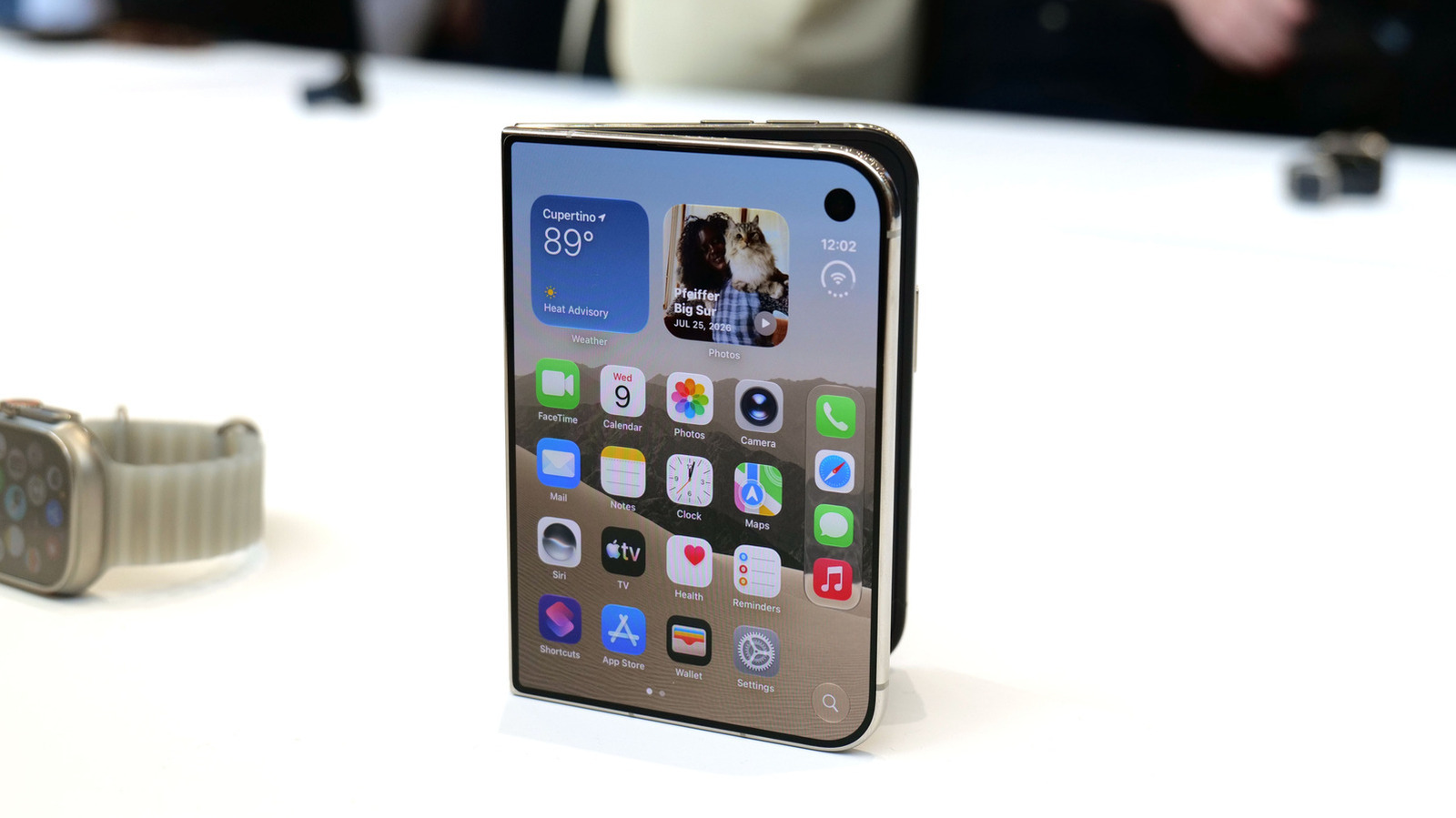
Apple iPhone Duo: A Daring Debut with Notable Compromises
Apple's highly anticipated iPhone Duo, priced at $2,000, has gone on pre-order. While hailed as "Apple's most exciting device in a decade" for its innovative foldable design and immersive display, it comes with significant drawbacks like the absence of FaceID and a premium camera.
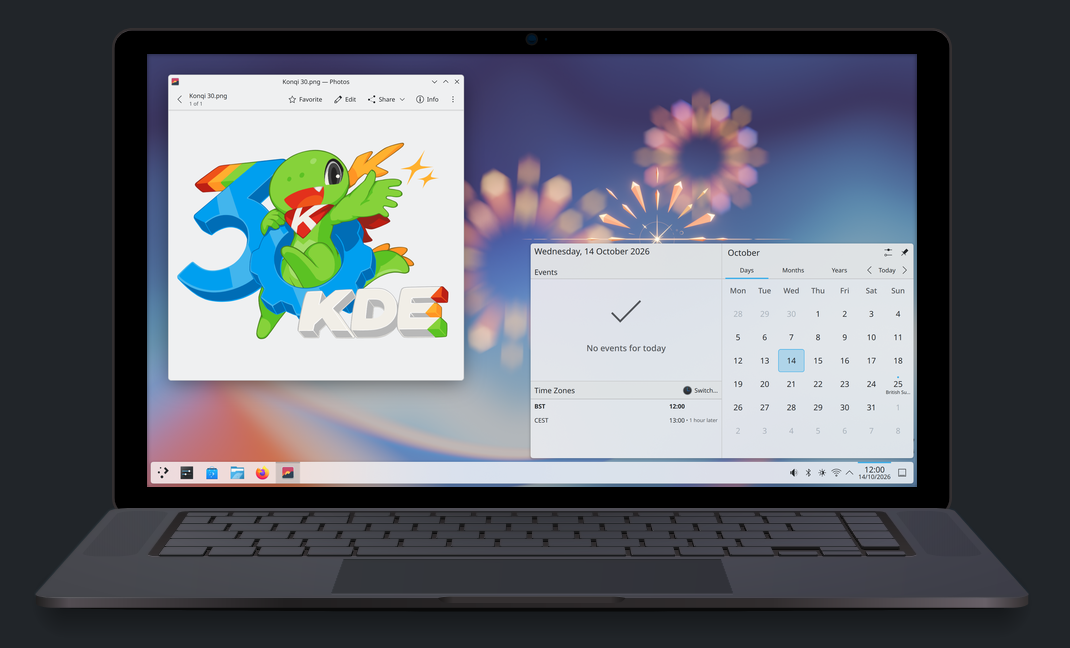
KDE Plasma 6.8: A Future-Focused 30th Anniversary Update
Quick Verdict KDE Plasma 6.8, arriving as the "30th Anniversary Edition," is a pivotal release that decisively pushes the desktop environment into the future. With a definitive farewell to native X11 sessions and a
Galaxy Watch One UI 9 Beta: Promising Progress, But Patience Needed
Galaxy Watch 8, Watch Ultra, and Watch 7 are receiving a new One UI 9 Watch beta build with bug fixes and a security patch. Active development signals progress, but a stable release date remains elusive.