
Android XR Smart Glasses: The Promise of a Turning Point
Quick Verdict: A Glimmer of Hope for Smart Glasses – If the Details Deliver The headline suggests a pivotal Android XR feature has finally convinced an experienced reviewer that smart glasses aren't a fruitless

Quick Verdict: A Glimmer of Hope for Smart Glasses – If the Details Deliver
The headline suggests a pivotal Android XR feature has finally convinced an experienced reviewer that smart glasses aren't a fruitless endeavor. This is significant, given the tech world's often skeptical view of this category. The promise of an Android-powered feature that truly makes smart glasses indispensable is exciting, hinting at a future where these devices move beyond novelty. However, without the specifics of this feature, our analysis remains largely conceptual. The core takeaway is that a strong, user-centric Android XR integration could indeed be the missing link, but the execution will be everything.
The Unfulfilled Promise: Smart Glasses' Rocky Road
For years, smart glasses have felt like a solution looking for a problem. From the early, ambitious, and often ridiculed Google Glass to the more recent, subtly integrated Meta Ray-Ban Stories, the journey has been fraught with challenges. Privacy concerns, clunky aesthetics, limited battery life, and a general lack of a truly compelling 'killer app' have kept them firmly in the niche category, if not outright relegating them to tech's graveyard of good intentions. Many, including myself, have approached each new iteration with a heavy dose of skepticism, wondering if they would ever genuinely enhance daily life rather than complicate it.
This is why the mere suggestion of an Android XR feature being convincing is noteworthy. Android's ubiquity and Google's deep ecosystem integration mean that if they can crack the code, it has the potential for widespread impact. It implies a seamless blend of digital information with our physical world, without the friction that has plagued previous attempts. The 'XR' designation (Extended Reality) further hints at capabilities beyond simple notifications or photo capture, suggesting a more immersive yet practical augmentation of reality.
Unpacking the Potential: What a Game-Changing Feature Could Be
While the specifics of this touted Android XR feature are not detailed in the provided content, an experienced reviewer can infer what it would need to achieve to be genuinely convincing. It likely addresses a critical pain point or unlocks a new level of convenience:
- Contextual Awareness & Predictive Assistance: Imagine a feature that intelligently overlays relevant information based on your surroundings or current activity. Walking into a new store, and discreet directions to the item you need appear. Looking at a historical landmark, and key facts about it are instantly visible. This requires sophisticated AI and spatial computing.
- Seamless Communication & Notifications: Moving beyond simply mirroring phone notifications, a truly effective feature would allow for hands-free, intuitive interaction – perhaps voice-controlled responses, glanceable summaries, or even subtle visual cues that guide your attention without distraction.
- Enhanced Productivity & Workflow: For professionals, this could mean accessing real-time data overlays in a manufacturing plant, receiving guided instructions during a repair, or collaborating with remote colleagues through shared AR experiences.
- Intuitive Interface & Interaction: The biggest hurdle has always been how users interact with smart glasses. A convincing feature must offer controls that feel natural – eye-tracking, subtle gestures, or highly accurate voice commands – reducing the learning curve and social awkwardness.
The key here is subtlety and utility. The best tech often disappears into the background, working effortlessly to enhance our lives. For smart glasses, this means providing valuable information or assistance without demanding constant attention or making the wearer look detached from their environment.
Design, Build Quality, and User Experience: The Unseen Essentials
Beyond the raw functionality of any feature, the physical embodiment of smart glasses remains paramount. While we lack specific product details, the success of any Android XR feature hinges on several factors related to design and user experience:
- Comfort and Wearability: Smart glasses must feel like regular glasses – lightweight, balanced, and comfortable for extended wear. Bulky designs are a non-starter.
- Aesthetics: Fashion and technology must converge gracefully. An Android XR device needs to blend in, not stand out. The less 'techy' it looks, the more likely it is to be adopted.
- Battery Life: A feature that convinces requires all-day battery life, minimum. Frequent recharging negates convenience.
- Display Quality and Field of View: The projected display needs to be bright, clear, and offer a sufficient field of view without being distracting or causing eye strain.
- Privacy Indicators: Clear, unambiguous indicators (like LED lights) are essential to address privacy concerns, especially for features involving cameras or microphones. Trust is built on transparency.
Pros and Cons of a Promising Future (Hypothetical)
Pros (of a truly convincing Android XR feature):
- Enhanced Information Access: Real-time, contextual data without pulling out a phone.
- Hands-Free Interaction: Improved efficiency for tasks requiring both hands or quick glances.
- Improved Accessibility: Potential for assistive technologies, navigation, and information delivery for diverse users.
- Seamless Digital Integration: Blending digital notifications and utilities into the physical world more naturally.
- Reduced Phone Addiction (Potentially): By offering glanceable information, it could reduce the need to constantly check a smartphone.
Cons (General smart glasses challenges & current information gap):
- Privacy Concerns: The 'always-on' nature of smart glasses still raises significant public and personal privacy questions.
- Social Acceptance: Overcoming the 'glasshole' stigma and making them socially acceptable remains a huge hurdle.
- Battery Life Limitations: Even with improvements, powerful XR features demand significant power.
- Cost: Cutting-edge technology often comes with a premium price tag, limiting adoption.
- Digital Distraction: The potential for information overload or constant digital nudges, leading to new forms of distraction.
- Lack of Concrete Details: The biggest 'con' in this review is the absence of specific information about this particular feature, making a true evaluation impossible. We're discussing potential, not proven utility.
Comparison to Alternatives: A New Niche?
The smart glasses market has seen various approaches. Meta's Ray-Ban Stories focus on social media capture and audio, prioritizing fashion and subtlety over a comprehensive AR experience. Apple's Vision Pro, while technically an advanced spatial computer, is a much larger, more immersive headset aimed at high-end productivity and entertainment, not daily, unobtrusive wear. Google Glass, in its initial form, was a pioneer but ultimately failed due to design, privacy issues, and a lack of clear purpose.
An impactful Android XR feature, if implemented within a sleek, comfortable form factor, could carve out a crucial middle ground. It wouldn't aim for the full immersion of Vision Pro but would offer more utility than simple camera glasses. It would represent an evolution of the smartphone experience, putting useful information directly in your line of sight, contextually aware, and integrated with the Android ecosystem that billions already use. This could bridge the gap between niche AR headsets and minimalist camera glasses, defining a new category of truly 'smart' daily eyewear.
Buying Recommendation: Cautious Optimism Required
Based solely on the CNET headline, the Android XR feature sounds like it could be a significant leap forward for smart glasses. The potential for seamless integration with the Android ecosystem, combined with genuinely useful XR capabilities, could indeed make them less 'pointless' and more 'indispensable.'
However, a buying recommendation must be tempered with reality: we lack the fundamental details. Before committing, consumers should wait for a full breakdown of the feature's capabilities, the specific hardware it runs on, real-world user reviews, battery life metrics, privacy implications, and, critically, the price. The history of smart glasses teaches us that the hype often outpaces the practical utility. While the concept is exciting, the devil, as always, will be in the details.
FAQ
Q: What exactly is an 'Android XR feature'?
A: 'Android XR' refers to Google's platform for Extended Reality experiences, encompassing virtual, augmented, and mixed reality. An 'Android XR feature' would be a specific function or capability designed to leverage this platform, likely integrated into smart glasses, to provide users with new ways of interacting with digital content in the real world.
Q: Why have smart glasses struggled to gain mainstream adoption?
A: Historically, smart glasses have faced challenges including bulky designs, short battery life, high costs, social acceptance issues (e.g., privacy concerns with cameras), and a lack of a truly compelling, everyday use case that justifies their cost and potential awkwardness. Many have felt like solutions without clear problems, or problems with clunky solutions.
Related articles

Apple Unveils iPhone Duo: Pricey Foldable Sees Soaring Demand
Apple has officially entered the foldable smartphone arena with the long-anticipated launch of the iPhone Duo. Priced starting at a hefty $1,999, the device features a 5.4-inch outer display and a larger 7.6-inch inner
Android 17 QPR2 Beta 7.1: The Performance Relief You've Been Waiting
Android 17 QPR2 Beta 7.1: Finally Fixing the QPR1 Performance Woes Verdict: Android 17 QPR2 Beta 7.1 is a crucial and highly anticipated software update for Google Pixel users, specifically targeting and resolving the

DJI Solo Video Setups: Smart Choices for Lone Creators
This review delves into DJI's recommended solo video setups, highlighting the Osmo Pocket 3 Creator Combo as a top pick for its integrated camera, gimbal, and mic. It also covers stabilizers like the Osmo Mobile 8 and RS 4, and the DJI Mic Mini series for enhanced audio, providing honest pros, cons, and clear buying advice.

Ars Technica's Rocket Report: Your Essential Space Industry Briefing
Quick Verdict Ars Technica's Rocket Report, presented by veteran space reporter Stephen Clark, offers an invaluable and meticulously organized weekly (or similar frequency, implied by "Edition 9.15") digest of the most

Apple iPhone Duo: A Daring Debut with Notable Compromises
Apple's highly anticipated iPhone Duo, priced at $2,000, has gone on pre-order. While hailed as "Apple's most exciting device in a decade" for its innovative foldable design and immersive display, it comes with significant drawbacks like the absence of FaceID and a premium camera.
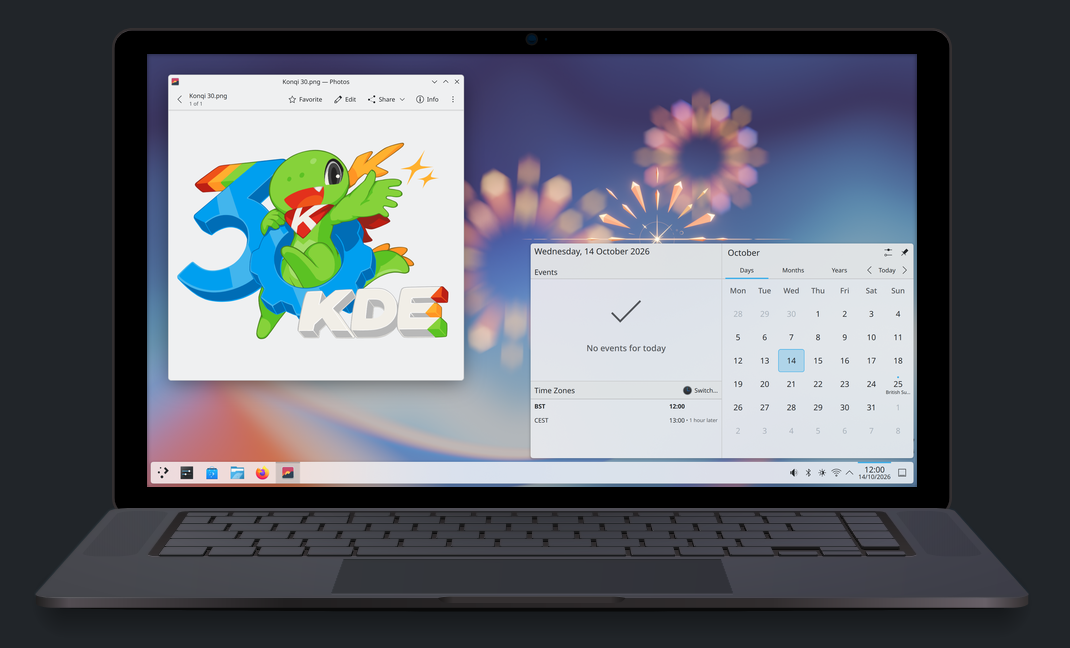
KDE Plasma 6.8: A Future-Focused 30th Anniversary Update
Quick Verdict KDE Plasma 6.8, arriving as the "30th Anniversary Edition," is a pivotal release that decisively pushes the desktop environment into the future. With a definitive farewell to native X11 sessions and a