
Windows 11: Growing Market Share, Persistent Headaches
Windows 11 is rapidly gaining market share, nearing 75% adoption, largely driven by new hardware and the end of Windows 10 support. Despite its growing presence, users face persistent buggy updates, feel a loss of control due to Microsoft's limitations, and some are even moving to macOS or Linux.
Windows 11: Growing Market Share, Persistent Headaches
Quick Verdict: Windows 11 is undeniably becoming the dominant force in the desktop OS landscape, now nearing three-quarters of the market. However, this adoption appears to be driven more by new hardware purchases and the end of Windows 10 support than a conscious user choice, with many users encountering a frustrating array of persistent bugs and feeling a loss of control over their systems due to Microsoft's increasingly stringent policies. While its market presence is growing, the current user experience is often marred by instability and forced upgrades.
The Shifting Sands of Desktop Dominance
Microsoft's latest operating system, Windows 11, has reached a significant milestone, now reportedly installed on nearly 75% of desktop PCs globally. According to StatCounter, Windows 11 holds a commanding 72.78% market share, a notable jump from just over 50% recorded in late 2025. This surge in adoption comes five months after Microsoft officially ended support for its predecessor, Windows 10, which has seen its active installs dwindle to just 26.27%. This is a stark contrast to its approximately 45% share in the same previous period and a far cry from the more than 80% dominance it once enjoyed.
This shift clearly indicates a changing landscape, but the underlying reasons for this rapid adoption are complex. It appears that a significant portion of Windows 11's growth isn't necessarily from users enthusiastically upgrading their existing systems. Instead, the increase is likely fueled by consumers purchasing new computers that come pre-installed with Windows 11, or by the unavoidable necessity as Windows 10 reaches its end-of-life. This passive adoption contrasts with a more deliberate embrace of a new operating system.
User Experience: Control, Limitations, and the Push for New Hardware
One of the most contentious aspects of the Windows 11 experience revolves around user control and Microsoft's increasingly firm stance on hardware and account limitations. Many users have sought out various workarounds to bypass these restrictions, but Microsoft has actively made these efforts more challenging. This has led to a palpable sentiment among some users that they are progressively losing agency over their own machines, a concern often voiced as big tech companies continue to redefine the concept of digital ownership.
Adding to this dynamic is Microsoft's strategic push for its new Copilot+ PCs, developed in collaboration with Qualcomm and launched in the summer of 2024. Despite this marketing push, there's been an interesting counter-trend: some former Windows 10 users, rather than upgrading to Windows 11 or buying these new AI-centric devices, are reportedly migrating to alternative operating systems such as macOS or various Linux distributions. This move suggests a segment of the user base is seeking different avenues to avoid the perceived limitations and frustrations of the Windows ecosystem.
The Buggy Reality: A Frequent Source of Frustration
Perhaps the most significant deterrent for current and potential Windows 11 users is the persistent stream of buggy updates released by Microsoft with what many consider to be frustrating frequency. These aren't just minor inconveniences; the issues range from the annoying to the potentially catastrophic. Users have reported harmless but noticeable glitches, such as a missing sign-in password icon, and more impactful problems like reduced gaming performance on specific Nvidia discrete GPUs.
More critically, some updates have led to severe issues, including the potential loss of data due to unintended BitLocker recovery, the complete inability to control one's PC within the Windows Recovery Environment, and in the most extreme cases, the computer outright refusing to boot after a security update. The severity and recurrence of these flaws have not gone unnoticed, prompting Microsoft to publicly promise earlier this year that it would address and fix Windows 11's most annoying flaws. However, the efficacy of this commitment remains to be seen, with users awaiting concrete improvements in the coming weeks.
Verdict: An Inevitable Future Marred by Current Flaws
Windows 11's ascent to market dominance seems all but guaranteed, driven by the natural upgrade cycle of hardware and the eventual discontinuation of older operating systems. Its increasing market share suggests it will be the platform most users encounter going forward. However, the current state of Windows 11 is far from perfect. Users are wrestling with restrictive policies, a feeling of diminished control, and, most prominently, a litany of recurring and often critical software bugs.
While the market numbers paint a picture of success, the everyday user experience often tells a different story of frustration and compromise. For those considering an upgrade or a new PC, Windows 11 is the path of least resistance. However, be prepared to navigate a system that, while modern in appearance, still has significant stability and user control issues that Microsoft has yet to fully resolve. The promise to fix these issues offers a glimmer of hope, but current users are still waiting for tangible improvements.
Pros:
- Rapidly gaining market share, becoming the standard desktop OS.
- Inevitability as Windows 10 support ends.
Cons:
- Increasingly difficult workarounds for hardware and account limitations.
- Users express a feeling of losing control over their machines.
- Frequent and often severe buggy updates.
- Specific issues include: missing sign-in icons, reduced gaming performance on some Nvidia GPUs, BitLocker recovery issues, inability to control PC in Windows Recovery Environment, and boot failures after updates.
- Push for Copilot+ PCs perceived by some as another forced direction.
Buying Recommendation
If you're buying a new PC today, you'll almost certainly get Windows 11. For those still on Windows 10, the decision to upgrade to Windows 11 is becoming less of a choice and more of a necessity as support for the older OS wanes. However, be aware that you're stepping into an ecosystem with a number of reported frustrations, particularly concerning buggy updates and Microsoft's control policies. If stability and user autonomy are paramount, and you're comfortable exploring alternatives, then macOS or Linux might offer a more stable and user-centric experience, as some former Windows 10 users are already doing. Otherwise, prepare for a system that is constantly evolving, sometimes for the better, sometimes for the worse, but which ultimately you will likely be using.
FAQ
Q: Is Windows 11 a mandatory upgrade for Windows 10 users?
A: While not strictly mandatory in the sense that your PC will stop working immediately, with Windows 10 support officially ended, an upgrade to Windows 11 or a move to an alternative OS becomes increasingly necessary for continued security updates and modern software compatibility.
Q: What are the main concerns users have with Windows 11?
A: Users frequently express concerns over Microsoft making it harder to work around hardware and account limitations, leading to a feeling of losing control over their devices. Additionally, the operating system is plagued by a frustrating frequency of buggy updates, which can range from minor annoyances to critical system failures and data loss risks.
Q: Why are some users switching to macOS or Linux instead of Windows 11?
A: Some former Windows 10 users are migrating to macOS or Linux primarily due to dissatisfaction with Windows 11's restrictive policies, the perceived loss of control over their machines, and the ongoing issues with frequent buggy updates. They are seeking alternative platforms that they believe offer greater stability or user autonomy, rather than embracing the new Copilot+ PCs or simply upgrading to Windows 11.
Related articles
Android 17 QPR2 Beta 7.1: The Performance Relief You've Been Waiting
Android 17 QPR2 Beta 7.1: Finally Fixing the QPR1 Performance Woes Verdict: Android 17 QPR2 Beta 7.1 is a crucial and highly anticipated software update for Google Pixel users, specifically targeting and resolving the

DJI Solo Video Setups: Smart Choices for Lone Creators
This review delves into DJI's recommended solo video setups, highlighting the Osmo Pocket 3 Creator Combo as a top pick for its integrated camera, gimbal, and mic. It also covers stabilizers like the Osmo Mobile 8 and RS 4, and the DJI Mic Mini series for enhanced audio, providing honest pros, cons, and clear buying advice.
Ars Technica's Rocket Report: Your Essential Space Industry Briefing
Quick Verdict Ars Technica's Rocket Report, presented by veteran space reporter Stephen Clark, offers an invaluable and meticulously organized weekly (or similar frequency, implied by "Edition 9.15") digest of the most
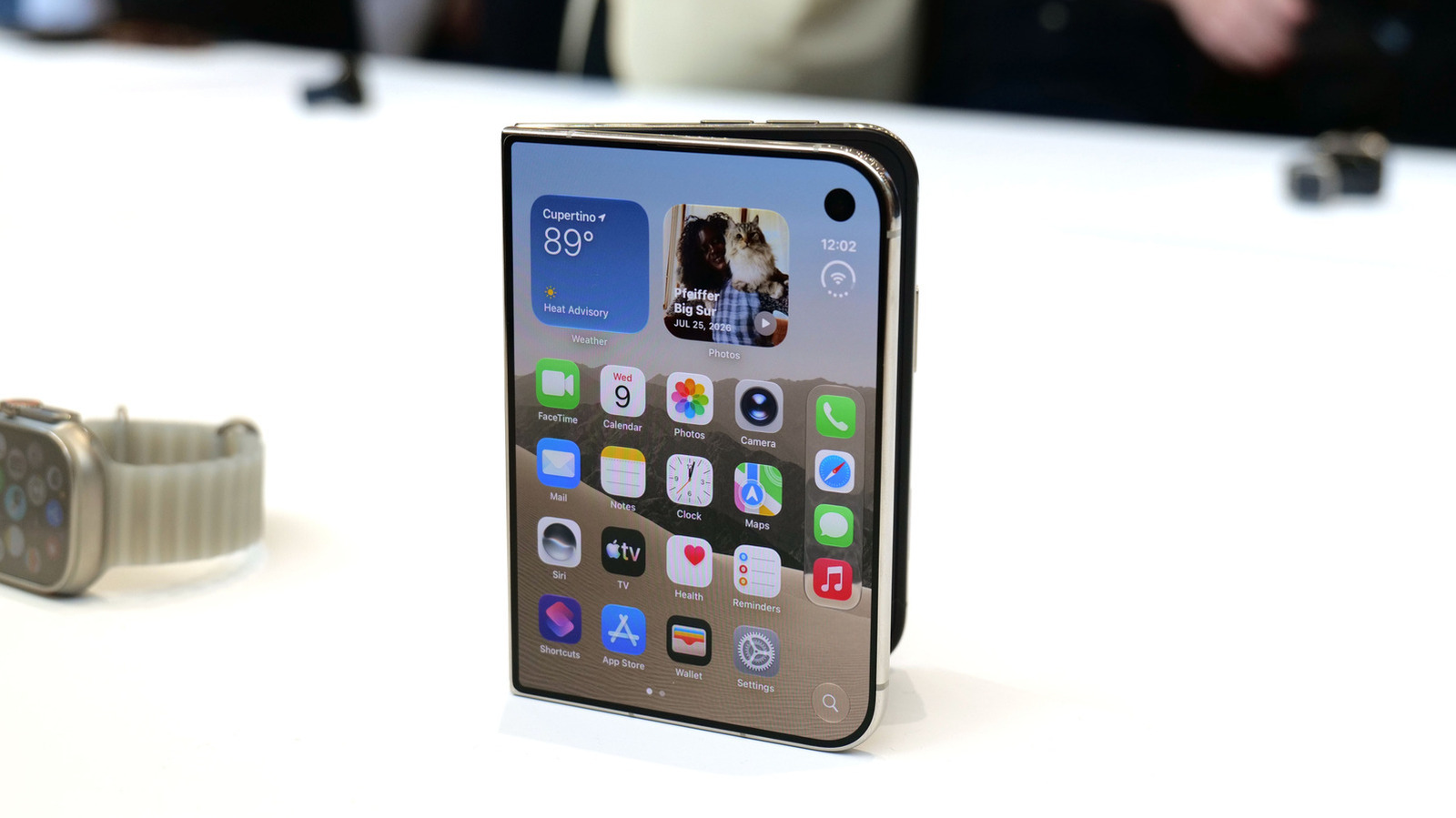
Apple iPhone Duo: A Daring Debut with Notable Compromises
Apple's highly anticipated iPhone Duo, priced at $2,000, has gone on pre-order. While hailed as "Apple's most exciting device in a decade" for its innovative foldable design and immersive display, it comes with significant drawbacks like the absence of FaceID and a premium camera.
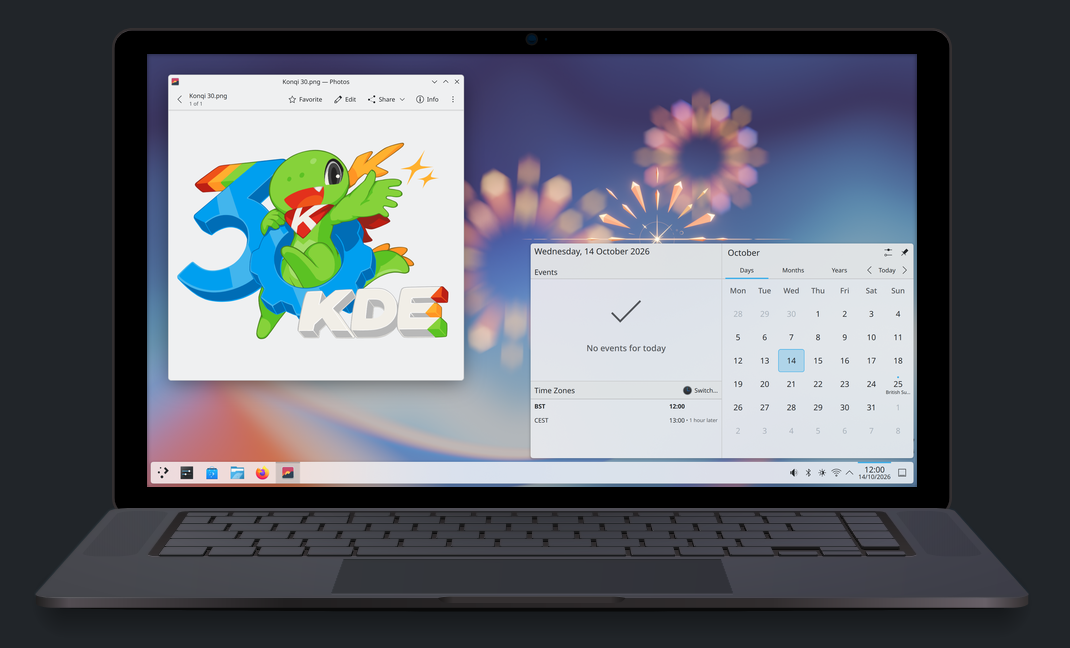
KDE Plasma 6.8: A Future-Focused 30th Anniversary Update
Quick Verdict KDE Plasma 6.8, arriving as the "30th Anniversary Edition," is a pivotal release that decisively pushes the desktop environment into the future. With a definitive farewell to native X11 sessions and a

Kojima Compares Divisive New Film 'Digger' to MGS2's Prescient Vision
Gaming icon Hideo Kojima has praised the divisive 2026 film *Digger*, drawing intriguing parallels to his own prophetic game, *Metal Gear Solid 2*. Both works, he explains, uniquely explore the dangers of misinformation and a fragmented digital reality, anxieties he shares with *Digger*'s director, Alejandro González Iñárritu.