
Waymo Ojai Review: A Big Step Forward, But Not Without Bumps
Waymo's Ojai robotaxi marks a significant evolution for the company with its purpose-built design, spacious interior, and advanced 6th-gen software, promising wider availability. However, recent safety incidents raise concerns.
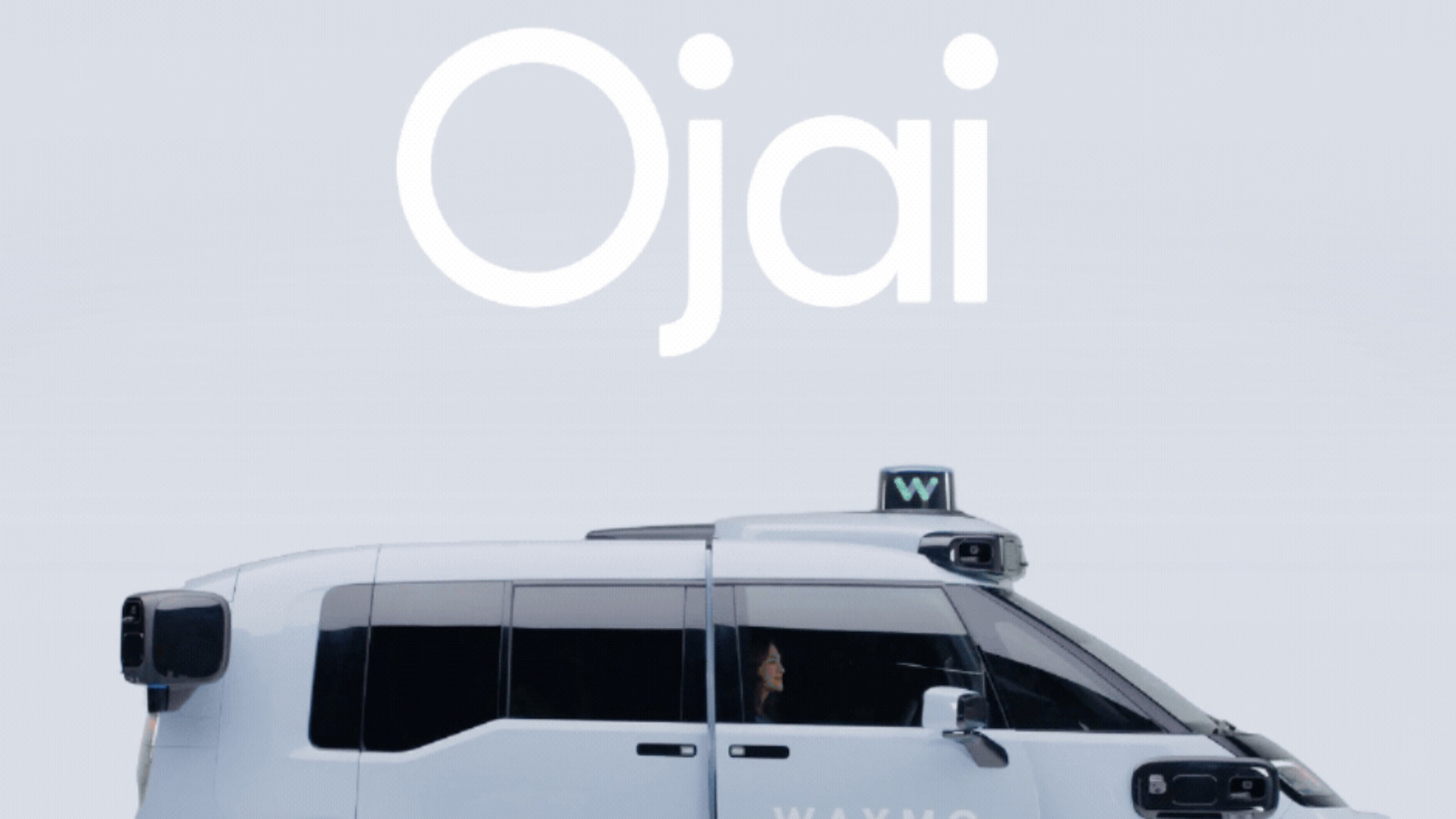
Waymo's Ojai robotaxi is a pivotal moment for the autonomous driving pioneer, representing their first purpose-built vehicle designed from the ground up for driverless operations. With a spacious, passenger-focused interior and the debut of their more efficient 6th-gen Driver software, Ojai promises an enhanced user experience and broader service areas, including snowier climates. While Waymo boasts an impressive track record of over 20 million driverless trips, recent incidents involving flooded roads and school bus safety are significant red flags that potential riders and regulators cannot ignore.
Introduction
Waymo, a leader in the autonomous vehicle space, has officially rolled out its newest driverless vehicle, the Ojai. This pale blue, van-sized robotaxi is now ferrying passengers in San Francisco, Los Angeles, and Phoenix, initially offering free rides for a limited period. Unlike its predecessors, which were retrofitted consumer cars, the Ojai is Waymo's first truly purpose-built robotaxi, signifying a major leap in the company's commitment to scalable autonomous transport.
Design and Passenger Experience
From a passenger's perspective, the Ojai aims for comfort and utility. Built in collaboration with Chinese manufacturer Zeekr, with final outfitting at Waymo's Arizona facility, the vehicle boasts a van-sized footprint that translates into "a lot of legroom." This generous space stands in stark contrast to more compact designs like Tesla's Cybercab, which is described as looking like it would "struggle to hold two people and their groceries." Inside the Ojai, rear passengers are treated to three individual screens and convenient charging ports, enhancing the ride for work or leisure. This focus on passenger comfort and amenities is a clear advantage for a service designed for urban mobility.
Technological Advancements
Underpinning the Ojai's operations is Waymo's cutting-edge 6th-generation Driver software. This new iteration brings significant efficiency improvements, notably reducing the number of camera sensors from 29 to 13, along with a reduction in lidar and radar units. Such streamlining not only suggests a more robust and optimized perception system but also reportedly contributes to a lower production cost for Waymo, allowing them to get one of these advanced vehicles on the streets for under $20,000. Crucially, the 6th-gen software is also designed to operate effectively in snowier conditions, removing a key geographical limitation that previously restricted Waymo to warmer cities. This expanded capability is already paving the way for a planned rollout in Chicago, indicating a future with broader accessibility.
Availability and Reach
The introduction of Ojai expands Waymo's already extensive footprint. The company currently provides autonomous rides in 11 major American cities, having accumulated an unparalleled record of over 20 million driverless trips. This considerable experience dwarfs that of any other competitor in the market, demonstrating Waymo's significant operational scale and data collection capabilities. The gradual expansion, now including the Ojai in key Californian and Arizonan hubs, and eyeing Chicago, underscores Waymo's strategic growth plan.
The Unsettling Reality: Safety Concerns and Incidents
Despite Waymo's impressive mileage and technological strides, the Ojai launches amidst some concerning safety incidents that cannot be overlooked. Earlier this month, Waymo was forced to suspend operations in two cities after its vehicles repeatedly drove into flooded roads, an alarming lapse in judgment for an autonomous system. This particular issue led to a recall of nearly 4,000 cars. Furthermore, the company's robotaxis have also exhibited a concerning "tendency to sail past school buses without stopping," a serious safety violation that prompted an investigation by the National Transportation Safety Board (NTSB). While Waymo is clearly at the forefront of autonomous tech, these incidents highlight that even the most advanced systems are not infallible and require continuous scrutiny, especially as they integrate more deeply into public infrastructure.
Comparison with Alternatives
The source content makes a brief, qualitative comparison to "Tesla's teensy Cybercab," noting the Ojai's larger, van-sized form factor in contrast to a design that "looks like it would struggle to hold two people and their groceries." This distinction primarily highlights the Ojai's emphasis on passenger comfort and capacity over extreme compactness. Given the limited detail about Cybercab's actual features or operational status in the source, a formal comparison table would not be appropriate or fair. The key takeaway is Waymo's decision to prioritize a spacious, comfortable ride for multiple passengers.
Pros and Cons
Pros:
- Purpose-built design: Optimized specifically for autonomous operation, not a retrofit.
- Spacious interior: Generous legroom, comfortable for multiple passengers.
- Enhanced passenger amenities: Three screens for rear passengers, multiple charging ports.
- Advanced 6th-gen Driver software: More efficient, fewer sensors, works in diverse weather (snow).
- Expanded service areas: Opening up to new, previously challenging environments like snowy cities.
- Extensive operational experience: Over 20 million driverless trips, significantly more than competitors.
- Cost-efficient for Waymo: Reportedly under $20,000 per vehicle on the streets (production cost).
Cons:
- Documented safety incidents: Vehicles driving into flooded roads, leading to recalls.
- Public safety concerns: Tendency to pass school buses without stopping, under NTSB investigation.
- Early rollout limitations: Free rides for a limited time suggests a testing or introductory phase.
Buying Recommendation
The Waymo Ojai represents an exciting leap for autonomous driving technology, showcasing Waymo's capability to design and deploy a purpose-built robotaxi with a strong emphasis on passenger comfort and cutting-edge software. For those living in the active service areas of San Francisco, Los Angeles, and Phoenix, the opportunity to experience this technology firsthand, especially during the limited free ride period, is certainly compelling. The Ojai's potential to operate in more challenging environments like snowy cities signals a promising future for widespread adoption.
However, prospective users and regulatory bodies must remain acutely aware of the recent safety challenges. The incidents involving flooded roads and, more critically, failing to stop for school buses, underscore that autonomous systems, even from a leader like Waymo, are still evolving and not without flaws. While Waymo has an unmatched track record in terms of driverless miles, these specific failures highlight areas where the technology still needs refinement and stricter fail-safes. The Ojai is an impressive piece of engineering and a significant step forward, but its practical implementation still warrants cautious optimism and continued monitoring of its safety performance. It's a taste of the future, but one that comes with a reminder that the future isn't entirely perfected yet.
FAQ
Q: What makes the Waymo Ojai different from previous Waymo vehicles?
A: The Ojai is Waymo's first purpose-built robotaxi, meaning it was designed from scratch for autonomous operation, rather than being a retrofitted consumer car. It also debuts Waymo's 6th-gen Driver software, which is more efficient and capable in diverse weather conditions.
Q: Where can I currently ride in a Waymo Ojai?
A: Currently, the Ojai is picking up passengers in San Francisco, Los Angeles, and Phoenix. Waymo is also laying the groundwork for a future rollout in Chicago, thanks to the new software's ability to handle snow.
Q: Are there any known safety concerns with Waymo's driverless vehicles, including the Ojai?
A: Yes, there have been recent incidents. Waymo had to suspend operations and recall 4,000 cars after vehicles drove into flooded roads. Additionally, Waymo robotaxis have shown a tendency to illegally pass school buses, prompting an NTSB investigation. These incidents highlight areas where the autonomous system still needs improvement.
Related articles
Android 17 QPR2 Beta 7.1: The Performance Relief You've Been Waiting
Android 17 QPR2 Beta 7.1: Finally Fixing the QPR1 Performance Woes Verdict: Android 17 QPR2 Beta 7.1 is a crucial and highly anticipated software update for Google Pixel users, specifically targeting and resolving the

DJI Solo Video Setups: Smart Choices for Lone Creators
This review delves into DJI's recommended solo video setups, highlighting the Osmo Pocket 3 Creator Combo as a top pick for its integrated camera, gimbal, and mic. It also covers stabilizers like the Osmo Mobile 8 and RS 4, and the DJI Mic Mini series for enhanced audio, providing honest pros, cons, and clear buying advice.

Ditch Merge & Center: The Better Way to Align Text in Excel
Learn to use Excel's "Center Across Selection" to align text across cells without merging, avoiding common data manipulation issues. This guide provides steps to utilize this newly accessible feature and add it to your Quick Access Toolbar.

Ars Technica's Rocket Report: Your Essential Space Industry Briefing
Quick Verdict Ars Technica's Rocket Report, presented by veteran space reporter Stephen Clark, offers an invaluable and meticulously organized weekly (or similar frequency, implied by "Edition 9.15") digest of the most

Apple iPhone Duo: A Daring Debut with Notable Compromises
Apple's highly anticipated iPhone Duo, priced at $2,000, has gone on pre-order. While hailed as "Apple's most exciting device in a decade" for its innovative foldable design and immersive display, it comes with significant drawbacks like the absence of FaceID and a premium camera.
KDE Plasma 6.8: A Future-Focused 30th Anniversary Update
Quick Verdict KDE Plasma 6.8, arriving as the "30th Anniversary Edition," is a pivotal release that decisively pushes the desktop environment into the future. With a definitive farewell to native X11 sessions and a