
Gemini Voice Customization: Your AI, Your Tone
Gemini review: Google's upcoming voice customization offers granular control over Energy, Formality, Warmth, and Speed, marking a shift towards truly personal AI interaction. This beta-discovered feature promises more natural and consistent user experiences, putting Google in a strong position in the evolving AI landscape.

Gemini Voice Customization: Your AI, Your Tone
Verdict: Google's upcoming Gemini voice customization is a significant leap towards truly personal AI, empowering users to fine-tune their assistant's personality with unprecedented control over warmth, formality, speed, and energy. While still in beta, this feature promises a more natural and consistent interaction, pushing the boundaries of what a conversational AI can be.
Google has been on a mission to make Gemini sound more human – natural, expressive, and genuinely conversational. The latest discovery, however, points to an even more ambitious goal: putting users in the driver's seat of how their AI companion speaks. Rather than passively choosing from a list of pre-set personalities, Gemini users may soon be able to sculpt their assistant's voice, tailoring it to their exact preferences. This marks a notable shift in Google's approach, moving from curated experiences to deep, user-driven personalization, a trend that is rapidly becoming a battleground in the AI space.
Key Details: Sculpting Your AI's Voice
The revelation comes from code spotted within the latest beta version of the Google app (17.41.12), specifically through Android Authority's APK Insights. This isn't an official announcement, but it's a strong indicator of Google's next move. The code suggests Gemini will introduce a dedicated “Customize” section within its voice settings, allowing users to adjust four distinct characteristics:
- Energy: Low, Medium, High
- Formality: Low, Medium, High
- Warmth: Low, Medium, High
- Speed: Slow, Normal, Fast
These controls are designed to build upon Gemini's existing voices, not replace them. Once configured, a user's customized voice is expected to maintain consistency across both the interactive Gemini Live experience and the standard chat interface. This ensures that the chosen personality remains cohesive, regardless of how you're interacting with the AI.
This new level of granular control stands in stark contrast to the previous method of simply picking from Google’s predefined personalities. It suggests a future where Gemini doesn't just adapt its responses but also its very vocal tone to match a user's mood, context, or preference, making interactions feel significantly more natural and less robotic.
User Experience: A Truly Personal Assistant
The ability to tweak parameters like Energy, Formality, Warmth, and Speed could fundamentally change how users perceive and interact with Gemini. Imagine wanting a quick, to-the-point response for a technical query, dialing up the speed and formality. Or, for a creative brainstorming session, perhaps a warmer, medium-energy voice that encourages a more relaxed flow. The power to shape these characteristics offers a level of agency previously unavailable, transforming the AI from a mere tool into something that feels more like a collaborative entity with a unique, user-defined persona.
This upcoming feature also aligns with recent updates Google has already rolled out. Following Google I/O, Gemini saw a refreshed voice selection experience, transitioning from a carousel to a cleaner list view. This update also introduced new voices like Flare and Glow, replacing older options, and notably, removed descriptive labels such as “Calm” or “Bright.” While this initially puts the onus on users to judge voices purely by sound, the pending customization options could be seen as a sophisticated evolution, allowing users to create the personality they desire, rather than just identifying with a pre-labeled one.
Furthermore, Gemini's interface has received a visual refresh with thinner, more modern icons for features like the microphone, camera, and screen sharing, enhancing the overall user experience alongside these deeper voice changes. These aesthetic improvements, coupled with enhanced voice controls, demonstrate a comprehensive effort by Google to refine the entire Gemini ecosystem.
Pros and Cons
Pros:
- Unprecedented Personalization: Users gain granular control over their AI's vocal personality, moving beyond pre-set options to truly bespoke configurations.
- Enhanced Consistency: A customized voice will carry over across Gemini Live and standard chat, ensuring a unified and predictable user experience.
- More Natural Interactions: The ability to match the AI's tone to context or personal preference can make conversations feel significantly more human-like and less machine-driven.
- User Agency: Empowers users to actively shape their digital assistant, fostering a stronger sense of connection and ownership.
- Competitive Edge: Positions Google at the forefront of AI personalization, responding to and anticipating user demand for more nuanced AI interactions.
Cons:
- Availability: The feature is currently only discovered in beta code, meaning there's no official announcement or release date, and details could change.
- Potential for Choice Paralysis: While flexibility is good, some users might find the array of choices overwhelming if not presented intuitively.
- Initial Selection Without Labels: The prior removal of descriptive labels for existing voices might make the initial choice of a base voice more challenging for some users before customization is applied.
- No Further Details on Nuance: The source doesn't detail how subtle or distinct the differences between 'Low,' 'Medium,' and 'High' settings will be for each parameter.
Competition and the Broader AI Landscape
Google isn't operating in a vacuum here. The timing of this discovery is particularly interesting, given that Google I/O confirmed regional dialects are on Gemini's roadmap. Voice customization fits perfectly into this broader strategy of making AI conversations less generic and more culturally and individually tailored.
Crucially, competitors are also moving in this direction. Apple's iOS 27, for instance, is introducing similar controls for Siri AI, allowing users to adjust Pace and Expressivity. These preferences are designed to extend across all Siri-powered experiences like Maps and Safari, mirroring Google's aim for consistency across Gemini interactions.
This movement by major tech players underscores a fundamental shift in the AI race. The competition is no longer solely about what an assistant can do – its capabilities, knowledge, or integrations. Increasingly, the focus is shifting to how an assistant performs those actions, particularly how it sounds while doing so. A more personable, customizable voice can significantly enhance user satisfaction and engagement, even for the same underlying capabilities.
| Feature/Platform | Google Gemini (Upcoming) | Apple Siri (iOS 27) |
|---|---|---|
| Parameters | Energy, Formality, Warmth, Speed | Pace, Expressivity |
| Levels/Options | Low/Medium/High, Slow/Normal/Fast | Adjustable |
| Consistency | Across Gemini Live & Chat | Across Siri-powered experiences (Maps, Safari) |
| Focus | Deep personalization of voice tone | Adjusting delivery and emotional quality |
Recommendation: Embrace the Evolution
For users seeking a more integrated and personalized AI experience, Google's upcoming voice customization for Gemini is an incredibly exciting development. This isn't just a superficial tweak; it represents a deeper commitment to making AI feel more like a true assistant attuned to individual preferences. If you've ever felt that current AI voices are a bit too generic or don't quite match your desired interaction style, this feature is precisely what you've been waiting for. It promises to deliver a new level of connection with your AI, making every interaction more intuitive and genuinely personal. While it's still an unannounced feature, the direction Google is heading is clear: your AI, your voice, your way.
FAQ
Q: When can I expect this voice customization feature to be available?
A: As of now, the feature has only been discovered in a beta version of the Google app through APK Insights. Google has not officially announced it, so there is no confirmed release date. It could be weeks or months away, or details could change before a public rollout.
Q: Will I still be able to choose from the existing Gemini voices?
A: Yes, the new customization options are designed to build upon Gemini’s existing voices, not replace them. You will likely still be able to select a base voice, and then apply these new parameters to fine-tune it further.
Q: How will these custom voice settings apply across different Gemini features?
A: According to the code, your customized voice is expected to carry over to both Gemini Live and the standard chat experience, ensuring a consistent vocal personality across all your interactions within the app.
Related articles
Android 17 QPR2 Beta 7.1: The Performance Relief You've Been Waiting
Android 17 QPR2 Beta 7.1: Finally Fixing the QPR1 Performance Woes Verdict: Android 17 QPR2 Beta 7.1 is a crucial and highly anticipated software update for Google Pixel users, specifically targeting and resolving the

DJI Solo Video Setups: Smart Choices for Lone Creators
This review delves into DJI's recommended solo video setups, highlighting the Osmo Pocket 3 Creator Combo as a top pick for its integrated camera, gimbal, and mic. It also covers stabilizers like the Osmo Mobile 8 and RS 4, and the DJI Mic Mini series for enhanced audio, providing honest pros, cons, and clear buying advice.

Ditch Merge & Center: The Better Way to Align Text in Excel
Learn to use Excel's "Center Across Selection" to align text across cells without merging, avoiding common data manipulation issues. This guide provides steps to utilize this newly accessible feature and add it to your Quick Access Toolbar.

Ars Technica's Rocket Report: Your Essential Space Industry Briefing
Quick Verdict Ars Technica's Rocket Report, presented by veteran space reporter Stephen Clark, offers an invaluable and meticulously organized weekly (or similar frequency, implied by "Edition 9.15") digest of the most

Apple iPhone Duo: A Daring Debut with Notable Compromises
Apple's highly anticipated iPhone Duo, priced at $2,000, has gone on pre-order. While hailed as "Apple's most exciting device in a decade" for its innovative foldable design and immersive display, it comes with significant drawbacks like the absence of FaceID and a premium camera.
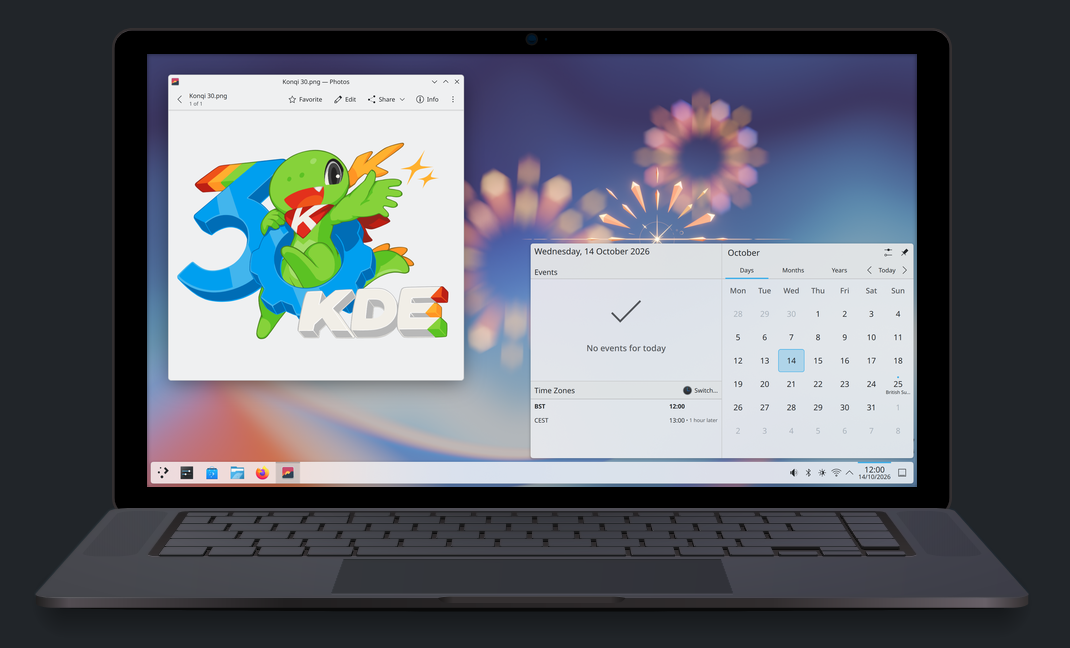
KDE Plasma 6.8: A Future-Focused 30th Anniversary Update
Quick Verdict KDE Plasma 6.8, arriving as the "30th Anniversary Edition," is a pivotal release that decisively pushes the desktop environment into the future. With a definitive farewell to native X11 sessions and a