
Upgrade Your Home Audio: Moving Beyond Soundbar Limitations
Learn to identify soundbar limitations and discover superior home audio alternatives like bookshelf speakers or true home theater systems for genuinely immersive sound.
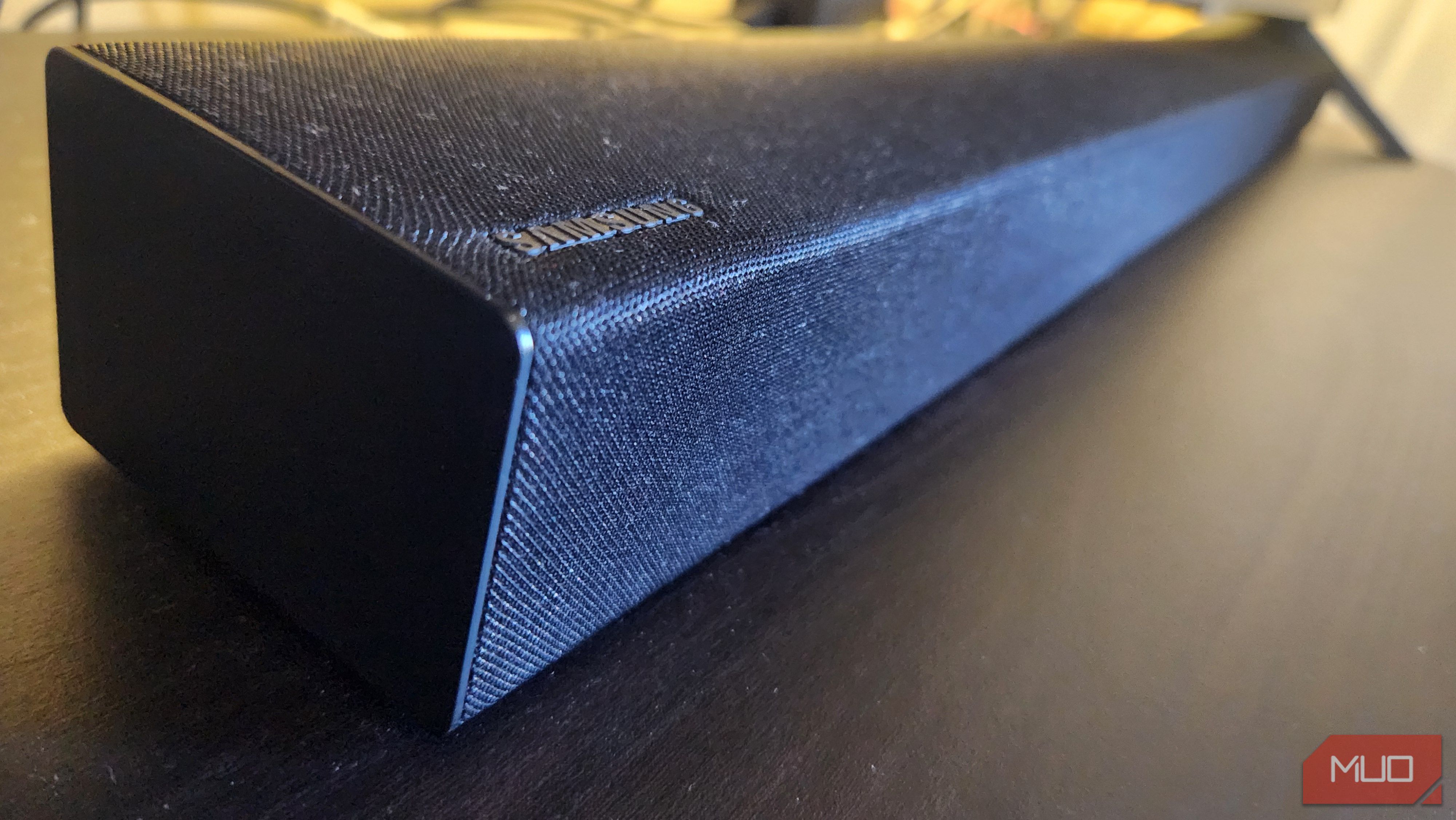
The desire for enhanced TV audio often leads to soundbars. Many, however, find the promise of big sound and sleek setup falls short, leading to "soundbar regret." This guide helps you understand soundbar limitations and discover paths to truly immersive, high-quality home audio.
What You'll Accomplish
By the end of this guide, you will:
- Understand common soundbar compromises.
- Identify audio disappointments you might be experiencing.
- Discover superior alternative audio solutions.
- Make an informed decision about upgrading your home audio.
Requirements
To get the most out of this guide, you'll need:
- A willingness to critically evaluate your current audio setup.
- An open mind to exploring different sound systems.
- A desire for improved sound quality and immersion.
Step 1: Why Soundbars Disappoint
Common disappointments:
- Compromised Sound: Compact design prioritizes aesthetics over authentic, multidimensional sound. Simplicity equals compromise in fidelity.
- Illusory Surround Sound: Software "tricks" bounce audio off walls for a perceived surround effect. This cannot match precise separation of multiple physical speakers, causing artificial spatial cues and muddy dialogue.
- Shallow Audio: Users report muffled bass, voices lacking warmth, flat music, and overpowering subwoofers.
- Setup Issues: HDMI-ARC can be finicky (e.g., power-on failures); firmware updates may cause compatibility problems. Optimal sound often requires constant EQ adjustments.
Step 2: Assess Your Experience
Does your soundbar exhibit:
- Lack of warmth/clarity in dialogue?
- Flat music?
- Artificial "surround" effects that obscure dialogue?
- Constant, unsatisfying EQ adjustments?
- Connectivity issues or unexpected HDMI-ARC behavior?
- Overpowering or muffled subwoofer bass?
If so, your experience aligns with common soundbar limitations.
Step 3: Discover Superior Audio Alternatives
You don't have to settle. Authentic, spatial audio is achievable, often for a comparable price to a mid-range soundbar.
Option 1: High-Quality Bookshelf or Powered Monitor Speakers
- Benefits: A pair offers significant upgrade. Expect a broader frequency spectrum, reproducing details with crisp accuracy. Gain superior stereo separation, warmer voices, and deeper music, outperforming many soundbars.
- Ideal for: Major audio improvement for music and TV, prioritizing clear, detailed stereo sound.
Option 2: True Home Theater Setup (AV Receiver + Multiple Speakers)
- Benefits: The ultimate for immersive audio. An AV receiver with multiple discrete speakers (e.g., 5.1 surround sound) delivers authentic surround sound. Effects are precisely placed for unparalleled immersion.
- Upgradeability: Start stereo, gradually add speakers (center, surrounds, height) and subwoofer.
- Ideal for: Movie enthusiasts desiring the most immersive, accurate spatial audio, with future expansion flexibility.
Step 4: Make an Informed Audio Decision
Prioritize sound quality and immersion over convenience.
- Sound Quality First: Simplicity equals compromise. Sleek designs cannot replace authentic, multidimensional sound.
- Budget Smartly: An entry-level home theater often costs similar to a mid-range soundbar but performs vastly better. Research quality bookshelf speakers, powered monitors, or AV receivers with speaker packages.
- Consider Space: Full home theater planning yields substantial rewards. Quality bookshelf speakers are also compact and stylish.
- Listen Critically: Focus on dialogue clarity, soundstage, spatial cue precision, and dynamic range.
Tips for Better Home Audio
- Embrace Wires: Physical connections are generally superior for optimal audio.
- Room Calibration: Use AV receiver room calibration for optimized sound.
- Future-Proofing: AV receiver systems are modular for component upgrades.
- Audition Systems: Listen to different setups at an audio store using familiar content.
Many who bought soundbars wished they chose authentic sound reproduction instead. While convenient, soundbars often fall short of the immersive experience provided by true multi-speaker or high-quality stereo systems.
Next Steps
- Research Components: Explore reviews for bookshelf speakers, powered monitors, and entry-level 5.1 home theater systems.
- Explore Room Acoustics: Learn how room features impact sound and how to optimize your listening space.
- Consult Specialists: Visit a dedicated audio store for personalized advice.
FAQ
Q: Is a soundbar always a bad choice?
A: Not necessarily. Soundbars are a significant upgrade over your TV's built-in speakers, offering higher volume and better bass. They excel in convenience, aesthetics, and minimal cable clutter. For casual viewing or when space and simplicity are paramount, a soundbar can be acceptable. However, for truly immersive and accurate audio quality, especially for movies and music, soundbars have inherent limitations compared to multi-speaker setups or quality stereo speakers.
Q: Can a high-end soundbar rival a traditional home theater system?
A: While premium soundbars from brands like Sennheiser or Sonos can mimic spatial audio through technologies like beamforming, it remains an illusion based on bounced sound, not discrete channels. These advanced soundbars can sound impressive, but they cannot replicate the precise sound separation and true immersion offered by physically separate speakers in a 5.1 (or higher) home theater configuration. You hear sound bounced towards you, not truly behind you.
Q: What's the biggest benefit of switching to an AV receiver and separate speakers?
A: The biggest benefit is achieving authentic, multidimensional surround sound and superior stereo separation. With an AV receiver and discrete speakers, each sound channel has its own dedicated speaker, allowing for precise placement of audio effects. This creates a far more immersive, accurate, and detailed soundscape, enhancing dialogue clarity and the overall impact of movies and music. Additionally, an AV receiver setup is highly upgradeable, allowing component improvements over time.
Related articles
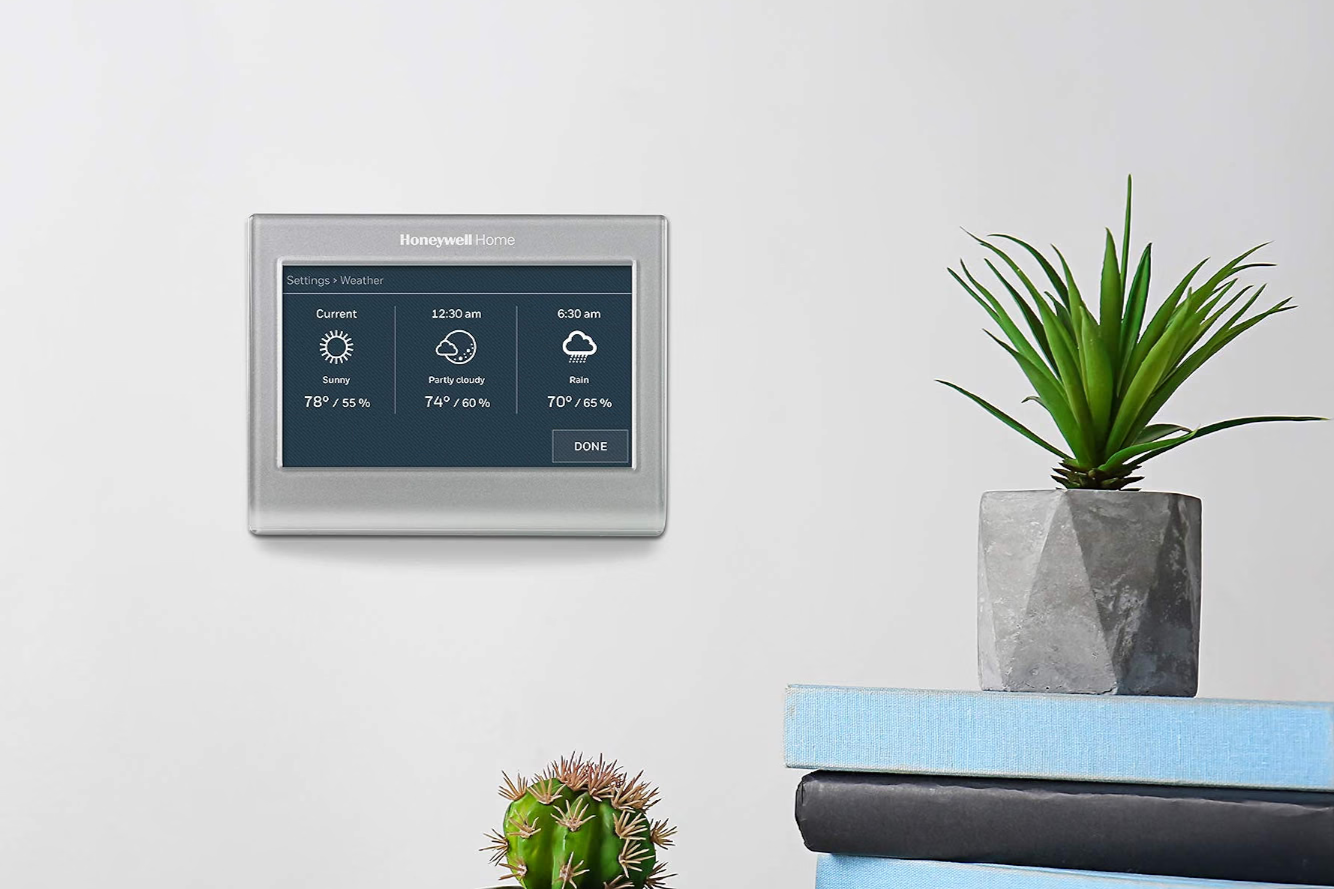
Get the Honeywell Smart Color Thermostat for $80 and Start Saving on
Learn to get and install the Honeywell Home Wi-Fi Smart Color Thermostat for just $80, a 55% saving, and start reducing your utility bills by leveraging its Energy Star certified features and smart home integration.

Gemini Memory Summary: Essential User Control
Google Gemini, like many advanced AI systems, aims to personalize your interactions by remembering details about you. While this can enhance your experience, it also brings up natural privacy concerns regarding what
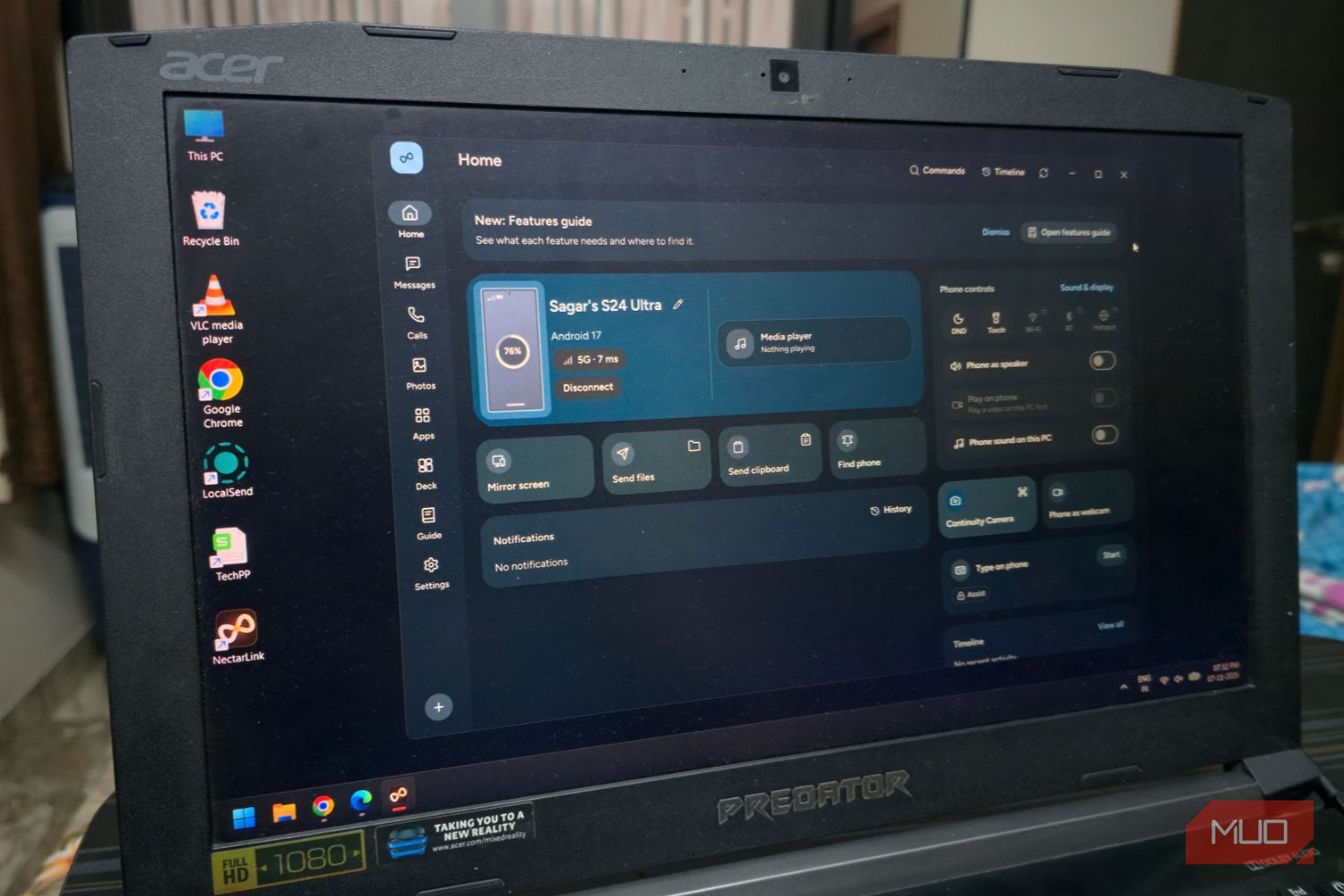
Seamlessly Connect Your Android to Windows with NectarLink
Learn to connect your Android phone to Windows using NectarLink, a free, open-source hub, in a few simple steps. Get notifications, sync files, mirror screens, and control your phone securely without cloud accounts.

AI-Powered "Microduck" Butler Signals Robotics' Future
WIRED Senior Writer Will Knight has unveiled a novel AI-powered "Microduck" robot, developed with an OpenAI model, designed to be a cat butler. This small, duck-like automaton represents a significant step in robotics, showcasing how advanced AI can be used to train specialized robots, potentially through virtual simulations, for practical and interactive roles in everyday life. The project highlights a future where AI-driven training simplifies robot development and expands their integration into our homes.
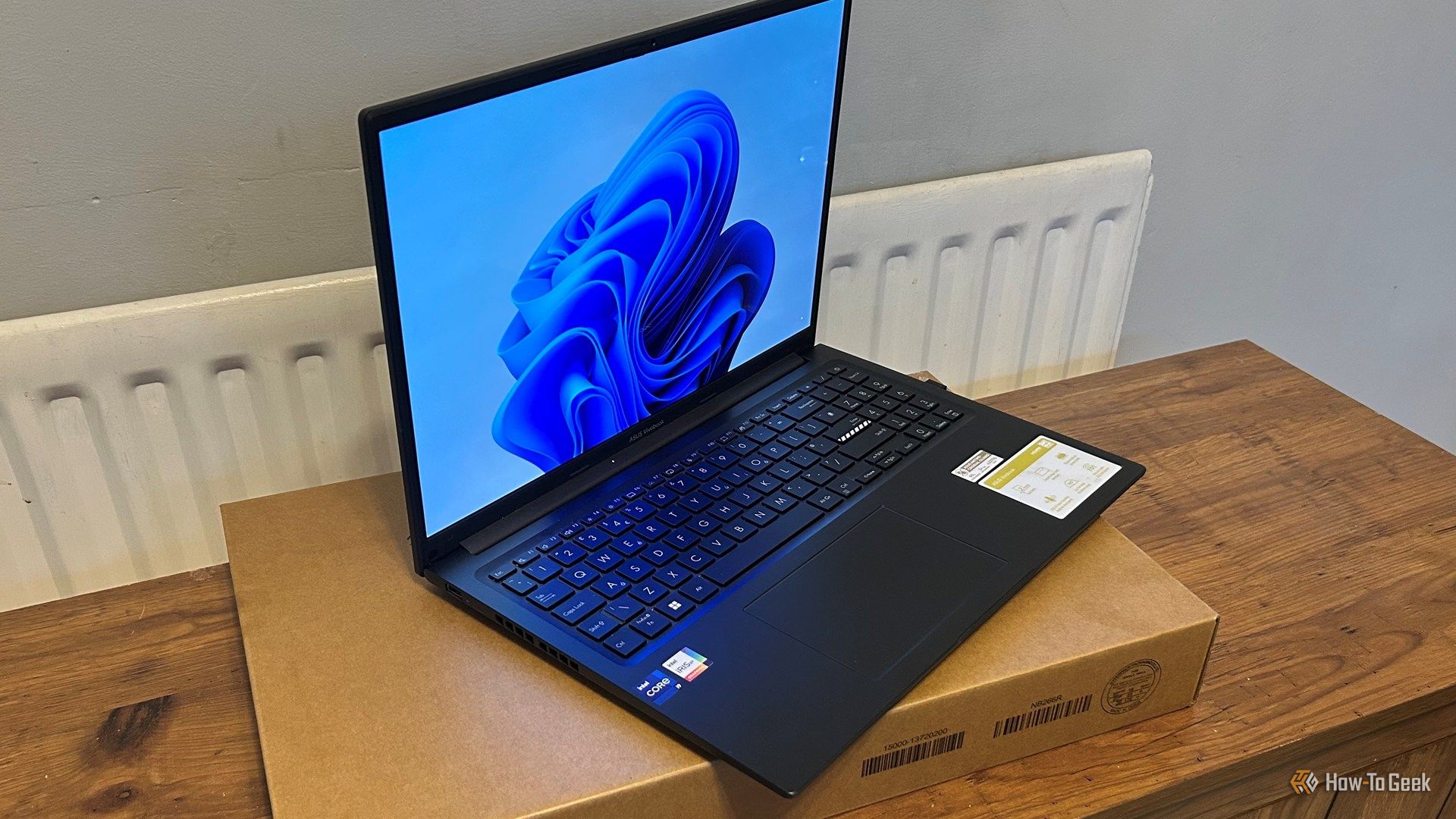
Make 8GB of RAM Work on Windows 11 - Boost Performance
Optimize your Windows 11 PC with 8GB RAM for better performance by updating Windows, managing background apps, optimizing your browser, configuring virtual memory, and using lightweight software alternatives.

How to Understand Leaked Vivo X500 Series Prices for India Launch Prep
Get a clear, step-by-step breakdown of the rumored Vivo X500 series prices, configurations, and how they compare to previous models, helping you prepare for the official India launch.