
TV Refresh Rates: 60Hz, 120Hz, 165Hz - What's Best for Your Home
As an experienced tech reviewer, I've seen countless smart TVs pass through my testing lab, from budget-friendly gems to top-tier home theater titans. One persistent theme across all price points is the manufacturer's

As an experienced tech reviewer, I've seen countless smart TVs pass through my testing lab, from budget-friendly gems to top-tier home theater titans. One persistent theme across all price points is the manufacturer's obsession with refresh rates, often touted as a primary selling point alongside panel technology. Navigating this landscape can feel like slogging through a swamp of technical jargon and exaggerated marketing claims.
But here's the honest truth: does a higher refresh rate automatically guarantee a better picture? Not always. To help you cut through the noise and find the ideal display for your space and entertainment desires, I've broken down what refresh rates actually mean and how they genuinely impact your viewing experience.
What Exactly Is a Refresh Rate?
Simply put, a refresh rate, sometimes called a frame rate, quantifies how many times per second your TV screen updates the image it's displaying. Measured in hertz (Hz), it's easiest to visualize your television as a sophisticated slideshow projector. Each "frame" is a distinct still image, and the refresh rate indicates how many of these images flash across your screen every second.
So, when a TV's specifications mention a 60Hz refresh rate, it means the display can generate up to 60 frames per second. Thanks to advancements in LED technology, refresh rates have steadily climbed, with many contemporary smart TVs now matching the capabilities of high-end gaming and professional PC monitors.
Based on their refresh rate capabilities, almost all smart TVs can be categorized into three primary groups:
The Refresh Rate Breakdown: Finding Your Perfect Match
To make your decision clearer, here's a direct comparison of the three main refresh rate tiers:
| Feature | 60Hz | 120Hz | 165Hz |
|---|---|---|---|
| Best For | General viewing, casual gaming, live sports | Streaming enthusiasts, movie buffs, sports fans, console gamers seeking smoother motion | Dedicated high-end gaming (PC/console), creative professionals (video/animation) |
| Typical TV Type | Entry-level to mid-range LED TVs | Mid-range LED to high-end OLED TVs | Premium LED/OLED models, often marketed for gaming |
| Key Benefits | Decent picture quality, handles various content, often includes software enhancements (HDR, low-latency modes) | Significantly smoother motion, crisper images, reduced motion blur, enhanced detail | Ultra-smooth motion, virtually no blur, excellent for fast-paced action, supports Variable Refresh Rate (VRR) |
| Considerations | May exhibit noticeable motion blur in fast-paced scenes or games | A noticeable upgrade for discerning viewers, but comes at a higher price point | Overkill for casual viewing, primarily benefits specific high-performance tasks, often paired with higher TV costs and other premium features |
| Example Features/TVs | Toshiba C350 (Dolby Vision HDR, auto low-latency modes) | LG C5 (OLED panel, accurate colors, near-perfect blacks) | Hisense U8QG (AMD/Nvidia VRR technology) |
Let's dive a little deeper into each category:
1. Is 60Hz Enough for You?
Even the most basic contemporary television boasts a refresh rate of 60Hz, a standard carried over from older cathode-ray tube (CRT) models. However, the similarity ends there. Modern 60Hz TVs can deliver stunning 4K images packed with intricate visual information, a stark contrast to the 480p maximum of ancient CRTs, which also suffered from inferior contrast and color accuracy.
If your primary needs involve a solid smart TV for everything from catching live sports to an occasional weekend video game session, a 60Hz refresh rate will generally provide a decent picture quality. Many models in this category, such as the Toshiba C350, incorporate clever software enhancements. These can include support for Dolby Vision HDR, which significantly boosts detail and contrast, and auto low-latency picture modes, crucial for a more responsive console gaming experience.
2. The Case for 120Hz
While a 60Hz display is perfectly adequate for a broad spectrum of users, those with a more discerning eye might consider stepping up to a mid-range LED or high-end OLED model offering a 120Hz refresh rate. The advantage here is simple: a higher refresh rate allows more frames per second to be displayed, translating directly into much cleaner and noticeably smoother motion.
If you've fully embraced streaming as your primary entertainment source, or if you simply can't tolerate the visual distraction of motion blur during intense live sports, a smart TV with a base refresh rate of 120Hz is a worthwhile investment. It delivers crisper images, ensuring you don't miss any intricate detail in your favorite movies and shows. A standout example from last year, the LG C5, not only features a 120Hz refresh rate but also excels with exceptionally accurate colors and nearly perfect blacks, thanks to its advanced OLED panel. This combination significantly enhances both contrast and overall picture quality.
3. Kicking it up to 165Hz
Manufacturers have recently started pushing the boundaries of refresh rates, with some smart TVs, like the Hisense U8QG, reaching an impressive 165Hz. A refresh rate this high delivers an ultra-smooth image, making even the most rapid-paced scenes in films and shows, as well as action-packed console and PC gameplay, appear incredibly fluid and devoid of motion artifacts.
While movie and TV enthusiasts can certainly appreciate the fluidity offered by such high refresh rates, these premium models truly shine when their primary use is high-end gaming or demanding creative professional tasks. These TVs frequently incorporate variable refresh rate (VRR) technologies from AMD or Nvidia. VRR synchronizes your TV's refresh rate with the frame rate output of your PC or console, effectively preventing irritating screen tearing and stuttering. This makes them an outstanding choice as a dedicated gaming display or as an expansive monitor for creative professionals working with video and animation.
Making Your Decision: A Tailored Recommendation
It's important to remember that refresh rate is just one piece of the puzzle when it comes to creating an exceptional picture on your TV screen. While it's a significant factor, elements like panel technology (LED vs. OLED), HDR support, and overall processing also play crucial roles.
For many everyday consumers, a basic smart TV with a 60Hz refresh rate will provide a perfectly satisfying viewing experience. Movie buffs and those who despise motion blur during sports should strongly consider springing for a model capable of 120Hz for a noticeably smoother and more refined visual. However, if you're a serious gamer or a creative professional who needs the absolute best in motion clarity and responsiveness, premium-grade TVs that can produce refresh rates up to 165Hz are where you'll find true satisfaction.
FAQ
Q: Does a higher refresh rate automatically mean I get a better picture?
A: Not necessarily. While a higher refresh rate leads to smoother motion, it's only one component of overall picture quality. Factors like panel technology (OLED vs. LED), color accuracy, contrast, resolution (4K), and HDR support (like Dolby Vision HDR) are equally, if not more, critical for a truly great image. For many casual viewers, the benefits of extremely high refresh rates beyond 120Hz might not be evident in typical content.
Q: Can I game effectively on a 60Hz TV?
A: Yes, absolutely. Many modern 60Hz smart TVs are perfectly serviceable for console gaming, especially those that include features like auto low-latency picture modes. While you won't get the ultra-smooth experience of 120Hz or 165Hz, casual to moderate gamers will find 60Hz to be a decent option for most titles. More competitive or demanding gamers, however, will appreciate the fluidity and responsiveness of higher refresh rates and VRR technology.
Q: What other factors, besides refresh rate, are important for TV picture quality?
A: Beyond refresh rate, several key elements contribute significantly to picture quality. These include the panel technology (e.g., OLED for perfect blacks and vibrant colors, advanced LED for brightness), support for High Dynamic Range (HDR) standards like Dolby Vision HDR for enhanced contrast and detail, and the TV's processing engine, which handles upscaling and motion interpolation. Features like Variable Refresh Rate (VRR) are also crucial for gamers to prevent screen tearing.
Related articles
Android 17 QPR2 Beta 7.1: The Performance Relief You've Been Waiting
Android 17 QPR2 Beta 7.1: Finally Fixing the QPR1 Performance Woes Verdict: Android 17 QPR2 Beta 7.1 is a crucial and highly anticipated software update for Google Pixel users, specifically targeting and resolving the

DJI Solo Video Setups: Smart Choices for Lone Creators
This review delves into DJI's recommended solo video setups, highlighting the Osmo Pocket 3 Creator Combo as a top pick for its integrated camera, gimbal, and mic. It also covers stabilizers like the Osmo Mobile 8 and RS 4, and the DJI Mic Mini series for enhanced audio, providing honest pros, cons, and clear buying advice.

Ars Technica's Rocket Report: Your Essential Space Industry Briefing
Quick Verdict Ars Technica's Rocket Report, presented by veteran space reporter Stephen Clark, offers an invaluable and meticulously organized weekly (or similar frequency, implied by "Edition 9.15") digest of the most
Apple iPhone Duo: A Daring Debut with Notable Compromises
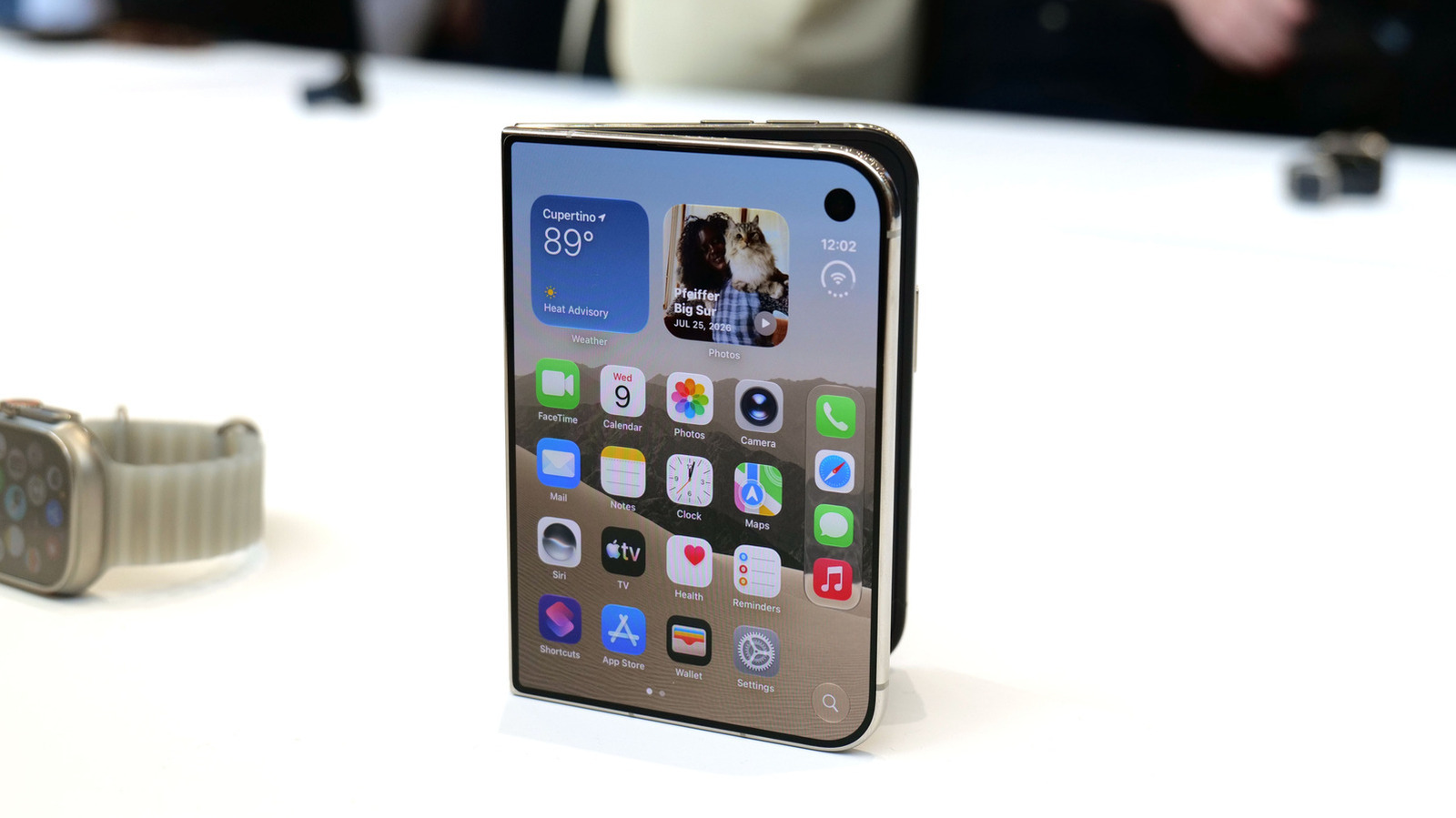
Apple's highly anticipated iPhone Duo, priced at $2,000, has gone on pre-order. While hailed as "Apple's most exciting device in a decade" for its innovative foldable design and immersive display, it comes with significant drawbacks like the absence of FaceID and a premium camera.

AI's Confidence vs. Formal Methods' Rigor: Design Flaws & Verification
While AI accelerates code generation, formal methods remain critical for ensuring system correctness. Languages like TLA+ and tools like Quint enable developers to model and verify system designs before coding, catching subtle flaws. Quint makes formal methods more accessible with developer-friendly syntax and executability. This approach is vital for verifying AI-generated code through trace validation and model-based testing, ensuring reliability against real-world data.
KDE Plasma 6.8: A Future-Focused 30th Anniversary Update
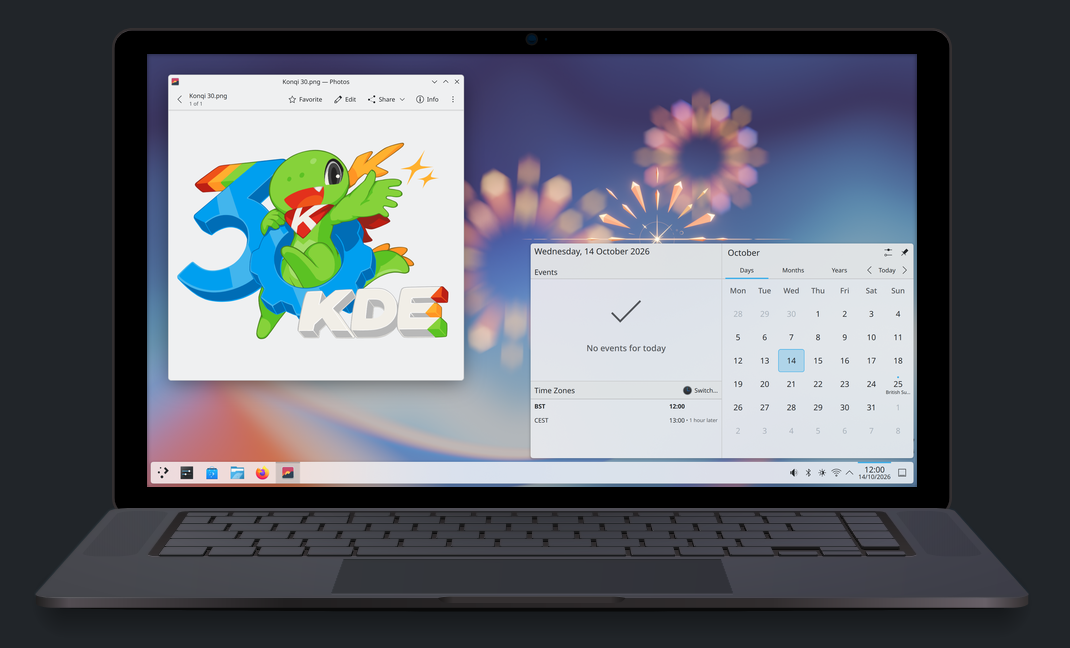
Quick Verdict KDE Plasma 6.8, arriving as the "30th Anniversary Edition," is a pivotal release that decisively pushes the desktop environment into the future. With a definitive farewell to native X11 sessions and a