
startups: Jury finds Meta and YouTube built ‘addiction machines’ that
A Los Angeles jury found Meta and Google (YouTube) liable for intentionally building addictive social media platforms that harmed a young woman's mental health, awarding $3 million in compensatory damages. This landmark verdict is the first of its kind in the US, establishing a crucial legal precedent for over 1,500 similar cases against tech giants.

A Los Angeles jury has delivered a landmark verdict, finding tech giants Meta and Google (YouTube) liable for intentionally designing addictive social media platforms that caused significant mental health harm to a young woman. The decision, handed down on Wednesday after a five-week trial, awarded the plaintiff, Kaley, $3 million in compensatory damages. This ruling marks the first trial verdict in the United States to hold social media companies financially accountable for the addictive nature of their products and the resulting harm to young users.
The jury apportioned 70 percent of the responsibility for Kaley's harm to Meta and 30 percent to YouTube. This initial award could be further augmented by punitive damages, which, under California law, might reach up to $30 million. The verdict follows closely on the heels of another significant ruling in New Mexico, where a jury ordered Meta to pay $375 million for failing to protect children from sexual predators on its platforms. Together, these back-to-back judgments represent a critical shift in the legal landscape for social media companies.
The Plaintiff's Story and The Jury's Findings
Kaley, now 20, testified to starting YouTube at age six and Instagram at age nine, encountering no age verification barriers. She described becoming consumed by social media, spending entire days online, which led to her withdrawing from her family. Her prolonged engagement with the platforms, particularly Instagram, contributed to the development of anxiety, depression, and body dysmorphia, an obsessive preoccupation with perceived physical flaws. She also highlighted her early use of Instagram filters that altered facial features.
Kaley’s legal team presented evidence arguing that features like infinite scroll, autoplay functions, and algorithmically curated content feeds were deliberately engineered to maximize user engagement. They cited testimony from former Meta executives and internal company research, which indicated Meta was aware of underage users on its platforms and understood the link between its products and negative mental health outcomes in teenagers.
Meta CEO Mark Zuckerberg acknowledged the issue during his testimony in February but asserted that the company had “reached the right place over time” regarding underage user identification. Instagram head Adam Mosseri, confronted with data showing Kaley's 16-hour single-day session, declined to label it “addiction,” preferring the term “problematic.” Lawyers for Meta contended that Kaley's mental health struggles were not caused or meaningfully exacerbated by her Instagram use. Meta expressed its “respectful disagreement with the verdict” and is exploring legal options. Google, arguing that YouTube is a “responsibly built streaming platform, not a social media site,” also plans to appeal.
A Broader Legal Landscape
This trial is the first of more than 1,500 similar cases consolidated in federal multidistrict litigation against major social media players, including Meta, Google, Snap, and TikTok. Prior to this trial, Snap and TikTok reached undisclosed settlements with Kaley, leaving Meta and Google to face the court. The New Mexico verdict, though legally separate, reinforced the same underlying claim: that Meta knew its platforms endangered children and chose not to act. That case stemmed from a 2023 undercover operation by the New Mexico Attorney General that found a fake 13-year-old profile quickly inundated with explicit material and contact from predators.
Legal experts are drawing parallels between this wave of litigation and the tobacco industry lawsuits of the 1990s, which ultimately led to a $206 billion settlement and significant changes in how cigarettes were marketed and regulated. The next federal trial in this legal saga is set for June in California, with hundreds more cases from school districts and state attorneys general pending.
Implications and Future Outlook
While the $3 million compensatory award, even with potential punitive damages, represents a negligible financial sum for companies with a combined market capitalization exceeding $3 trillion, its impact is largely precedential. The Los Angeles verdict establishes a crucial legal finding: a jury, after reviewing internal documents and expert testimony, concluded that social media platforms were intentionally designed to be addictive and caused demonstrable harm to an individual. This finding will undoubtedly influence the ongoing 1,500-plus cases, shifting the burden onto Meta and Google as companies already found liable.
Mike Proulx, a research director at Forrester, characterized these verdicts as a “breaking point” between social media companies and the public. However, whether this translates into fundamental changes in platform design remains uncertain. The engagement-maximizing features identified as harmful — infinite scroll, autoplay, algorithmic feeds — are integral to these companies' business models. Compelling them to fundamentally alter their operations would require more than even a substantial jury verdict.
FAQ
Q: What is the significance of this verdict against Meta and YouTube?
A: This is the first US trial verdict finding social media companies liable for intentionally building addictive platforms that harmed a child. Its primary significance is precedential, establishing a legal finding that will impact over 1,500 similar lawsuits.
Q: Will this verdict force Meta and Google to change their platform designs?
A: While the verdict highlights the harmful design choices, the features in question (like infinite scroll and algorithmic feeds) are core to these companies' business models. Significant design changes are not directly compelled by a jury verdict, though ongoing legal pressure could influence future development.
Q: Are there other similar lawsuits underway against social media companies?
A: Yes, Kaley's case is the first of more than 1,500 similar cases consolidated in federal multidistrict litigation. Additionally, hundreds of cases brought by school districts and state attorneys general are also pending, with the next federal trial scheduled for June in California.
Related articles

Apple Unveils iPhone Duo: Pricey Foldable Sees Soaring Demand
Apple has officially entered the foldable smartphone arena with the long-anticipated launch of the iPhone Duo. Priced starting at a hefty $1,999, the device features a 5.4-inch outer display and a larger 7.6-inch inner

in-depth: Chicago-Area Cops Helped HSI Spy on Minnesota Anti-ICE
Chicago-area law enforcement, including local police and HSI agents, conducted undercover surveillance on Minnesota anti-ICE activists at an April 2, 2022, talk in Chicago. This operation was part of a federal conspiracy probe into 15 Minnesota activists facing felony charges related to immigration enforcement resistance. Civil liberties advocates have condemned the surveillance as a troubling intrusion into protected political activity.

Mark Wahlberg on using AI in film ‘the right way’ and being open to
Actor Mark Wahlberg believes AI has a place in filmmaking if used responsibly for enhancement, not script generation or actor replacement. At TechCrunch Disrupt, he expressed openness to an AI likeness carrying on his legacy, managed by his family, and emphasized storytelling.

Tesla Unveils Thruster-Equipped Roadster, 2028 Production Targeted
Tesla has unveiled its second-generation Roadster, featuring cold-gas thrusters co-developed with SpaceX, enabling it to jump and flip. The electric sports car demonstrated 0-60mph in an astonishing 0.81 seconds, with production targeted for 2028. This highly anticipated reveal also serves as a key recruitment tool for Tesla's ambitious AI and robotics initiatives.
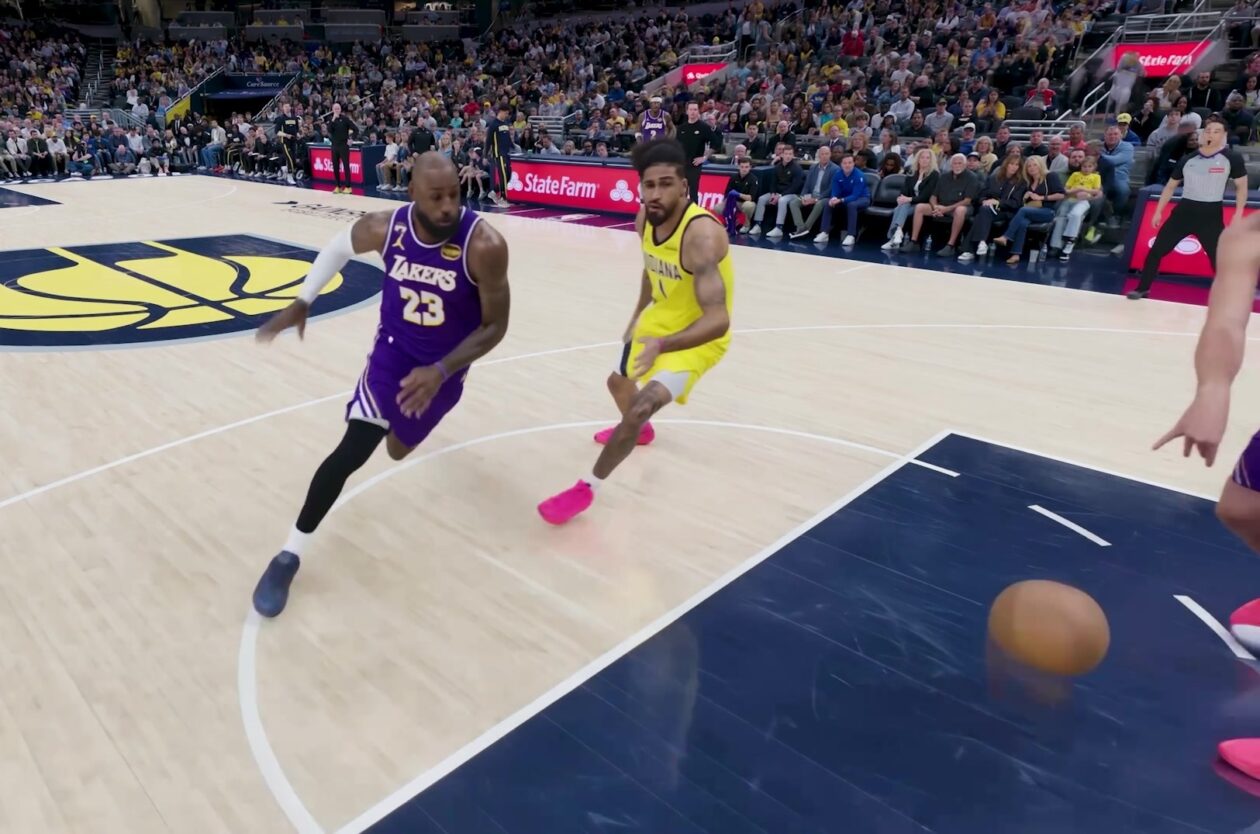
Amazon Prime Video Launches AI-Powered Prime 360 for NBA Coverage
Amazon Prime Video is elevating its NBA coverage with the introduction of Prime 360, an AI-powered replay system offering immersive, 'fly through' views of the action. Kicking off its second season, Prime Video also adds Yahoo fantasy integration and gains exclusive Eastern Conference Finals rights, expanding its tech-driven sports broadcast. The new features aim to deliver a unique and interactive viewing experience for basketball fans.
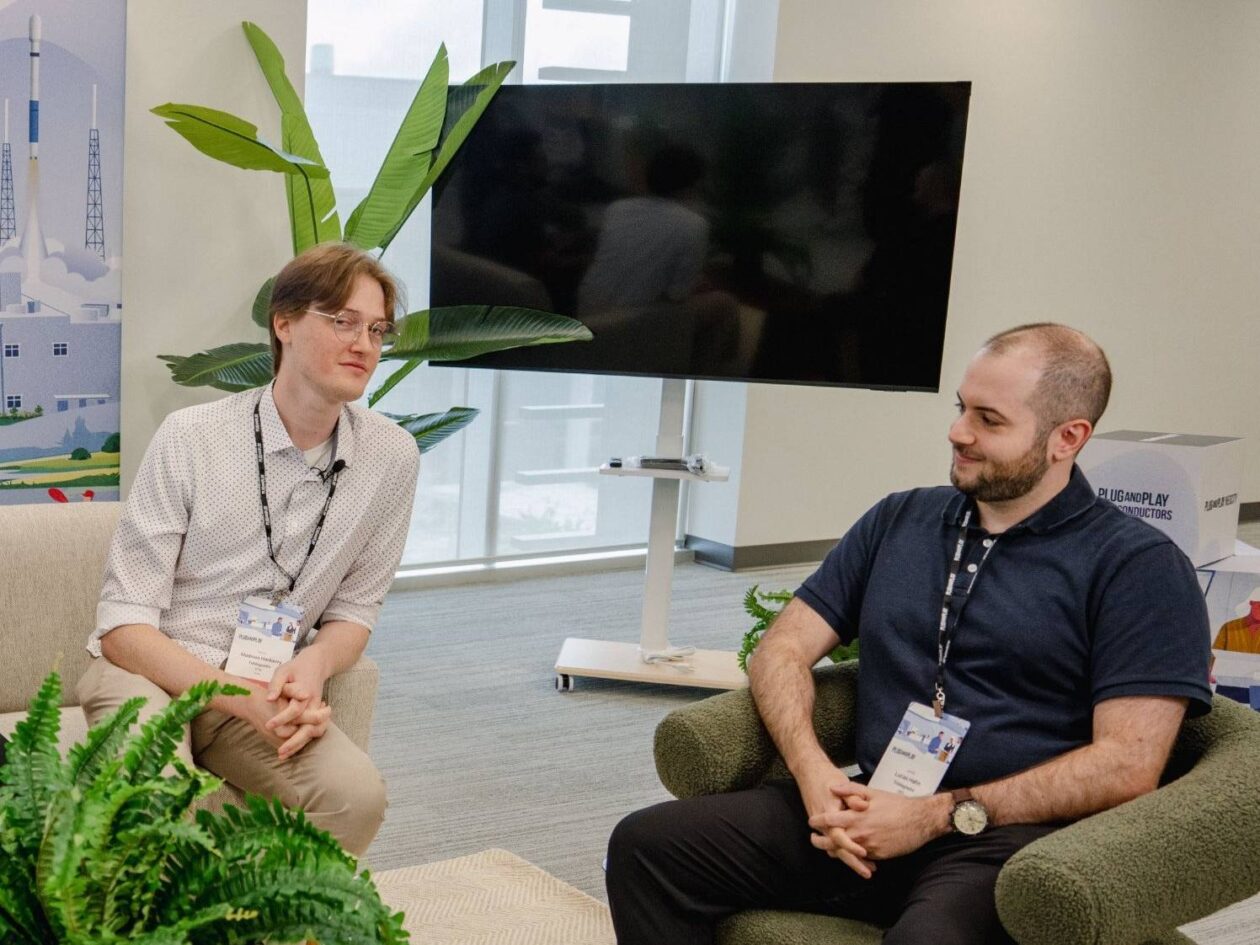
regional: A two-person Seattle startup lands $1M to reinvent
Seattle startup TriMagnetix has secured $1 million to develop semiconductor chips that consume 800 times less energy and are radiation-resistant. The two-person company, leveraging nanomagnetic technology, is targeting space applications and data centers. With new funding and key partnerships, TriMagnetix aims for commercial sales within a year.