
Starlink Mobile (V2) Review: Promising '5G from Space
Starlink Mobile's upcoming V2 satellites promise '5G from space' with significantly improved data density and throughput. While the current service is basic, the V2 upgrade aims for seamless high-speed connectivity, making it a compelling option for remote areas, pending rollout.
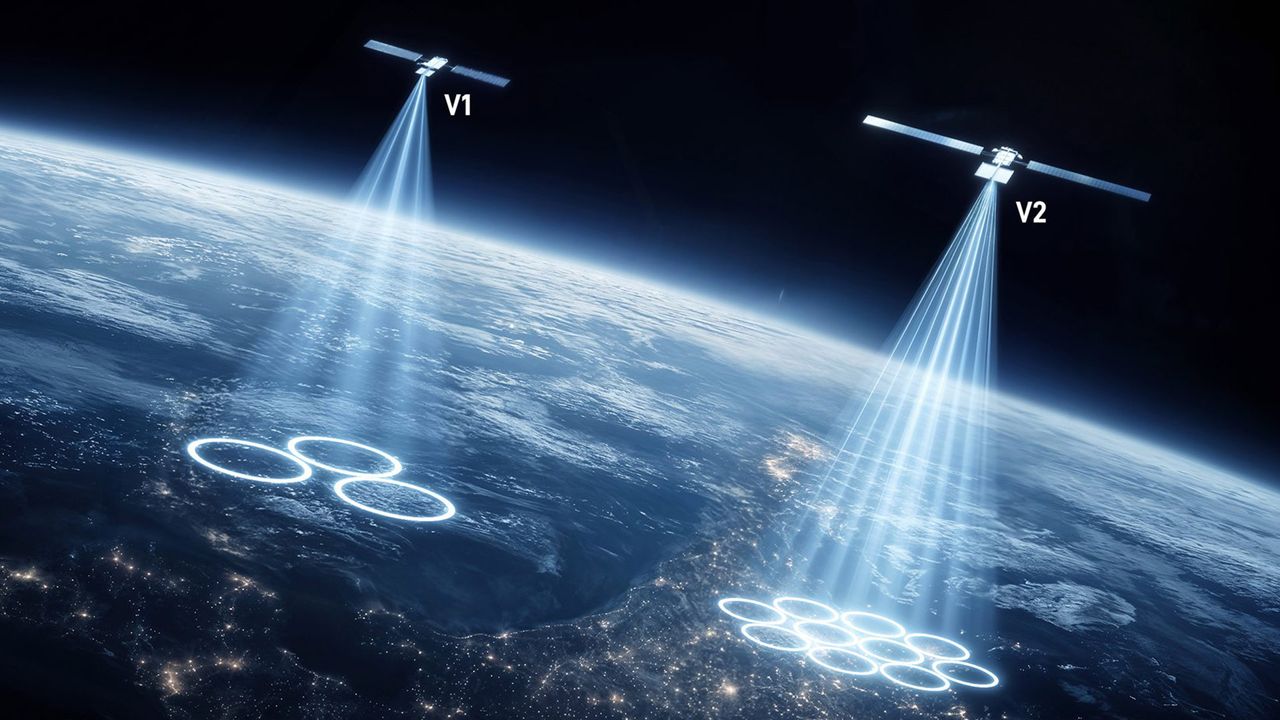
Starlink Mobile, with its impending V2 satellite upgrade, is setting an ambitious course to deliver "5G speeds from space." While the current offering is quite basic, the promised leap in data density and throughput could genuinely redefine connectivity in remote areas, offering a compelling alternative to traditional terrestrial networks. The potential is immense, but the real-world performance and rollout timeline remain critical factors for a final judgment.
Unveiling Starlink Mobile V2: A New Era of Connectivity?
Starlink, a name synonymous with satellite internet, is making waves again with exciting news for its mobile service, recently rebranded from 'Direct to Cell' to 'Starlink Mobile.' The company's official channels have been buzzing about a significant performance overhaul, driven by the next-generation V2 satellites. These new "cellphone towers in space," as they've been dubbed, are expected to introduce a paradigm shift, promising "5G speeds from space" and a staggering "100x the data density" compared to the existing V1 generation satellites. This isn't just an incremental improvement; it's a fundamental re-imagining of what satellite-to-phone communication can achieve.
Key Specifications & Performance Promises
The core of this anticipated upgrade lies within the V2 satellites themselves. Starlink Mobile claims these advanced spacecraft will usher in true "5G speeds from space," an impressive feat given the current limitations of satellite-based mobile connectivity. To put some numbers to these ambitious claims, the V2 upgrade is said to provide a monumental "100x the data density" compared to the V1 satellites. This means a vastly improved capacity for handling more data simultaneously across a given area. Furthermore, each V2 satellite is expected to boast "around 20x the throughput capability," translating to faster individual connections.
The combined effect of these enhancements is projected to make activities like streaming, internet browsing, using high-speed applications, and making voice calls as seamless as they would be on a terrestrial network. Starlink even points to a goal of achieving peak speeds of 150 Mbps per user, a level of performance that would indeed be transformative for a satellite service. Crucially, these V2-powered services are also touted to be compatible with hundreds of existing LTE phones, removing a potential barrier to entry for many users. SpaceX is working towards a substantial constellation of up to 15,000 new V2 satellites to fully realize these '5G from space' ambitions, though the larger Starship rockets are vital for deploying the full-sized V2 units, with V2 Mini satellites already being launched as a stopgap.
User Experience: Current vs. Future Potential
Currently, Starlink Mobile's service, relying on the V1 satellites, is acknowledged to be fairly rudimentary. Reports from various mobile-centric sites suggest it's primarily suitable for 'light data' usage and text messaging. This makes it clear that while 'connectivity where you need it' is a valuable asset, the user experience for anything beyond basic communication is severely limited.
However, the V2 upgrade paints a dramatically different picture. The promise of "5G speeds" and the ability to handle high-demand applications like streaming and voice calls implies a user experience that genuinely rivals traditional mobile networks. A key aspect of this future experience is the envisioned "seamless transition between satellite and terrestrial networks without interruption or degradation in service," especially through partnerships with terrestrial operators like T-Mobile in the U.S. This seamless handover would be a game-changer, allowing users to move between coverage types without even noticing. The compatibility with existing LTE phones further enhances the potential for a smooth user adoption, as it wouldn't require specialized hardware. The full realization of this improved experience is tied to the successful deployment of a sufficient number of V2 satellites, with early 2027 being the most likely timeframe for initial testing and rollout.
Pros and Cons of the V2 Upgrade
Pros:
- Massive Performance Leap: The claimed "100x data density" and "20x throughput" per satellite, along with target 150 Mbps speeds, represent an unprecedented improvement for satellite-to-phone connectivity.
- "5G from Space": The potential to deliver speeds comparable to 5G networks in areas traditionally devoid of high-speed internet is revolutionary.
- Enhanced User Experience: The ability to stream, browse, and make calls seamlessly transforms the service from basic emergency use to a viable daily connectivity option.
- Broad Device Compatibility: Support for hundreds of existing LTE phones means users won't necessarily need to purchase new devices to access the upgraded service.
- Seamless Network Transition: Planned partnerships aim to provide uninterrupted service between satellite and terrestrial networks, a significant convenience.
- Connectivity Where Needed: Retains the fundamental advantage of providing emergency and general connectivity in remote or underserved areas where traditional infrastructure is lacking.
Cons:
- Unproven Performance: The claims are currently theoretical promises. Real-world performance of the V2 satellites in commercial rollout remains to be seen.
- Dependency on Satellite Deployment: The full potential and widespread availability are heavily reliant on SpaceX's ability to launch thousands of V2 satellites, a process that depends on Starship's progress and can take time.
- Rollout Timeline: Initial testing is projected for early 2027, meaning a significant wait for full commercial availability and experience.
- Current Service Limitations: The V1-based Starlink Mobile is currently only suitable for 'light data' and texts, providing a stark contrast to the future vision and potentially creating high expectations that take time to meet.
Comparison to Alternatives
Starlink Mobile's primary appeal lies in its ability to provide connectivity "where you need it," especially in remote regions or for emergency coverage where terrestrial networks fall short. While the current V1 service offers minimal functionality, the V2 upgrade aims to bridge the performance gap with traditional mobile providers.
| Feature | Starlink Mobile (V1 Current) | Starlink Mobile (V2 Promised) | Traditional Mobile Service Providers (e.g., T-Mobile) |
|---|---|---|---|
| Coverage Type | Satellite-to-phone (32 countries, 6 continents) | Satellite-to-phone (32 countries, 6 continents) | Terrestrial cell towers |
| Data Speeds (Current) | Light data, texts only | "5G speeds from space," target 150 Mbps per user | Typically high (4G LTE, 5G), varies by location |
| Data Density / Throughput | Low | "100x data density," "20x throughput" per satellite | High, localized |
| Supported Activities | Texts, very basic data | Streaming, browsing, high-speed apps, voice calls | All internet activities, voice, video |
| Device Compatibility | Not specified for V1, but V2 will support LTE | Compatible with 100s of existing LTE phones | Wide range of smartphones, specific bands |
| Network Transition | N/A | Seamless transition between satellite and terrestrial | Primarily terrestrial, some roaming |
| Key Advantage | Connectivity where traditional networks fail | High-speed connectivity in remote areas, emergency use | Ubiquitous high-speed coverage in populated areas |
| Availability | Commercial rollout started July (V1) | Early 2027 for initial V2 testing/rollout | Widespread in populated areas |
Buying Recommendation
For consumers currently struggling with a lack of mobile connectivity in remote areas, or those requiring reliable emergency communication beyond the reach of traditional cell towers, Starlink Mobile’s V2 upgrade presents a potentially transformative solution. The promises of "5G speeds from space" and significantly enhanced data capabilities are genuinely exciting.
However, it's crucial to approach this with tempered enthusiasm. The V2 service is still in the future, with initial testing expected in early 2027. The current V1 service is quite basic, suitable only for light data and texting. Therefore, if your immediate need is for robust, high-speed mobile data in populated areas, traditional terrestrial providers remain the established choice.
Our Recommendation: Wait and watch. If you are in a geographical region where Starlink Mobile (V2) is expected to roll out and traditional mobile services are non-existent or unreliable, this service could be a game-changer when it fully matures. For now, it’s a service with incredible potential that requires patience and a watchful eye on its real-world performance as V2 satellites are deployed. Don't rush into it based solely on the hype; understand its current limitations and the future timeline. This service is for early adopters and those with genuine connectivity gaps, not a direct replacement for robust urban mobile plans today.
FAQ
Q: When can I expect to experience the Starlink Mobile V2 service?
A: Based on current projections, initial testing of the V2 service is most likely to begin in early 2027. Full commercial availability will depend on the successful deployment of a sufficient number of V2 satellites.
Q: Will I need a new phone to use Starlink Mobile V2?
A: No, Starlink states that the V2 satellites are compatible with hundreds of existing LTE phones, meaning you likely won't need to purchase a new device to access the upgraded service.
Q: How will Starlink Mobile V2 compare to my current 5G phone service?
A: Starlink Mobile V2 aims to deliver "5G speeds from space" with a target of 150 Mbps per user, along with a significantly increased data density and throughput compared to its current V1 generation. This is intended to rival the experience of traditional terrestrial 5G networks, especially in areas where such networks are unavailable, and will also offer seamless transitions between satellite and terrestrial networks through partnerships.
Related articles

Ars Technica's Rocket Report: Your Essential Space Industry Briefing
Quick Verdict Ars Technica's Rocket Report, presented by veteran space reporter Stephen Clark, offers an invaluable and meticulously organized weekly (or similar frequency, implied by "Edition 9.15") digest of the most

Apple iPhone Duo: A Daring Debut with Notable Compromises
Apple's highly anticipated iPhone Duo, priced at $2,000, has gone on pre-order. While hailed as "Apple's most exciting device in a decade" for its innovative foldable design and immersive display, it comes with significant drawbacks like the absence of FaceID and a premium camera.

Tesla Unveils Thruster-Equipped Roadster, 2028 Production Targeted
Tesla has unveiled its second-generation Roadster, featuring cold-gas thrusters co-developed with SpaceX, enabling it to jump and flip. The electric sports car demonstrated 0-60mph in an astonishing 0.81 seconds, with production targeted for 2028. This highly anticipated reveal also serves as a key recruitment tool for Tesla's ambitious AI and robotics initiatives.
KDE Plasma 6.8: A Future-Focused 30th Anniversary Update
Quick Verdict KDE Plasma 6.8, arriving as the "30th Anniversary Edition," is a pivotal release that decisively pushes the desktop environment into the future. With a definitive farewell to native X11 sessions and a
regional: A two-person Seattle startup lands $1M to reinvent
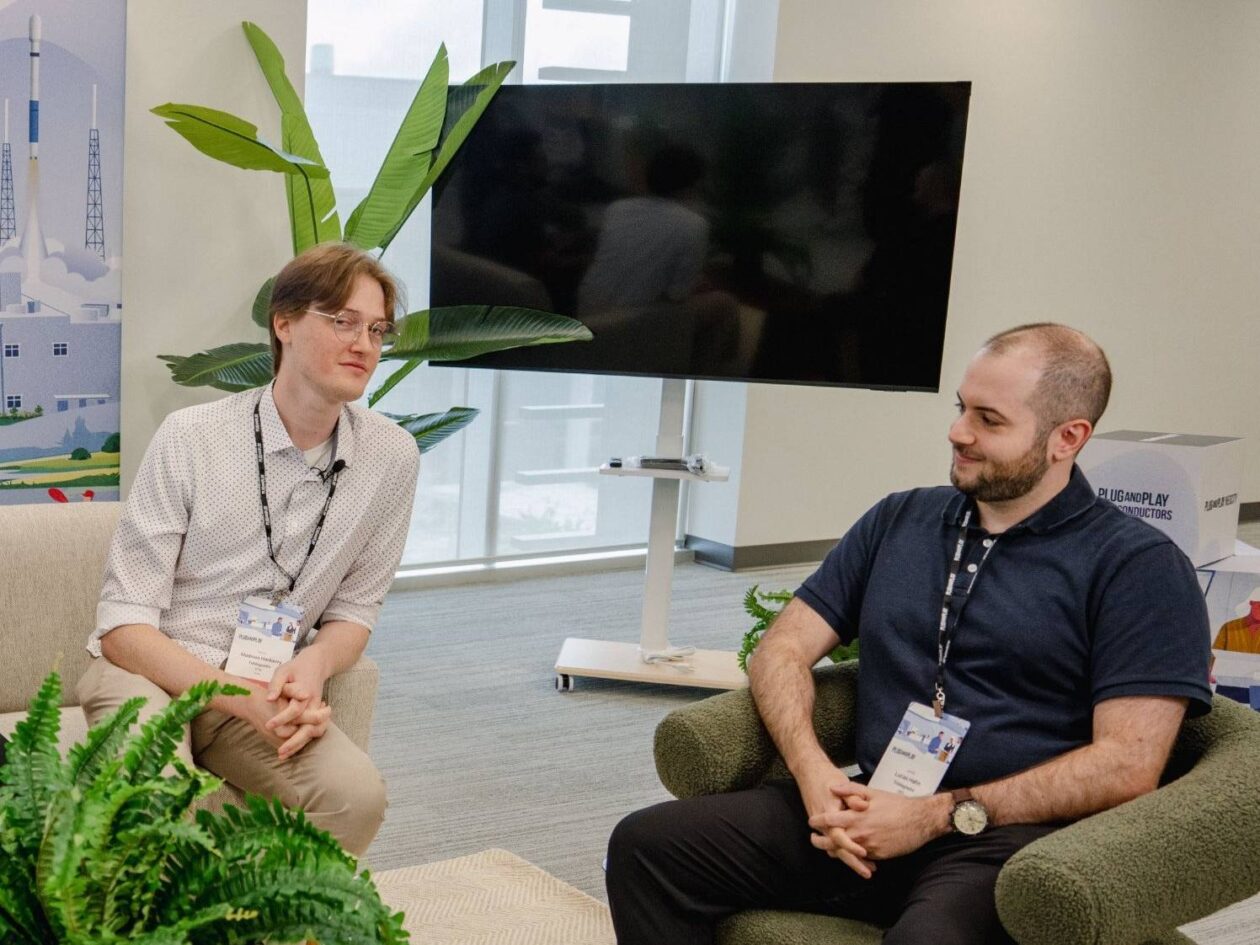
Seattle startup TriMagnetix has secured $1 million to develop semiconductor chips that consume 800 times less energy and are radiation-resistant. The two-person company, leveraging nanomagnetic technology, is targeting space applications and data centers. With new funding and key partnerships, TriMagnetix aims for commercial sales within a year.
Ephemeral PR Preview Environments on GKE: A Deep Dive
Every development team eventually grapples with the limitations of shared staging environments. The familiar scenario: multiple features deployed simultaneously, database migrations clashing, and the phrase "it works on