
Starlink Deorbiting Reports: No Need to Worry (Yet)
Starlink's recent deorbiting of 260 satellites is a routine, engineered safety measure, not a crisis. SpaceX employs proactive, controlled re-entry methods to manage its constellation and mitigate space debris, though environmental impacts are still being studied.
Verdict: Starlink's Proactive Approach to Space Safety
Reports of 260 Starlink satellites recently deorbited by SpaceX might sound alarming at first glance, but a deeper dive into the company's practices reveals a proactive and generally responsible approach to managing its vast constellation. While there are emerging environmental questions that scientists are still exploring, for now, the data suggests that these deorbiting events are a standard, engineered part of Starlink's operation aimed at ensuring space safety and managing orbital debris. Don't lose sleep over it, but remain aware of the evolving scientific understanding.
Key Details: Managing a Mega-Constellation
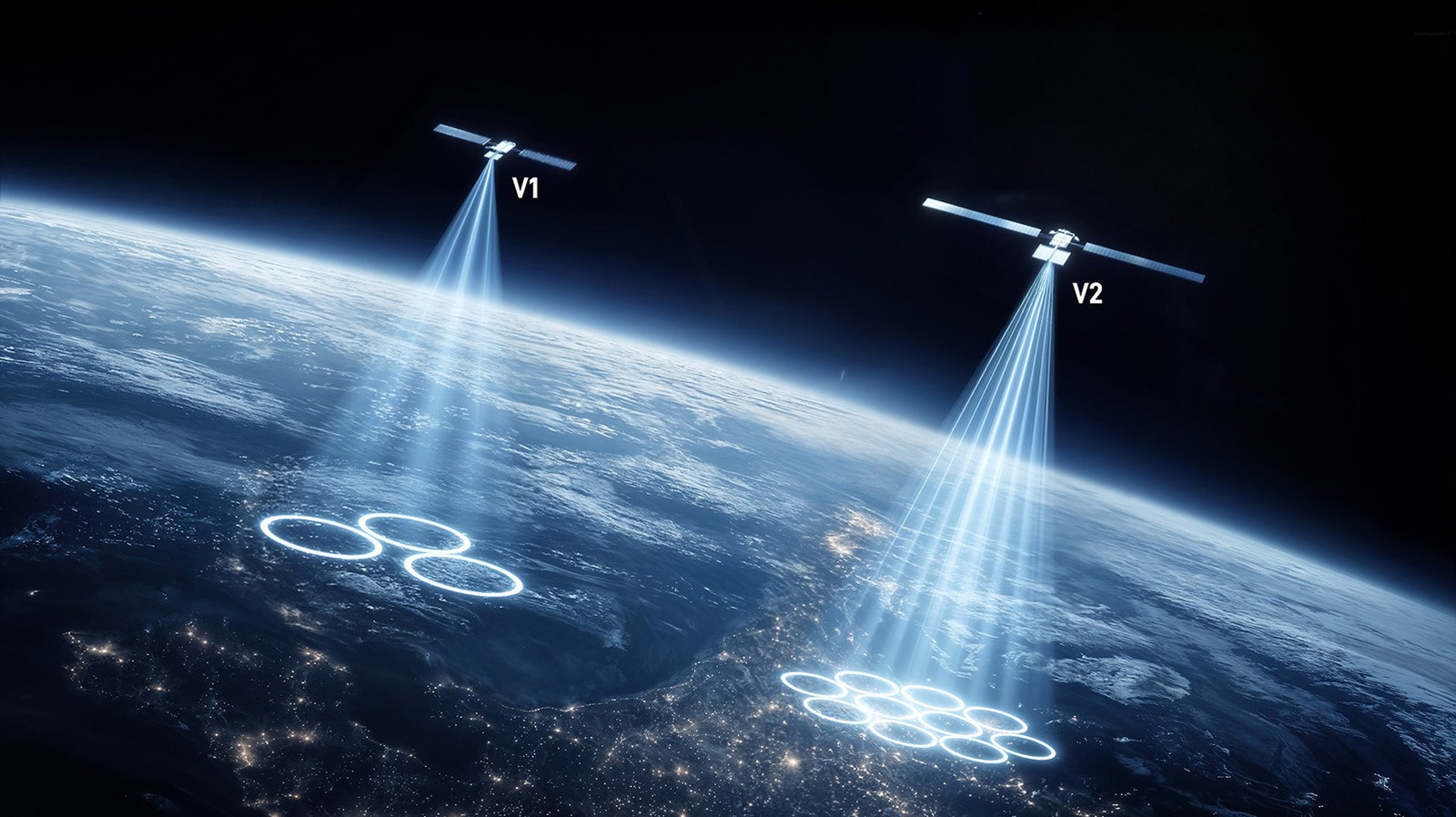
SpaceX's recent semi-annual report to the Federal Communications Commission (FCC) confirmed the deorbiting of 260 Starlink satellites between December 2025 and May 2026. This total comprises 176 first-generation satellites and 84 larger second-generation units. While 260 might seem like a substantial figure, it's consistent with, and even less than, previous deorbiting campaigns. For instance, in 2024, SpaceX proactively deorbited 406 satellites due to a identified issue, followed by nearly 500 more from December 2024 to May 2025.
Starlink satellites are specifically engineered to disintegrate upon re-entry into Earth's atmosphere. To minimize risks, SpaceX strategically plans these deorbits over vast open oceans, carefully avoiding populated areas, islands, or regions with heavy air and maritime traffic. The company maintains precise attitude control down to very low altitudes of approximately 125 km to ensure targeted re-entry. However, SpaceX acknowledges that certain high-melting-point components, such as silicon from V2 mini solar cells, might survive re-entry. Despite this, they predict that only about 5 percent of a satellite's mass could persist, breaking into tiny fragments with negligible impact energy, most likely falling harmlessly into the ocean.
With over 9,500 active Starlink satellites currently providing global internet coverage, and plans to launch a million more for its SpaceXAI orbital data center, deorbiting is a continuous process. The company's commitment to space sustainability is underscored by its practice of operating satellites below 600 kilometers, where atmospheric drag naturally deorbits them within five years. This aligns with a 2022 FCC rule mandating Low Earth Orbit (LEO) satellite operators deorbit their spacecraft within five years of mission completion to combat orbital debris.
Further demonstrating its proactive stance, SpaceX is lowering the orbit of all its satellites from around 550 kilometers to 480 kilometers throughout 2026. According to Michael Nicolls, VP for Starlink Engineering, this move significantly reduces collision likelihood due to lower debris density below 500 kilometers. It also promises quicker deorbiting times and, as noted by Elon Musk, allows for a higher density of customers.
Starlink's Deorbiting Strategy: Engineered for Safety
Starlink's deorbiting strategy isn't a sign of failure but a core part of its operational design. Instead of waiting for satellites to fail naturally, SpaceX implements a "controlled, propulsive deorbit." This method is inherently safer and much quicker than an uncontrolled, ballistic descent from equivalent altitudes. By maintaining maneuverability and collision avoidance capabilities throughout the descent, SpaceX minimizes potential hazards to other active satellites and space infrastructure. This proactive stance is critical in an increasingly crowded Low Earth Orbit, where accidental collisions could have severe consequences for the entire satellite broadband industry.
From a broad operational perspective, this engineered approach to satellite lifecycle management contributes positively to the overall user experience. It ensures the ongoing health of the constellation, minimizing outages caused by aging or faulty satellites, and allows for continuous upgrades to newer, more capable hardware. The company's transparency, through FCC filings, also offers a window into these significant operational decisions, allowing for public and scientific scrutiny.
Pros and Cons of Starlink's Deorbiting Practices
Pros:
- Proactive Management: SpaceX actively deorbits satellites rather than waiting for natural decay or failure, enhancing safety and control.
- Controlled Re-entry: Satellites are directed over open oceans, far from populated areas, significantly reducing terrestrial risk.
- Collision Avoidance: Controlled deorbits maintain satellite maneuverability, allowing for collision avoidance during descent, protecting other orbital assets.
- Orbital Debris Mitigation: Operating at lower altitudes (now moving even lower to 480km) ensures faster natural deorbiting and aligns with FCC regulations for a five-year post-mission deorbit, curbing the growth of space junk.
- High Disintegration Rate: Satellites are designed to burn up almost entirely in the atmosphere, with only about 5 percent of mass expected to survive in tiny, low-impact fragments.
Cons:
- Environmental Impact Concerns: Scientists are still investigating the atmospheric effects of burning satellite materials. The release of black carbon particles from organic composites and aluminum oxide particles from metallic components could potentially affect the atmosphere. Specifically, aluminum oxide might convert ambient chlorine into reactive forms, which could slow the recovery of the ozone layer. The long-term impact remains unclear but is a subject of ongoing scientific inquiry.
- Volume of Deorbits: While individually managed, the sheer number of satellites in orbit and those planned for the future means that deorbiting events will be a continuous and increasing occurrence, necessitating close monitoring of their environmental consequences.
No Direct Alternatives for Comparison (Yet)
While SpaceX is a leader in mega-constellation deployment, the source content primarily focuses on Starlink's practices rather than offering a direct comparison of deorbiting strategies with competing services. Amazon, for example, is also developing its Project Kuiper (Leo broadband service) constellation. However, without specific details on Amazon's or other companies' deorbiting numbers or environmental impact studies within the provided text, a direct, data-driven comparison is not feasible at this time. What is clear is that the growth of mega-constellations across multiple companies will make the questions around space sustainability and environmental impact increasingly relevant for the entire industry.
Recommendation: Stay Informed, But Don't Overreact
Based on the current information, reports of Starlink satellites deorbiting should not be a cause for immediate alarm for the general public. SpaceX has implemented a detailed, proactive strategy for satellite end-of-life management that prioritizes safety and orbital debris mitigation. The company's efforts to control re-entry locations, design satellites for atmospheric burn-up, and lower orbital altitudes demonstrate a commitment to responsible space operations.
However, it's crucial to acknowledge the unresolved scientific questions regarding the environmental impact of recurring deorbit events. As the number of satellites in LEO continues to grow exponentially, the long-term effects of atmospheric re-entry on our ozone layer and climate will require ongoing research and transparency from all operators. For consumers and concerned citizens, the recommendation is to stay informed about scientific developments in this area and to support policies that encourage sustainable space practices, while recognizing that current deorbiting procedures are designed to be as safe as possible.
FAQ
Q: Is it safe for Starlink satellites to deorbit over Earth? A: Yes, SpaceX designs its Starlink satellites to burn up almost completely upon re-entry into Earth's atmosphere. To ensure safety, deorbiting events are carefully planned to occur over vast open oceans, away from populated areas, islands, or busy air and maritime traffic routes. The company maintains precise control during descent to target specific, safe re-entry zones.
Q: Do deorbiting Starlink satellites create space junk? A: SpaceX's strategy is designed to minimize space junk. Satellites are intended to fully disintegrate, and the company proactively deorbits them. Furthermore, Starlink satellites operate at altitudes where atmospheric drag naturally pulls them down within five years if they were to fail, aligning with FCC regulations to reduce orbital debris. This controlled approach is specifically intended to prevent inactive satellites from becoming uncontrolled space debris.
Q: Are there any environmental concerns with Starlink satellites burning up in the atmosphere? A: Scientists are actively studying potential environmental impacts. Concerns have been raised regarding black carbon particles from burning organic materials and aluminum oxide particles from metallic components. Some researchers suggest that aluminum oxide could potentially affect the ozone layer's recovery by converting chlorine into reactive forms. However, the exact impact is currently unclear and is a subject of ongoing scientific investigation as satellite mega-constellations become more prevalent.
Related articles
Android 17 QPR2 Beta 7.1: The Performance Relief You've Been Waiting
Android 17 QPR2 Beta 7.1: Finally Fixing the QPR1 Performance Woes Verdict: Android 17 QPR2 Beta 7.1 is a crucial and highly anticipated software update for Google Pixel users, specifically targeting and resolving the

DJI Solo Video Setups: Smart Choices for Lone Creators
This review delves into DJI's recommended solo video setups, highlighting the Osmo Pocket 3 Creator Combo as a top pick for its integrated camera, gimbal, and mic. It also covers stabilizers like the Osmo Mobile 8 and RS 4, and the DJI Mic Mini series for enhanced audio, providing honest pros, cons, and clear buying advice.

TCG Pocket Responds: A Much-Needed Pace Shift for Pokémon Fans
Pokémon TCG Pocket is rolling out a major update for its second anniversary, primarily addressing player concerns about overwhelming content releases by shifting to a six-week set schedule. This aims to curb player decline and improve overall engagement by giving trainers more time to collect and strategize. The update also adds new collection methods, improved deck-building features, and enhanced trading functionality.

Ars Technica's Rocket Report: Your Essential Space Industry Briefing
Quick Verdict Ars Technica's Rocket Report, presented by veteran space reporter Stephen Clark, offers an invaluable and meticulously organized weekly (or similar frequency, implied by "Edition 9.15") digest of the most

Apple iPhone Duo: A Daring Debut with Notable Compromises
Apple's highly anticipated iPhone Duo, priced at $2,000, has gone on pre-order. While hailed as "Apple's most exciting device in a decade" for its innovative foldable design and immersive display, it comes with significant drawbacks like the absence of FaceID and a premium camera.

Tesla Unveils Thruster-Equipped Roadster, 2028 Production Targeted
Tesla has unveiled its second-generation Roadster, featuring cold-gas thrusters co-developed with SpaceX, enabling it to jump and flip. The electric sports car demonstrated 0-60mph in an astonishing 0.81 seconds, with production targeted for 2028. This highly anticipated reveal also serves as a key recruitment tool for Tesla's ambitious AI and robotics initiatives.