
Rocket Report: Your Essential Space News Briefing
Rocket Report: Your Essential Space News Briefing Quick Verdict: The Rocket Report, as presented by Ars Technica, stands out as a highly comprehensive and detailed weekly digest for anyone deeply invested in the space
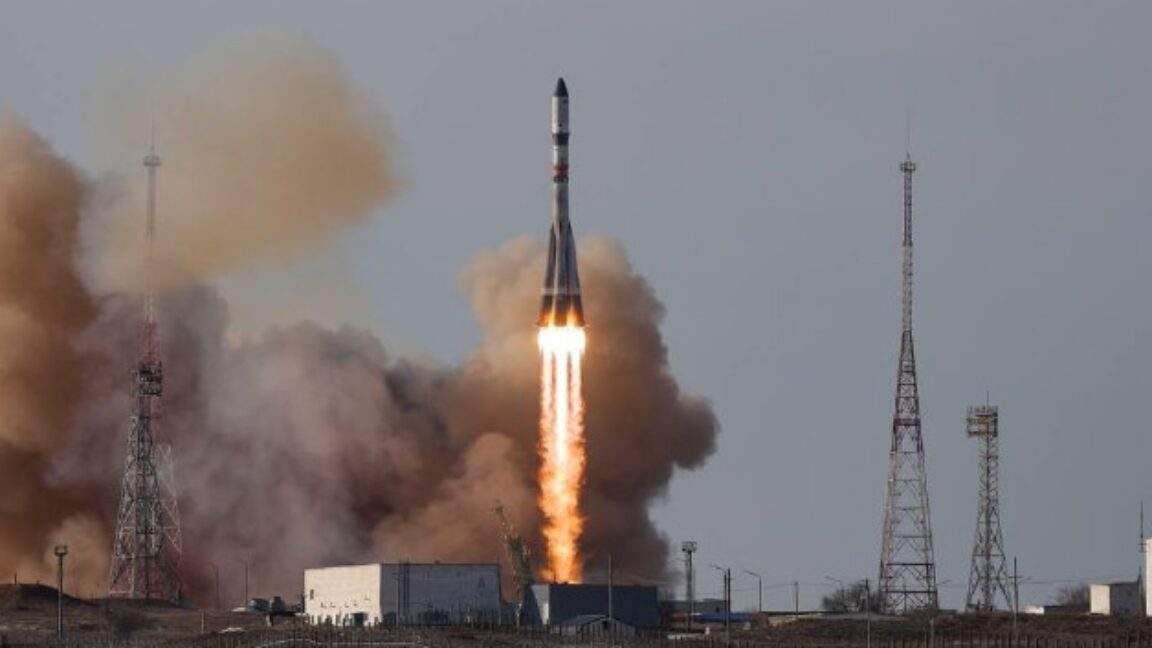
Rocket Report: Your Essential Space News Briefing
Quick Verdict: The Rocket Report, as presented by Ars Technica, stands out as a highly comprehensive and detailed weekly digest for anyone deeply invested in the space industry. It provides an honest, in-depth look at critical developments across government, military, and private space sectors, making it an invaluable resource for staying informed, albeit sometimes densely packed with information.
What the Rocket Report Covers: A Deep Dive into Space
The Rocket Report isn't a single product but a recurring, curated news service that brings together the most significant developments in space exploration and technology. For this edition, it offers a sweeping overview of recent events, demonstrating its commitment to broad coverage.
Key areas of focus this week include:
- NASA's Evolving Exploration Strategy: A significant portion of the report details NASA's shift in lunar plans, moving away from a space station like Gateway to prioritize a surface base on the Moon. It introduces the ambitious Space Reactor-1 (SR-1 Freedom) mission, aiming to demonstrate nuclear-electric propulsion in deep space before 2028, repurposing hardware initially intended for Gateway. This highlights the report's ability to cover significant policy shifts and future-forward initiatives.
- Launch Updates and Setbacks: The report meticulously tracks global launch activities. It covers Isar Aerospace's Spectrum rocket scrub due to an unauthorized boat, a mysterious missile test from Cape Canaveral (likely a hypersonic weapon), and the secretive launch of Russia's Rassvet internet satellites from Plesetsk. This demonstrates its commitment to both commercial and national security space developments.
- International Space Station (ISS) Operations: Readers get updates on Russian operations, including the repair of Baikonur’s Site 31 launch pad and the manual docking of the Progress MS-33 supply ship to the ISS following an antenna failure. These details provide a granular look at ongoing space station logistics and challenges.
- Commercial Space Industry Dynamics: Amazon’s Project Kuiper, aiming to significantly ramp up its satellite launch cadence, is a major focus. The report highlights Amazon's reliance on grounded rockets like ULA's Vulcan, its pivot to Atlas V and Ariane 6, and additional purchases of SpaceX Falcon 9 launches to meet deployment goals. This showcases the report's insights into commercial competition and supply chain issues.
- Military Space Developments: The establishment of new US Space Force cyber squadrons at Patrick and Vandenberg bases to fortify spaceports against cyber attacks underscores the report’s attention to space security. Furthermore, the Space Force's decision to transfer a crucial GPS satellite launch from ULA's grounded Vulcan to SpaceX's Falcon 9 illustrates the ripple effects of launch vehicle issues on national security missions.
- Rocket Technology and Safety: NASA's intentional methane-fueled rocket explosions at Eglin Air Force Base to fine-tune range safety protocols for next-generation launchers like Starship and Vulcan offer a fascinating look into the scientific underpinnings of space launch safety.
Editorial Quality and User Experience
The Rocket Report's strength lies in its editorial depth and clear presentation. Sourced heavily from Ars Technica's own esteemed space reporters, Eric Berger and Stephen Clark, the content is consistently well-researched and authoritative. For a reader, this means access to detailed analyses and well-contextualized information. The report often includes specific figures, such as NASA's $4.5 billion investment in Gateway or the Rassvet satellites' weight and planned constellation size, providing concrete data points.
The structure, breaking down news by topic or specific mission, generally aids readability despite the volume of information. However, due to its comprehensive nature, some sections can feel quite dense, making it better suited for dedicated enthusiasts or professionals rather than a casual scroll. The inclusion of reader submissions also adds a community-driven element, suggesting a responsive editorial team.
Pros and Cons
Pros:
- Highly Comprehensive: Covers a wide array of topics from policy changes to military tests, commercial ventures, and scientific investigations.
- Detailed and Well-Sourced: Draws on the expertise of Ars Technica's space team, providing in-depth analysis and specific facts.
- Timely Information: Delivers recent developments, including mission scrubs, launch schedule changes, and policy announcements.
- International Scope: Includes news from Russia, Europe, and the US, offering a global perspective on space activities.
- Future-Oriented: Regularly discusses upcoming missions and strategic shifts, like NASA's nuclear rocket plans.
Cons:
- Information Density: Can be overwhelming for new or casual readers due to the sheer volume of detailed information.
- Potential for Interruption: The report notes a potential skip next week for Artemis II coverage, which, while understandable for a major event, might disrupt the expected weekly cadence for subscribers.
- Focus on Ars Content: While a strength, the heavy reliance on Ars Technica's own reporting could be perceived as having a specific editorial lens, though this often means higher quality and consistency.
Recommendation for Subscribers
For anyone with a serious interest in space exploration, industry, and policy, the Rocket Report is an essential subscription. It acts as a highly effective aggregator and analyst, saving you the time of sifting through countless individual news sources. If you value deep, honest reporting and want to stay abreast of the complex, rapidly evolving world of space, subscribing to the Rocket Report is a clear choice. It’s particularly beneficial for those who appreciate the intersection of technology, science, policy, and business in space.
FAQ
Q: Who is the Rocket Report best suited for?
A: The Rocket Report is best suited for dedicated space enthusiasts, industry professionals, academics, or anyone requiring a comprehensive, detailed, and regularly updated overview of global space activities and policy shifts.
Q: Does the Rocket Report cover both government and private space initiatives?
A: Yes, the Rocket Report provides extensive coverage of both government-led space agencies (like NASA and Roscosmos) and private commercial space companies (such as Isar Aerospace, Amazon, ULA, and SpaceX), offering a balanced view of the entire sector.
Q: How does the Rocket Report compare to just following individual space reporters?
A: The Rocket Report serves as a curated digest, compiling key insights and updates from various sources, including Ars Technica's top space reporters. It offers a structured, weekly summary that can be more efficient than trying to follow every individual story from multiple reporters and outlets in real-time.
Related articles
Android 17 QPR2 Beta 7.1: The Performance Relief You've Been Waiting
Android 17 QPR2 Beta 7.1: Finally Fixing the QPR1 Performance Woes Verdict: Android 17 QPR2 Beta 7.1 is a crucial and highly anticipated software update for Google Pixel users, specifically targeting and resolving the

DJI Solo Video Setups: Smart Choices for Lone Creators
This review delves into DJI's recommended solo video setups, highlighting the Osmo Pocket 3 Creator Combo as a top pick for its integrated camera, gimbal, and mic. It also covers stabilizers like the Osmo Mobile 8 and RS 4, and the DJI Mic Mini series for enhanced audio, providing honest pros, cons, and clear buying advice.
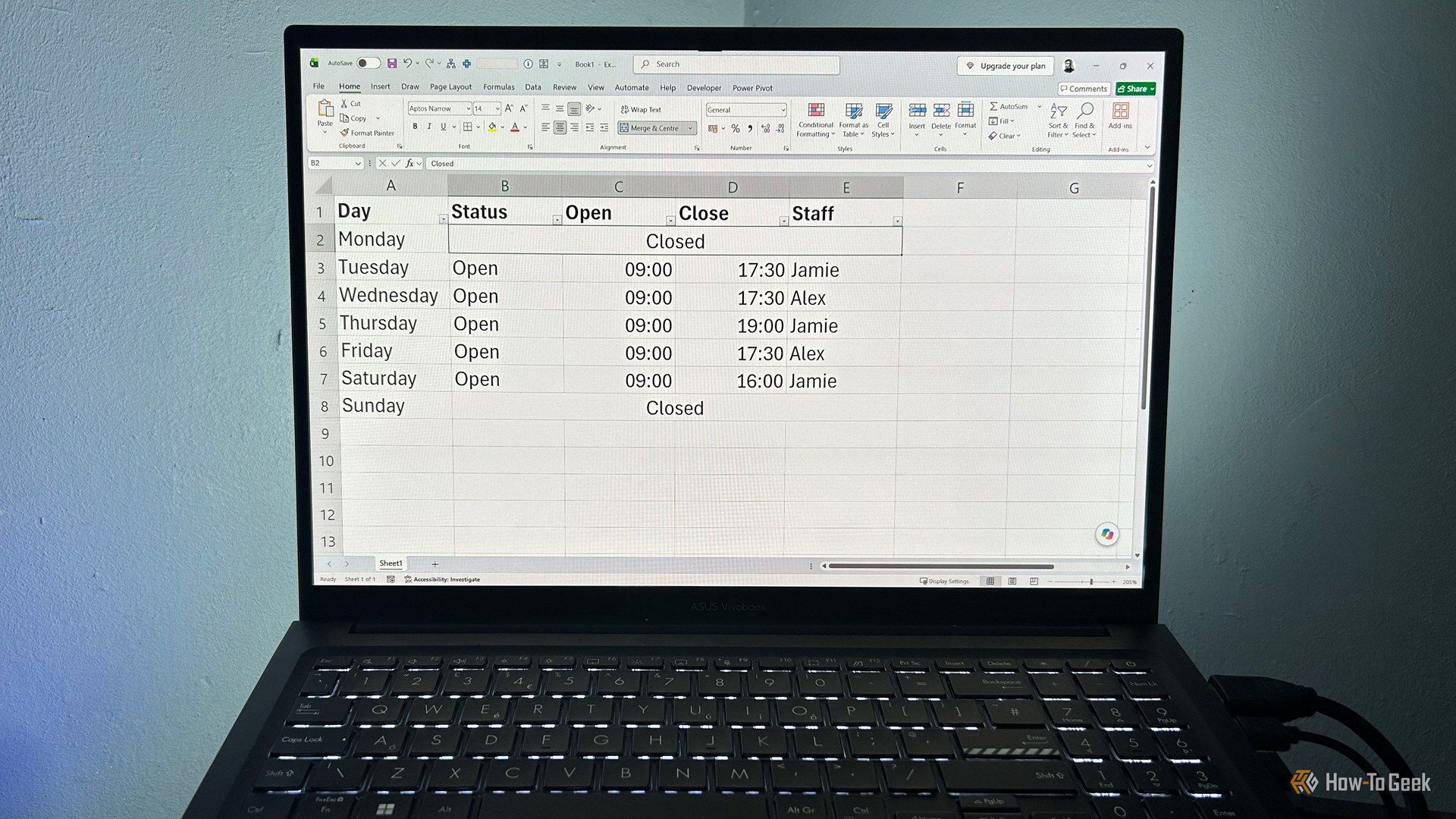
Ditch Merge & Center: The Better Way to Align Text in Excel
Learn to use Excel's "Center Across Selection" to align text across cells without merging, avoiding common data manipulation issues. This guide provides steps to utilize this newly accessible feature and add it to your Quick Access Toolbar.

Ars Technica's Rocket Report: Your Essential Space Industry Briefing
Quick Verdict Ars Technica's Rocket Report, presented by veteran space reporter Stephen Clark, offers an invaluable and meticulously organized weekly (or similar frequency, implied by "Edition 9.15") digest of the most

Apple iPhone Duo: A Daring Debut with Notable Compromises
Apple's highly anticipated iPhone Duo, priced at $2,000, has gone on pre-order. While hailed as "Apple's most exciting device in a decade" for its innovative foldable design and immersive display, it comes with significant drawbacks like the absence of FaceID and a premium camera.

Tesla Unveils Thruster-Equipped Roadster, 2028 Production Targeted
Tesla has unveiled its second-generation Roadster, featuring cold-gas thrusters co-developed with SpaceX, enabling it to jump and flip. The electric sports car demonstrated 0-60mph in an astonishing 0.81 seconds, with production targeted for 2028. This highly anticipated reveal also serves as a key recruitment tool for Tesla's ambitious AI and robotics initiatives.