
Reviving WA's Maritime Transit: A Dev's Look at the New Ferry Tech
Washington's current car-and-passenger ferry system is unreliable. The 'Mosquito Fleet Act' proposes empowering local districts to rapidly deploy passenger-only ferries. This aims to revitalize maritime transit, leverage local shipbuilding expertise, and foster clean tech.

Reviving WA's Maritime Transit: A Dev's Look at the New Ferry Tech Bill
TL;DR
Washington's current car-and-passenger ferry system is unreliable. The 'Mosquito Fleet Act' proposes empowering local districts to rapidly deploy passenger-only ferries. This aims to revitalize maritime transit, leverage local shipbuilding expertise, and foster clean tech.
The Problem / Context
Washington State's critical ferry service is notoriously unreliable. An aging fleet of vehicle-carrying vessels, coupled with persistent crew shortages, leads to frequent breakdowns and cancellations. This impacts daily commutes, restricts access to medical care in island communities, and hinders regional tourism. The state's long-term plan for hybrid-electric vehicle ferries faces significant delays and massive funding gaps.
State Representative Greg Nance, sponsor of House Bill 1923, highlights the urgency. He notes that the previous generation's ability to rely on ferries for livelihood is no longer possible. Beyond local challenges, Nance points to a global disparity in shipbuilding: "China builds about 100 ships for every one American ship. That’s completely unsustainable... We need to get our edge back." This bill seeks to re-establish Washington as an advanced maritime manufacturing hub.
How It Works
The "Mosquito Fleet Act" (HB 1923) is designed to streamline the establishment of new passenger ferry services by modifying existing state laws. It grants authority to various local governmental entities—including port districts, cities, counties, municipal, regional, and unincorporated transit systems—to create their own passenger ferry districts and define routes across Puget Sound and the Washington coast.
Financially, the legislation empowers these new ferry systems with mechanisms to generate revenue. They could levy a local sales tax of up to 0.3%, implement commercial parking taxes, and collect passenger tolls and advertising fees. This decentralized approach aims to provide necessary capital for vessel acquisition, infrastructure, and operational costs, reducing reliance on the state's main ferry system budget.
Key Features / Implementation
The focus on passenger-only ferries is strategic: they are generally less expensive to build and operate, and can be deployed more rapidly than car-carrying vessels. Maritime sector advocate Peter Philips states, "You can build one of those boats in 18 months in a Puget Sound yard. All the expertise is here." This local shipbuilding capacity is a cornerstone of the bill's vision to revive advanced maritime manufacturing.
Sustainability is also a core consideration. Washington Maritime Blue, a key supporter, advocates for "low- or zero-emission vessels," emphasizing that this commitment would position Washington as a "global leader in clean maritime innovation." The organization also pushes for stronger safeguards for endangered orcas through its Quiet Sound program, promoting noise-reduction technologies.
Existing passenger-only services, such as Kitsap Transit's high-speed ferries between Seattle and Bremerton, Kingston, and Southworth, and King County's water taxis, serve as operational precedents, demonstrating the viability and demand for such rapid transit options.
Performance / Comparison
The proposed passenger-only system offers significant performance advantages over the current vehicle-ferry model. These smaller vessels are quicker to design and construct, allowing for deployment within an 18-month timeframe once a district is established. This contrasts sharply with the slow, underfunded transition of WSDOT's larger, hybrid-electric fleet.
Operationally, these ferries aim to provide faster, more reliable commutes for workers and improved access for residents needing medical care. By boosting tourism in previously hard-to-reach areas, they also promise economic benefits. Rep. Nance views this as a critical step for the U.S. to regain its competitive standing in maritime manufacturing against global rivals, shifting focus to agility and specialized production.
Getting Started
HB 1923 has successfully passed the House with bipartisan support and now proceeds to a Senate committee hearing. With the legislative session ending March 12, its approval faces a tight deadline.
If enacted, the legislation would enable local entities to establish new ferry districts and routes. This would pave the way for rapid vessel commissioning. For example, a proposed electric ferry service between Seattle and Tacoma, planned for a 2026 FIFA World Cup pilot, currently requires the legislative permissions this bill grants. Potential new routes include San Juan Islands to Sidney, B.C.; San Juan inter-island service to Bellingham; Port of Everett to South Whidbey; and Olympia to Sea-Tac via Des Moines.
Developer FAQ
Q: What tech opportunities could arise from this? A: Beyond advanced manufacturing for vessel construction, think propulsion system innovation (low/zero-emission, battery management), fleet management software (scheduling, logistics, predictive maintenance), real-time passenger information systems, and potentially marine autonomy or automation in operations. This initiative is a strong signal for investing in Washington's maritime tech ecosystem.
Q: How does this contribute to sustainability? A: The push for low- or zero-emission vessels means direct investment into clean propulsion technologies, reducing the carbon footprint of maritime transit. Additionally, efforts to protect endangered orcas (Quiet Sound program) will require acoustic monitoring, noise reduction tech, and advanced navigation systems to minimize environmental impact.
Q: What are the funding models for these new services? A: New ferry districts can generate revenue through a combination of a local sales tax (up to 0.3%), commercial parking taxes, passenger tolls, and advertising fees. This provides localized, dedicated funding streams.
Q: What's the expected timeline for new vessel deployment? A: Maritime advocates suggest a single passenger-only vessel could be built in approximately 18 months once a district is formed and funding secured. The immediate hurdle is legislative approval by March 12.
Q: Are there existing tech precedents in the region? A: Yes, current operations like Kitsap Transit's high-speed passenger-only ferries and King County Water Taxis demonstrate existing infrastructure and operational models for rapid maritime transit, which could inform new system architectures.
Related articles

Mark Wahlberg on using AI in film ‘the right way’ and being open to
Actor Mark Wahlberg believes AI has a place in filmmaking if used responsibly for enhancement, not script generation or actor replacement. At TechCrunch Disrupt, he expressed openness to an AI likeness carrying on his legacy, managed by his family, and emphasized storytelling.

Ars Technica's Rocket Report: Your Essential Space Industry Briefing
Quick Verdict Ars Technica's Rocket Report, presented by veteran space reporter Stephen Clark, offers an invaluable and meticulously organized weekly (or similar frequency, implied by "Edition 9.15") digest of the most

AI's Confidence vs. Formal Methods' Rigor: Design Flaws & Verification
While AI accelerates code generation, formal methods remain critical for ensuring system correctness. Languages like TLA+ and tools like Quint enable developers to model and verify system designs before coding, catching subtle flaws. Quint makes formal methods more accessible with developer-friendly syntax and executability. This approach is vital for verifying AI-generated code through trace validation and model-based testing, ensuring reliability against real-world data.
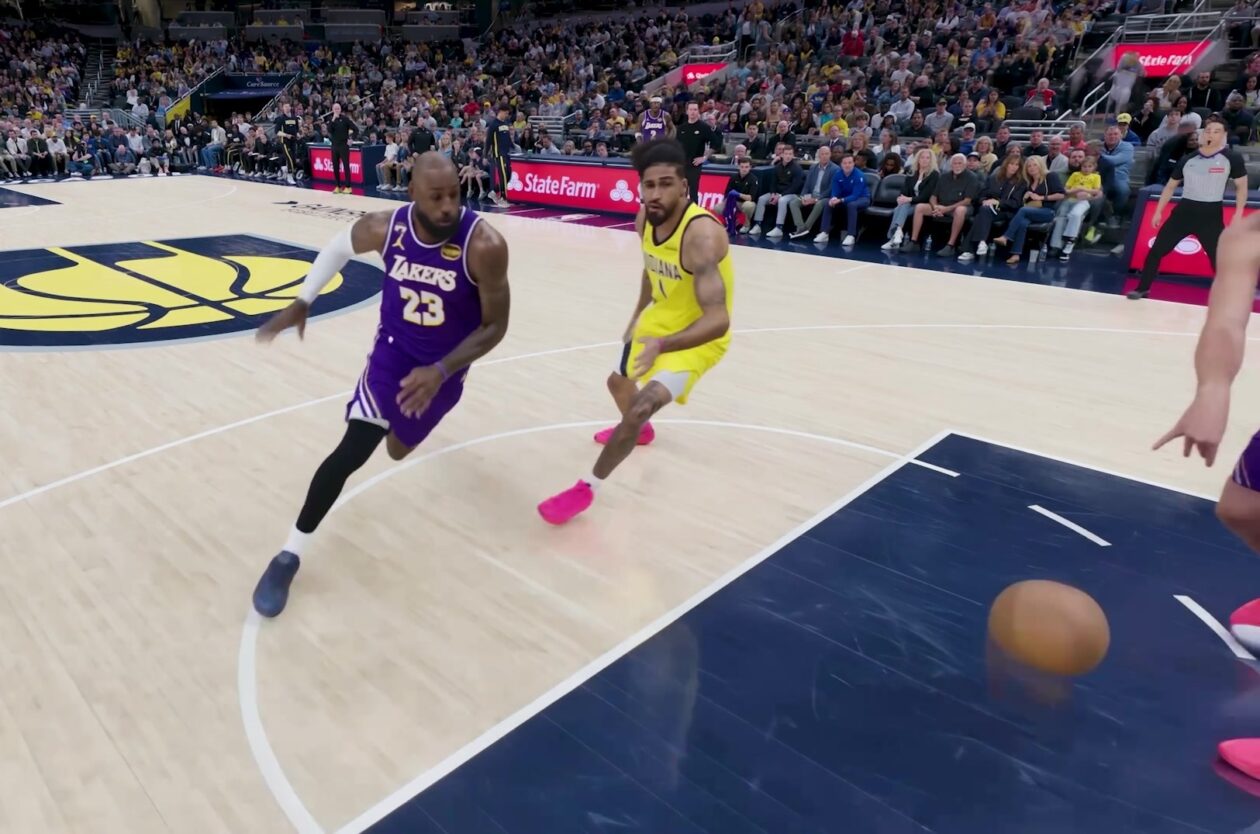
Amazon Prime Video Launches AI-Powered Prime 360 for NBA Coverage
Amazon Prime Video is elevating its NBA coverage with the introduction of Prime 360, an AI-powered replay system offering immersive, 'fly through' views of the action. Kicking off its second season, Prime Video also adds Yahoo fantasy integration and gains exclusive Eastern Conference Finals rights, expanding its tech-driven sports broadcast. The new features aim to deliver a unique and interactive viewing experience for basketball fans.
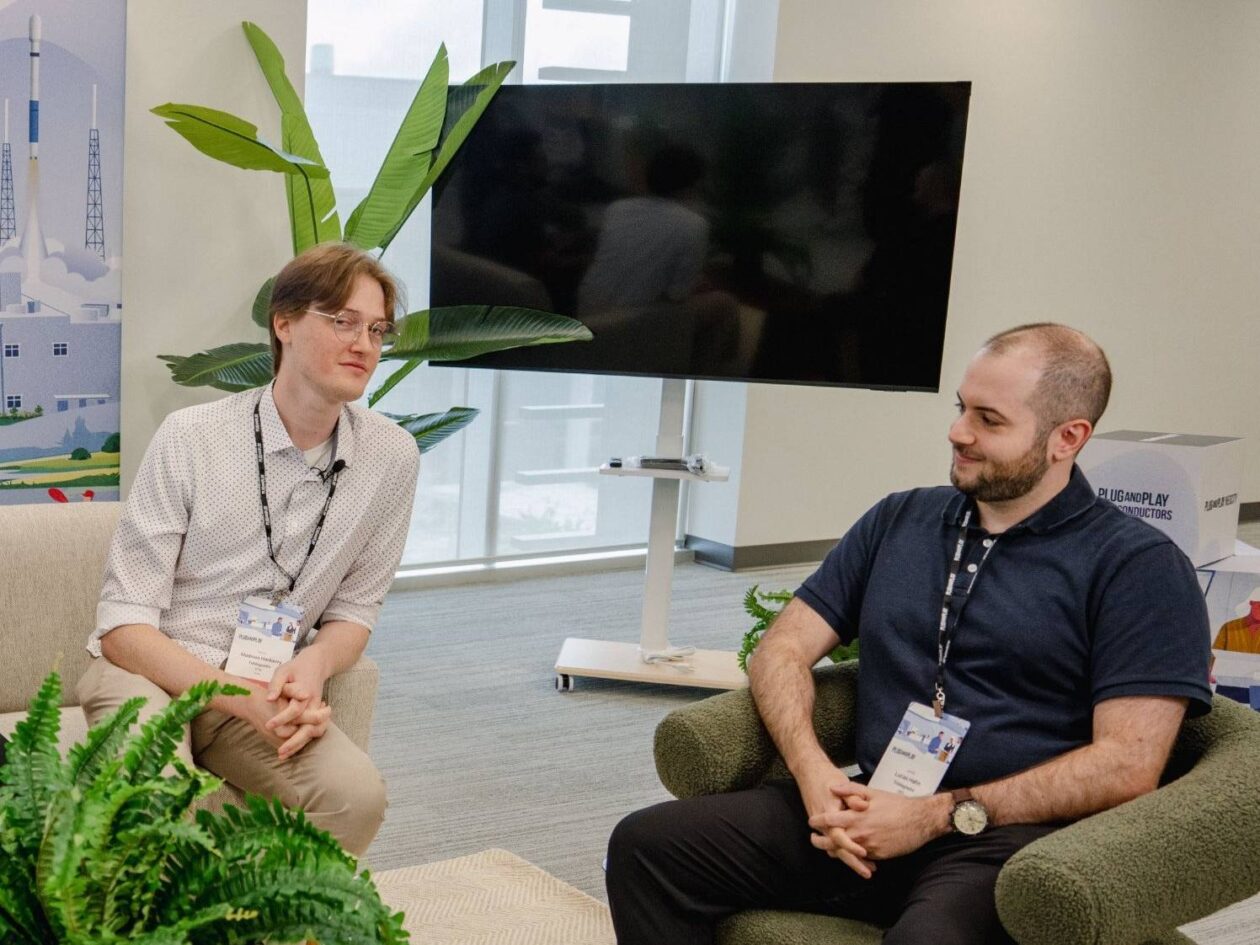
regional: A two-person Seattle startup lands $1M to reinvent
Seattle startup TriMagnetix has secured $1 million to develop semiconductor chips that consume 800 times less energy and are radiation-resistant. The two-person company, leveraging nanomagnetic technology, is targeting space applications and data centers. With new funding and key partnerships, TriMagnetix aims for commercial sales within a year.
Ephemeral PR Preview Environments on GKE: A Deep Dive
Every development team eventually grapples with the limitations of shared staging environments. The familiar scenario: multiple features deployed simultaneously, database migrations clashing, and the phrase "it works on