
Iowa's Right-to-Repair Bill: A Dev's View on Tractor Tech Battle
A new Iowa bill granting farmers the right to repair their equipment poses a significant challenge to manufacturers like John Deere. For developers, this necessitates a re-evaluation of proprietary hardware, embedded software, and diagnostic ecosystems, pushing towards more open, modular, and repairable product designs. It highlights a broader industry trend towards user autonomy over complex, embedded systems.

Iowa's Right-to-Repair Bill: A Dev's View on Tractor Tech Battle
TL;DR
A new Iowa bill grants farmers the right to repair their equipment, challenging manufacturers like John Deere. For developers, this necessitates re-evaluating proprietary hardware, embedded software, and diagnostic ecosystems, pushing towards more open, modular, and repairable designs. It signals a broader industry shift towards user autonomy in complex, connected systems.
The Problem / Context
A proposed bill in Iowa aims to empower farmers with the "right to repair" their agricultural machinery. This legislative effort directly confronts the prevailing business model of major manufacturers, notably John Deere, which often relies on a tightly controlled service network, proprietary parts, and specialized diagnostic software exclusively for authorized dealers.
From a developer's perspective, modern farm equipment integrates mechanical systems, embedded processors, sensor arrays, proprietary firmware, and complex software-driven diagnostics. Developers are instrumental in crafting these intricate ecosystems. The "right to repair" movement champions user access to necessary tools, information, and parts for maintenance, reducing dependence on exclusive service channels. Such legislation directly impacts fundamental design principles and architectural assumptions for embedded software and hardware, compelling developers to reconsider how products are designed, maintained, and how technical information is made accessible throughout the product lifecycle.
How It Works (Technical Implications for Developers)
For developers, implementing "right to repair" redefines product design and support:
- Diagnostic Tool Accessibility: Farmers would require access to the same diagnostic software and hardware interfaces currently restricted to authorized technicians, implying open APIs, standardized protocols, or user-facing internal tools.
- Comprehensive Documentation: Availability of detailed repair manuals, circuit diagrams, service bulletins, and deeper technical specifications (e.g., API documentation for system modules).
- Parts Interoperability: Enabling use of genuine, third-party, or remanufactured parts, necessitating re-evaluation of component authentication or integration within the machine's software.
- Firmware and Software Access: Capacity for owners to securely flash firmware updates, recalibrate sensors, or reset control modules, currently requiring specialized, proprietary software and security keys.
- Security Redesign: Balancing open access with robust security protocols to prevent unsafe modifications, protect intellectual property, and ensure safe operation. This demands innovative architectural solutions for controlled access.
- Data Rights: Clarifying ownership and access rights for operational data generated by the equipment for diagnostics and repair.
Key Features / Implementation (Designing for Repairability)
Should right-to-repair become standard, developers would likely incorporate these design features:
- Open Diagnostic Interfaces: Design and expose standardized APIs or communication protocols (e.g., extensions to J1939) for accessing critical sensor data, error codes, and control parameters, promoting broader tool compatibility.
- Modular Software Architecture: Structure firmware and control systems so individual components can be diagnosed, serviced, or replaced without proprietary toolchains or extensive system-wide recalibration.
- Secure Firmware Update Mechanisms: Implement cryptographically signed bootloaders and update processes allowing authorized users (e.g., farmers) to perform updates securely, without compromising system integrity or requiring dealer-specific credentials.
- API-First Serviceability: Treat diagnostic and service functions as first-class citizens, exposed via documented APIs accessible by authorized third parties, moving away from obscure or proprietary protocols.
- Machine-Readable Documentation: Transition from PDF manuals to structured, machine-readable formats for service guides, parts lists, and diagnostic procedures, potentially via public repositories or programmatic interfaces.
- Telemetry and Data Access Controls: Develop systems enabling owners to securely access and utilize their equipment's operational data for diagnostics and performance monitoring, respecting privacy and proprietary data.
Performance / Comparison (Developer's Trade-offs)
The shift from proprietary to repair-friendly designs presents a dichotomy of advantages and challenges.
Current State (Proprietary, Closed Ecosystems):
- Manufacturer Advantages: Full control over product quality, safety, IP, and service revenue. Easier to manage system security and optimize performance. IP protection simplified by obscurity.
- Developer Challenges: Existing closed systems may incur significant technical debt for compliance. Focus remains on proprietary advantages.
Right-to-Repair State (Open, Accessible Ecosystems):
- User & Ecosystem Advantages: Farmers gain autonomy, potentially reducing repair costs and downtime. Fosters innovation among third-party repair services. Encourages robust, modular designs.
- Manufacturer & Developer Challenges: Increased IP exposure risk, unauthorized modifications, and new attack vectors if systems open without careful security design. Difficulty enforcing warranties for non-standard repairs. Designing and supporting open diagnostic tools adds complexity. Existing revenue models tied to exclusive service and parts are threatened, requiring business model innovation. The paradigm shifts from proprietary control to managed openness.
Getting Started (Developer Adaptation Strategy)
For developers in affected industries, adapting to a "right to repair" future involves a proactive mindset:
- Design for Repairability First: Integrate modularity, accessible diagnostic ports, and well-documented interfaces into initial product design ("repair-by-design").
- Embrace Standardisation: Participate in, or adopt, industry standards for diagnostics, communication protocols, and part specifications to foster interoperability.
- Security-First in Open Systems: Develop robust security architectures that allow user repair and diagnostics without compromising operational safety or system integrity, focusing on controlled, authenticated access.
- Documentation as a Core Deliverable: Elevate technical documentation (schematics, service manuals, API specifications) to a critical, early-stage development artifact, ensuring it's comprehensive, accurate, and easily accessible.
- Engage with the Repair Community: Collaborate with independent repair technicians and user groups to understand their needs, informing future design and tool development.
- Stay Legally Aware: Monitor evolving right-to-repair legislation and its technical implications, including requirements for data ownership, access, and security.
Developer FAQ
- Q: Does "right to repair" imply open-sourcing proprietary firmware?
- A: Generally, no. Focus is on providing access to tools, manuals, and parts for diagnosis and repair. While some interfaces may be exposed, core proprietary algorithms and code usually remain protected.
- Q: How can we ensure security and prevent unsafe modifications with increased access?
- A: Developers must implement strong cryptographic signing for firmware updates, secure boot mechanisms, and granular access controls for critical functions. The goal is to facilitate repair while preventing arbitrary or malicious system alterations.
- Q: Will this stifle innovation if we're forced to design for more openness?
- A: It shifts the type of innovation. Instead of proprietary lock-in, manufacturers will need to innovate in modularity, secure openness, user-friendly diagnostics, and transparent service models, leading to more durable, adaptable products.
- Q: How do we protect intellectual property (IP) in a more open repair environment?
- A: IP protection becomes more complex. Developers must architect systems to isolate proprietary logic while exposing only necessary repair interfaces. Legal frameworks will clarify IP boundaries, moving away from obscurity as primary protection.
- Q: Are there analogous situations in other industries?
- A: Absolutely. The right-to-repair movement has parallels in consumer electronics, medical devices, and automotive sectors. Core principles—access to diagnostics, parts, and documentation—are consistent, offering valuable insights.
Related articles

DJI Solo Video Setups: Smart Choices for Lone Creators
This review delves into DJI's recommended solo video setups, highlighting the Osmo Pocket 3 Creator Combo as a top pick for its integrated camera, gimbal, and mic. It also covers stabilizers like the Osmo Mobile 8 and RS 4, and the DJI Mic Mini series for enhanced audio, providing honest pros, cons, and clear buying advice.

Mark Wahlberg on using AI in film ‘the right way’ and being open to
Actor Mark Wahlberg believes AI has a place in filmmaking if used responsibly for enhancement, not script generation or actor replacement. At TechCrunch Disrupt, he expressed openness to an AI likeness carrying on his legacy, managed by his family, and emphasized storytelling.

Ars Technica's Rocket Report: Your Essential Space Industry Briefing
Quick Verdict Ars Technica's Rocket Report, presented by veteran space reporter Stephen Clark, offers an invaluable and meticulously organized weekly (or similar frequency, implied by "Edition 9.15") digest of the most

AI's Confidence vs. Formal Methods' Rigor: Design Flaws & Verification
While AI accelerates code generation, formal methods remain critical for ensuring system correctness. Languages like TLA+ and tools like Quint enable developers to model and verify system designs before coding, catching subtle flaws. Quint makes formal methods more accessible with developer-friendly syntax and executability. This approach is vital for verifying AI-generated code through trace validation and model-based testing, ensuring reliability against real-world data.
Amazon Prime Video Launches AI-Powered Prime 360 for NBA Coverage
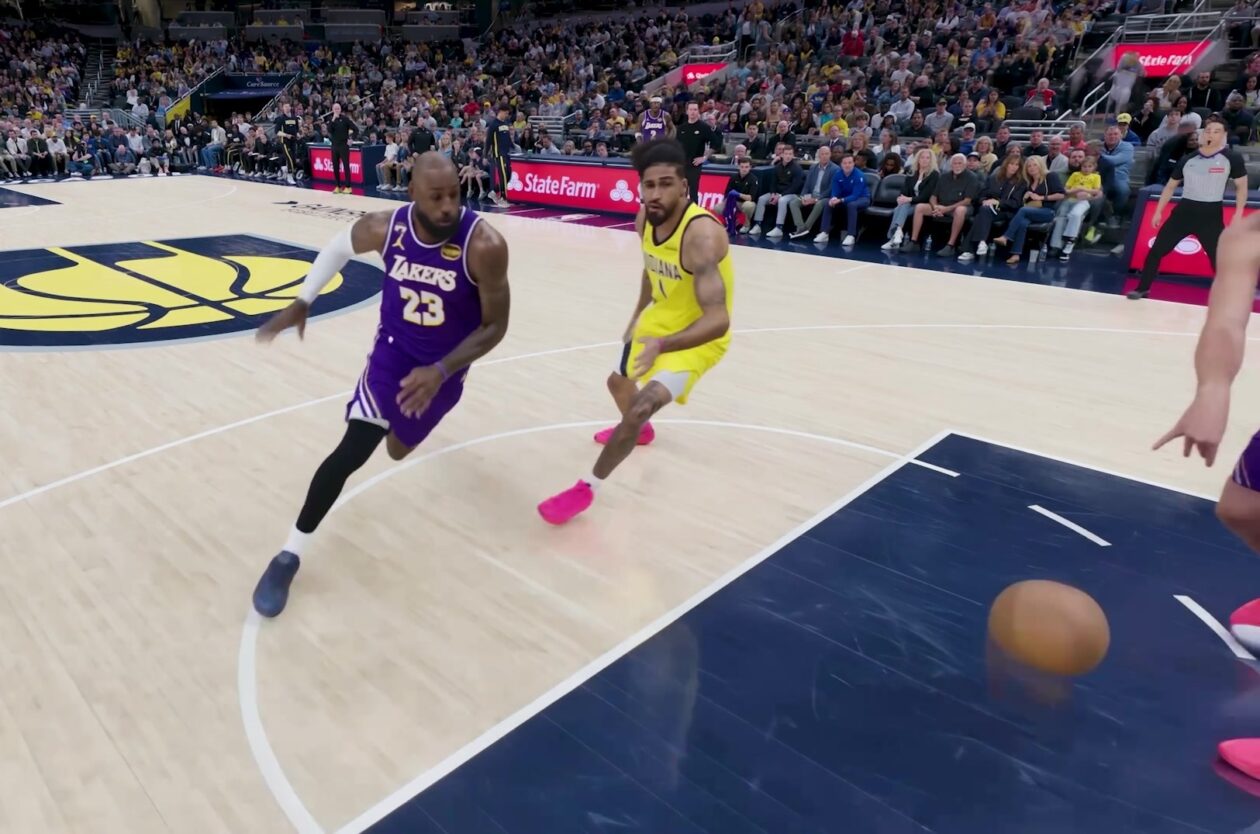
Amazon Prime Video is elevating its NBA coverage with the introduction of Prime 360, an AI-powered replay system offering immersive, 'fly through' views of the action. Kicking off its second season, Prime Video also adds Yahoo fantasy integration and gains exclusive Eastern Conference Finals rights, expanding its tech-driven sports broadcast. The new features aim to deliver a unique and interactive viewing experience for basketball fans.
regional: A two-person Seattle startup lands $1M to reinvent
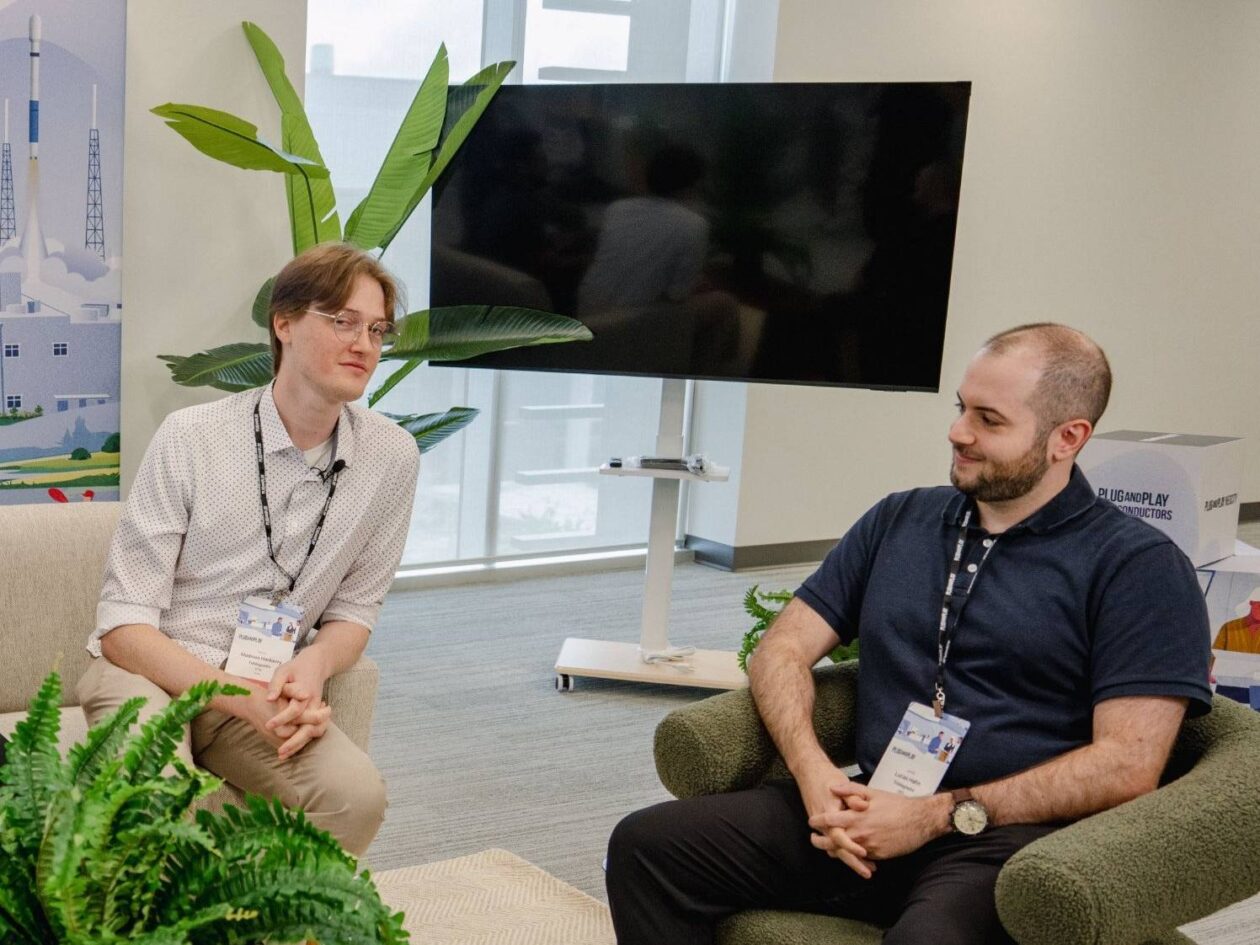
Seattle startup TriMagnetix has secured $1 million to develop semiconductor chips that consume 800 times less energy and are radiation-resistant. The two-person company, leveraging nanomagnetic technology, is targeting space applications and data centers. With new funding and key partnerships, TriMagnetix aims for commercial sales within a year.