
RAM Crisis Deepens: AI Ramps Up, Severe Shortage by 2027
Analyst firm KB Securities warns of a severe RAM crisis by 2027, blaming surging AI demand. With Samsung and SK Hynix inventories critically low, consumers face higher prices and limited availability for computing components.
The Looming RAM Crisis: An Honest Assessment
Verdict: Brace yourselves. The memory chip market, already facing headwinds, is set to enter a period of severe shortage by 2027, potentially eclipsing past crises. The insatiable demand from the booming AI sector is the primary culprit, pushing RAM prices up and making availability for consumer products increasingly challenging. While a rare positive sign emerged from Framework, it's a small concession in the face of a historically grim outlook.
Introduction: The Memory Market's Dire Forecast
The tech world is buzzing with warnings about an impending and intensifying RAM crisis. If you thought the memory market was volatile now, new analyst reports suggest the worst is yet to come. A recent article from TechRadar highlights a report from KB Securities, via Business Korea, painting a very stark picture for the future of memory chips. It appears the demand for RAM, fueled predominantly by the AI revolution, is outstripping supply at an alarming rate, threatening a "severe supply shortage" by 2027.
Key Details: What the Analysts Are Saying
KB Securities’ report indicates that major memory chip manufacturers, namely Samsung and SK Hynix, are operating with dangerously low inventories – reportedly under 10 days of supply. This is a critical metric, as such low stockpiles make the market highly vulnerable to any surge in demand or disruption in production. The core of this issue lies squarely with the burgeoning Artificial Intelligence sector. Infrastructure investments in AI development are projected to soar to an astounding $1.3 trillion by 2027, marking a 60% year-on-year increase. This unprecedented growth directly translates into a monumental need for advanced memory solutions like HBM4, server DDR5, and enterprise SSDs – the very components that AI data centers devour.
Kim Dong-won, head of research at KB Securities, explicitly stated that "AI servers will absorb demand for not only HBM but also server DDR5 and enterprise SSDs, potentially leading to a historic shortage." This isn't just about specialized high-bandwidth memory (HBM); it's about a broader strain across various memory types crucial for both server infrastructure and, by extension, general computing.
User Experience: The Impact on You
While the immediate focus of these reports is on enterprise-grade memory for AI data centers, the ripple effect on consumers will be significant. Less profitable memory sticks destined for everyday consumer products – think laptops, desktop PCs, and even graphics cards – will inevitably be sidelined as manufacturers prioritize the more lucrative, high-demand AI sector. This means you can expect continued and possibly accelerated price hikes for RAM modules, making upgrades more expensive. Furthermore, the availability of certain configurations or specific memory types might become challenging, leading to longer wait times or fewer options when purchasing new devices or components.
Design and Build Quality (of the Market): An Unstable Foundation
Unlike reviewing a physical product, we're examining the 'design' of the market itself, which appears increasingly fragile. The current market structure struggles to quickly scale production of cutting-edge memory, especially HBM, due to the complexity and specialized manufacturing processes involved. The intense competition among tech giants for AI dominance means they're willing to pay a premium for limited memory, further distorting the supply-demand balance. This creates an environment where 'build quality' – the ability of the industry to meet demand – is currently weak and poised to deteriorate.
The Rare Exception: A Glimmer of Hope from Framework
Amidst this wave of negative news, a small but notable positive emerged from laptop manufacturer Framework. As reported by VideoCardz, Framework announced a reduction in prices for some of its Laptop 13 Pro orders. The company managed to secure a batch of LPCAMM2 memory modules at a lower price and, commendably, chose to pass those savings directly to customers, even retroactively reducing prices for orders that had already shipped at higher rates. This act of customer-centricity is rare and welcome, yet it underscores the broader problem: Framework's ability to find cheaper stock is an anomaly, a tiny relief in a market otherwise spiraling towards scarcity and higher costs.
The Broader Picture: More Than Just RAM
The memory crisis isn't happening in isolation. The TechRadar article also briefly mentions renewed rumors about GPU price hikes surfacing this week. This suggests a systemic issue across multiple critical PC components, where increased demand for high-performance hardware, largely driven by AI and gaming, is leading to broader inflationary pressures and supply constraints. The interconnectedness of these markets means that a severe RAM shortage will likely exacerbate issues with GPUs and other components, leading to a more challenging environment for anyone looking to build or upgrade a PC.
Pros and Cons of the Current Market Outlook
Pros:
- Increased Innovation: The intense demand is driving rapid advancements in memory technology (e.g., HBM4 development).
- Rare Consumer Wins: Companies like Framework demonstrate exceptional customer focus in niche instances, offering a temporary reprieve.
Cons:
- Severe Supply Shortage: A "historic shortage" is predicted, making memory increasingly hard to find.
- Rising Prices: Expect significant and continued price increases for RAM and potentially other components.
- Reduced Availability: Fewer options and longer waits for consumer-grade memory and devices.
- Industry Prioritization: Consumer products will likely take a backseat to more profitable AI and server markets.
- Broader Impact: Potential ripple effects on other components like GPUs, leading to overall higher tech costs.
Buying Recommendation
Given the analyst firm's gloomy outlook for a severe RAM crisis worsening by 2027, with AI demand as the primary driver, consumers should adjust their buying strategies. If you're contemplating a PC build or an upgrade that requires new RAM (or a new laptop/desktop), it would be prudent to consider making your purchase sooner rather than later. Prices are expected to climb, and availability might become a significant issue. While Framework's positive move is commendable, it's an exception, not the rule. Don't expect widespread price drops; instead, prepare for a market where memory components become more expensive and potentially harder to acquire over the next few years.
FAQ
Q: What is causing this severe memory chip shortage? A: The primary driver is the booming Artificial Intelligence (AI) sector. Massive investments in AI infrastructure, projected to reach $1.3 trillion by 2027, are creating an insatiable demand for high-performance memory like HBM4, server DDR5, and enterprise SSDs, outstripping the industry's ability to supply them.
Q: How will this RAM crisis affect the average consumer looking to buy a new computer or upgrade? A: Consumers can expect several impacts: higher prices for RAM modules, laptops, and desktop PCs; potential difficulties in finding specific memory configurations; and possibly longer wait times for new devices or components, as manufacturers prioritize the more profitable enterprise AI market.
Q: Is there any hope for prices to come down or for the situation to improve soon? A: According to the latest analyst reports, the situation is expected to worsen significantly, with a "historic shortage" predicted by 2027. While there might be occasional small positive developments, like Framework's recent price reduction, these are considered anomalies. The overall trend indicates a challenging period of rising costs and constrained supply for the foreseeable future, potentially beyond 2030, according to other related reports.
Related articles
Google's AI Branding Fix: A Clearer Vision for Gemini
This article critiques Google's fragmented AI branding, proposing a unified 'Gemini Intelligence' system to simplify user experience and strengthen Gemini's identity.

Chuwi UniBox AI495 Pro Review: A Mini AI Powerhouse
Chuwi's UniBox AI495 Pro review: A powerful mini workstation with 192GB RAM and an AMD Ryzen AI chip for local LLM processing, packed into a compact, Mac Pro-esque design.
Pixel Connectivity: Battery Drain, Not Data Speed, Is the Real
Google's Pixel series has consistently offered a compelling Android experience, often earning a spot on recommendation lists for its clean software and camera prowess. However, a recurring shadow has loomed over the

CNET's NYT Connections: Sports Edition Hints & Answers - Daily Puzzle
CNET's daily guide for NYT Connections: Sports Edition offers clear, spoiler-protected hints and answers, making it an efficient and reliable resource for sports puzzle enthusiasts.
Unofficial Sony Headphone PC Apps: Ditch Your Phone, Take Control
Tired of Sony's mobile app? These unofficial, open-source PC tools like Sony Device Center and SonyBridge offer desktop control over your Sony headphones' ANC, EQ, and more. A convenient, albeit unofficial, solution for Windows, Linux, and Mac users looking to ditch their phone for audio adjustments.
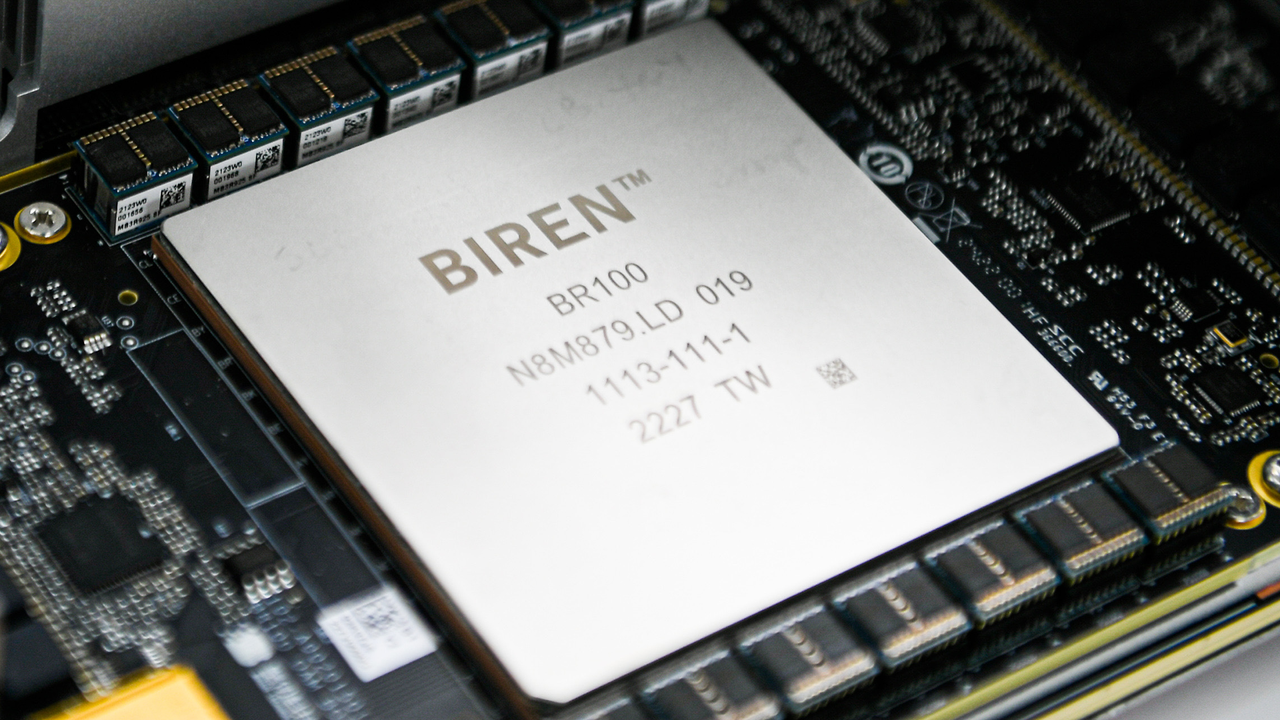
Biren AI Accelerators: Explosive Growth in a Restricted Market
Biren Technology shows explosive 2,000% revenue growth in China's AI accelerator market, benefiting from US export controls. Despite impressive gains from a small base, challenges in manufacturing and software remain.