OpenAI's Deepfake Defense: A Timely, Imperfect Solution
Quick Verdict OpenAI's new safeguard against political deepfakes, by forcing politically sensitive image generations into a cartoon style, is a practical and timely step to protect election integrity. While not a

Quick Verdict
OpenAI's new safeguard against political deepfakes, by forcing politically sensitive image generations into a cartoon style, is a practical and timely step to protect election integrity. While not a complete solution, it effectively adds a layer of friction for bad actors and signals a major AI lab's commitment to responsible AI deployment. It's a commendable, albeit temporary, measure that consumers should welcome as a defense against visual deception.
The Deepfake Dilemma: Elections in the AI Age
The advent of highly realistic AI-generated images, commonly known as deepfakes, poses a significant threat to information integrity, especially during crucial election periods. As AI models become increasingly sophisticated, distinguishing genuine content from fabricated imagery with the naked eye is becoming nearly impossible. This challenge is particularly acute when voters rely on accurate information about candidates and polling processes. OpenAI, a leading AI research lab, has recognized this escalating problem and implemented a specific defense mechanism to mitigate the risk of politically motivated deepfakes.
OpenAI's Novel Safeguard: Cartoonification
At its core, OpenAI's new policy centers on a simple yet effective concept: any image generation request within ChatGPT that depicts election interference or could potentially discourage voting will be rendered in an illustrated or cartoon style. Crucially, any attempts to prompt the AI to create such images in a photorealistic manner will be ignored. This means that while users can still generate content for social commentary or artistic expression related to elections, the output will lack the convincing realism that deepfakes rely on for deception.
CNET's testing demonstrated this mechanism in action. For instance, requests to generate images of Immigration and Customs Enforcement (ICE) officers standing outside a polling location consistently produced cartoon-style visuals. A photorealistic version of such an image could, understandably, trigger anxiety or panic among voters, potentially suppressing participation. Similarly, attempts to create photojournalist-style images depicting voting machines recording incorrect choices—a common election myth—also resulted in non-photorealistic outputs.
User Experience and Intent: Degrading Evidentiary Value
From a user perspective (specifically, the public consuming information), this safeguard is designed to degrade the 'evidentiary value' of potentially misleading images generated through OpenAI's platform. Josh Lawson, OpenAI's head of elections, articulated this intent, stating that the problem with deepfakes is not social commentary but deception. By ensuring that contentious political imagery is clearly artificial in appearance, OpenAI aims to make its platform less attractive for those seeking to spread misinformation or sow distrust. This adds a valuable layer of friction, making it harder for malicious actors to achieve their goals using ChatGPT's image generation capabilities.
For general users, this means that while their ability to create political illustrations or commentary remains intact, they cannot inadvertently or intentionally produce highly deceptive visual content that could directly interfere with an election's integrity. It's a balance designed to permit freedom of expression while curbing the potential for harm.
Pros:
- Practical & Immediate: A straightforward and quickly implementable solution to a pressing problem.
- Reduces Deception: Effectively prevents the creation of photorealistic political deepfakes via ChatGPT, mitigating potential panic or misinformation.
- Preserves Commentary: Allows for political illustrations and social commentary without enabling harmful deception.
- Adds Friction for Bad Actors: Makes OpenAI's tools less useful for those with malicious intent.
- Signals Responsibility: Demonstrates a major AI lab taking proactive steps toward election integrity.
Cons:
- Not Foolproof: This measure only applies to OpenAI's image generation. Bad actors can still use other tools or platforms to create deepfakes.
- Not Industry-Wide: Other AI companies may not have similar safeguards, or their approaches might be less transparent.
- Potentially Temporary: There's no guarantee this system will remain in place indefinitely once election cycles conclude.
- Limited Scope: Does not address text-based disinformation or deepfakes generated by third-party applications.
Comparing Approaches: Beyond OpenAI
While OpenAI has detailed its specific defense mechanism, the broader AI industry's approach to election deepfakes varies:
- Google (Gemini maker): Acknowledged that it is "rolling out additional protections to limit the creation of misleading election-related images." However, the company has not provided specific details on how these protections function, leaving users and observers unclear about the practical implementation.
- Anthropic (Claude): Does not offer a traditional image or video generator, which inherently reduces its direct involvement in visual deepfake creation. A spokesperson indicated that any attempts to use Claude to deceive voters or disrupt elections would violate its policies. Claude was noted to refuse photorealistic image requests concerning "sensitive election-related" content, implying content policies rather than a specific image rendering style change.
OpenAI's explicit "cartoonification" policy stands out for its transparency and directness in addressing photorealistic political deepfakes, offering a more concrete and verifiable defense than the general policy statements from some competitors.
The Honest Verdict: A Necessary First Step
OpenAI's deepfake defense is a necessary and commendable first step in addressing the weaponization of AI imagery in elections. It's a smart, practical application of guardrails that prioritizes civic integrity without stifling legitimate creative expression. While it's crucial to acknowledge that this isn't a silver bullet—it doesn't solve the entire deepfake problem across the internet or prevent malicious use of other AI tools—it significantly raises the bar for responsible AI development and deployment. For consumers and voters, this means a slightly safer digital environment, at least concerning imagery originating from ChatGPT.
This initiative serves as a strong signal from a prominent AI developer regarding its commitment to social responsibility. However, the transient nature of the safeguard, potentially tied only to election cycles, highlights the ongoing need for broader, industry-wide standards and continuous innovation in content authentication and AI ethics. For now, OpenAI has delivered a practical defense that earns our cautious recommendation as a valuable protective measure.
FAQ
Q: Does OpenAI's defense stop all deepfakes related to elections?
A: No, this defense specifically targets photorealistic images generated by ChatGPT that depict election interference or discourage voting. It does not stop deepfakes created using other AI tools, nor does it address other forms of misinformation like text or audio deepfakes.
Q: Can I still use ChatGPT to create political art or commentary?
A: Yes, you can. OpenAI's policy is designed to allow for the creation of political content, provided it is generated in an illustrated or cartoon style. The restriction applies to photorealistic depictions of sensitive election-related scenarios that could be deceptive.
Q: Is this safeguard a permanent feature of ChatGPT?
A: The source content notes that there is "no guarantee that OpenAI will keep this system in place once the election cycle is over." This suggests the possibility that the feature might be temporary or subject to change after specific election periods.
Related articles
Nothing CMF Clip Pro Review: Open-Ear Awareness at a Steal
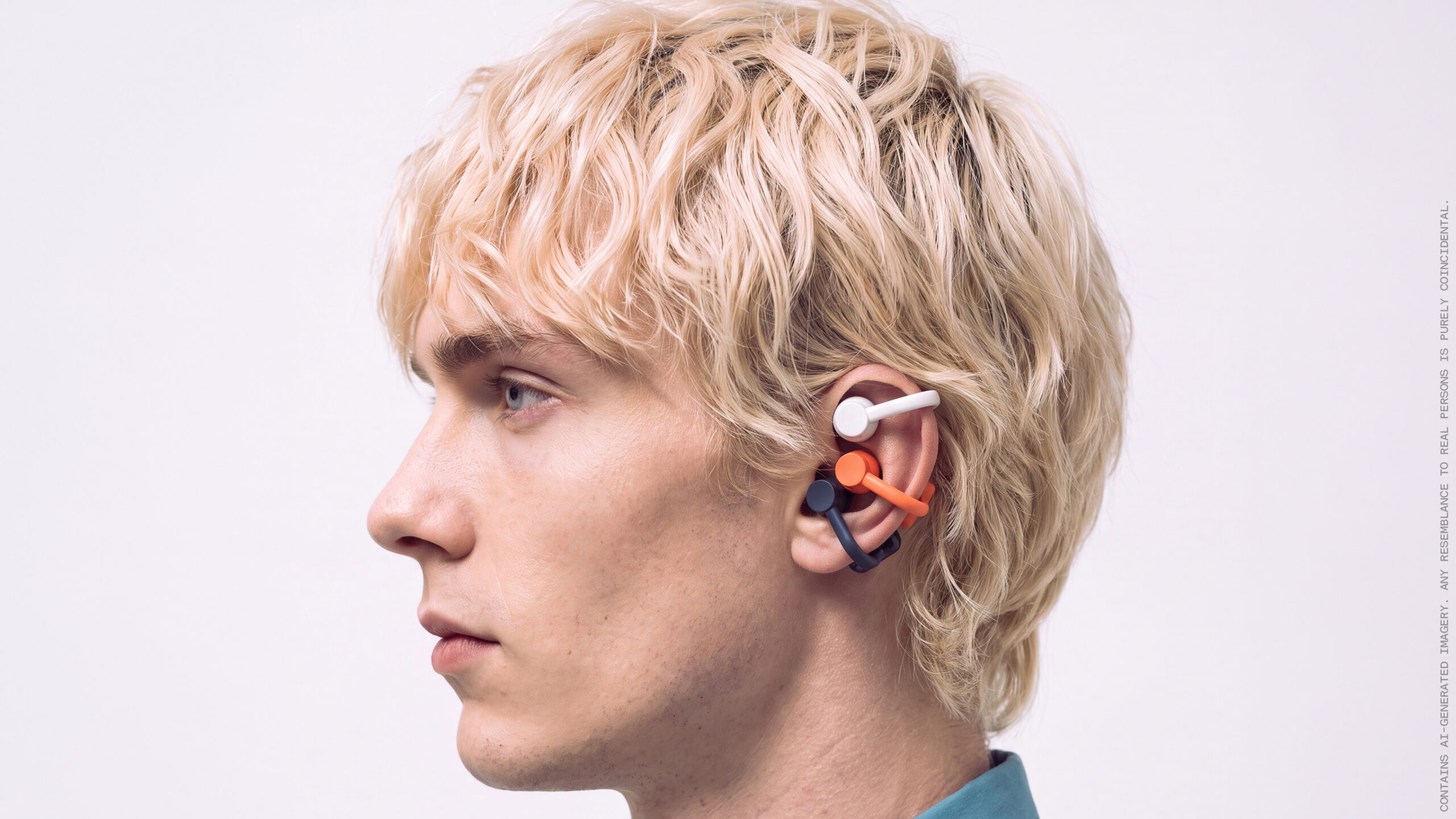
The Nothing CMF Clip Pro offers a unique open-ear listening experience, designed for situational awareness and comfort. Now $30 off at $69, it's an appealing option for those seeking spacious sound without sealing off the world.

Apple's Touchscreen MacBook Pro: A Long-Awaited Touch
The Verdict Apple's rumored touchscreen MacBook Pro represents a long-overdue evolution, promising to blend the convenience of direct screen interaction with the powerful macOS laptop experience. While not an essential
CMF Watch 3 Pro: Affordable Style Meets Solid Performance
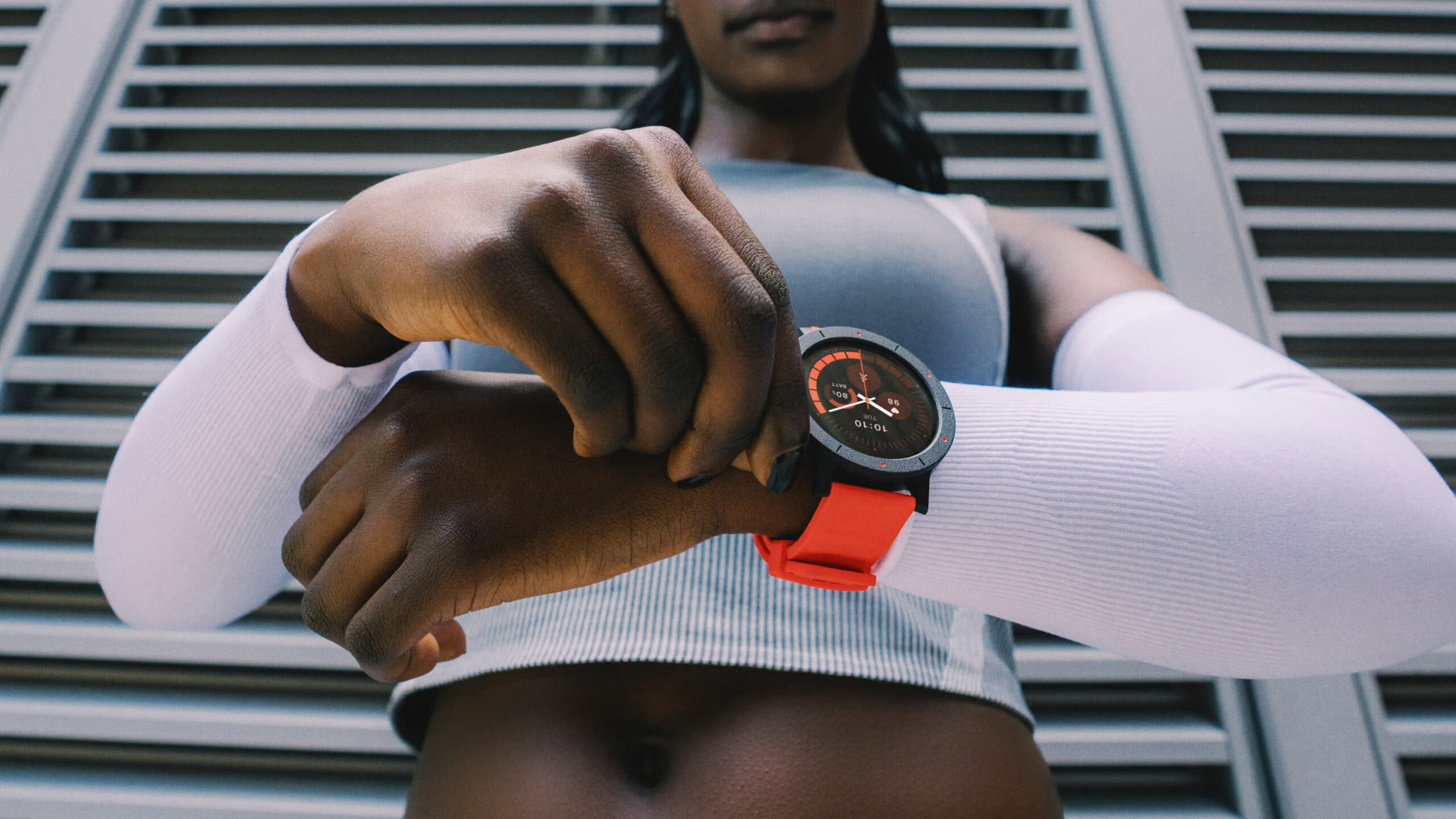
CMF Watch 3 Pro: Affordable Style Meets Solid Performance In the crowded market of smartwatches, finding a device that balances features, design, and affordability can be a challenge. Enter the CMF Watch 3 Pro, a

Love Island Australia S8 Guide: Navigating the Stream, Mostly Free
Love Island Australia Season 8 Streaming Guide: Navigating the Digital Waters Verdict: TechRadar's guide to watching Love Island Australia Season 8 is a generally useful, if somewhat navigationally challenged, resource
Sculpture Re-creates Lycurgus Cup Effect: A Glimmering Triumph of Art
The University of Sheffield successfully re-creates the 1,600-year-old dichroic glass recipe of the Lycurgus Cup. A new sculpture by artist Elliott Walker displays the stunning green-to-red optical effect, blending ancient tech with modern art. A significant scientific and artistic achievement.

Entire: An Agent-First Revolution for AI-Driven Code Development
Quick Verdict Entire, a new developer platform from former GitHub CEO Thomas Dohmke, makes a bold entry into the code hosting and collaboration space with an "agent-first" philosophy. Designed specifically for the age