
Project Helix: Xbox's Decade-Long PC Convergence Dream
Microsoft's next Xbox, codenamed Project Helix, has been secretly stewing for over a decade. This ambitious console aims to unify Xbox and PC gaming, but faces a potentially steep price point and fierce competition from Valve's Steam Machine, making it a pivotal moment for Microsoft's hardware future.
Alright, gamers, buckle up because we just got a fascinating peek behind the curtain of Microsoft's next-gen plans. The recently announced Xbox console, currently known by its tantalizing codename Project Helix, isn't just a new piece of hardware; it’s the culmination of a vision Microsoft has apparently been chasing for more than a decade. That's right, what feels like a fresh, bold move to finally bridge the gap between Xbox and PC gaming has roots stretching back deep into gaming history, resurfacing now with official confirmation and some serious implications for the future of the industry. This isn't just about a new box; it's about a long-held ambition finally coming to fruition—or, at least, attempting to.
A Decade in the Making: Project Helix's Hidden History
The revelation that Project Helix isn't a recent brainchild is perhaps the most surprising aspect of its announcement. While the console promises to be the first from Microsoft capable of playing both Xbox and PC titles natively, it appears the company's aspirations for this kind of convergence were set in stone years ago. A report from The Verge's Tom Warren recently shone a spotlight on a 2016 Kotaku article. This older piece, citing an insider, explicitly mentioned "Project Helix" as Microsoft's internal strategy to merge its Xbox and Windows ecosystems. The mandate back then, even a full decade before this current announcement, was clear: future flagship titles, including the iconic Halo series, were to launch on both platforms. This historical context suggests that Project Helix isn't a pivot, but rather a persistent, long-term strategic goal that has finally reached the public eye. Even former Microsoft VP Mike Ybarra recognized the familiar codename, lending further credence to this astonishingly long development cycle. It truly speaks volumes about Microsoft's enduring belief in this unified gaming future.
Unpacking the PC/Xbox Convergence
So, what does this decade-long pursuit of Project Helix mean for us, the players? The core promise is a single device that obliterates the traditional console-PC divide, at least for Microsoft's offerings. Imagine a future where you buy an Xbox console, and it effortlessly runs your extensive PC game library alongside your Xbox exclusives. This ambition to bring the sprawling world of PC gaming into the living room via a dedicated console is a bold statement. It hints at deeper integration of the Windows operating system within the Xbox framework, potentially offering unprecedented flexibility and choice. This isn't just about Game Pass on PC; it's about potentially running a wide array of PC applications and titles directly on your console, blurring lines that have long defined separate gaming experiences. For many, this could be the ultimate convenience, offering the best of both worlds without needing separate, expensive setups. The sheer scope of this technical undertaking, however, underscores why it might have taken Microsoft over ten years to reach this point.
The Price Tag and the Stakes
Innovation often comes with a cost, and it seems Project Helix will be no exception. Industry analyst Dr. Serkan Toto, founder of Kantan Games, has already thrown out a sobering prediction: this next Xbox could retail for a hefty $900 or potentially even more. This isn't just a casual estimate; Toto points to the current market and potential hardware challenges, even if the widely discussed RAM shortages have eased by the time Helix is ready for launch. A price point like that positions Project Helix firmly at the premium end of the gaming hardware spectrum, making it a significant investment for any gamer. More critically, Toto views Project Helix as a make-or-break moment for Microsoft's entire hardware division. He explicitly stated that if Helix fails to resonate, the Xbox hardware business itself could be in jeopardy. The stakes couldn't be higher for Redmond, making the success of this convergence strategy absolutely paramount. This isn't just another console launch; it's a pivotal moment that could define Microsoft's presence in the console space for years to come.
The Ring and the Machine: Helix's Competition
While Project Helix aims to redefine the console experience, it's not entering an empty arena. Valve, a major player in the PC gaming space, is also gearing up for its own big push with the Steam Machine, which is slated to make its debut this very year (2026). This means Valve's offering will likely hit the market ahead of Project Helix, potentially grabbing a crucial early lead in the "PC-in-the-living-room" race. The Steam Machine, with its direct ties to the ubiquitous Steam platform, offers its own compelling vision for accessible PC gaming. Microsoft hasn't yet committed to an official release window for Project Helix, leaving Valve an opportunity to establish its presence first. This sets up a fascinating, high-stakes competition. Will Microsoft's long-term vision and integration of its first-party titles be enough to overcome a potentially later launch and a higher price point against Valve's established PC gaming ecosystem? The battle for the future of living room PC gaming is heating up, and it promises to be an exciting one to watch.
Conclusion: A Helix of Hope and High Expectations
Project Helix represents a monumental undertaking for Microsoft, a decade-plus effort to realize a singular vision of unified Xbox and PC gaming. The promise of playing both libraries on one console is undeniably appealing, offering a level of convenience and power previously unseen in the console space. However, the projected $900+ price tag and the imminent competition from Valve's Steam Machine mean that this ambitious project comes with significant risks. For Microsoft, this isn't merely about launching a new product; it's about validating a long-held strategy and securing the future of its hardware business. The path forward is fraught with challenges, but the potential reward—a truly converged gaming ecosystem—is immense. As gamers, we can only watch with bated breath to see if Project Helix can untangle its complex origins and deliver on its grand promise, or if its decade-long journey will culminate in a costly gamble. The future of gaming might just hang in the balance.
FAQ
Q: What is Project Helix?
A: Project Helix is the codename for Microsoft's upcoming next-generation Xbox console. Its key distinguishing feature is its ability to natively play both traditional Xbox games and PC games, aiming to converge the two gaming platforms.
Q: How long has Project Helix been in development?
A: According to recently resurfaced reports and confirmation from former Microsoft executives, the concept and codename "Project Helix" for converging Xbox and Windows has been a strategic goal for Microsoft for over a decade, with discussions dating back to at least 2016.
Q: What is the estimated price and release date for Project Helix?
A: An industry analyst predicts Project Helix could cost $900 or more. Microsoft has not yet announced an official release window for the console.
Related articles

Sakurai Shrugs Off AI Games: Why Human Creativity Still Reigns Supreme
Masahiro Sakurai, creator of *Super Smash Bros.*, believes most AI-created games will be "unprofitable titles" and "low-quality goods." He argues AI can only reproduce existing systems, not generate truly original artistic works like those from Fumito Ueda. In an era of mass production and industry shifts to AI-first models, Sakurai stresses the growing importance of unique human creativity and vision.

Wizards of the Coast Crowns New President, Signaling a Digital Future
Dan Ayoub, former Senior VP of D&D and an ex-Halo studio head, is the new President of Wizards of the Coast and Hasbro Digital Games. His appointment signals a strong push into digital and video games for the company, creators of Magic: The Gathering and Dungeons & Dragons. Upcoming titles include the sci-fi RPG Exodus and the D&D action-adventure Warlock.

Warhorse Studios Under Siege: Cyberattack Hits Kingdom Come Dev
Warhorse Studios, known for Kingdom Come: Deliverance 2, has been hit by a cyberattack, resulting in unauthorized access to their company systems and data. CEO Martin Frývaldský called it a "serious incident," and the studio is working with cybersecurity experts to investigate. This incident follows similar breaches at Capcom and Rockstar, highlighting a growing industry concern.

UK Gaming's Future on the Line: UKIE Pushes for Modern Tax Credits
UKIE is urging the government to modernize the Video Games Expenditure Credit (VGEC) and introduce a new 'Games Scale-Up Fund' ahead of the Autumn Budget. This move is critical to keep the UK competitive in global game development, address outdated rules, and prevent studios and talent from relocating, ensuring a vibrant future for British-made games.

Wildwood: Laika Unleashes a Dark Fairy Tale From The Decemberists
Laika's *Wildwood*, from The Decemberists' Colin Meloy and artist Carson Ellis, brings a dark stop-motion fairy tale to life. Embracing unsettling folklore and a rare PG-13 rating, the film delves into the grimmer side of storytelling, inspired by classics like *The Dark Crystal*.
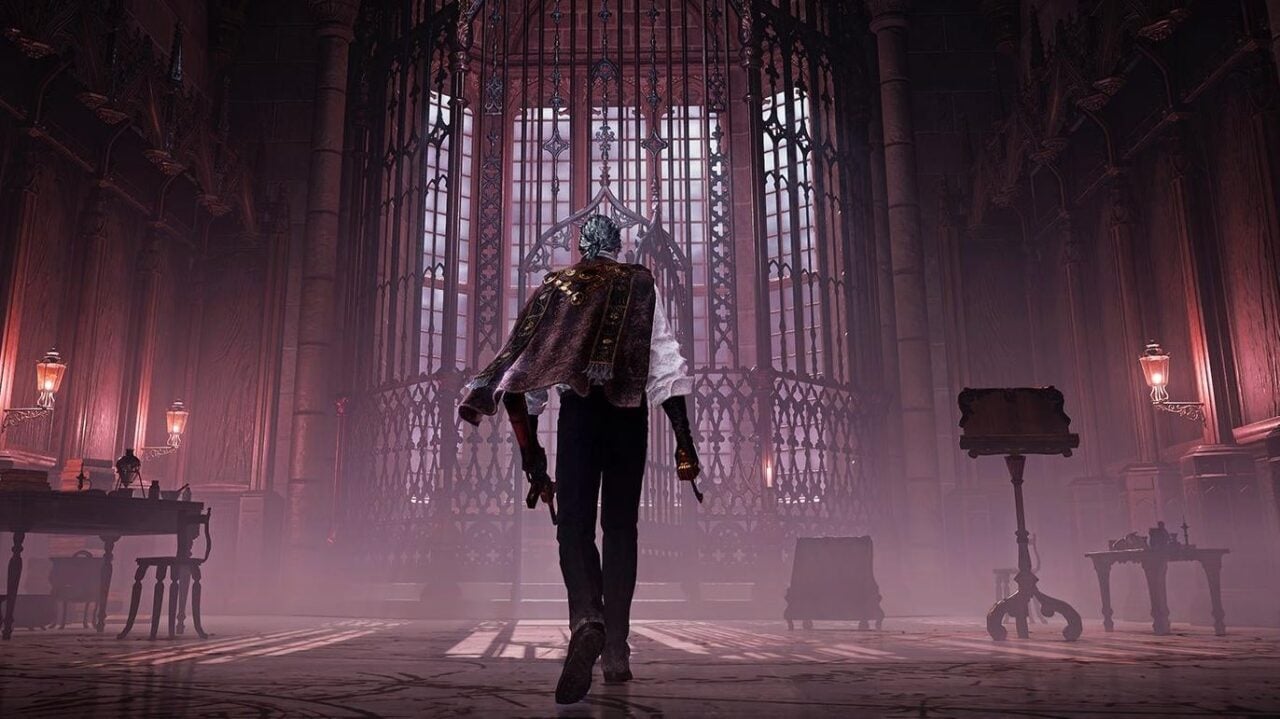
Is FromSoftware's Spooky Specter, The Duskbloods, Haunting 2027
As Halloween approaches, fans are increasingly convinced FromSoftware's *The Duskbloods* has been delayed to 2027. A lack of a firm 2026 release date, a crowded holiday schedule, and mixed feedback from its August network test fuel the speculation. While no official word exists, many expect an update at The Game Awards.