
Upgrade Your Toolkit: Why You Need At Least 3 Drills
Discover three compelling reasons to own at least three drills: eliminate bit swapping, equip yourself for every task, and ensure project continuity. This guide helps homeowners and DIYers work smarter and finish projects faster.
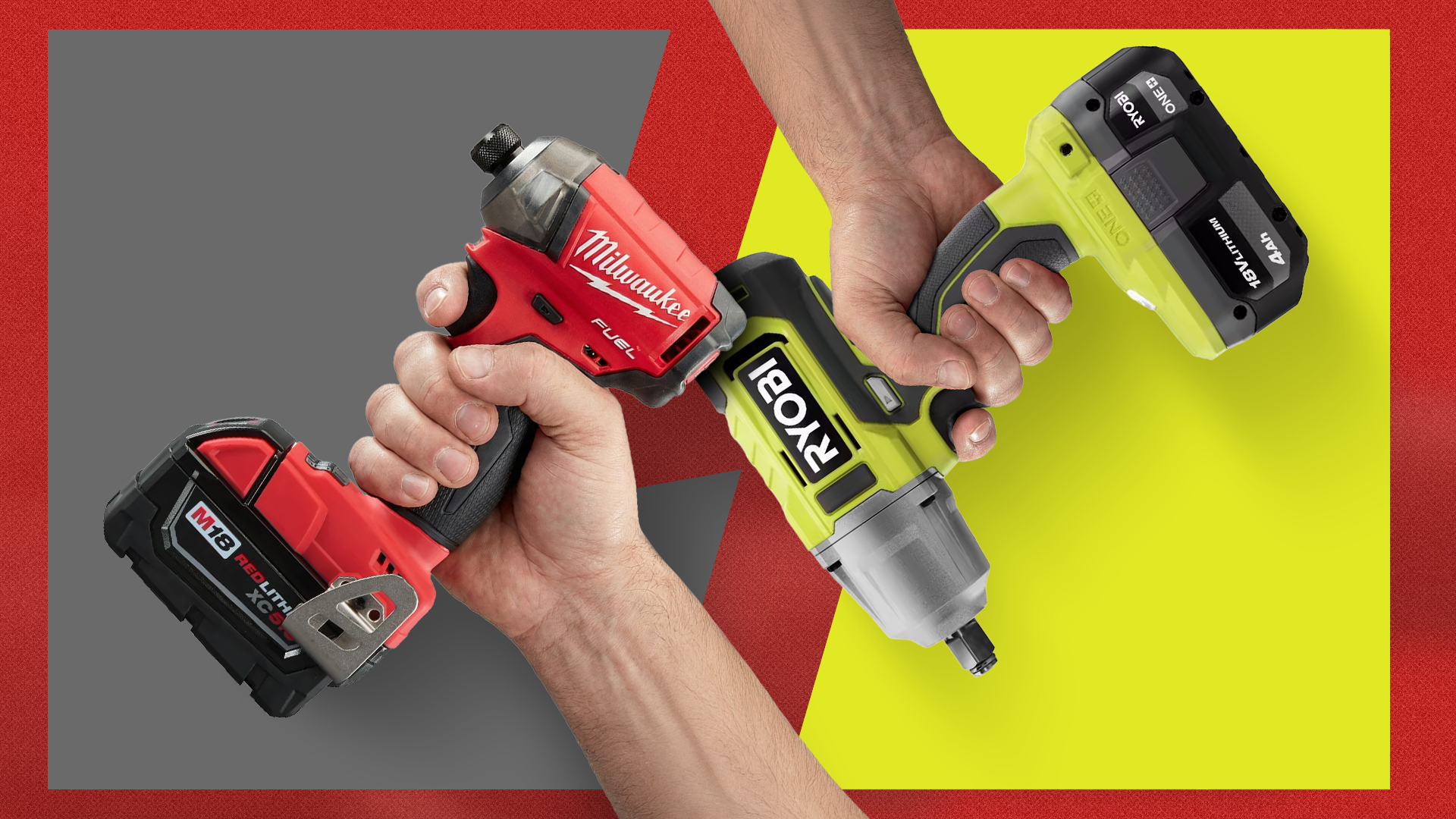
As a homeowner, DIY enthusiast, or professional, you likely already appreciate the power and convenience of a good drill. But if you're still relying on just one drill for all your tasks, you might be unknowingly slowing yourself down and limiting your potential. Imagine finishing projects faster, working smarter, and always having the right tool for the job.
This guide will explain why expanding your drill collection to include at least three tools isn't just a luxury, but a smart, strategic investment that will transform your efficiency and capability. Get ready to banish frustrating delays and elevate your craftsmanship!
Prerequisites/Requirements: To get the most out of this guide and your improved toolkit, you'll ideally have:
- An existing drill/driver that you currently use for various tasks.
- A desire to enhance your project efficiency and reduce downtime.
- An understanding of basic power tool safety and operation.
Why You Need At Least Three Drills: Your Path to Smarter Project Completion
Reason 1: Eliminate Time-Wasting Bit Swaps
We've all been there: you're making great progress on a project, drilling pilot holes for an assembly or installation, only to stop, get off a ladder, and perform the dreaded "chuck dance" – swapping out your drill bit for a screwdriver bit. This constant stopping and starting isn't just annoying; it eats up valuable project time and breaks your workflow.
The Problem with a Single Drill: Using one drill for every drilling and driving task means:
- Constant Reconfiguration: Each time you switch from drilling to driving, you manipulate the chuck, remove one bit, insert another, and tighten it. Repeated dozens of times per project, this simple action adds significant time.
- Battery Drain: Relying on a single tool for all functions means its battery will deplete faster, leading to more interruptions for recharging.
The Multiple Drill Solution: By owning at least two drills, you can dedicate each tool to a specific function, allowing you to seamlessly transition between tasks without interruption.
- Drill Bit in One, Driver Bit in Another: This is the most impactful setup. Keep a drill bit (e.g., for pilot holes) in one drill and a driver bit (for screws) in a second. After drilling a hole, you can immediately pick up the second tool and drive the fastener without losing momentum. This is why many experienced users highly recommend owning an impact driver specifically for driving screws, complementing a standard drill for drilling holes.
- Always Ready: Your tools are consistently set up and prepared for action, whether you're working overhead on a ladder, in a tight space, or simply want to maintain an efficient workflow.
Tip: Look for drill and driver combo kits, often offered by popular brands like Ryobi or Milwaukee. These kits provide an excellent starting point for building your specialized tool collection and are frequently available on sale. Sticking to the same brand can also ensure battery compatibility, allowing you to share batteries across your tools.
Reason 2: Equip Yourself for Every Task
Just as you wouldn't use a screwdriver to hammer a nail, you shouldn't expect one drill to excel at every single task. Different jobs demand different types of drills, each engineered with specific capabilities to enhance efficiency and effectiveness. Trying to force a general-purpose drill into a specialized role can lead to frustration, slower progress, and even potential damage to your materials or tools.
Matching the Tool to the Job: Expanding your drill collection allows you to select the optimal tool for the challenge at hand:
- Impact Drivers: These are robust tools specifically designed to drive fasteners like screws and bolts with high rotational force (torque). Their unique impacting mechanism reduces user strain, prevents screw stripping, and significantly speeds up fastening tasks compared to a standard drill. They are indispensable for framing, cabinetry, and any application requiring robust fastening.
- Compact Drills: When space is at a premium, a compact drill is invaluable. Their smaller size and lighter weight make them ideal for reaching into tight spots, such as inside cabinets, between wall studs, or in cramped engine compartments. Their reduced fatigue factor also makes them perfect for prolonged use where a full-size drill would be cumbersome. The Milwaukee M12 Stubby, for instance, is highly praised for its compact power in confined areas.
- Hammer Drills: For materials like masonry, concrete, brick, or stone, a hammer drill is essential. Beyond just rotating, these drills also create a rapid hammering action that pulverizes tough materials, allowing you to penetrate surfaces that a standard drill couldn't touch.
- Specialty Drivers and Wrenches: While technically not always "drills" in the traditional sense, tools like installation drivers or impact wrenches often share the pistol-grip form factor and are designed for highly specific applications. An installation driver offers multiple interchangeable heads for ultimate versatility in tight spaces, while an impact wrench provides immense torque for automotive work or heavy-duty fastening, far exceeding what a standard drill can deliver. Understanding these differences and owning the right tool for the job will vastly improve your outcomes.
By diversifying your drill types, you ensure that you're always approaching a project with the most effective and efficient tool, making difficult tasks easier and specialized jobs possible.
Reason 3: Ensure Project Continuity and Longevity
Beyond efficiency and specialization, owning multiple drills offers practical advantages that keep your projects moving smoothly and protect your investment in tools. Having a backup plan is always a smart move, especially when you're on a deadline or tackling a complex DIY task.
Reliable Backup for Uninterrupted Work:
- Preventing Downtime: Imagine being deep into a project, racing against daylight, only for your primary drill to suddenly fail or its battery to die. With a second (or third) drill ready to go, you can simply grab another tool and continue working without a frustrating delay. This "security blanket" ensures that minor hiccups don't turn into major setbacks.
- Battery Management: Even if your tool doesn't fail, batteries inevitably run out. Having a secondary drill with a fresh, charged battery means you can keep working while the first battery recharges, completely eliminating pauses due to power loss.
Enhanced Collaboration and Tool Longevity:
- Teamwork Made Easy: If you've ever had a friend or family member lend a hand on a home renovation or a large assembly project, you know the frustration of sharing one tool. Multiple drills allow you and your helper to work concurrently, doubling your output and making collaborative efforts much more efficient and enjoyable.
- Prolonging Tool Life: Spreading the workload across different drills, especially during demanding or prolonged jobs, helps prevent any single tool from being overused or overheating. This thoughtful approach reduces wear and tear, extends the lifespan of each individual tool, and ultimately saves you money in the long run by delaying the need for replacements.
Tips for Your Toolkit:
- Battery Platform: When buying new drills, try to stick to the same brand's battery system (e.g., all Ryobi 18V ONE+, all Milwaukee M12 or M18) if possible. This ensures you can interchange batteries and chargers, reducing clutter and cost.
- Right Tool, Right Job: If you're unsure which drill type to use for a specific material or fastener, consult the tool's manual or quick online guides. Using the wrong drill can damage materials or the tool itself.
- Maintenance: Regularly clean your drills and check for wear and tear. Store them in a dry place. Proper maintenance extends their life, regardless of how many you own.
Next Steps: Build Your Ultimate Toolkit Upgrading your toolkit by adding a second or third drill (or at least a drill and impact driver combo) is one of the most effective ways to boost your efficiency and capabilities in DIY projects and professional tasks alike. You'll quickly wonder how you ever managed with just one! Keep an eye out for spring and summer sales events from major retailers, as these are excellent opportunities to expand your collection. Invest in versatility, reliability, and speed – you won't regret it.
FAQ
Q: Do I really need an impact driver and a regular drill? Can't one do both? A: For optimal efficiency, yes. While a regular drill can drive screws, an impact driver is far superior for fastening. Impact drivers provide high torque and a unique impacting action that makes driving long screws easier, faster, and prevents cam-out (stripping the screw head). They also reduce strain on your wrist. A regular drill, on the other hand, is best for drilling precise holes. Owning both allows you to dedicate each tool to its primary strength, dramatically improving efficiency and results.
Q: Should all my drills be the same brand, or can I mix and match? A: While you can mix and match, it's highly recommended to stick to one battery platform (e.g., Ryobi 18V ONE+, DeWALT 20V MAX, Milwaukee M12/M18) across your tools. This allows you to interchange batteries and chargers, reducing the number of batteries you need to buy and manage, and simplifying your charging station. Most popular brands offer extensive ecosystems of tools that all use the same battery.
Q: I only do light DIY projects around the house. Do I still need multiple drills? A: Absolutely. Even for light DIY, multiple drills can make a significant difference. Imagine assembling furniture without constantly swapping bits, or having a compact drill specifically for those hard-to-reach areas. The efficiency gains and reduction in frustration are substantial, even for occasional use. A basic drill and impact driver combo is an excellent starting point for any homeowner looking to improve their workflow.
Related articles
How to Use Kodi: The Simple, Server-Free Way to Watch Your Media
Learn to set up Kodi to watch your personal media library directly on your TV, bypassing complex servers and subscription fees, in just a few steps.

Understanding the Anti-Woke Right's Challenge with Grand Theft Auto VI
Welcome to this guide on understanding the current cultural conversation surrounding the highly anticipated game, Grand Theft Auto VI. This resource is designed to help you navigate the specific challenges and

How to Quote Movies Accurately - Avoid Common Misquotes
Learn to identify and correct 10 frequently misquoted movie lines to impress your friends and become a true cinematic aficionado.

Apple AirPods 5 Now Available for Preorder
Apple's AirPods 5 are now available for preorder, with an official launch date of September 18th. The new standard $129 model features active noise cancellation, a premium feature previously exclusive to higher-end AirPods. An upgraded $149 model offers wireless charging, longer battery life, and touch controls.
Unofficial Sony Headphone PC Apps: Ditch Your Phone, Take Control
Tired of Sony's mobile app? These unofficial, open-source PC tools like Sony Device Center and SonyBridge offer desktop control over your Sony headphones' ANC, EQ, and more. A convenient, albeit unofficial, solution for Windows, Linux, and Mac users looking to ditch their phone for audio adjustments.

How to Choose and Maximize Your Bissell Pet Carpet Cleaner Deal
Dealing with unexpected pet messes or persistent carpet stains can be a real headache. Whether it’s muddy paw prints, accidental spills, or allergens from pet dander, keeping carpets clean and fresh is an ongoing