
Wistoria: Wand & Sword – How Anime's Magic Boosted the Manga's Blade
Wistoria: Wand & Sword – How Anime's Magic Boosted the Manga's Blade Ever caught yourself rooting for the underdog? That scrappy hero who defies all odds, starts from zero, and somehow climbs to the top? It’s a classic
Wistoria: Wand & Sword – How Anime's Magic Boosted the Manga's Blade
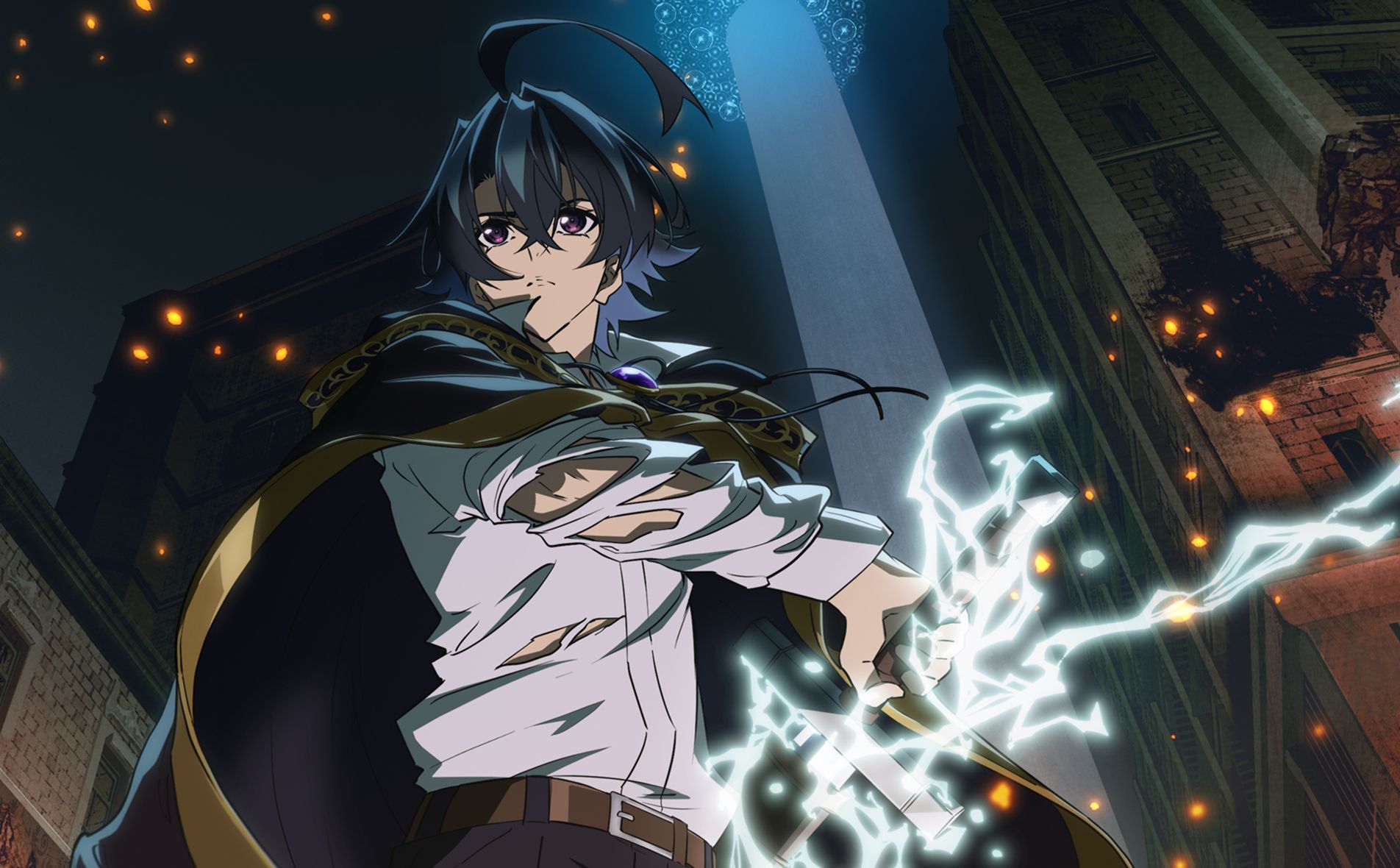
Ever caught yourself rooting for the underdog? That scrappy hero who defies all odds, starts from zero, and somehow climbs to the top? It’s a classic trope for a reason, powering fan-favorite series from Naruto to Black Clover. But what happens when the very success of that underdog story — especially its anime adaptation — turns the tables and challenges its own creators for the better? That's precisely the enchanting tale unfolding behind Wistoria: Wand and Sword, the fantasy series that’s currently captivating audiences on Crunchyroll.
Wistoria: Wand and Sword, penned by Fujino Omori and illustrated by Toshi Aoi, plunges us into a world where magic is life, and survival literally hinges on it. Our protagonist, Will Serfort, is an anomaly – a young man with zero magical aptitude, yet he dares to enroll in the prestigious Rigarden Magical Academy. His goal? To graduate and reach the Mercedes Caulis tower, where his childhood friend, Elfaria, resides, her prodigious magical talent having separated them years ago. Season 2, now airing with fresh episodes every Sunday, throws Will and his new allies into a high-stakes battle against a demon invasion, orchestrated by the mysterious Goetia group. It’s a journey steeped in classic fantasy, but with a refreshing twist that has both manga and anime creators reflecting on their work's unexpected depths.
The Unlikely Hero: Will Serfort's Enduring Struggle
Will Serfort isn't your typical shonen hero who quickly discovers a hidden power or becomes the strongest overnight. While many underdog protagonists like Izuku Midoriya or Asta quickly acquire game-changing abilities, Will’s struggle is far more nuanced. Manga writer Fujino Omori highlights what makes Will unique: "his ‘words and actions after acknowledging that he is not a genius’". Will grapples with an unwavering sense of inferiority. He can't just brush off his lack of magic. Yet, his deepest fear isn't failure, but giving up. This fear fuels a distinct brand of courage, one that's less about raw power and more about sheer, stubborn perseverance.
This dynamic is powerfully illustrated at the start of Season 2. After a triumphant Season 1 victory against a powerful monster, Will was on the cusp of graduation, a written exam away from the tower. But the exam's single question – 'describe how it feels to activate your magic' – forces him to confront his fundamental disadvantage head-on. Illustrator Toshi Aoi finds this internal conflict captivating, noting that "following the secrets hidden within Will alongside the main storyline is one of the things I find most exciting about drawing and reading this series." Will might lack magic, but he compensates with unnatural strength, stamina, and masterful swordsmanship – abilities constantly underestimated in a world obsessed with wands over swords.
Magic's Shadow: A World Built on a Lie
Beyond its compelling lead, Wistoria's world-building is a captivating force. Five centuries before the current narrative, monstrous entities descended from the sky, threatening annihilation. Five powerful mages erected a magical barrier, a massive spell requiring annual renewal, which has shaped society entirely around fostering powerful mages to become the next 'Magia Vander' guardians. In essence, Wistoria's world is a beautiful, yet terrifying, prison, and its inhabitants often unknowingly live warped lives because of it.
Professor Edward Serfence, for instance, once failed to become a Magia Vander himself. His attempts to dissuade Will from entering the tower aren't out of malice, but a misguided effort to spare him similar heartbreak. Omori credits series like Is It Wrong to Try to Pick Up Girls in a Dungeon? as inspiration, while Aoi approaches world creation more organically, building environments that feel fun and immersive, asking himself, "If I were living in this world, what kind of school would be fun? What kind of city would I enjoy?" This personal touch shines through, making Wistoria feel both grand and intimately designed.
From Page to Screen: Honoring the Source Material
The anime adaptation of Wistoria: Wand and Sword has been lauded for its visual flair and faithful translation of the manga's style. Director Hideaki Nakano, helming Season 2, heaps praise on the foundation laid by Season 1 director Tatsuya Yoshihara (affectionately nicknamed Yoshio). Nakano emphasizes his commitment to maintaining the established tone: "The intention was not to change that. That said, when there are developments that don't follow any pattern from season 1, I can't help but incorporate my own style of visuals — but I always make sure not to forget to bring out that Yoshio-esque quality somewhere in there."
Nakano doesn't mince words about the manga's strength either, admitting the immense pressure: "Since the source material is so strong, the moment you let your guard down even slightly, the anime falls short of it in no time." Anime, being a large-scale production, inherently has challenges, requiring immense effort to bridge any quality gaps with the original work. The first season, earning comparisons to juggernauts like Jujutsu Kaisen and Solo Leveling, set a high bar, and Season 2 is clearly striving to meet it.
A Creative Synergy: How Anime Elevates Manga
Perhaps the most fascinating aspect of Wistoria's success story is the profound impact the anime's popularity has had on its original creators. Rather than feeling overwhelmed by the pressure, Omori and Aoi found the adaptation to be a source of inspiration and deeper understanding.
Omori reveals that "The anime helped us notice a depth to the work that even we hadn't realized was there." It showed them they could be freer, incorporate more playful stories, and fostered "even greater attachment to each and every character." Aoi echoes this sentiment, crediting Director Yoshihara for positively influencing his art style. He highlights a common phenomenon in Japan where manga artists refine their craft through anime adaptations, gaining an "objective, upgraded perspective on their own artwork." For Aoi, this amazing environment has pushed him to strive for even greater artistic heights.
Wistoria: Wand and Sword is more than just another fantasy series; it's a testament to the power of an evolving creative process. With a protagonist who redefines the underdog, a world teeming with fascinating secrets, and an anime adaptation that not only honors but enriches its source material, Wistoria offers a truly enchanting experience. If you’re looking for a fresh take on fantasy that’s both engaging and thought-provoking, you'll want to dive into Will's journey.
FAQ
Q: Where can I watch Wistoria: Wand and Sword?
A: You can stream Wistoria: Wand and Sword on Crunchyroll, with new episodes of Season 2 released every Sunday.
Q: Who are the primary creators behind Wistoria: Wand and Sword?
A: The manga is written by Fujino Omori and illustrated by Toshi Aoi. Hideaki Nakano is the director for Season 2 of the anime, building upon the groundwork laid by Tatsuya Yoshihara (Yoshio), the director for Season 1.
Q: What makes Will Serfort a unique underdog protagonist?
A: Unlike many heroes who quickly overcome their disadvantages, Will Serfort never forgets his lack of magical aptitude and sense of inferiority. His unique courage stems from his unwavering refusal to give up or run away, even in the face of constant reminders of his limitations, making his journey one of enduring resolve rather than sudden power discovery.
Related articles

Your Guide to LG's 115-inch QNED evo TV: Features, Gaming & Price
Welcome to an exciting exploration of LG's latest innovation in home entertainment: the colossal 115-inch QNED evo AI Mini LED TV. This guide is designed to walk you through everything you need to know about this

Sakurai Shrugs Off AI Games: Why Human Creativity Still Reigns Supreme
Masahiro Sakurai, creator of *Super Smash Bros.*, believes most AI-created games will be "unprofitable titles" and "low-quality goods." He argues AI can only reproduce existing systems, not generate truly original artistic works like those from Fumito Ueda. In an era of mass production and industry shifts to AI-first models, Sakurai stresses the growing importance of unique human creativity and vision.

Building Passkey Authentication with WebAuthn, Next.js, and NestJS
Password-based authentication has long been the default for digital identity, yet it presents a myriad of challenges for both users and developers. Users grapple with remembering complex passwords, often resorting to
Wizards of the Coast Crowns New President, Signaling a Digital Future
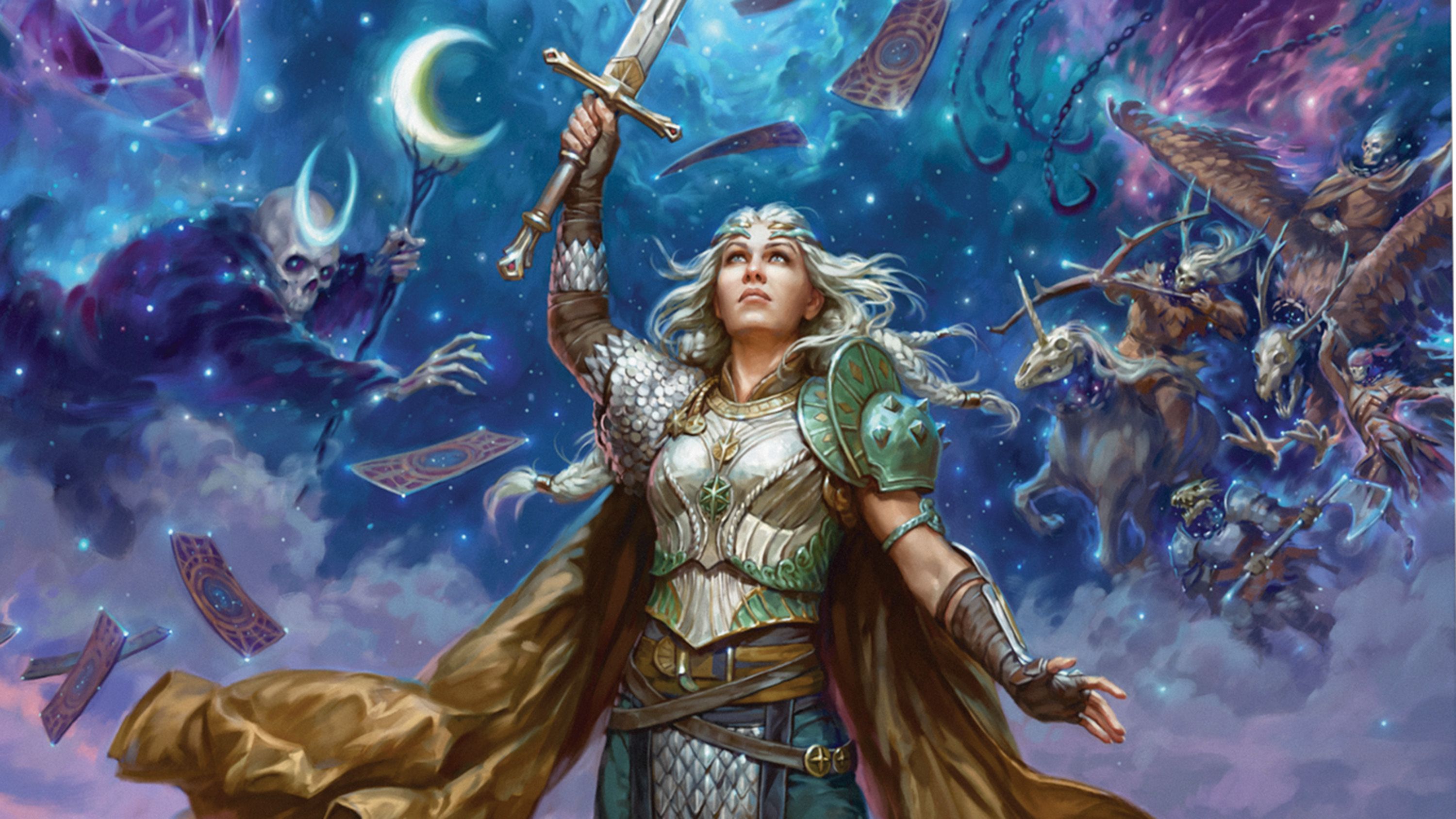
Dan Ayoub, former Senior VP of D&D and an ex-Halo studio head, is the new President of Wizards of the Coast and Hasbro Digital Games. His appointment signals a strong push into digital and video games for the company, creators of Magic: The Gathering and Dungeons & Dragons. Upcoming titles include the sci-fi RPG Exodus and the D&D action-adventure Warlock.
Love Island Australia S8 Guide: Navigating the Stream, Mostly Free
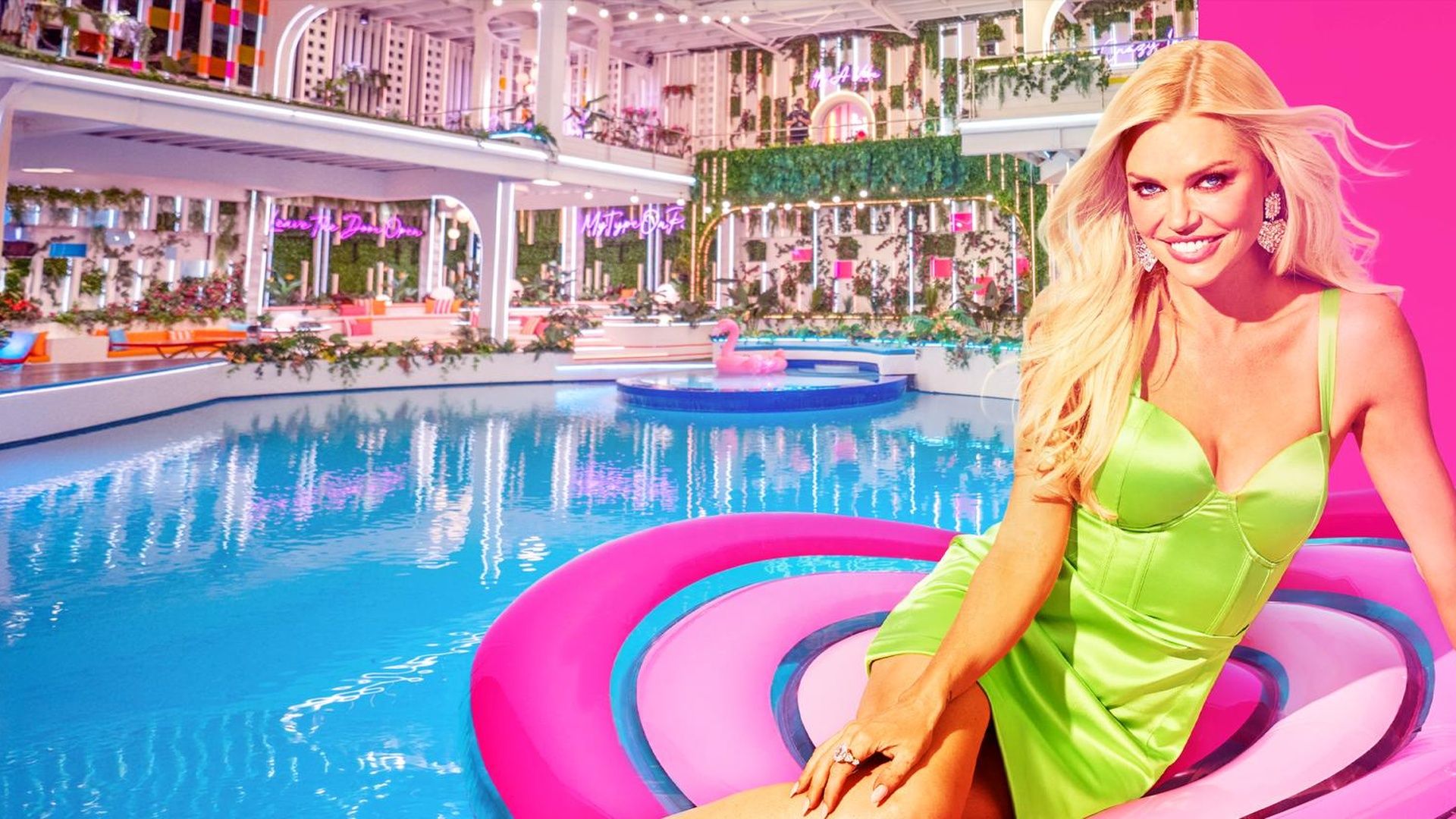
Love Island Australia Season 8 Streaming Guide: Navigating the Digital Waters Verdict: TechRadar's guide to watching Love Island Australia Season 8 is a generally useful, if somewhat navigationally challenged, resource
Warhorse Studios Under Siege: Cyberattack Hits Kingdom Come Dev
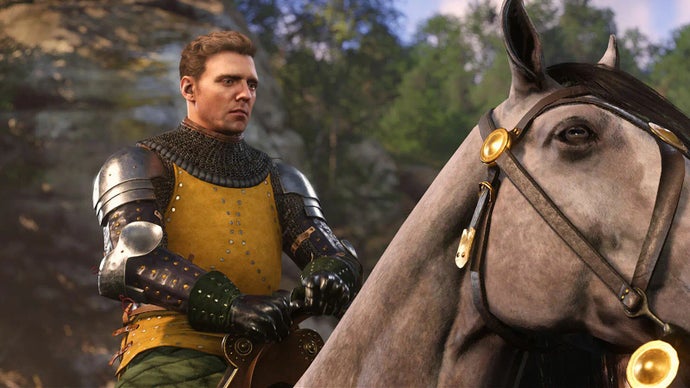
Warhorse Studios, known for Kingdom Come: Deliverance 2, has been hit by a cyberattack, resulting in unauthorized access to their company systems and data. CEO Martin Frývaldský called it a "serious incident," and the studio is working with cybersecurity experts to investigate. This incident follows similar breaches at Capcom and Rockstar, highlighting a growing industry concern.