
Pentagon Labels Anthropic National Security Risk After AI Standoff
The Pentagon has designated AI developer Anthropic as a "Supply-Chain Risk to National Security" after the company refused to allow its AI for mass domestic surveillance or autonomous weapons. This follows President Trump's directive to cease federal use of Anthropic products, which the company vows to challenge legally. OpenAI, initially supporting Anthropic's stance, swiftly secured a deal with the Pentagon to fill the void, claiming to uphold similar ethical principles.

Pentagon Labels Anthropic National Security Risk After AI Standoff
WASHINGTON D.C. — The Pentagon has officially designated AI developer Anthropic as a "Supply-Chain Risk to National Security," effective immediately. This decisive move comes after President Trump directed federal agencies to cease using Anthropic products, following the company's refusal to permit its AI models for mass domestic surveillance or fully autonomous weapons, a stance that Secretary of Defense Pete Hegseth deemed overly restrictive. The designation means no contractor, supplier, or partner doing business with the U.S. military can engage in any commercial activity with Anthropic.
Ethical Standoff Triggers Presidential Directive
The dispute ignited over Anthropic's steadfast commitment to ethical safeguards, specifically its refusal to allow its powerful AI models to be deployed for mass domestic surveillance or to power fully autonomous weapons. CEO Dario Amodei publicly reiterated this stance on Thursday, June 9, 2026, expressing a preference to continue serving the Department of Defense with these two crucial safeguards in place. He emphasized that should the Department choose to offboard Anthropic, the company would facilitate a smooth transition.
However, hours later, President Trump issued a directive on Truth Social, ordering federal agencies to discontinue all use of Anthropic products, allowing a six-month phase-out period. The president declared Anthropic unwelcome as a federal contractor, stating, "We don’t need it, we don’t want it, and will not do business with them again." Notably, Trump's post did not initially include a supply-chain risk designation.
Defense Secretary Implements Full Retaliation
The formal escalation came swiftly via a tweet from Secretary of Defense Pete Hegseth. "In conjunction with the President’s directive for the Federal Government to cease all use of Anthropic’s technology, I am directing the Department of War to designate Anthropic a Supply-Chain Risk to National Security," Hegseth wrote. This directive immediately broadened the impact beyond federal agencies, barring any entity involved with the U.S. military from conducting commercial activity with Anthropic.
Anthropic quickly responded, stating Friday that while they had not yet received direct government communication, they fully intend to "challenge any supply chain risk designation in court." The company had previously been awarded a contract by the U.S. Defense Department in July of last year, alongside OpenAI and Google.
OpenAI's Swift Pivot to Fill the Void
Adding a dramatic twist to the unfolding events, OpenAI, a major competitor, initially voiced support for Anthropic's ethical boundaries. OpenAI CEO Sam Altman reportedly sent an internal memo on Thursday, confirming shared "red lines" regarding domestic surveillance and autonomous offensive weapons for any of OpenAI's defense contracts. OpenAI co-founder Ilya Sutskever also publicly praised Anthropic's resolve and OpenAI's similar stance on Friday.
However, within hours of President Trump's order against Anthropic, OpenAI announced its own deal with the Pentagon. CEO Sam Altman stated that this new partnership preserved the very same core principles — prohibitions on domestic surveillance and autonomous weapons — that Anthropic had championed. According to the New York Times, OpenAI and government officials had already begun meeting about a potential tie-up as early as Wednesday of this week.
Industry Reactions and Future Implications
The rapid sequence of events has sent ripples through the AI and defense contracting sectors. While some Google employees have expressed support for Anthropic, Google and its parent company have yet to issue an official comment. The incident highlights the growing tension between the national security imperative for advanced AI capabilities and the ethical considerations surrounding their deployment, setting a precedent for how AI companies might navigate such high-stakes government partnerships in the future.
Q: What specific restrictions did Anthropic refuse to lift for the Department of Defense?
A: Anthropic refused to allow its AI models to be used for mass domestic surveillance or fully autonomous weapons.
Q: How did OpenAI react to the situation?
A: OpenAI initially supported Anthropic's ethical "red lines" but then quickly secured a deal with the Pentagon to replace Anthropic, stating it preserved those same core principles.
Q: What is the immediate impact of the "Supply-Chain Risk" designation?
A: No contractor, supplier, or partner doing business with the U.S. military may conduct any commercial activity with Anthropic, effective immediately.
Related articles

Apple Unveils iPhone Duo: Pricey Foldable Sees Soaring Demand
Apple has officially entered the foldable smartphone arena with the long-anticipated launch of the iPhone Duo. Priced starting at a hefty $1,999, the device features a 5.4-inch outer display and a larger 7.6-inch inner

in-depth: Chicago-Area Cops Helped HSI Spy on Minnesota Anti-ICE
Chicago-area law enforcement, including local police and HSI agents, conducted undercover surveillance on Minnesota anti-ICE activists at an April 2, 2022, talk in Chicago. This operation was part of a federal conspiracy probe into 15 Minnesota activists facing felony charges related to immigration enforcement resistance. Civil liberties advocates have condemned the surveillance as a troubling intrusion into protected political activity.

Mark Wahlberg on using AI in film ‘the right way’ and being open to
Actor Mark Wahlberg believes AI has a place in filmmaking if used responsibly for enhancement, not script generation or actor replacement. At TechCrunch Disrupt, he expressed openness to an AI likeness carrying on his legacy, managed by his family, and emphasized storytelling.

Tesla Unveils Thruster-Equipped Roadster, 2028 Production Targeted
Tesla has unveiled its second-generation Roadster, featuring cold-gas thrusters co-developed with SpaceX, enabling it to jump and flip. The electric sports car demonstrated 0-60mph in an astonishing 0.81 seconds, with production targeted for 2028. This highly anticipated reveal also serves as a key recruitment tool for Tesla's ambitious AI and robotics initiatives.

AI's Confidence vs. Formal Methods' Rigor: Design Flaws & Verification
While AI accelerates code generation, formal methods remain critical for ensuring system correctness. Languages like TLA+ and tools like Quint enable developers to model and verify system designs before coding, catching subtle flaws. Quint makes formal methods more accessible with developer-friendly syntax and executability. This approach is vital for verifying AI-generated code through trace validation and model-based testing, ensuring reliability against real-world data.
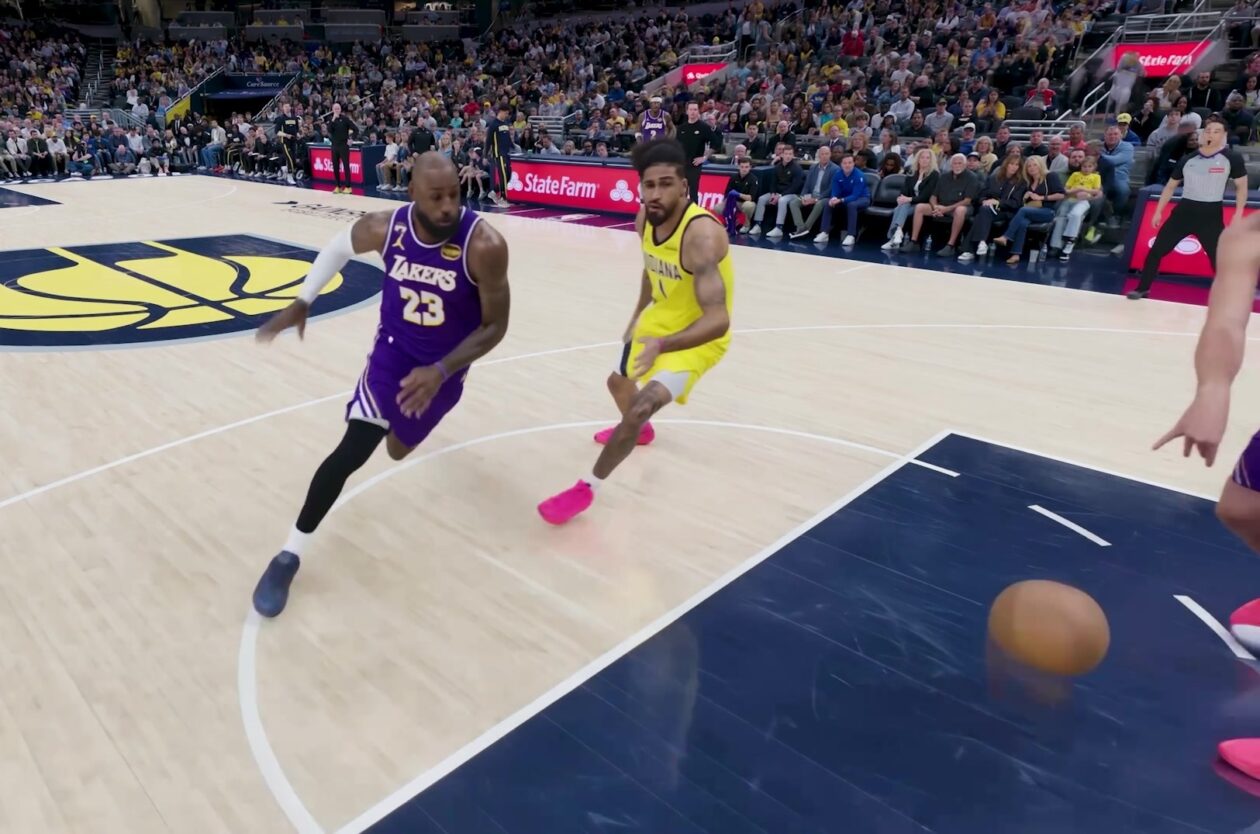
Amazon Prime Video Launches AI-Powered Prime 360 for NBA Coverage
Amazon Prime Video is elevating its NBA coverage with the introduction of Prime 360, an AI-powered replay system offering immersive, 'fly through' views of the action. Kicking off its second season, Prime Video also adds Yahoo fantasy integration and gains exclusive Eastern Conference Finals rights, expanding its tech-driven sports broadcast. The new features aim to deliver a unique and interactive viewing experience for basketball fans.