
NVIDIA Shield TV Review: The Unstoppable 7-Year Streamer
Seven years after its last hardware refresh, the NVIDIA Shield TV surprisingly remains a top Android TV streamer. Its unparalleled software support, offering updates for over a decade for older models, ensures reliability. Paired with an excellent, ergonomic remote, it still delivers a premium streaming experience despite its aging hardware showing minor limitations with certain modern video formats like YouTube HDR. It's a testament to longevity and value.
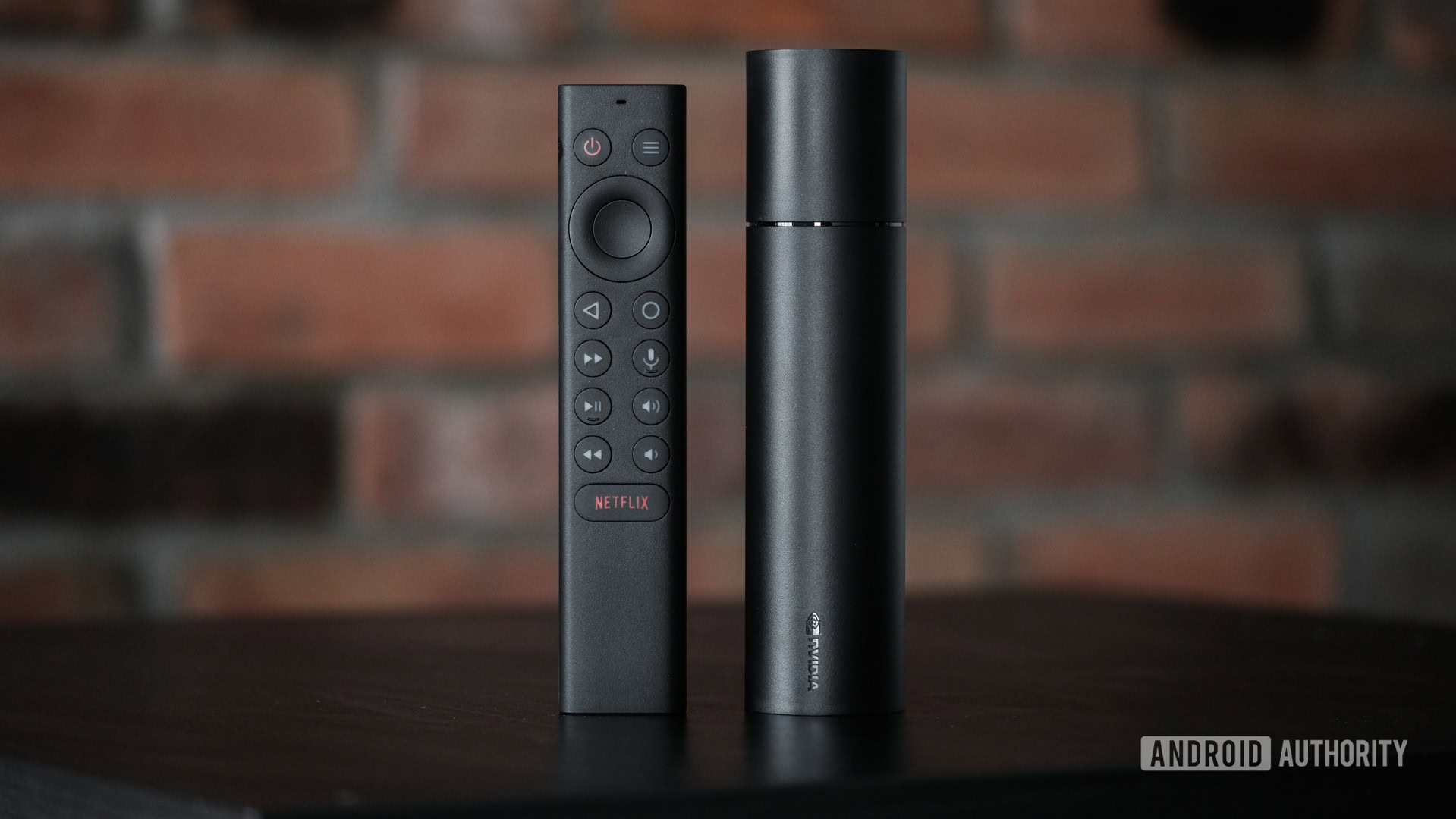
In a world where smart home gadgets are constantly being refreshed, often struggling to stay relevant past a few years, one device stands as an almost unbelievable exception: the NVIDIA Shield TV. Seven years after its last hardware refresh, and with initial models dating back over a decade, this Android TV streamer continues to impress. It’s a testament to exceptional software support and thoughtful design that the Shield TV remains not just functional, but a top contender in the streaming device market, even if it's finally showing its age in a few specific areas.
Unrivaled Longevity & Software Support
The most compelling reason the NVIDIA Shield TV remains a go-to streamer is its unparalleled commitment to software updates. While many devices, even modern Android phones, see their support windows close after a few years, NVIDIA has consistently rolled out major patches annually and minor updates every few months for its Shield TV lineup. This means that hardware released seven years ago, and even older models from 2015 and 2017, continue to receive vital improvements, pushing its support window beyond a decade. This level of enduring commitment is almost unheard of in consumer electronics, especially for an Android-based device.
These aren't just minor security patches either. Recent updates have addressed significant user-reported issues, from Disney Plus playback problems to sleep mode glitches and Bluetooth connectivity hiccups with third-party remotes. For cheaper streaming boxes, such issues could easily spell the end of support, but NVIDIA's engineers seem intent on keeping the Shield TV running flawlessly. This commitment truly distinguishes it from the competition; comparing it to Android flagships, NVIDIA’s seven-plus years of support surpasses what many brands offer, matching only the likes of Samsung and Google at their best. Meanwhile, other Android streaming boxes from a few years ago are already relics.
NVIDIA's CEO, Jensen Huang, has even stated that the hardware is designed to be supported indefinitely, right up until the engineers retire. This effectively removes any incentive for current users to replace their devices due to obsolescence, a remarkable feat in the tech world.
The Remote: A Unique & User-Friendly Experience
Beyond the software, the NVIDIA Shield TV’s remote control is a significant contributor to its enduring appeal. Its distinctive triangular design, while taking a moment to acclimate to (especially to avoid the Netflix button), is surprisingly ergonomic. It rests comfortably in the hand, and with a minimal number of buttons, users can navigate by feel without needing to look down. This thoughtful design strikes a perfect balance, avoiding the 'too small' feel of Roku remotes or the awkward power button placement found on Google's TV streamer.
One appreciated aspect is the remote's simplicity, featuring only one shortcut button for Netflix. While not ideal for non-Netflix subscribers, it’s a far cry from the cluttered remotes of Fire TV devices that boast multiple dedicated buttons for various streaming services. For those services, a voice command is often a more elegant solution. The remote’s unique, wedge-like shape also makes it remarkably difficult to lose in couch cushions, a small but significant quality-of-life improvement that demonstrates clever design.
However, it's not perfect. A common request, and one the reviewer agrees with, is the addition of a dedicated mute button. Repeatedly pressing the volume-down button to achieve the same effect is a minor annoyance in an otherwise stellar control experience.
Performance That Still Holds Up (Mostly)
Despite its age, the NVIDIA Shield TV's hardware, even the less powerful tube-shaped version with 2GB of RAM, largely holds its own for primary streaming functions. The Tegra X1 Plus processor continues to capably handle AI-enhanced upscaling, supports GeForce Now gaming, and delivers premium audio and video experiences with Dolby Vision and Atmos. For most streaming needs, the device remains smooth and responsive, rarely exhibiting hiccups or requiring storage clean-up.
However, the hardware is not immune to the relentless march of technological progress. The Tegra X1 Plus, while still robust, is beginning to show its limitations. Crucially, it lacks the necessary codecs for HDR playback on YouTube, a notable omission for a modern streaming experience. Furthermore, some users, including the reviewer, have reported occasional issues with the YouTube app itself opening reliably in recent months, suggesting that while the system remains performant, specific software-hardware interactions are becoming more challenging to maintain at peak efficiency.
Time for an Upgrade? What's Missing
Even with its impressive longevity, there's a growing consensus that it's time for NVIDIA to introduce new Shield TV hardware. The streaming and smart home landscape has evolved considerably in seven years, and while software updates have done an admirable job bridging the gap, some limitations are hardware-bound.
Foremost on the wish list is a new chipset. An updated processor would resolve issues like the missing YouTube HDR codecs and enhance overall performance, particularly for gaming, which was a core initial focus for the Shield. Additionally, there's a desire for a hybrid model that slots between the current base and Pro versions. This theoretical device would offer expanded connectivity options (more ports) and additional RAM for future-proofing, all while retaining the convenient and compact tube design. Such upgrades would not only improve general streaming capabilities but also bring a much-needed boost to the Shield TV's gaming prowess, reinforcing its original intent as a versatile entertainment hub.
Comparing Against the Competition
The NVIDIA Shield TV's main competitors are typically other Android TV boxes or dedicated streaming devices from brands like Roku, Google, and Amazon. In terms of software support, the Shield TV frankly stands in a league of its own, with no comparable device offering such an extended and consistent update cycle. Many cheaper Android TV boxes offer minimal to no long-term support, quickly becoming obsolete.
When it comes to remote design, the Shield TV generally outperforms. Roku remotes are often criticized for being too small, while Google's TV Streamer has an awkwardly placed power button. Amazon's Fire TV remotes, with their proliferation of dedicated service buttons, feel cluttered and less intuitive than the Shield's minimalist approach. While some newer devices might offer more cutting-edge hardware specifications out of the box, few can match the Shield TV’s proven track record of reliable, long-term performance and user experience.
The Verdict: Should You Still Buy It?
The NVIDIA Shield TV (2019 model) remains a genuinely excellent Android TV streamer, primarily due to NVIDIA’s unparalleled commitment to software support and its thoughtfully designed remote. If you prioritize long-term updates, a reliable user experience, and a remote that feels great in your hand, it's still an incredibly strong contender, especially for its price.
However, its aging hardware is starting to show, particularly with issues like the lack of YouTube HDR codecs and occasional app stutters. While it still handles most streaming tasks admirably, those seeking the absolute bleeding edge of performance, especially for certain video formats or more demanding gaming, might find themselves wishing for a new model. Despite these minor limitations, the Shield TV offers incredible value through its longevity. For a device that rules for seven years and promises continued support, it's hard to beat.
Q: Is the NVIDIA Shield TV still worth buying in 2026? A: Yes, for its exceptional long-term software support, reliable performance for most streaming needs, and user-friendly remote, it remains a strong choice, particularly if you value longevity over cutting-edge hardware.
Q: What are the main downsides of buying an NVIDIA Shield TV now? A: The primary downsides are its aging hardware, which struggles with specific modern features like YouTube HDR, and the absence of a dedicated mute button on the remote.
Q: How does its software support compare to other streamers? A: The NVIDIA Shield TV offers unrivaled software support, with updates continuing for over seven years (and over a decade for older models), far surpassing the lifespan of most other streaming devices and even many flagship smartphones.
Related articles
Android 17 QPR2 Beta 7.1: The Performance Relief You've Been Waiting
Android 17 QPR2 Beta 7.1: Finally Fixing the QPR1 Performance Woes Verdict: Android 17 QPR2 Beta 7.1 is a crucial and highly anticipated software update for Google Pixel users, specifically targeting and resolving the

DJI Solo Video Setups: Smart Choices for Lone Creators
This review delves into DJI's recommended solo video setups, highlighting the Osmo Pocket 3 Creator Combo as a top pick for its integrated camera, gimbal, and mic. It also covers stabilizers like the Osmo Mobile 8 and RS 4, and the DJI Mic Mini series for enhanced audio, providing honest pros, cons, and clear buying advice.

Ars Technica's Rocket Report: Your Essential Space Industry Briefing
Quick Verdict Ars Technica's Rocket Report, presented by veteran space reporter Stephen Clark, offers an invaluable and meticulously organized weekly (or similar frequency, implied by "Edition 9.15") digest of the most

Apple iPhone Duo: A Daring Debut with Notable Compromises
Apple's highly anticipated iPhone Duo, priced at $2,000, has gone on pre-order. While hailed as "Apple's most exciting device in a decade" for its innovative foldable design and immersive display, it comes with significant drawbacks like the absence of FaceID and a premium camera.
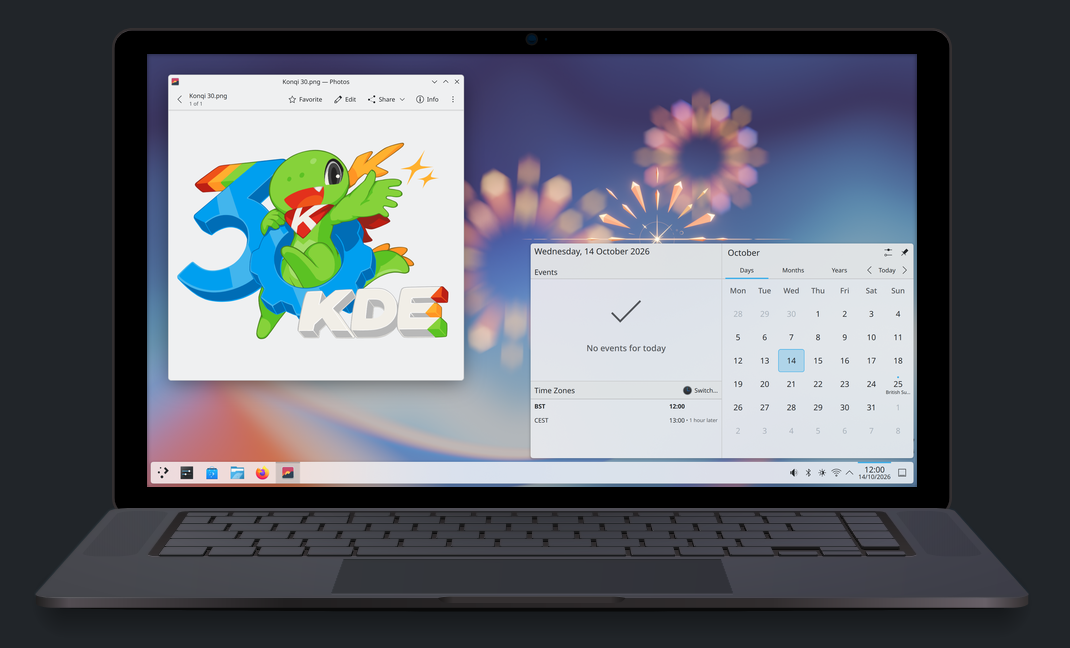
KDE Plasma 6.8: A Future-Focused 30th Anniversary Update
Quick Verdict KDE Plasma 6.8, arriving as the "30th Anniversary Edition," is a pivotal release that decisively pushes the desktop environment into the future. With a definitive farewell to native X11 sessions and a
Ephemeral PR Preview Environments on GKE: A Deep Dive
Every development team eventually grapples with the limitations of shared staging environments. The familiar scenario: multiple features deployed simultaneously, database migrations clashing, and the phrase "it works on