
Binance Reopens After Historic Heist: A Fragile Recovery
Verdict Binance, one of the world's largest cryptocurrency exchanges, has reopened transactions after suffering a staggering $6.3 billion crypto heist, one of the largest in history. While the platform has commendably

Verdict
Binance, one of the world's largest cryptocurrency exchanges, has reopened transactions after suffering a staggering $6.3 billion crypto heist, one of the largest in history. While the platform has commendably moved to replace the vast majority of stolen assets from its own funds and has restored withdrawal capabilities, the incident undeniably shakes user confidence. The swift action to cover user losses is a significant positive, yet the sheer scale of the breach and the subsequent billions in user withdrawals highlight an uphill battle for trust. For existing users, the immediate relief of resumed service is palpable, but new users should approach with heightened awareness of the inherent risks in the crypto space, even on major platforms.
The Incident: A Breach of Epic Proportions
On October 29, the cryptocurrency world was rocked by news of a massive security breach on Binance, resulting in the theft of digital assets valued at approximately $6.3 billion. This wasn't a drawn-out attack; reports indicate the heist occurred within a mere 20 minutes, demonstrating a highly sophisticated and rapid infiltration. Following the breach, Binance acted swiftly to suspend all withdrawals across numerous networks to contain the damage and assess the situation.
Investigations by the FBI have pointed fingers at TraderTraitor, a North Korean state-sponsored hacking group, as the likely perpetrator. However, conflicting statements, including one from US President Donald Trump, have introduced some uncertainty regarding the definitive origin of the attack. Regardless of who was behind it, the incident serves as a stark reminder of the persistent and evolving threat landscape facing digital asset platforms.
Binance's Response: Covering the Losses
In the aftermath of such a monumental loss, the crypto community held its breath, wondering how Binance would respond. The exchange's primary response has been to commit to covering the financial losses using its own resources, specifically tapping into its Secure Asset Fund for Users (SAFU), its Futures Insurance Fund, and its corporate treasury. This commitment is crucial, as it means customers will not directly bear the brunt of the stolen assets.
Binance has reportedly managed to replace about 95% of the stolen cryptocurrency through these internal mechanisms. This is a considerable feat, demonstrating significant financial backing and a commitment to user protection. However, the remaining 5% consists of cryptocurrencies that are proving more challenging to acquire in large quantities, leaving a small, though still substantial, portion unreplaced.
It's important to note that replacing the assets doesn't equate to recovering the original funds from the hackers. While users' accounts are being made whole, the stolen digital assets themselves remain in the hands of the attackers, raising ongoing concerns about market stability and the potential for these funds to be moved or laundered in the future.
User Experience: The Phased Reopening
Following the temporary suspension, Binance has begun a phased reopening of its withdrawal services. Initially, the exchange is supporting withdrawals for 15 cryptocurrencies, including popular assets like Bitcoin, Ether, Dogecoin, and key stablecoins such as USDC and USDT. Binance states that this selection was based on customer demand over the preceding week, indicating an effort to prioritize the most essential services for its user base.
The immediate aftermath of the reopening saw a significant exodus of funds. Crypto analytics platform DefiLlama reported over $3.5 billion in net outflows on the Sunday immediately following the resumption of services. This surge in withdrawals clearly indicates a strong reaction from users, many of whom likely moved to secure their assets elsewhere or simply cashed out due to concerns about the platform's security.
Binance has, however, stated that this initial rush of withdrawals has begun to settle down. The company also maintains that these withdrawals represent only a small fraction of its total managed assets, suggesting that a large portion of its user base has either retained their funds on the platform or continued to deposit. This suggests a mixed reaction, where some users are clearly unnerved, while others may be taking a wait-and-see approach, or perhaps even using the opportunity to acquire crypto at potentially favorable prices from those withdrawing.
Pros and Cons
Pros:
- Rapid Loss Coverage: Binance's commitment to using its SAFU, Futures Insurance Fund, and corporate treasury to replace 95% of the $6.3 billion stolen assets is a significant positive, demonstrating a strong financial buffer and commitment to users.
- Swift Action to Halt Withdrawals: The immediate suspension of withdrawals across multiple networks helped prevent further losses and allowed the exchange to assess the damage.
- Phased Reopening: A controlled, phased approach to resuming services for popular cryptocurrencies helps manage liquidity and rebuild operational stability.
- Transparency (Post-Facto): The communication about the source of the breach (FBI attribution) and the efforts to cover losses offers some level of transparency to users.
Cons:
- Catastrophic Security Breach: The sheer scale of the $6.3 billion heist highlights a severe vulnerability in Binance's security infrastructure, capable of being exploited in a very short timeframe.
- Erosion of Trust: The massive net outflows of $3.5 billion post-reopening indicate a significant loss of user confidence, which can be challenging to regain.
- Unreplaced Funds: While 95% is a large majority, 5% of $6.3 billion still represents hundreds of millions of dollars in unreplaced, difficult-to-obtain cryptocurrencies.
- No Recovery of Original Assets: Binance has replaced funds but hasn't recovered the original stolen assets from the hackers, meaning the funds are still out there.
- Ongoing Scrutiny: Such a high-profile incident will undoubtedly lead to increased regulatory scrutiny and user caution.
Comparison to Alternatives
Given that the source content focuses solely on Binance's specific incident and its response, it does not provide sufficient information to draw meaningful comparisons with other cryptocurrency exchanges regarding their security protocols or their handling of similar-scale heists. Therefore, a comparative table of alternatives based only on the provided text would not be feasible or accurate. Users seeking alternatives should conduct their own thorough research into the security track records, insurance policies, and operational transparency of other platforms.
Buying Recommendation
For current Binance users, the reopening of withdrawals and Binance's commitment to cover the vast majority of losses offers a degree of reassurance. If you've been impacted, your funds are largely being restored, and you now have the option to withdraw. However, the event necessitates a critical re-evaluation of your risk tolerance. The platform's ability to absorb such a colossal loss is a testament to its scale and reserves, but it doesn't erase the fact that the breach happened.
For potential new users, or those considering moving significant assets onto the platform, caution is advised. While Binance has taken commendable steps to rectify the situation, the incident underscores the inherent volatility and security risks associated with centralized cryptocurrency exchanges. Diversifying your holdings across multiple platforms, utilizing hardware wallets for long-term storage, and only keeping necessary funds on exchanges are prudent practices. Binance has shown resilience and a commitment to its users post-heist, but the scar of a multi-billion dollar breach will remain, and regaining full user trust will be a long process.
FAQ
Q: What was the total value of the crypto stolen from Binance in this heist?
A: Approximately $6.3 billion worth of digital assets were stolen in what is described as one of the biggest crypto heists to date.
Q: Has Binance covered all the stolen funds?
A: Binance has replaced around 95% of the stolen cryptocurrency using its Secure Asset Fund for Users (SAFU), Futures Insurance Fund, and corporate treasury. The remaining 5% consists of cryptocurrencies that are harder to obtain in large quantities.
Q: Who is responsible for the Binance crypto heist?
A: The FBI has attributed the attack to TraderTraitor, a North Korean state-sponsored hacking group. However, US President Donald Trump expressed uncertainty about North Korea's definitive involvement.
Related articles

Touchscreen MacBook Pro: Uninspired and Unconvincing
Apple's new touchscreen MacBook Pro with its PROLED XDR Display feels like an uninspired addition. Despite the beautiful OLED panel, the touchscreen functionality is uncomfortable for extended use and doesn't justify its premium.

Waititi Blasts Critics: Is Fan Love Enough When Box Office Crumbles
Taika Waititi has publicly lambasted film critics as "irrelevant, out of touch, obsolete" after his latest film, Klara and the Sun, received overwhelmingly negative reviews. Despite warmer audience reception, the movie has struggled at the box office, sparking debate on critical versus fan opinion.

GeekWire Week in Review: A Curated Dose of PNW Tech News
Verdict: Your Weekly Dose of Pacific Northwest Tech Insights GeekWire's "Week in Review" for October 25, 2026, serves as a highly efficient digest for anyone looking to stay abreast of the significant tech and startup
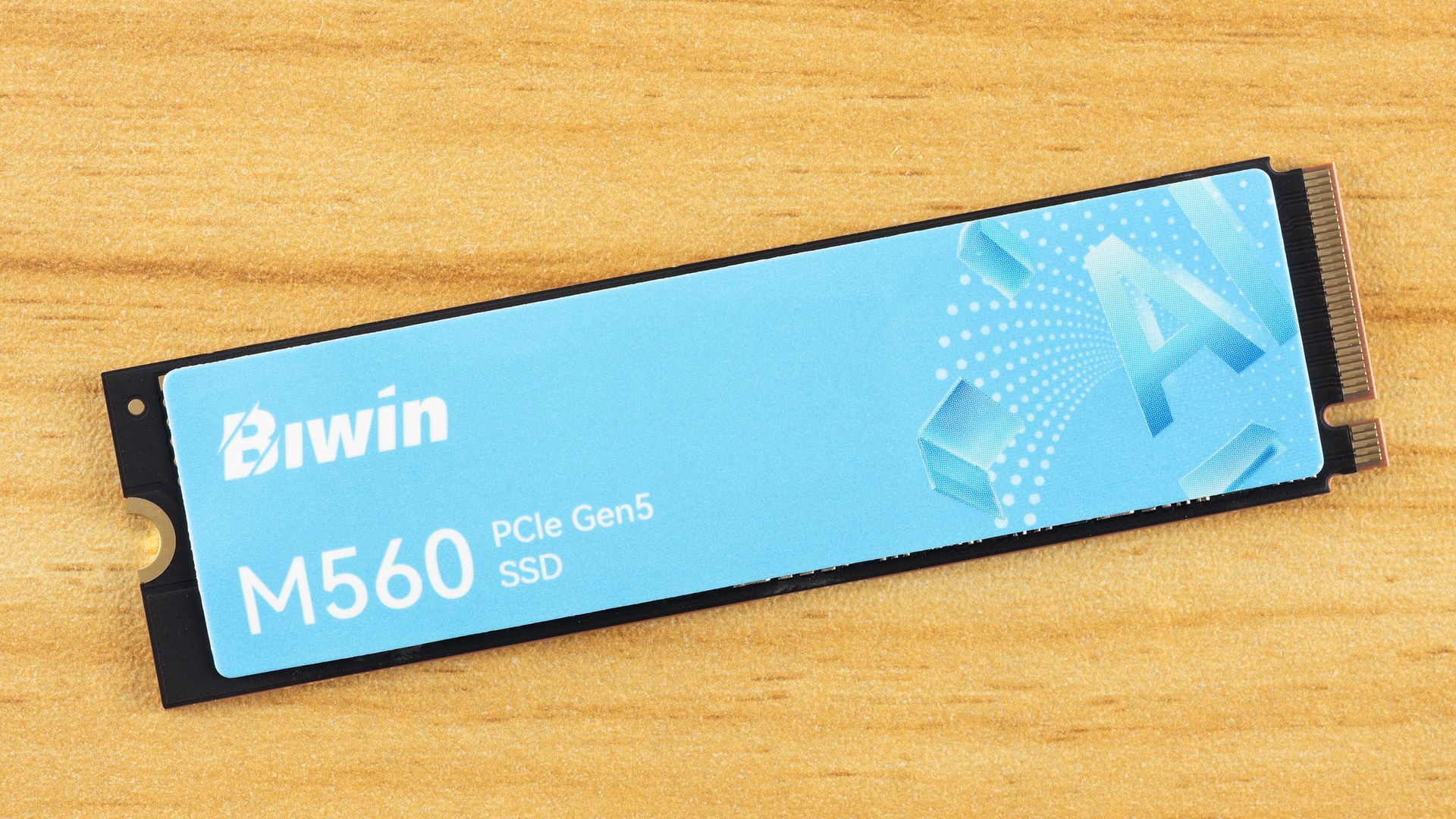
Biwin M560 2TB SSD Review: A DRAM-less PCIe 5.0 Powerhouse
The Biwin M560 2TB SSD is a top-tier PCIe 5.0 DRAM-less drive, delivering exceptional application and gaming performance with impressive efficiency. Its SMI SM2504XT controller shines, making it a strong contender for next-gen storage.
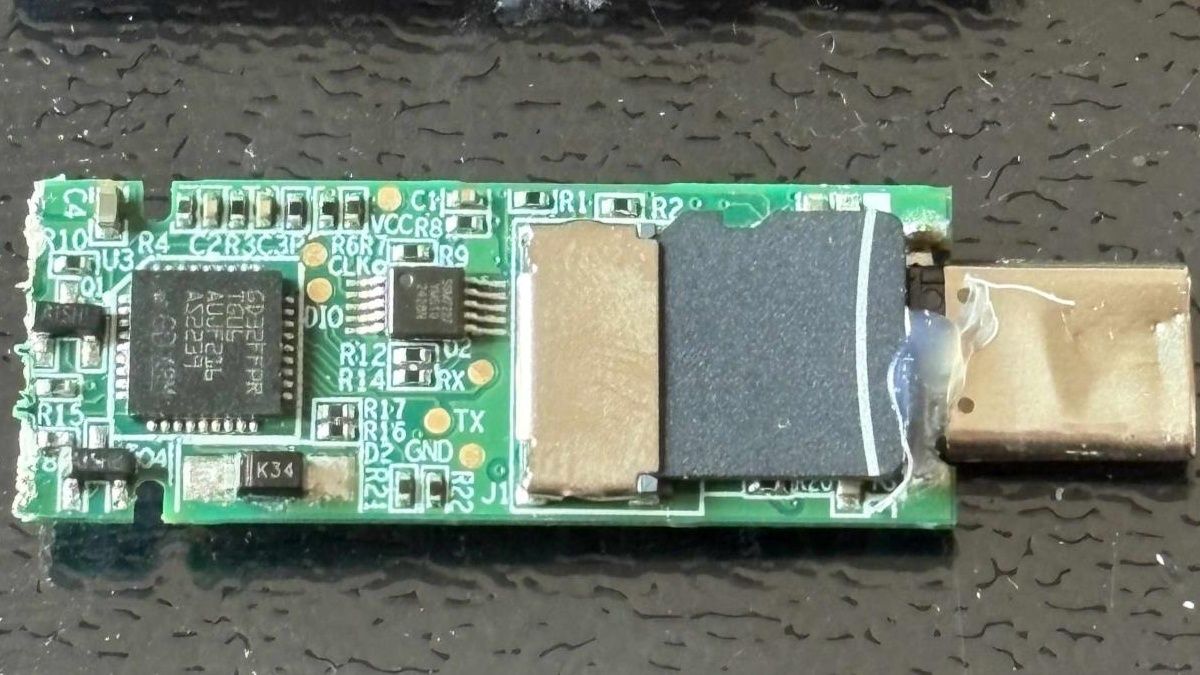
Lenovo Fingerprint USB: Security Mirage Exposed
Lenovo's ThinkPlus FU100 fingerprint USB, advertised with AES-256 encryption, was found to be a simple unencrypted SD card. Further research revealed critical vulnerabilities, backdoors, and hardcoded keys in other "secure" USB products from Lenovo and other vendors, turning supposed data protection into a dangerous illusion.

SpaceX Starfall Cargo Drop Pods: Space-Delivered Logistics, Tested
The USAF and SpaceX Starfall cargo drop pods successfully demonstrated orbital delivery of military supplies, offering rapid, safe logistics. While current capacity is 2,200 pounds, future plans aim for tens of tons.