
Nintendo Switch 2: Storage Crisis Threatens Game Demand
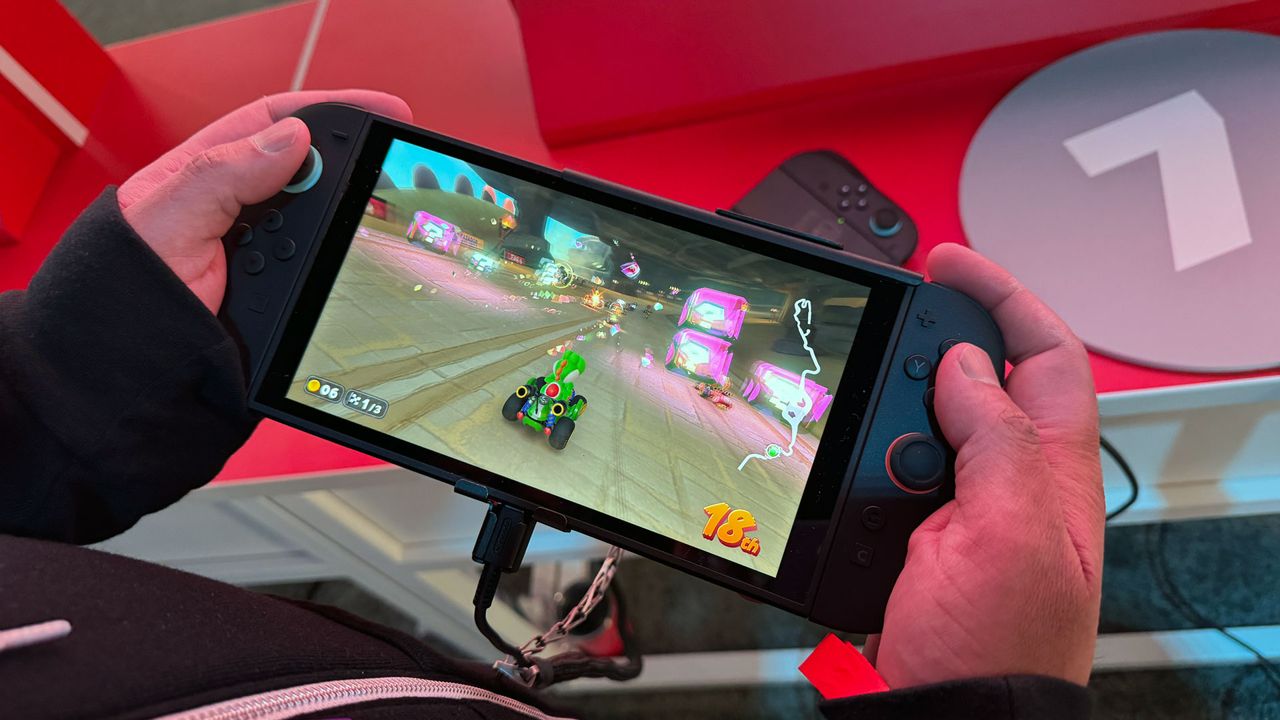
Nintendo Switch 2 faces a significant challenge as rising storage costs and larger game sizes are reportedly causing users to buy fewer titles. With limited 256GB onboard storage, external expansion is essential but increasingly expensive.
Quick Verdict: A Storage Conundrum
The Nintendo Switch 2, while boasting more powerful hardware and promising an enhanced gaming experience, is currently grappling with a significant challenge: its limited onboard storage and the escalating cost of external memory. This situation is reportedly leading users to curb their game purchases, directly impacting Nintendo’s crucial software sales. For avid gamers, the dream of a vast digital library is being bottlenecked by the practical reality of rapidly filling space and the growing financial outlay required for expansion. While Nintendo is attempting to mitigate the issue with branded storage solutions, the core problem of expensive, essential expansion remains a substantial hurdle for consumers and a threat to the console's long-term software revenue.
The Heart of the Problem: Limited Storage Meets Growing Games
At the core of the Nintendo Switch 2's current predicament is its integrated 256GB of storage. While seemingly adequate on paper for some, this capacity is quickly proving insufficient given the console's more advanced specifications. Unlike its predecessor, the Switch 2's enhanced capabilities allow for significantly larger and more graphically intensive game titles. A prime example highlighted is the eagerly anticipated Final Fantasy VII Rebirth, a major franchise release, which reportedly clocks in at a hefty 102.5GB. This single title alone consumes approximately 40% of the console’s entire internal storage, leaving precious little room for other games, system updates, or downloaded content.
This rapid consumption of space means that players who once bought games freely are now adopting a much more cautious approach. One gamer noted a dramatic shift from purchasing titles "on a whim" to exercising considerable restraint, surprised by how quickly their storage filled up. This anecdotal evidence is supported by broader market analysis. According to data compiled by Bloomberg, the momentum of software sales for the Switch 2 is noticeably lagging behind that of the original Switch. At a comparable sales milestone of around 17 million units, the Switch 2 recorded an average of just 2.18 games purchased per console, a stark decrease from the original Switch's 3.88 games per console.
The Costly Reality of Expansion: microSD Express Woes
For gamers who aspire to maintain a robust library of installed titles, expanding the Switch 2’s storage capacity is not merely an option, but a necessity. The console utilizes microSD Express Cards, which, while offering faster performance, come at a premium compared to standard microSD cards. Compounding this issue is a broader storage chip shortage, partly attributed to increased demand from AI applications, which is driving NAND prices upward. This shortage and subsequent price hike are directly impacting the cost of these essential storage accessories.
Consider the financial trajectory: a 512GB TeamGroup Apex microSD Express Card, which cost around $100 in late 2025, now commands a price of $114.99 on Amazon. For those requiring even greater capacity, a 1TB Lexar Play Pro card, once available for under $190, has seen its price surge to $219.99. These significant price increases on what is essentially an ancillary, yet vital, purchase are giving gamers considerable pause when contemplating new game acquisitions. The initial console price of $449, itself influenced by global economic factors and tariffs, already represents a notable investment. Adding several hundred dollars for adequate storage, on top of game prices typically ranging from $50 to $80 per title, creates a substantial financial burden on consumers.
Nintendo's Response and Its Limitations
Recognizing the growing concern among its user base, Nintendo has initiated efforts to alleviate the storage crisis. The company has introduced its own line of Nintendo-branded microSD Express cards, manufactured by Samsung. These cards are currently available for $59.00 on Amazon. To make these more accessible, reports suggest that Nintendo has even "secured concessions from retailers," implying a shared reduction in profit margins to offer a more competitive price point. This proactive step demonstrates Nintendo's awareness of the problem and its commitment to supporting its gaming community.
However, the effectiveness of this solution for all users remains questionable. These branded cards are offered at a 256GB capacity, meaning that for an avid game collector, or someone looking to install multiple large titles, purchasing several of these cards would still be necessary. This quickly adds up, negating some of the cost savings and convenience. While a commendable effort, it highlights the deeper issue that even with reduced prices, the inherent cost of acquiring sufficient storage for the modern gaming landscape on the Switch 2 remains a significant concern for players.
The Bottom Line: Impact on Gamers and Nintendo's Revenue
This confluence of larger game sizes, limited onboard storage, and spiraling external storage costs presents a multifaceted problem for both Nintendo and its dedicated fanbase. Unlike some competitors like Microsoft’s Xbox or Sony’s PlayStation, Nintendo typically sells its hardware at very thin margins, if not a slight profit. This strategy means the company relies heavily on the sales of its software to generate the majority of its profits. When gamers hesitate to buy new titles due to storage limitations and the added expense of expansion, it directly impacts Nintendo's crucial revenue stream.
For the gamer, the joy of impulse purchases or building a vast digital collection is overshadowed by practical constraints and financial considerations. The total cost of ownership for a Switch 2 capable of holding a decent library of modern games can quickly become prohibitively high. This dynamic risks alienating potential buyers and may lead existing users to be far more selective in their game purchases, potentially stifling the rich ecosystem of titles that makes Nintendo consoles so appealing.
Pros and Cons
Pros:
- More Powerful Hardware: The Switch 2's enhanced capabilities allow for more complex and visually rich games.
- Nintendo's Proactive Steps: The company is actively trying to address the issue by offering branded, more affordably priced microSD Express cards with retailer concessions.
- External Storage Option: The availability of microSD Express slots means storage can be expanded, albeit at a cost.
Cons:
- Insufficient Onboard Storage: 256GB is quickly filled by modern, larger game titles, making external storage a near necessity.
- High and Rising Cost of External Storage: MicroSD Express cards are expensive, and their prices are increasing due to chip shortages, significantly raising the total cost of ownership.
- Impact on Game Sales: Gamers are reportedly purchasing fewer titles, directly affecting Nintendo's primary profit driver.
- Increased Financial Burden on Consumers: The need to spend substantial extra money on storage on top of the console and game prices makes the Switch 2 a more expensive investment for dedicated players.
- Reduced User Experience: The constant need to manage storage space, uninstall games, or prioritize purchases can detract from the overall gaming experience.
Buying Recommendation
The Nintendo Switch 2 certainly has its appeal with more powerful hardware and the promise of exciting new titles. However, prospective buyers need to be acutely aware of the storage situation before making a purchase. While the console itself is a compelling piece of tech, the limited 256GB internal storage means that external expansion is not an option, but an inevitability for most gamers, especially those interested in larger, newer titles. Therefore, budget for a high-capacity microSD Express card from day one. Do not underestimate this hidden cost. If you’re a casual gamer who might only play one or two games at a time, you might manage for a while. But for anyone looking to build a substantial digital library, or simply enjoy several of the biggest upcoming releases, the additional investment in storage is a critical component of the console's overall price. Consider the full financial picture before diving in, as the cost of games combined with essential storage can quickly add up.
FAQ
Q: How much onboard storage does the Nintendo Switch 2 have?
A: The Nintendo Switch 2 comes with 256GB of internal storage.
Q: Why are Switch 2 games consuming so much storage?
A: The Switch 2 features more powerful hardware than its predecessor, allowing developers to create significantly larger and more graphically demanding titles, which in turn require more storage space.
Q: Is Nintendo doing anything to address the storage issue?
A: Yes, Nintendo has launched its own branded 256GB microSD Express cards, made by Samsung, offered at a more competitive price ($59.00). They have also reportedly secured concessions from retailers to help make these more accessible to gamers.
Related articles
Android 17 QPR2 Beta 7.1: The Performance Relief You've Been Waiting
Android 17 QPR2 Beta 7.1: Finally Fixing the QPR1 Performance Woes Verdict: Android 17 QPR2 Beta 7.1 is a crucial and highly anticipated software update for Google Pixel users, specifically targeting and resolving the

"thegentlemanpervert": A Catastrophic Failure in Digital Ethics and
"thegentlemanpervert" review: An AI CSAM production and distribution operation, led by a NJ prosecutor, proved to be an absolute and catastrophic failure, resulting in felony charges and a stark warning about digital culpability.

Porsche’s electric Macan Turbo is an automotive existential crisis
Porsche's 2026 electric Macan Turbo challenges traditional sports car definitions, blending exhilarating 630-hp performance with an anonymous crossover design. Tested on various roads, it raises questions about automotive identity in the EV era, proving that immense power can come in an understated package.

DJI Solo Video Setups: Smart Choices for Lone Creators
This review delves into DJI's recommended solo video setups, highlighting the Osmo Pocket 3 Creator Combo as a top pick for its integrated camera, gimbal, and mic. It also covers stabilizers like the Osmo Mobile 8 and RS 4, and the DJI Mic Mini series for enhanced audio, providing honest pros, cons, and clear buying advice.
Star Wars: Galactic Racer's Secret Sauce: A Triple-A Hit From a Tiny
When you think of a new Star Wars game, especially one hitting a stellar Metacritic score of 88, you probably picture a massive studio with hundreds, if not thousands, of developers burning the midnight oil. But for

Ars Technica's Rocket Report: Your Essential Space Industry Briefing
Quick Verdict Ars Technica's Rocket Report, presented by veteran space reporter Stephen Clark, offers an invaluable and meticulously organized weekly (or similar frequency, implied by "Edition 9.15") digest of the most