
NASA HALO Module: Project Scrapped, Lunar Plans Evolve
NASA has directed Northrop Grumman to cease work on the Lunar Gateway's HALO module, a critical habitation component. This decision signals a firm shift from an orbital lunar station to a direct Moon base strategy, impacting a $1.1 billion contract and raising questions about future lunar infrastructure.
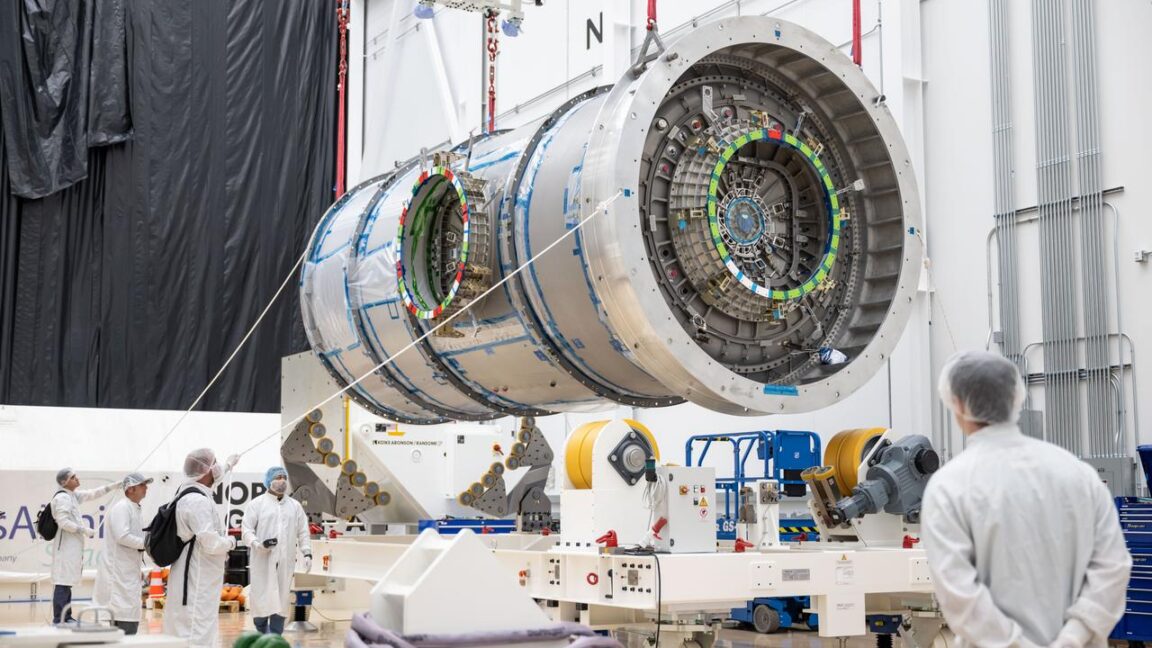
In a significant shift that reshapes the future of lunar exploration, NASA has formally directed Northrop Grumman to halt development of the Habitation and Logistics Outpost (HALO) module, a key component of the previously envisioned Lunar Gateway space station. This move, following a broader strategic pivot announced three months prior, clarifies HALO's uncertain future, effectively ending its role in the current lunar architecture. While not entirely unexpected given NASA's stated intent to prioritize a Moon base over an orbital station, the stop-work order represents a substantial course correction for a project that has seen over a billion dollars invested.
HALO's Original Vision and Significant Investment
The HALO module was designed as a crucial element of the Lunar Gateway, an orbital outpost intended to circle the Moon. Spanning 6.1 meters in length, HALO was envisioned as the primary pressurized habitat where astronauts would live and work during their visits to the Gateway. Northrop Grumman secured contracts totaling $1.1 billion to bring this vision to fruition, encompassing its design, construction, and integration with the Power and Propulsion Element (PPE) – another Gateway component now slated for repurposing as a nuclear-electric propulsion demonstrator for deep space missions. The substantial investment underscored HALO's perceived importance in supporting sustained human presence around the Moon.
The Stop-Work Order and Its Immediate Impact
The full extent of this strategic shift became clear last week when Paragon Space Development Corp., a key subcontractor responsible for HALO's vital life-support system under a contract exceeding $100 million, was issued a stop-work order. This directive effectively shutters further development on the module. Despite the public silence from official channels regarding the immediate cessation of work, sources indicate the decision marks the definitive end of HALO's path forward as a dedicated lunar habitat. Northrop Grumman, while noting HALO's theoretical re-purposeability for other lunar missions, has acknowledged that most affected employees will be reassigned to other programs within its extensive Space portfolio, signaling a proactive effort to mitigate job losses.
Analyzing the Decision: Why HALO's Journey Ends Here
NASA's decision to sideline HALO, despite significant prior investment, points to a recalibration of its lunar ambitions. While the agency has not offered an explicit public explanation for the timing, several factors likely played a role.
One primary consideration appears to be HALO's substantial mass. Fully outfitted, the module weighs between 8 and 9 metric tons. Transporting such a large and heavy structure to the lunar surface would present considerable engineering and logistical challenges, potentially exceeding NASA's revised 'walk-before-you-can-run' philosophy for establishing a sustained Moon base. The agency seems to be favoring a more modular, phased approach for surface infrastructure, where lighter, more specialized components can be deployed incrementally.
Another contributing factor might be the previously reported corrosion issues observed in HALO's primary modules. Addressing these problems could incur additional time and substantial costs, further complicating the module's integration into a new, surface-focused architecture. Given the urgency and tight budget constraints often associated with large-scale space programs, the cost-benefit analysis of remediating such issues versus developing new, purpose-built surface habitats likely tipped the scales against HALO.
The fundamental strategic pivot away from a large orbital station like Gateway, towards direct surface operations, is the overarching driver. While Northrop Grumman actively lobbied to integrate HALO into the new Moon base plans, the module's design and features were optimized for an orbital environment, not the harsh lunar surface. Adapting it might have proved more complex and less efficient than starting afresh with surface-specific designs.
On the 'pros' side for NASA's decision: This move streamlines the lunar exploration strategy, allowing for a more concentrated focus and allocation of resources toward the Moon base. It also avoids potential cost overruns associated with adapting an orbital module for surface use or remediating existing issues.
However, the 'cons' are significant: The $1.1 billion investment in HALO is effectively written off, representing a substantial loss of taxpayer money on a project that won't see its intended use. It also highlights the inherent risks and shifting priorities in long-term space development, where initial visions can change dramatically over time. For contractors like Northrop Grumman and Paragon, it necessitates a rapid reallocation of resources and personnel, though the article suggests a smooth transition and no major 'rift' between NASA and its partners.
Broader Implications for Lunar Gateway and Future Lunar Missions
The cessation of HALO development delivers yet another blow to the Lunar Gateway project. With the Power and Propulsion Element also being repurposed, the original concept of a robust orbital waypoint for deep space and lunar missions appears increasingly diminished, if not entirely abandoned. The article candidly states this development is 'another nail in the coffin' for the Gateway. This shift underscores NASA's commitment to expediting a direct return to the lunar surface and establishing a sustained human presence there, even if it means foregoing intermediate orbital infrastructure. It signifies a more direct and potentially faster path to achieving its Artemis program goals, albeit at the cost of previous investments and strategic flexibility.
Industry Response and Future Outlook
Despite the significant financial implications and project changes, the relationship between NASA and Northrop Grumman appears to remain strong. Sources indicate that both parties have reached 'good terms' regarding Northrop's continued contributions to the Moon base initiative. This suggests that while HALO may be shelved, Northrop Grumman remains a vital partner in NASA's broader lunar ambitions, likely through new contracts or re-scoped projects more aligned with the surface base strategy. The ability to reassign most affected employees also softens the blow for the contractor, demonstrating adaptability in a volatile industry. This situation exemplifies the dynamic nature of large-scale government contracts and space exploration programs, where long-term visions must often adapt to evolving priorities, technological insights, and political realities.
Recommendation
For stakeholders tracking NASA's lunar strategy, the decision to halt HALO development is a clear signal of strategic consolidation. While painful in terms of sunk costs, this pivot toward a focused Moon base strategy rather than an intermediate orbital station appears to be a pragmatic move. It aims to accelerate direct lunar surface operations by shedding potentially inefficient or overly complex orbital infrastructure. This change promises a more streamlined, albeit fundamentally altered, path for future lunar missions. Investors and partners should view this not as a failure, but as an evolution, underscoring the need for flexibility and a strong focus on core mission objectives in space development.
FAQ
Q: Why did NASA decide to stop working on the HALO module?
A: NASA's decision stems from a strategic shift to prioritize a Moon base on the lunar surface over an orbital space station like the Lunar Gateway. The HALO module, designed for orbit, may have been deemed too massive (8-9 metric tons) or complex to efficiently adapt for surface use. Potential corrosion issues requiring costly remediation might also have contributed to the decision.
Q: What happens to the $1.1 billion already invested in HALO?
A: The $1.1 billion awarded to Northrop Grumman for HALO's development is effectively a sunk cost for its intended purpose as a Gateway habitation module. While Northrop Grumman mentioned the module could theoretically be repurposed, its immediate future for lunar missions is unlikely, and work has ceased.
Q: How does this impact Northrop Grumman and other contractors?
A: Northrop Grumman is reassigning most employees affected by the HALO changes to other projects within its Space portfolio, aiming to minimize disruption. Key subcontractors, like Paragon Space Development Corp., have received stop-work orders. Despite the project's cancellation, the relationship between NASA and Northrop Grumman remains positive, indicating continued partnership on other lunar initiatives.
Related articles
Android 17 QPR2 Beta 7.1: The Performance Relief You've Been Waiting
Android 17 QPR2 Beta 7.1: Finally Fixing the QPR1 Performance Woes Verdict: Android 17 QPR2 Beta 7.1 is a crucial and highly anticipated software update for Google Pixel users, specifically targeting and resolving the

DJI Solo Video Setups: Smart Choices for Lone Creators
This review delves into DJI's recommended solo video setups, highlighting the Osmo Pocket 3 Creator Combo as a top pick for its integrated camera, gimbal, and mic. It also covers stabilizers like the Osmo Mobile 8 and RS 4, and the DJI Mic Mini series for enhanced audio, providing honest pros, cons, and clear buying advice.
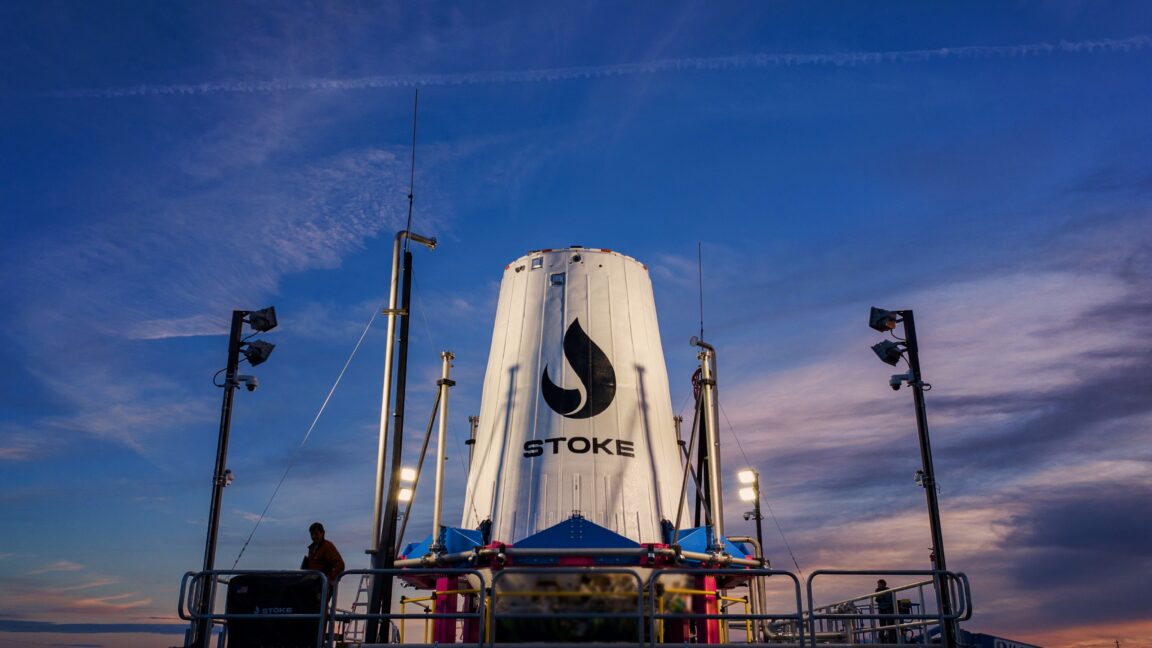
Ars Technica's Rocket Report: Your Essential Space Industry Briefing
Quick Verdict Ars Technica's Rocket Report, presented by veteran space reporter Stephen Clark, offers an invaluable and meticulously organized weekly (or similar frequency, implied by "Edition 9.15") digest of the most
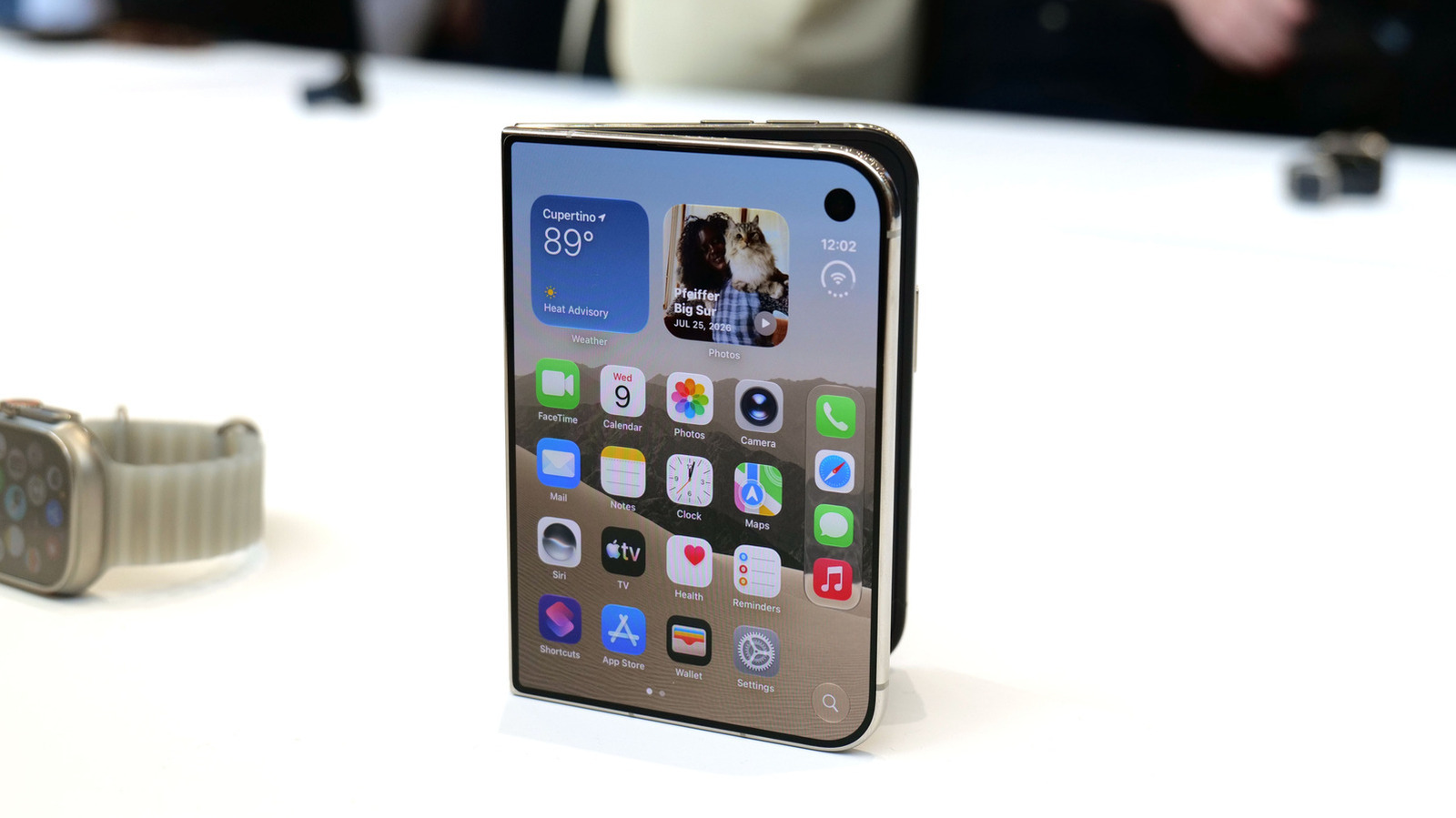
Apple iPhone Duo: A Daring Debut with Notable Compromises
Apple's highly anticipated iPhone Duo, priced at $2,000, has gone on pre-order. While hailed as "Apple's most exciting device in a decade" for its innovative foldable design and immersive display, it comes with significant drawbacks like the absence of FaceID and a premium camera.
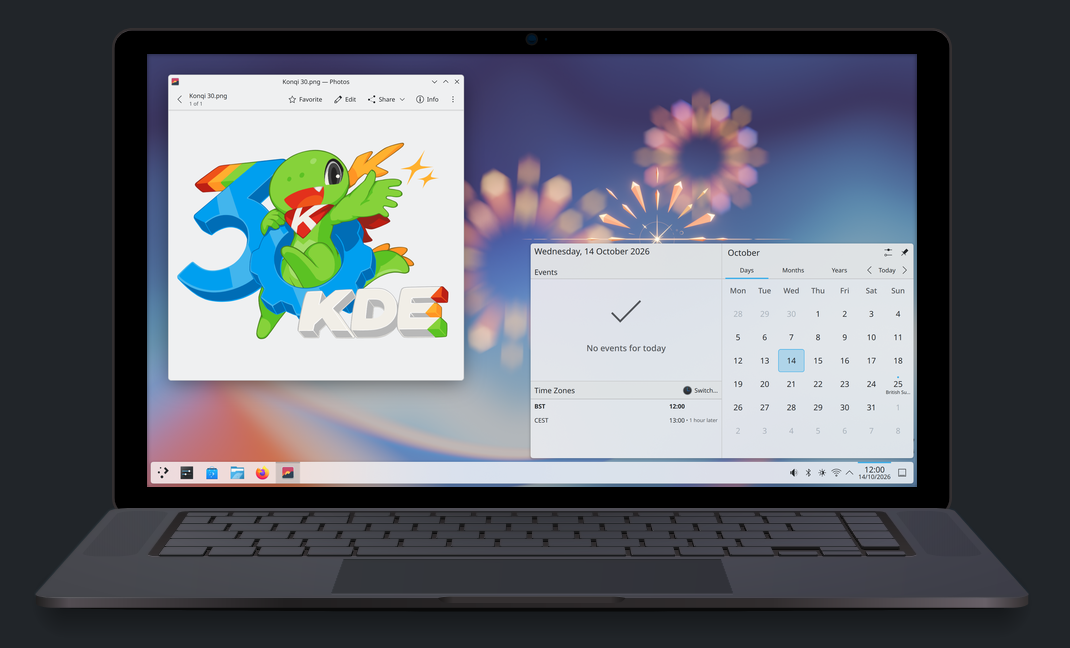
KDE Plasma 6.8: A Future-Focused 30th Anniversary Update
Quick Verdict KDE Plasma 6.8, arriving as the "30th Anniversary Edition," is a pivotal release that decisively pushes the desktop environment into the future. With a definitive farewell to native X11 sessions and a
Galaxy Watch One UI 9 Beta: Promising Progress, But Patience Needed
Galaxy Watch 8, Watch Ultra, and Watch 7 are receiving a new One UI 9 Watch beta build with bug fixes and a security patch. Active development signals progress, but a stable release date remains elusive.