
Google Assistant's Final Bow: Gemini Steps Onto the Stage
Verdict: A Forced Farewell and the Dawn of Gemini Google Assistant, a ubiquitous voice assistant for many, is finally getting its long-anticipated shutdown date. Starting September 4, 2026, eligible mobile devices will
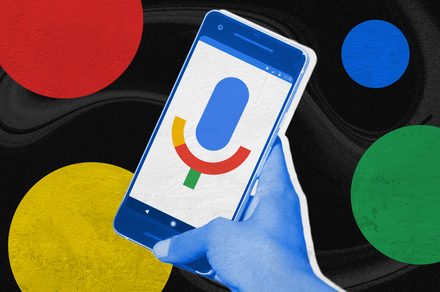
Verdict: A Forced Farewell and the Dawn of Gemini
Google Assistant, a ubiquitous voice assistant for many, is finally getting its long-anticipated shutdown date. Starting September 4, 2026, eligible mobile devices will begin the transition, with Gemini taking its place. This marks a significant strategic shift for Google, consolidating its AI efforts under a single brand. While the move promises a streamlined future, it comes with a forced migration for users and a somewhat piecemeal rollout across different device ecosystems. Users should prepare for Gemini to become their new default voice assistant, with no option to revert.
The End of an Era: Google Assistant's Shutdown Explained
The "long goodbye" for Google Assistant has a firm date: September 4, 2026. On this day, Google will commence the process of discontinuing Assistant on a range of eligible mobile devices, replacing it with Gemini. This transition will not be instantaneous across all devices; rather, it's a rollout that could extend over several weeks. Once the change reaches a compatible Android device, the familiar Assistant will be replaced by Gemini, and crucially, users will not have the option to switch back to the previous assistant.
This initiative primarily targets Android phones and tablets that meet Gemini's minimum system requirements. Beyond these core devices, the shutdown extends to accessories that rely on a paired phone's assistant capabilities. This includes Wear OS watches, a variety of compatible headphones, and cars utilizing Android Auto through a connected phone. This means if your car's Android Auto experience is powered by your phone, it will also transition to Gemini when your phone does.
However, it's not a universal shutdown. Several categories of devices are exempt from this initial September 4 cutoff. Cars with Google built-in, which run Android Auto natively without relying on a paired phone, will continue to use Assistant for the time being. Similarly, Google TV devices, smart speakers, and smart displays are also outside this initial phase. Google has indicated that more details regarding Gemini's transition to these platforms will be shared at a later date, suggesting a multi-stage rollout for the entire ecosystem.
Furthermore, not every Android phone or tablet will make the immediate switch. Devices that do not meet Gemini's minimum system requirements, or those located in regions where Gemini is not yet available, will retain Google Assistant. This provides a temporary reprieve for a segment of users, though the duration of this exception remains unspecified by Google.
User Experience: What to Expect
For users with eligible hardware, the transition to Gemini is designed to be seamless from a setup perspective. There's no need to manually change settings or install new software. Google will initiate the rollout automatically. Once your device receives the update, the familiar shortcuts – whether it's the power-button press or the standard voice command – will activate Gemini instead of Assistant. This aims to minimize disruption, but the underlying experience will naturally shift as a new AI takes over.
The immediate impact on user experience will depend on how accustomed individuals are to Assistant's quirks and capabilities, and how well Gemini replicates or improves upon them. Long-time Assistant users might find a slight learning curve as they adapt to Gemini's interface and responses. The fact that there's no option to switch back implies a strong commitment from Google to Gemini as the future, but it also removes user choice, which can sometimes lead to frustration if the new experience isn't immediately preferable.
For those with devices receiving a temporary reprieve, the situation is less clear. While they can enjoy Assistant for longer, the uncertainty around when their turn will come, and whether their device will eventually be compatible or simply left behind, could be a point of concern. This two-tiered approach means that for a period, users within the Google ecosystem will have inconsistent assistant experiences depending on their specific hardware and region.
Pros and Cons of the Transition
Pros:
- Consolidated AI Strategy: By moving to Gemini, Google is streamlining its AI development efforts, potentially leading to a more unified and powerful assistant experience across its product portfolio in the long run.
- Automatic Transition: For eligible users, the move to Gemini is handled automatically by Google, eliminating the need for manual setup or installation.
- Potential for Enhanced Capabilities: As Gemini is the newer AI, the implicit promise is a more capable, intelligent, and contextually aware assistant, though the source does not detail specific feature improvements.
Cons:
- Forced Migration, No Opt-Out: Users will have no choice in the matter; once the update rolls out to an eligible device, Assistant is replaced by Gemini with no way to revert.
- Inconsistent Rollout: The phased nature of the shutdown, with different device categories and regions transitioning at different times, means a fragmented user experience for a period.
- Uncertainty for Exempt Devices: While some devices get a temporary reprieve, the lack of a clear timeline for their Gemini transition or what happens if they never become compatible creates uncertainty.
- Potential Learning Curve: Long-time Assistant users might need to adjust to Gemini's interaction style and capabilities, which could lead to initial friction.
Recommendation for Users
This isn't a product you choose to buy, but rather an update to an existing service you rely on. My recommendation is to be prepared for the change. If you own an eligible Android phone, tablet, Wear OS device, compatible headphones, or use Android Auto via a paired phone, anticipate that Gemini will take over your assistant functions starting on or after September 4, 2026. Familiarize yourself with Gemini (if you haven't already) to minimize any disruption. For users of cars with Google built-in, Google TV, smart speakers, or smart displays, you have a reprieve for now, but keep an eye out for future announcements regarding their own transition to Gemini. Those with older or unsupported devices can continue to use Assistant, but Google hasn't specified how long this exception will last, so consider the long-term implications.
FAQ
Q: When will Google Assistant be shut down on my device? A: Google Assistant will begin to be discontinued on eligible mobile devices starting September 4, 2026. The rollout will take several weeks, so the exact date your device switches may vary.
Q: Will I be able to keep using Google Assistant if I prefer it over Gemini? A: No, once your eligible Android device receives the update, Gemini will replace Assistant, and there will be no option to switch back.
Q: Which devices are affected by this initial shutdown, and which are not? A: The shutdown affects eligible Android phones and tablets, Wear OS watches, compatible headphones, and cars using Android Auto through a paired phone. Cars with Google built-in, Google TV devices, smart speakers, and smart displays are exempt from this initial phase and will continue using Assistant for now. Devices that don't meet Gemini's minimum requirements or are in unsupported regions will also keep Assistant temporarily.
Related articles
Android 17 QPR2 Beta 7.1: The Performance Relief You've Been Waiting
Android 17 QPR2 Beta 7.1: Finally Fixing the QPR1 Performance Woes Verdict: Android 17 QPR2 Beta 7.1 is a crucial and highly anticipated software update for Google Pixel users, specifically targeting and resolving the

DJI Solo Video Setups: Smart Choices for Lone Creators
This review delves into DJI's recommended solo video setups, highlighting the Osmo Pocket 3 Creator Combo as a top pick for its integrated camera, gimbal, and mic. It also covers stabilizers like the Osmo Mobile 8 and RS 4, and the DJI Mic Mini series for enhanced audio, providing honest pros, cons, and clear buying advice.
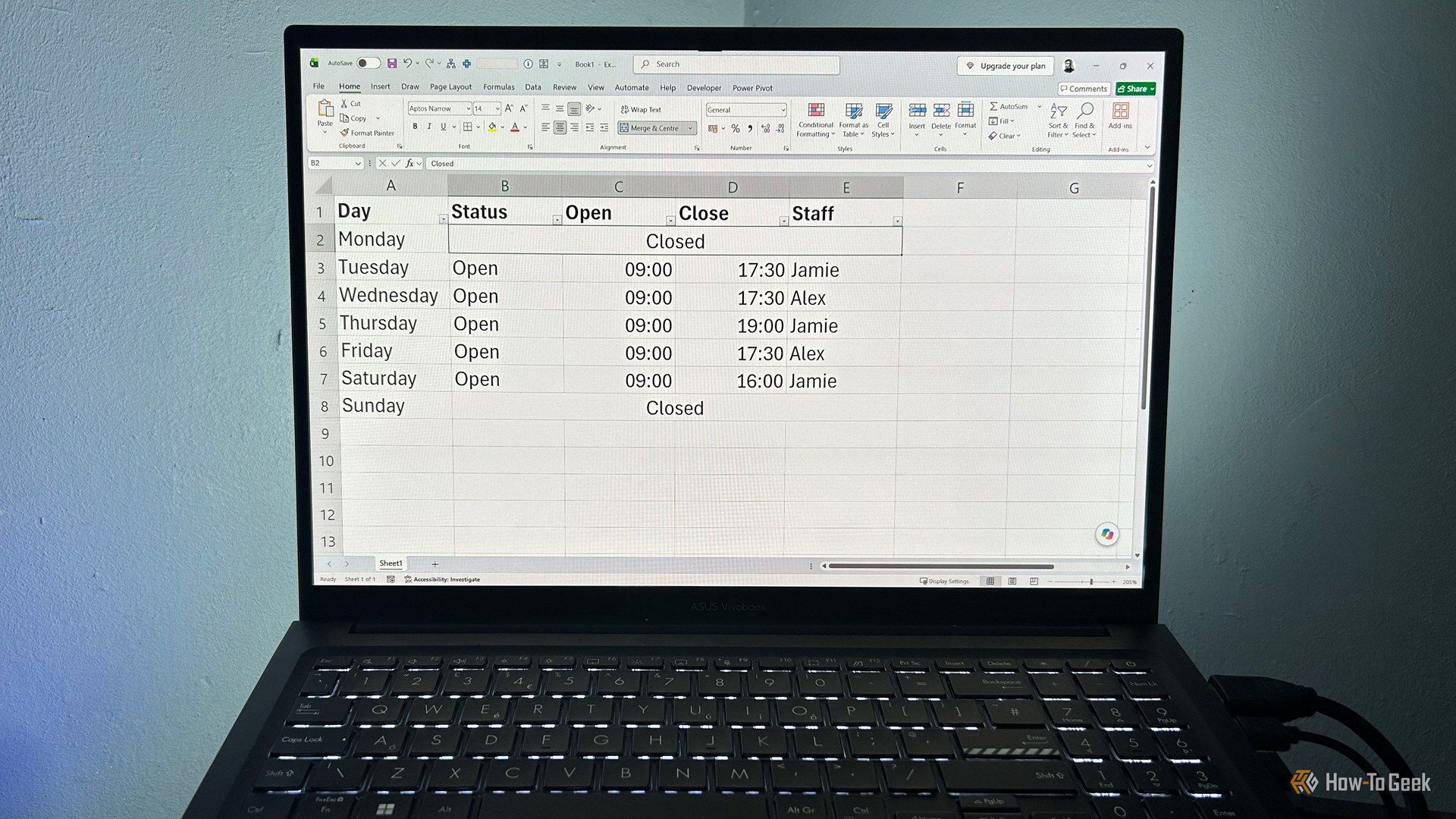
Ditch Merge & Center: The Better Way to Align Text in Excel
Learn to use Excel's "Center Across Selection" to align text across cells without merging, avoiding common data manipulation issues. This guide provides steps to utilize this newly accessible feature and add it to your Quick Access Toolbar.

Ars Technica's Rocket Report: Your Essential Space Industry Briefing
Quick Verdict Ars Technica's Rocket Report, presented by veteran space reporter Stephen Clark, offers an invaluable and meticulously organized weekly (or similar frequency, implied by "Edition 9.15") digest of the most
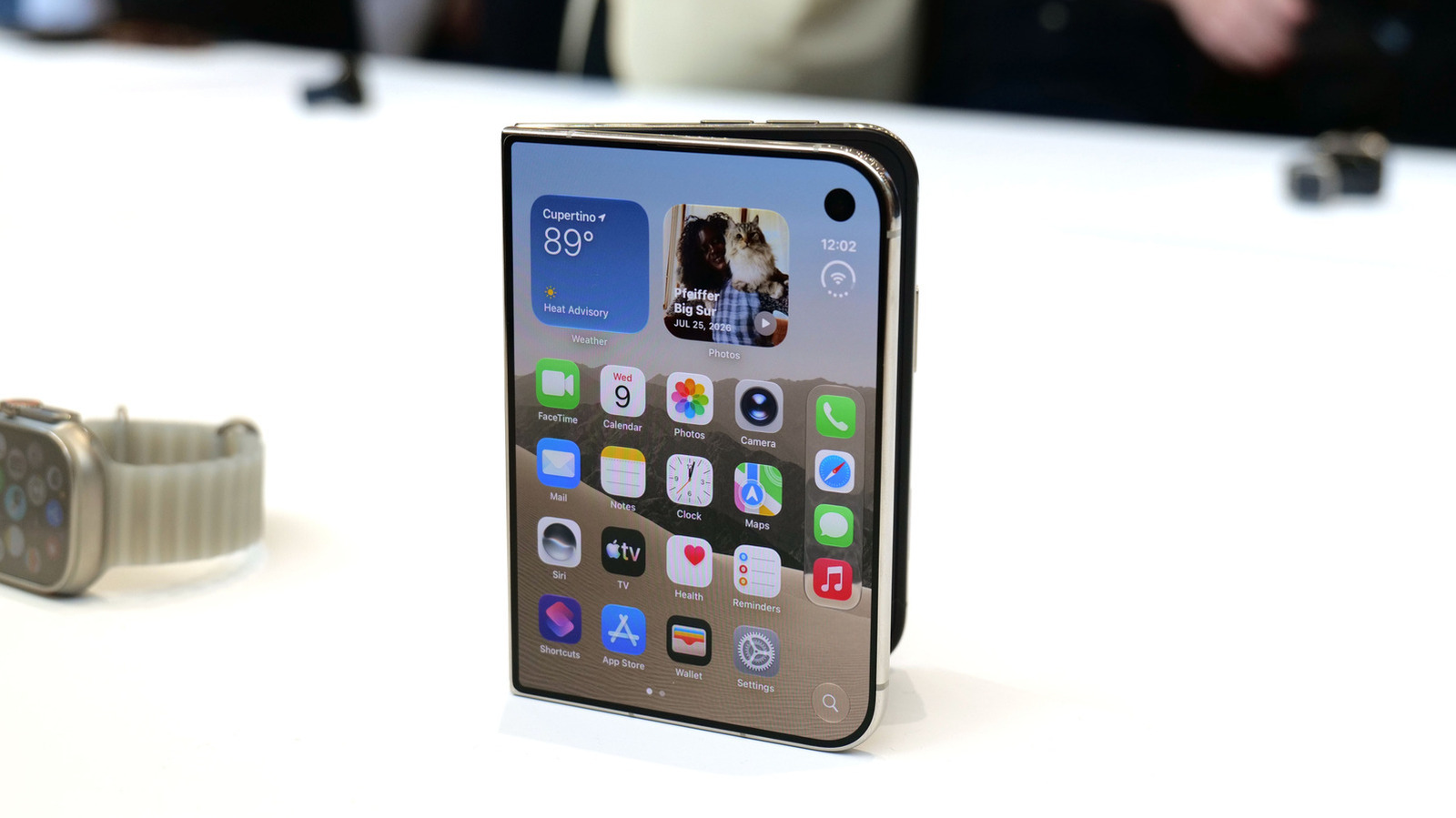
Apple iPhone Duo: A Daring Debut with Notable Compromises
Apple's highly anticipated iPhone Duo, priced at $2,000, has gone on pre-order. While hailed as "Apple's most exciting device in a decade" for its innovative foldable design and immersive display, it comes with significant drawbacks like the absence of FaceID and a premium camera.

Amazon Prime Video Launches AI-Powered Prime 360 for NBA Coverage
Amazon Prime Video is elevating its NBA coverage with the introduction of Prime 360, an AI-powered replay system offering immersive, 'fly through' views of the action. Kicking off its second season, Prime Video also adds Yahoo fantasy integration and gains exclusive Eastern Conference Finals rights, expanding its tech-driven sports broadcast. The new features aim to deliver a unique and interactive viewing experience for basketball fans.