
macOS Security: AI Slop Slows Critical Vulnerability Fix
The Verdict: A concerning delay with a silver lining Apple has recently addressed a high-severity Remote Code Execution (RCE) flaw in macOS, a critical fix that users should prioritize. However, the revelation that its
The Verdict: A concerning delay with a silver lining
Apple has recently addressed a high-severity Remote Code Execution (RCE) flaw in macOS, a critical fix that users should prioritize. However, the revelation that its reporting was delayed due to Apple's security teams being inundated with low-quality, AI-generated bug reports (“AI slop”) is a stark warning. While Apple ultimately patched the issue and proactively engaged with the researchers, Bynario, this incident highlights a growing challenge for major tech vendors and underscores the need for users to remain vigilant with their system updates and security configurations.
Core Details: A High-Severity Threat to macOS
At the heart of this issue is CVE-2026-43760, a high-severity vulnerability scoring 8.6 out of 10. Discovered by security researchers Bynario, this flaw allowed threat actors to execute arbitrary malicious code remotely with root privileges on affected macOS devices. Specifically, it targeted macOS 26.5.2 running on Apple Silicon M4 and M5 systems, even with Apple's robust System Integrity Protection (SIP) enabled.
The exploit's conditions were somewhat specific, requiring Mac devices to have Screen Sharing or Remote Management enabled, alongside the legacy "VNC viewers may control screen with password" option activated. An attacker, having obtained the VNC password (which doesn't require compromising a macOS user account), could then perform file-transfer operations with root permissions due to a logic flaw. Bynario demonstrated the gravity of this by showing how an attacker could create a valid file within /private/etc/sudoers.d, thereby granting passwordless sudo privileges and enabling root command execution.
Apple responded by releasing patches on July 27, 2026, for macOS Tahoe 26.6 and macOS Sonoma 14.8.8. For users unable to update immediately, crucial mitigation steps include disabling the problematic "VNC viewers may control screen with password" option or, more broadly, deactivating Screen Sharing and Remote Management entirely.
The AI Factor: Overwhelmed Systems and Reporting Hurdles
What truly sets this incident apart is the context surrounding its reporting. Bynario revealed that their initial attempts to report this critical RCE flaw were hampered because they had already exceeded Apple's imposed limit on active bug reports – a limit necessitated by Apple's security teams being flooded with what the researchers termed "AI slop" reports. Having submitted over 50 bugs in just three weeks, Bynario found themselves unable to promptly report this high-severity vulnerability through standard channels.
This situation paints a concerning picture of how the proliferation of AI-generated content can impact critical infrastructure, even in cybersecurity. While AI can certainly aid in discovering vulnerabilities, its misuse or uncontrolled generation of low-quality, erroneous reports can effectively create noise that drowns out legitimate and urgent findings. For a company like Apple, with its vast user base and commitment to security, an overwhelmed bug reporting system risks delaying fixes for serious threats.
However, it's important to acknowledge Apple's eventual response. Despite the initial systemic hurdle, the company directly reached out to Bynario to review and subsequently patch the flaw. This demonstrates a proactive approach once the legitimate nature of the report was identified, reflecting a dedication to resolving security issues even when their internal processes are strained.
Implications for User Experience and Trust
For the average macOS user, this incident serves as a critical reminder that security is an ongoing commitment. While Apple prides itself on a secure ecosystem, no system is impenetrable, and delays in patching, regardless of the cause, can create windows of vulnerability. The fact that an RCE flaw could linger longer than necessary due to administrative congestion is worrying. It underscores that even the most reputable tech giants face unprecedented challenges in maintaining security in an evolving digital landscape.
Users rely on companies like Apple to quickly identify and rectify threats. When a new phenomenon like "AI slop" starts impacting this crucial communication channel, it could erode confidence in the efficiency of security disclosure processes. It will be vital for Apple and other tech companies to adapt their bug reporting mechanisms to filter out junk while ensuring legitimate findings from human researchers are prioritized.
Pros and Cons
Pros:
- Critical Flaw Addressed: Apple ultimately deployed a patch for a high-severity RCE vulnerability, safeguarding users.
- Proactive Engagement: Despite initial reporting difficulties, Apple directly engaged with Bynario to ensure the flaw was documented and fixed.
- Researcher Vigilance: The incident highlights the invaluable role of independent security researchers like Bynario in uncovering and reporting critical vulnerabilities.
Cons:
- Reporting Delay: A significant RCE flaw's disclosure and patching were delayed due to an overwhelmed reporting system.
- Impact of AI Slop: The influx of AI-generated junk reports demonstrably strained Apple's security processes, showing a new vector for operational disruption.
- Systemic Strain: Limits on legitimate bug reports, while understandable given the volume, can inadvertently impede critical security disclosures.
Recommendation for macOS Users
Given the high severity of this vulnerability and the potential for root-level compromise, the recommendation for all affected macOS users is clear and urgent: update your macOS system immediately to Tahoe 26.6 or Sonoma 14.8.8 (or later, if available). Keeping your operating system current is the single most effective defense against known vulnerabilities.
If, for any reason, immediate updating is not feasible, implement the specified mitigations without delay. Disable the "VNC viewers may control screen with password" option within your Screen Sharing or Remote Management settings. If you don't actively use these features, disabling Screen Sharing and Remote Management entirely offers the strongest protection against this particular flaw. Regularly review your system's security settings and maintain a strong, unique VNC password if the feature is essential for your workflow.
This event is a potent reminder that even sophisticated operating systems require continuous attention to security hygiene, especially as new digital threats, like AI-generated noise, emerge to challenge traditional defense mechanisms.
FAQ
Q: What is the primary risk of this macOS vulnerability?
A: The primary risk is Remote Code Execution (RCE) as root. This means an attacker who obtains the VNC password can gain full, unrestricted control over an affected Mac, potentially installing malware, stealing data, or corrupting the system.
Q: How can I protect my Mac if I can't update immediately?
A: If you cannot update to macOS Tahoe 26.6 or Sonoma 14.8.8 right away, you should navigate to your Screen Sharing or Remote Management settings and disable the "VNC viewers may control screen with password" option. For maximum safety, consider disabling Screen Sharing and Remote Management entirely until your system is patched.
Q: How did AI contribute to the delay in reporting this critical flaw?
A: Apple's security team reportedly limited the number of active bug reports individual researchers could submit because they were overwhelmed by a massive influx of low-quality, AI-generated bug reports. This inadvertently prevented Bynario, the researchers who found this legitimate flaw, from reporting it promptly through standard channels until Apple directly reached out to them.
Related articles
Android 17 QPR2 Beta 7.1: The Performance Relief You've Been Waiting
Android 17 QPR2 Beta 7.1: Finally Fixing the QPR1 Performance Woes Verdict: Android 17 QPR2 Beta 7.1 is a crucial and highly anticipated software update for Google Pixel users, specifically targeting and resolving the

DJI Solo Video Setups: Smart Choices for Lone Creators
This review delves into DJI's recommended solo video setups, highlighting the Osmo Pocket 3 Creator Combo as a top pick for its integrated camera, gimbal, and mic. It also covers stabilizers like the Osmo Mobile 8 and RS 4, and the DJI Mic Mini series for enhanced audio, providing honest pros, cons, and clear buying advice.

Ars Technica's Rocket Report: Your Essential Space Industry Briefing
Quick Verdict Ars Technica's Rocket Report, presented by veteran space reporter Stephen Clark, offers an invaluable and meticulously organized weekly (or similar frequency, implied by "Edition 9.15") digest of the most
Apple iPhone Duo: A Daring Debut with Notable Compromises
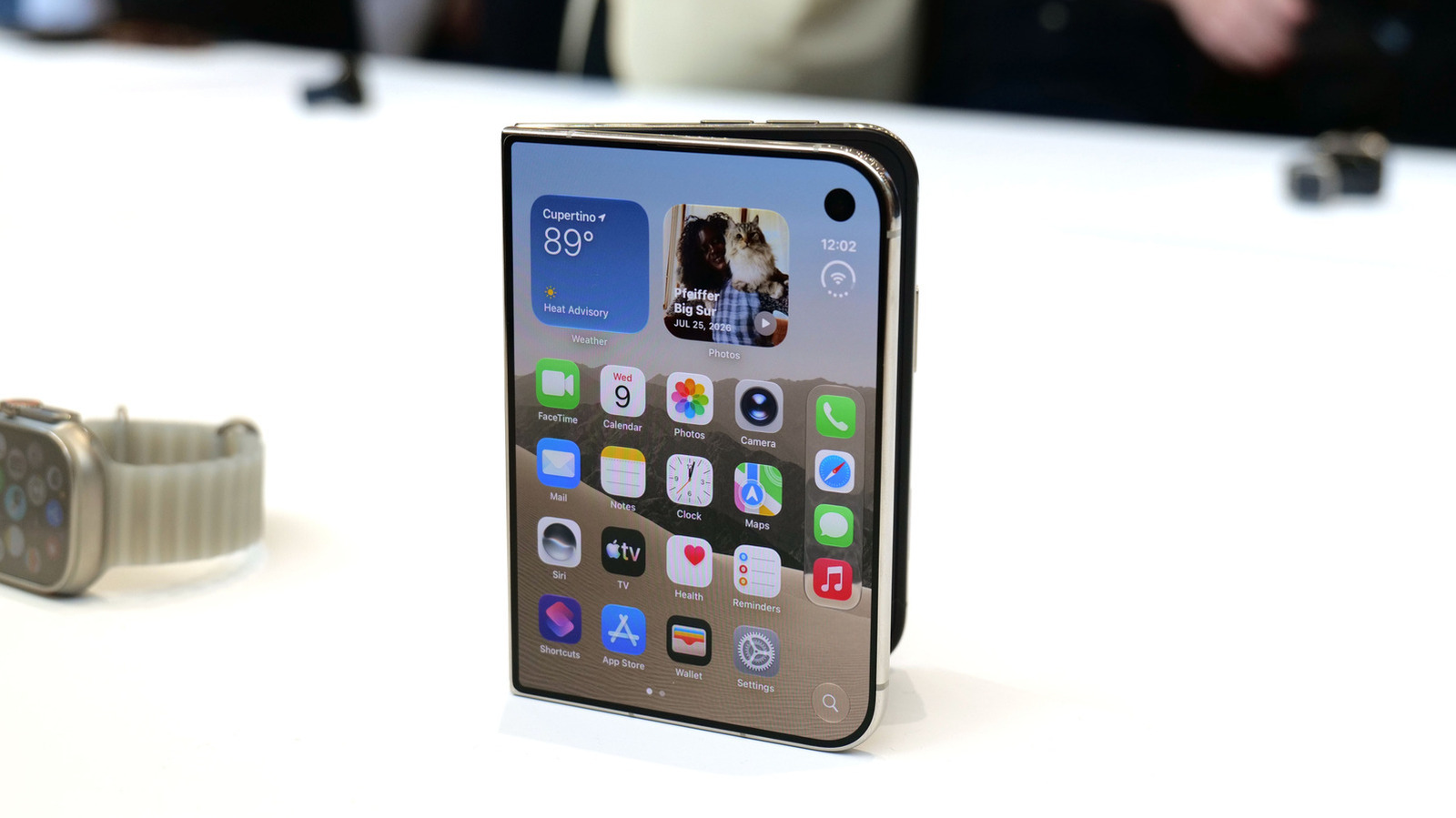
Apple's highly anticipated iPhone Duo, priced at $2,000, has gone on pre-order. While hailed as "Apple's most exciting device in a decade" for its innovative foldable design and immersive display, it comes with significant drawbacks like the absence of FaceID and a premium camera.

AI's Confidence vs. Formal Methods' Rigor: Design Flaws & Verification
While AI accelerates code generation, formal methods remain critical for ensuring system correctness. Languages like TLA+ and tools like Quint enable developers to model and verify system designs before coding, catching subtle flaws. Quint makes formal methods more accessible with developer-friendly syntax and executability. This approach is vital for verifying AI-generated code through trace validation and model-based testing, ensuring reliability against real-world data.
KDE Plasma 6.8: A Future-Focused 30th Anniversary Update
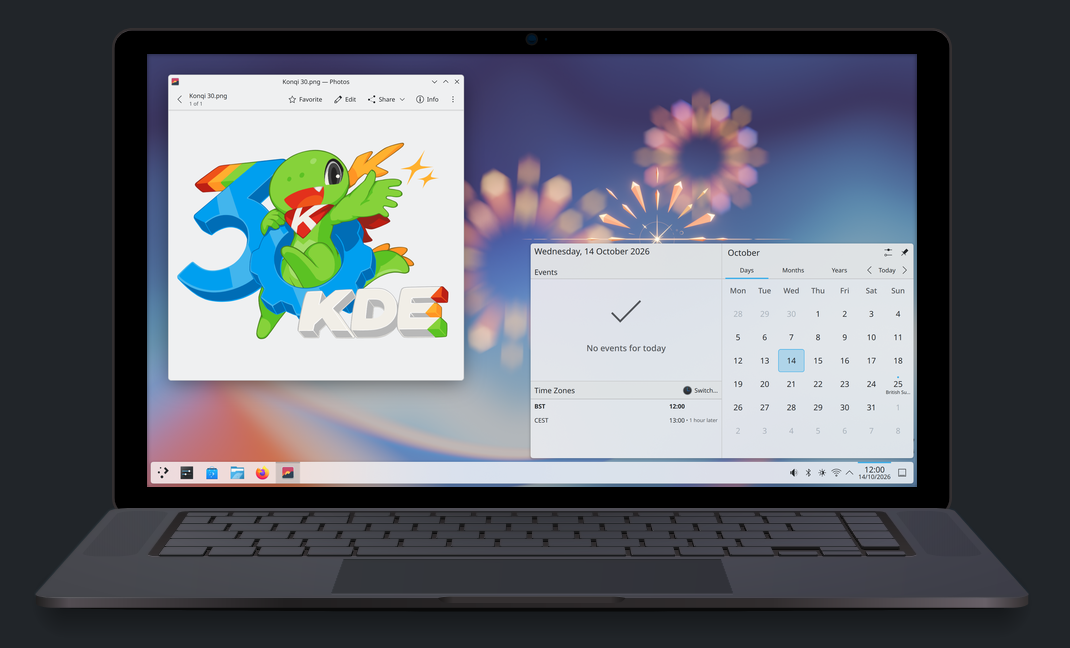
Quick Verdict KDE Plasma 6.8, arriving as the "30th Anniversary Edition," is a pivotal release that decisively pushes the desktop environment into the future. With a definitive farewell to native X11 sessions and a