
Mac Mini Server: Overkill Power, Practical Purpose
Reviewing a Mac Mini M4 used as a headless server for photo management and backups. It offers powerful performance for long-term support and seamless Apple ecosystem integration, but its M4 chip is significantly over-specced for the current tasks.
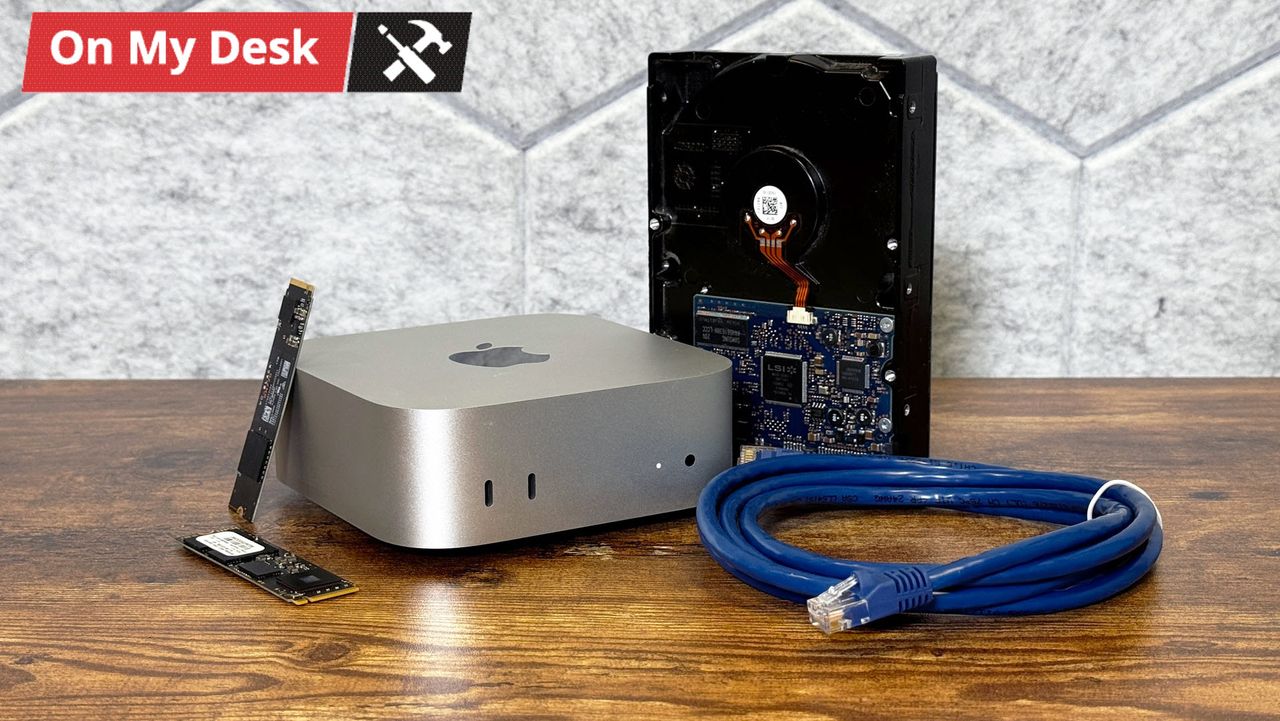
The Mac Mini M4, while a powerhouse, finds a unique role running headless in a closet as a dedicated home server for photo library management and backups. This setup leverages Apple's ecosystem benefits and the M4's longevity, despite being significantly over-specced for its current duties. It’s a robust, if extravagant, solution for those deeply invested in Apple's world looking for local data control.
Introduction
In an era where digital memories proliferate at an astounding rate, securing those precious photos and documents becomes a paramount concern. For one user, the sheer volume of family photos spurred a search for a backup solution beyond sporadic external drive connections. Initially considering a traditional Network Attached Storage (NAS) system, the rising cost of hard drives led to an alternative: a Mac Mini. This review delves into the practicalities and eccentricities of using a high-end Mac Mini as a dedicated, headless home server.
Hardware Overview
The heart of this home server is a Mac Mini featuring an M4 chip, 16GB of RAM, and 256GB of internal storage. The unit was acquired from Apple’s refurbished store, providing a slight cost advantage. While the M4 is acknowledged as "overkill" for the current server tasks—an M1 or even an older Intel/AMD mini PC would suffice—its inclusion provides exceptional future-proofing.
Connected to the Mac Mini are a trio of external storage devices:
- 4TB PCIe NVMe SSD: Housed in a Thunderbolt 3 enclosure, this serves as the primary data repository for important documents, the main Apple Photo library, and other non-critical files accessible across the network. It's partitioned into two volumes, one for core data and a smaller one for macOS content caching.
- 2TB PCIe NVMe SSD: Residing in a USB-C enclosure, this drive is dedicated solely to Time Machine backups, allowing seamless wireless backups from other Apple devices.
- Seagate FireCuda Vault X HDD: This traditional spinning hard drive, chosen for longer-term storage despite not being the cheapest, connects via USB-C bus power. It provides a crucial layer of redundancy, split into two volumes: an alternate Time Machine destination and a clone of critical data updated nightly using Carbon Copy Cloner.
The 256GB internal storage is reserved exclusively for the macOS operating system and applications, keeping data separate from system files.
Design and User Experience
Operating "headless" in a closet, this Mac Mini server is out of sight and presumably quiet, given its passive cooling (typical for M-series Minis under light load). Its placement in a closet is purely for convenience, aligning with the apartment's sole Ethernet connection, where the router and modem already reside. This setup means the Mac Mini runs continuously, a practical necessity given the power button's inconvenient location on the bottom, which would require a step-stool to access on the high shelf.
Accessing the server is handled remotely, either via VNC for graphical interaction or SSH for command-line operations, catering to various user comfort levels. The choice of macOS is largely driven by the user's significant investment in Apple's ecosystem, particularly to facilitate easy backups for a partner who exclusively uses Apple products. This integration is a significant benefit, ensuring smoother operations within an Apple-centric household.
Performance and Capability
While the M4 chip is undoubtedly powerful, it's explicitly stated as "overkill" for managing a photo library and handling backups. Tasks such as file transfers, photo indexing, and nightly cloning are easily handled, leaving substantial headroom for future demands. This excess power ensures the system remains responsive and capable for many years, offering a degree of future-proofing that simpler, less powerful mini PCs might not. The choice, though luxurious for the current workload, guarantees sustained support and performance longevity within Apple's ecosystem.
Backup Strategy and Redundancy
The user has implemented a multi-tiered backup strategy, though it's acknowledged not to fully satisfy the "3-2-1 backup rule" (three copies, two types of media, one offsite).
- Primary Data: Stored on the 4TB NVMe SSD, containing core photo libraries and important documents.
- Time Machine: Utilizes the 2TB NVMe SSD for fast, network-based backups of laptops. The HDD also serves as an alternate Time Machine destination, adding flexibility.
- Cloning: Critical data from the 4TB SSD and photo library are cloned nightly to a dedicated volume on the Seagate HDD using Carbon Copy Cloner, providing a direct copy.
Despite these robust local measures, the critical missing piece is a comprehensive offsite backup. In the event of a localized disaster like a fire affecting both the computers and the Mac Mini, much of the data would still be at risk. This highlights a common challenge in home server setups – extending redundancy beyond the immediate physical location.
Pros
- Apple Ecosystem Integration: Seamlessly backs up other Apple devices via Time Machine and provides shared access to photo libraries and documents for Apple users.
- Future-Proof Performance: The M4 chip offers significant processing power, ensuring the server remains capable and supported by Apple for many years.
- Compact and Quiet: The Mac Mini's small form factor and efficient M-series chip make it ideal for a headless, closet-based setup where space and noise are concerns.
- Versatile Access: Supports remote management via VNC for graphical control and SSH for command-line operations.
- Leverages Existing Drives: Efficiently utilizes a combination of existing external SSDs and a new HDD for varied storage needs.
Cons
- Overkill Hardware: The M4 Mac Mini is considerably more powerful and expensive than strictly necessary for basic photo management and backup tasks, potentially leading to unnecessary expenditure.
- No Integrated Drive Bays: Reliance on external drives means more cables and a less tidy setup, as evident from the user's note on cable management.
- Power Button Placement: The bottom-mounted power button is inconvenient for a server placed on a high shelf in a closet.
- Incomplete 3-2-1 Backup: While robust locally, the current setup lacks a true offsite backup, leaving data vulnerable to localized disasters.
- HDD Cost Factor: Although the initial decision steered away from NAS due to HDD costs, a new HDD was still purchased, suggesting potential for more cost-effective solutions if chosen differently.
Alternatives Comparison
| Feature/Product | Mac Mini Server Setup (M4) | Dedicated NAS (e.g., Synology/QNAP) | Generic x86 Mini PC (e.g., Intel NUC, custom build) |
|---|---|---|---|
| Initial Cost | High (especially for M4), plus external drives | Moderate to High (unit + expensive HDDs) | Low to Moderate (often good deals on older hardware) |
| Ecosystem Integration | Excellent for Apple users (macOS, Time Machine) | OS-agnostic, good cross-platform file sharing (SMB, NFS) | OS-agnostic (Linux/Windows), highly customizable |
| Performance | Extremely powerful (M4 is overkill for basic tasks) | Varies by model, optimized for storage and basic server tasks | Varies wildly by CPU, can be very powerful |
| Storage | External drives (SSD/HDD mix), flexible but messy | Integrated drive bays (1-20+), clean, often RAID support | External or internal drives, highly customizable |
| Ease of Setup | Relatively easy for Mac users, familiar OS, remote access | User-friendly OS, web interface, dedicated apps | Requires more technical knowledge (OS install, configs) |
| Power Consumption | Very low (M-series efficiency) | Low to Moderate, designed for 24/7 operation | Varies by components, can be optimized for low power |
| Future-Proofing | Very good (M4 power and long software support) | Good (software updates, hardware upgrades) | Varies (depends on chosen hardware and OS support) |
| Primary Use Case | Personal photo/document management, backups, general purpose | Dedicated file storage, media streaming, advanced server apps | Flexible, homelab, custom server, specific applications |
Buying Recommendation
This Mac Mini server setup is an excellent choice for individuals deeply embedded in the Apple ecosystem who prioritize seamless integration and powerful, future-proof hardware for their local data management and backup needs. If you frequently handle large photo libraries, require robust local backup solutions for multiple Apple devices, and are comfortable with remote access methods like VNC or SSH, this approach can be highly effective. However, potential buyers should be aware of the "overkill" nature of a top-tier M4 Mac Mini for these tasks and the associated cost. If strict budget adherence, integrated storage, or extensive offsite backup features are higher priorities, a dedicated NAS or a more budget-friendly mini PC with a Linux-based server OS might be a more sensible alternative.
FAQ
Q: Is a Mac Mini with an M4 chip truly necessary for a home server for photos and backups?
A: No, the review explicitly states that an M1 Mac Mini or even older Intel/AMD mini PCs would be sufficient for these tasks. The M4 is considered "overkill," but provides exceptional future-proofing and performance headroom.
Q: Does this Mac Mini server setup provide complete backup protection against all disasters?
A: While the setup offers robust local redundancy using multiple external drives and cloning software (Time Machine, Carbon Copy Cloner), it currently lacks a true offsite backup solution. This means data could still be lost in the event of a localized disaster like a house fire.
Q: What are the main advantages of using a Mac Mini for this purpose over a traditional NAS?
A: Key advantages include seamless integration with Apple's ecosystem (e.g., Time Machine backups for macOS devices), a familiar macOS operating system, and the powerful, future-proof performance of Apple Silicon. The decision was also partly driven by the high cost of HDDs for a NAS at the time of purchase.
Related articles
Community Fibre 8.5Gbps: UK's Fastest, But Pricey Fibre
Quick Verdict Community Fibre has just launched the UK's fastest residential internet connection, boasting an incredible 8.5Gbps (8,200Mbps) symmetrical full fibre service. It's a technical marvel, delivering speeds
Turn Filament Packaging into Free 3D Printer Upgrades
Repurpose empty filament spools, boxes, and silica packets into free 3D printer upgrades and storage solutions in a few simple steps. Organize your workshop and protect your filament.
Turn Your Old PC into a Homelab: 6 Beginner Self-Hosting Projects
Breathe New Life into Your Old PC with Self-Hosting Don't let that dusty old laptop or desktop gather cobwebs! While it might not keep up with today's demanding software, an older PC often has more than enough power to

Anthropic Claude Merger: Unified AI for Enhanced Productivity
Anthropic Claude Merger: The Verdict Anthropic is making a bold move, consolidating its previously distinct AI tools — Claude chat and Claude Cowork — into a single, more intuitive “all-powerful Claude.” This strategic

September Pixel Drop: Small Update, Big Convenience
Google's September 2026 Pixel Drop brings enhanced one-tap calling/messaging via VIPs widget and expanded on-device scam protection for text messages, making communication safer and faster for Pixel 6 and newer users.
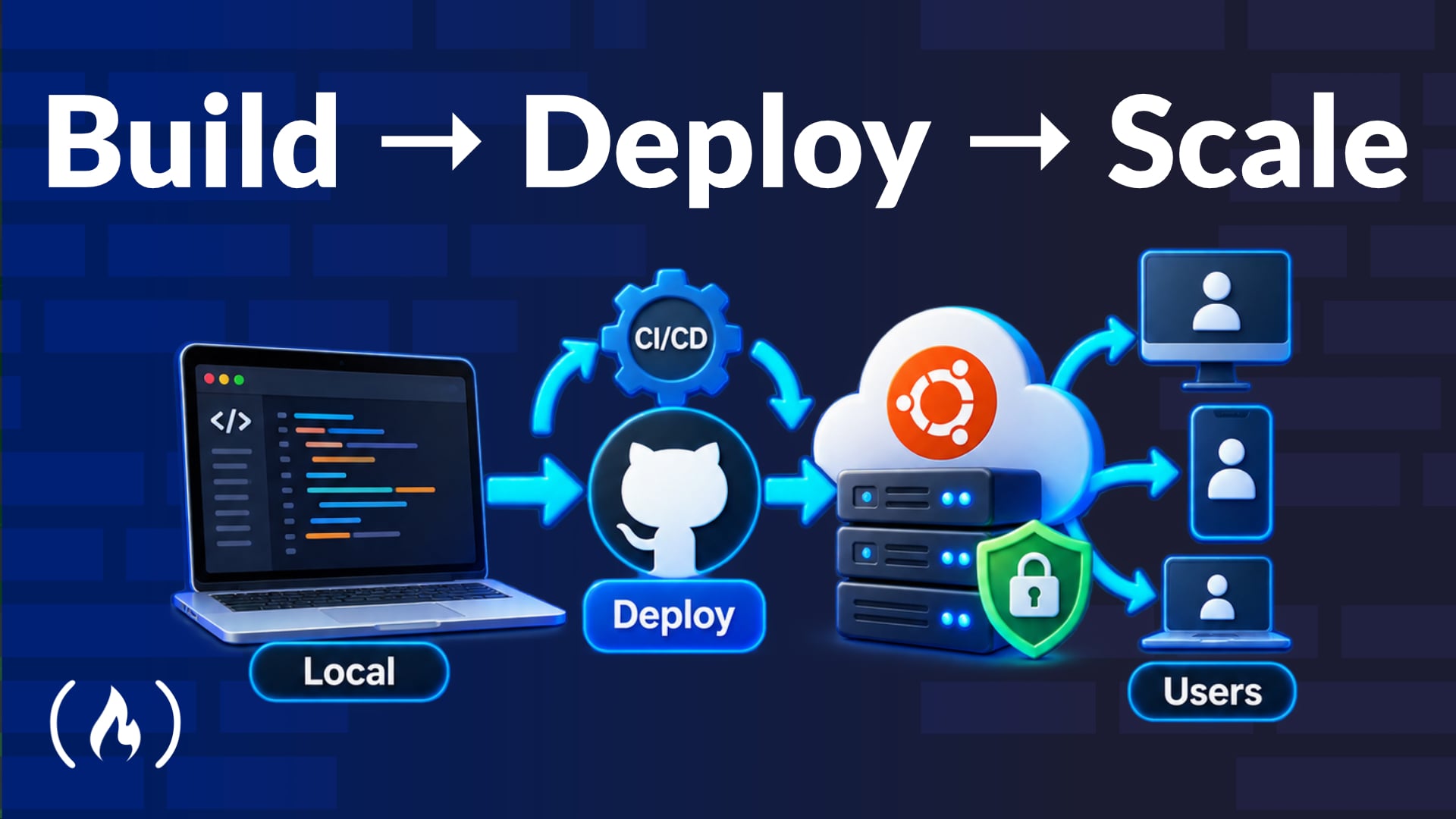
Mastering Full-Stack Deployment: Secure, Automate, Go Live
This article highlights a comprehensive freeCodeCamp.org course on deploying, securing, and automating full-stack web applications. It covers crucial steps from server provisioning and foundational security with UFW and Fail2Ban, to application runtime setup, data management, global access via Nginx and Cloudflare, and robust CI/CD pipelines with GitHub Actions. The course emphasizes a hands-on approach, integrating continuous security testing and observability, culminating in a production-ready application.