
SpaceX Starfall Cargo Drop Pods: Space-Delivered Logistics, Tested
The USAF and SpaceX Starfall cargo drop pods successfully demonstrated orbital delivery of military supplies, offering rapid, safe logistics. While current capacity is 2,200 pounds, future plans aim for tens of tons.
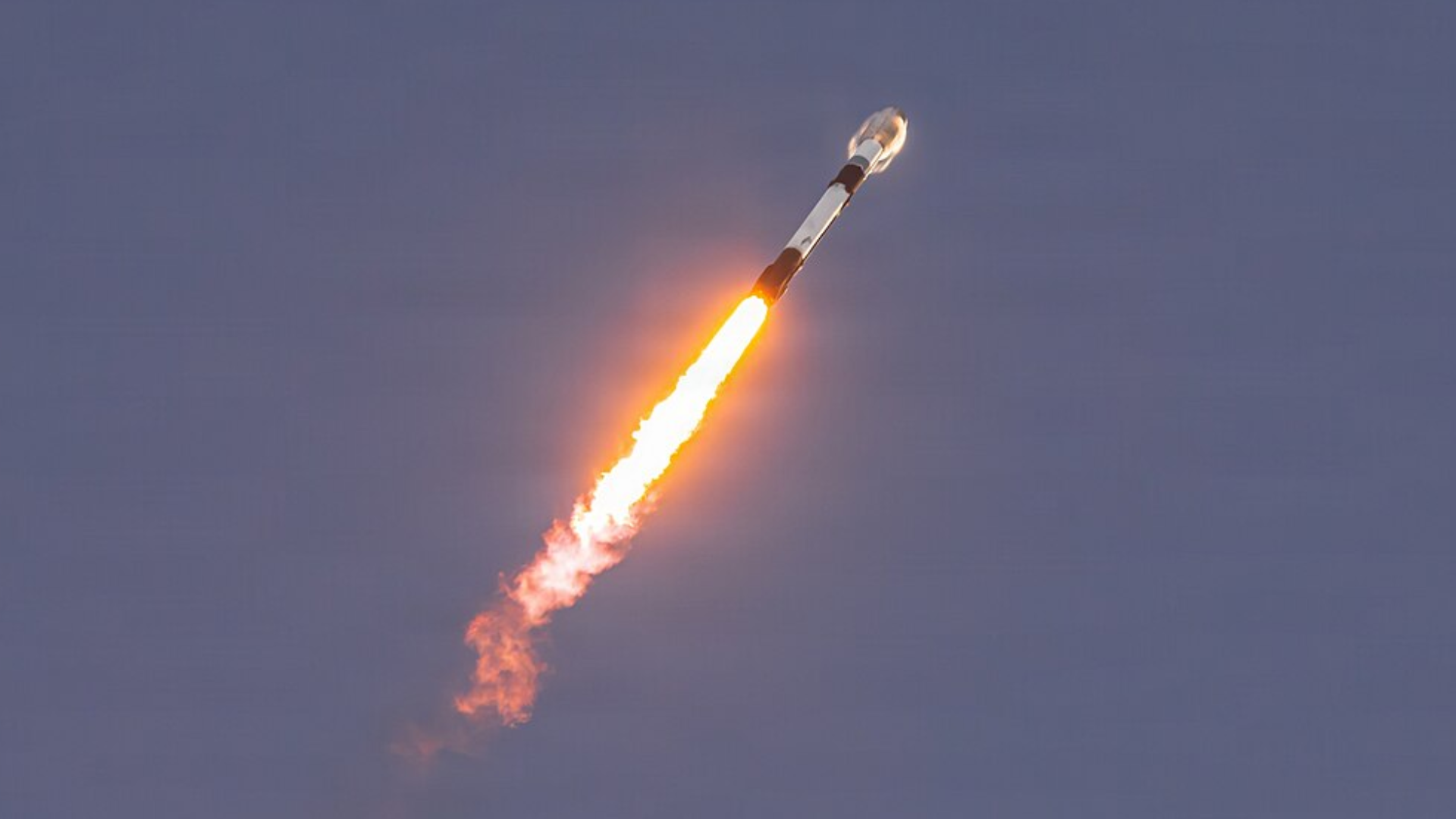
The landscape of military logistics is undergoing a radical transformation, and the recent joint success of the U.S. Air Force Research Lab (AFRL) and SpaceX with their Starfall cargo drop pods offers a compelling glimpse into its future. This innovative "Rocket Cargo" capability, designed to deliver essential supplies from space, just completed a crucial test, signaling a potential paradigm shift in how military forces are sustained worldwide.
The test involved a SpaceX Starfall capsule launching aboard a Falcon 9 rocket as part of the Bandwagon-5 "rideshare" mission from Cape Canaveral Space Force Station. The mission's objective was to demonstrate point-to-point delivery (P2D) capabilities, with the capsule splashing down successfully in the Pacific Ocean. Inside, the pods carried representative mission equipment, including MREs (Meals Ready-to-Eat), bottled water, a SATCOM-enabled tracker, and spare batteries. The AFRL even conducted a fit-check for a UNI-PAC III life raft, eyeing its potential inclusion in future tests.
This capability is far from a mere novelty; it’s a strategic imperative. As stated by Adam Remaly, AFRL Technology Transition Office director, this achievement is "critical" for rapid global mobility, particularly for the "Future Force." The primary advantage is the ability to resupply troops anywhere on Earth without deploying traditional air assets or personnel into high-risk, active combat zones. This significantly reduces the threat to aircrews and valuable aircraft, streamlining logistical operations in dynamic and potentially hostile environments.
Design and Engineering of the Starfall Capsule
The Starfall capsule itself is an intriguing piece of engineering. Measuring approximately 10 feet across and resembling a "hockey puck," it is designed for robust performance during its journey from orbit. Its construction features a carbon fiber heat shield, essential for protecting its contents from the extreme temperatures encountered during atmospheric reentry. For precision and stability during flight, the capsule employs compressed gas thrusters for attitude control. Finally, a sophisticated parachute system is deployed to ensure a controlled and soft landing, safeguarding the precious cargo within.
Currently, the Starfall capsule boasts a capacity of up to 2,200 pounds. While this might seem substantial for individual missions, the AFRL has ambitious plans to dramatically scale up this capability. Their vision includes increasing the payload limit to "tens of tons," which would enable the orbital delivery of heavier assets such as ammunition, critical weapon systems, and even vehicles. Achieving this higher capacity, however, is contingent on the development and deployment of larger launch vehicles, specifically the forthcoming SpaceX Starship rockets.
Strategic Implications and Future Outlook
The successful Starfall test underscores the U.S. military's commitment to developing agile and resilient logistical chains, especially in regions like the Pacific, where potential adversaries pose significant challenges. This initiative is part of a broader trend, as evidenced by the U.S. Navy's concurrent explorations into advanced manufacturing, such as 3D printing spare parts and even drones directly onboard aircraft carriers or at forward operating bases. Such innovations aim to drastically reduce reliance on traditional, often vulnerable, supply lines stretching across vast oceans.
SpaceX isn't the sole player in this emerging field. Sierra Space, a subsidiary of the Sierra Nevada Corporation, is also actively developing its own "Ghost reentry vehicle." While the source doesn't provide direct comparable performance metrics beyond a target capacity, Sierra Space aims for a 10-ton (20,000-pound) payload. Their tests have involved drops from altitudes of 35,000 and 68,500 feet, indicating a different developmental trajectory compared to Starfall’s orbital drop. This healthy competition suggests a robust drive to mature space-based logistics technologies.
Pros:
- Rapid Global Delivery: Enables unprecedented speed for delivering critical supplies to almost any point on Earth.
- Enhanced Safety: Reduces the need to expose aircraft and aircrews to hostile environments, minimizing risk.
- Strategic Flexibility: Offers a flexible, independent resupply method, reducing reliance on established, potentially vulnerable, logistical infrastructure.
- Scalability Potential: Future integration with Starship promises a significant increase in payload capacity, opening doors for delivering larger, heavier equipment.
- Technological Advancement: Pushes the boundaries of space-based logistics and reentry technologies.
Cons:
- Limited Current Capacity: The present 2,200-pound limit, while useful, is insufficient for truly large-scale military resupply needs like heavy weaponry or vehicles.
- Reliance on Future Tech: Achieving "tens of tons" capacity is dependent on the successful, sustained operation of the still-developing SpaceX Starship.
- Cost Implications (Unspecified): The article doesn't detail the cost-effectiveness of orbital delivery versus traditional methods, which could be a significant factor.
- Retrieval Challenges: While the capsule was recovered, the logistics of retrieving pods and their contents in potentially remote or contested areas are not fully elaborated.
- Environmental Impact: Reentry and splashdown might have environmental considerations, though not discussed in the source.
Recommendation:
For military planners and defense strategists, the SpaceX Starfall cargo drop pod system represents a compelling, high-potential capability that warrants continued investment and accelerated development. Its immediate utility for rapid, secure delivery of lighter critical supplies is clear, especially in scenarios where traditional air or sea lanes are compromised or too risky. The pathway to expanded capacity via Starship is particularly exciting, promising a future where entire tactical units and their heavy equipment could be prepositioned or resupplied from orbit. This is not just an incremental improvement but a foundational shift in military logistics, offering a distinct advantage in future conflicts. The commitment to further testing and scaling up, as seen with the AFRL's plans, is well-placed and crucial for realizing the full strategic potential of Rocket Cargo.
FAQ
Q: What kind of supplies can the Starfall capsule deliver right now?
A: Currently, the Starfall capsule can deliver up to 2,200 pounds of supplies, including items like MREs, bottled water, SATCOM-enabled trackers, spare batteries, and other essential mission equipment, as demonstrated in the recent test.
Q: How does this system compare to other cargo delivery methods for the military?
A: The Starfall system offers a unique advantage by delivering supplies from space, enabling rapid point-to-point delivery globally without risking traditional aircraft and aircrews in combat zones. This is distinct from conventional air or sea transport, and also from other emerging technologies like 3D printing parts locally, which focus on manufacturing rather than delivery from orbit.
Q: What are the future plans for the Starfall system's capacity?
A: The U.S. Air Force Research Lab aims to significantly increase the Starfall system's capacity to "tens of tons." This expanded capability would allow for the delivery of much heavier items, such as ammunition, weapon systems, and even vehicles, but it will depend on the successful development and deployment of larger launch vehicles like the SpaceX Starship.
Related articles

Binance Reopens After Historic Heist: A Fragile Recovery
Verdict Binance, one of the world's largest cryptocurrency exchanges, has reopened transactions after suffering a staggering $6.3 billion crypto heist, one of the largest in history. While the platform has commendably

Touchscreen MacBook Pro: Uninspired and Unconvincing
Apple's new touchscreen MacBook Pro with its PROLED XDR Display feels like an uninspired addition. Despite the beautiful OLED panel, the touchscreen functionality is uncomfortable for extended use and doesn't justify its premium.

GeekWire Week in Review: A Curated Dose of PNW Tech News
Verdict: Your Weekly Dose of Pacific Northwest Tech Insights GeekWire's "Week in Review" for October 25, 2026, serves as a highly efficient digest for anyone looking to stay abreast of the significant tech and startup
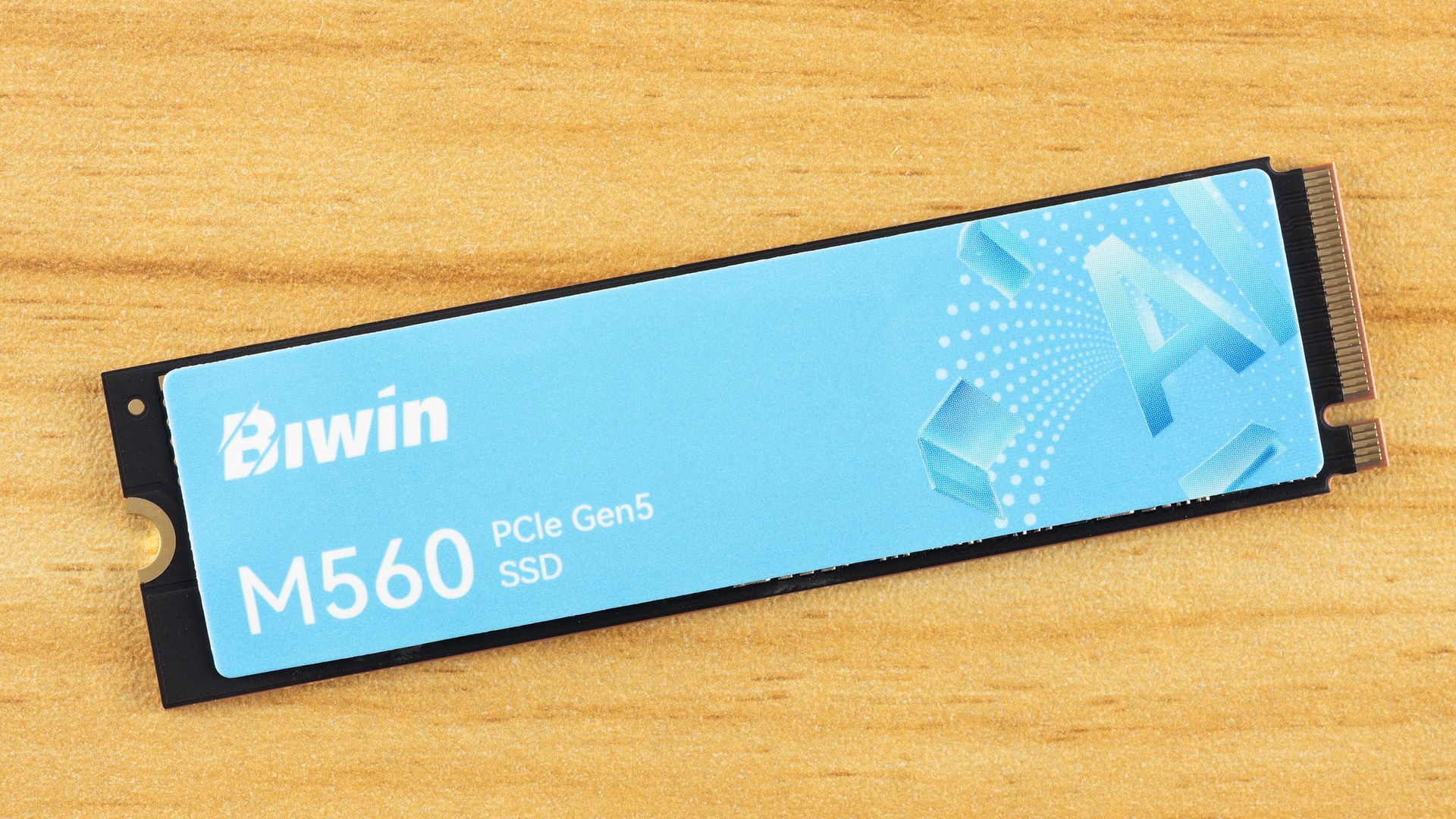
Biwin M560 2TB SSD Review: A DRAM-less PCIe 5.0 Powerhouse
The Biwin M560 2TB SSD is a top-tier PCIe 5.0 DRAM-less drive, delivering exceptional application and gaming performance with impressive efficiency. Its SMI SM2504XT controller shines, making it a strong contender for next-gen storage.
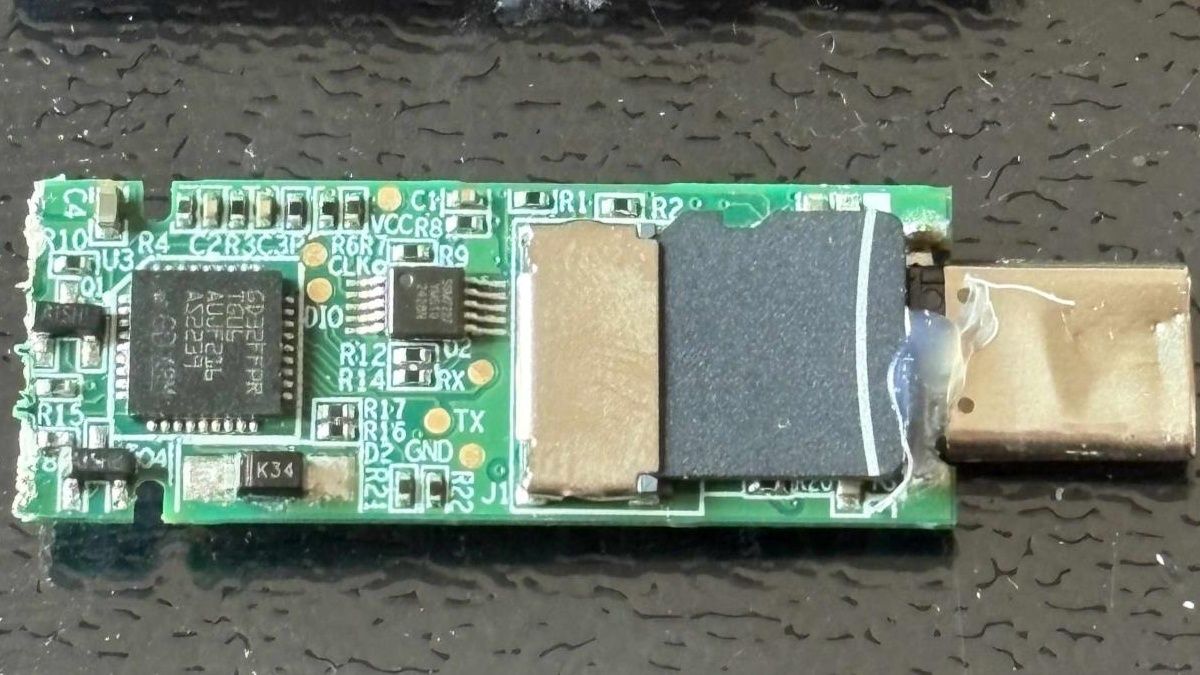
Lenovo Fingerprint USB: Security Mirage Exposed
Lenovo's ThinkPlus FU100 fingerprint USB, advertised with AES-256 encryption, was found to be a simple unencrypted SD card. Further research revealed critical vulnerabilities, backdoors, and hardcoded keys in other "secure" USB products from Lenovo and other vendors, turning supposed data protection into a dangerous illusion.
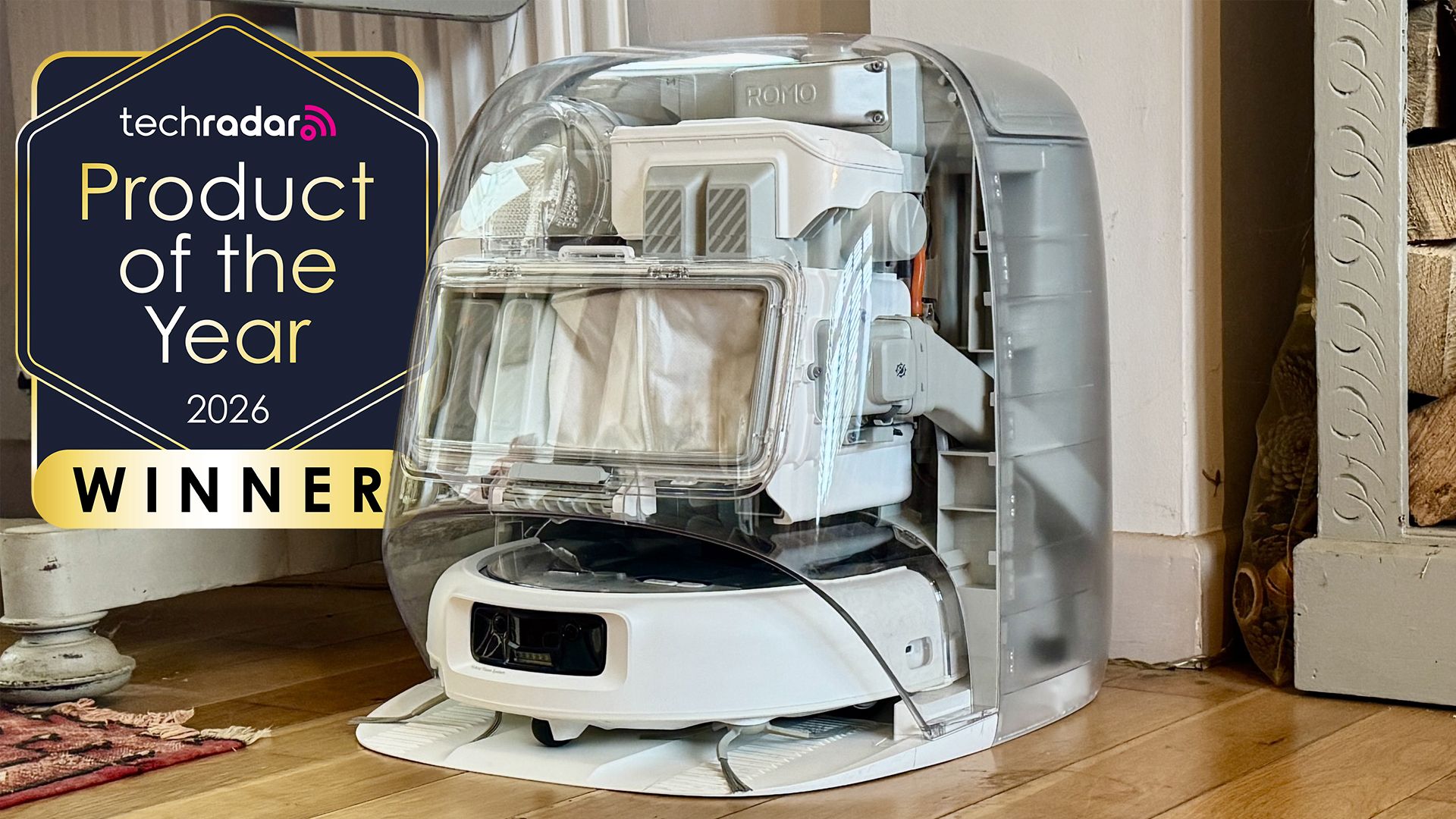
DJI Romo P Review: Drone Navigation Hits Your Floors with Impressive
Quick Verdict The DJI Romo P, our Home Device of the Year for 2026, marks an astonishing debut for DJI in the robot vacuum market. Leveraging its unparalleled drone-navigation technology, the Romo P offers class-leading