
iOS 26.4 Ambient Music Widgets: Convenient, but Exclusive
Quick Verdict iOS 26.4 introduces Ambient Music widgets, a genuinely convenient addition for Apple Music subscribers. These mood-based widgets offer one-tap access to curated or custom playlists directly from your

Quick Verdict
iOS 26.4 introduces Ambient Music widgets, a genuinely convenient addition for Apple Music subscribers. These mood-based widgets offer one-tap access to curated or custom playlists directly from your iPhone’s home screen, streamlining your music experience. However, a significant drawback is their exclusivity: they only work with Apple Music, leaving users of other streaming services like Spotify out in the cold. For those firmly within the Apple ecosystem and subscribed to Apple Music, this is a welcome, albeit incremental, improvement to daily usability. For everyone else, it’s a feature that will likely pass unnoticed.
Introduction to iOS 26.4's New Groove
Apple's latest software iteration, iOS 26.4, rolls out with a suite of refinements, but the spotlight shines brightest on the new Ambient Music widgets. Aimed at simplifying the way users interact with their music library, these widgets promise a more intuitive and mood-aware audio experience. The idea is elegantly simple: transform your iPhone's home screen into a personalized sound board, allowing you to instantly set the auditory tone for your day or night with a single tap. This update builds upon the Ambient Music feature that first appeared in the Control Center, now bringing it front and center to enhance accessibility and user engagement.
Beyond the music widgets, iOS 26.4 also brings other minor but notable enhancements, including a new Playlist Playground feature for more creative music curation, the addition of eight new emojis to expand digital expression, urgent reminder flagging in the Reminders app for better task management, and a Purchase Sharing update aimed at improving the family sharing experience. While these broader updates contribute to the overall refinement of the OS, our focus today remains squarely on the impact and utility of the mood-based music widgets.
Design and User Experience: A Tap Away From Your Vibe
The core strength of the Ambient Music widgets lies in their straightforward design and seamless user experience. Apple has clearly focused on reducing friction between a user's desire for specific music and its playback. The scenario of fumbling for a sleep playlist in the dead of night, as highlighted by Digital Trends, perfectly illustrates the problem these widgets aim to solve. Now, instead of navigating through several menus within the Apple Music app, you can have your chosen mood-based playlist ready to go with a single tap on your home screen.
The widgets are categorized into four broad mood categories: Chill, Productivity, Sleep, and Wellbeing. This thoughtful grouping covers a wide range of common daily activities and emotional states, making the feature versatile. Users are given two size options for these widgets: a smaller version that can display and play one chosen playlist, and a larger variant that provides one-tap access to all four mood categories simultaneously. This flexibility allows users to optimize their home screen layout according to their preferences and available space, without sacrificing functionality.
Customization is also a key aspect of the user experience. While Apple provides built-in playlist presets for each mood (e.g., Sleep offers options like Sleep Sound, Bedtime Beats, Sound Bath, and Plano Sleep), users aren't locked into these. The process for personalizing these widgets is intuitive: a long-press on the widget followed by selecting “Edit Widget” allows you to assign your own custom playlists to any of the mood categories. This level of personalization is crucial for a feature that aims to cater to individual tastes, ensuring that the music truly aligns with your current mood and preferences.
The Good, The Bad, and The Apple-Exclusive
Pros:
- Exceptional Convenience: The primary advantage is the immediate, one-tap access to mood-specific music. This significantly cuts down on the steps required to start a playlist, especially beneficial for routine tasks or moments when quick audio cues are needed.
- Intuitive Mood Categorization: The four broad categories—Chill, Productivity, Sleep, Wellbeing—are well-chosen and cater to a wide array of daily scenarios, making the widgets broadly applicable and genuinely useful.
- Flexible Customization: The ability to replace Apple's curated playlists with your own personal selections is a major plus, ensuring that the widget truly reflects your musical taste and provides content you genuinely want to hear.
- Design Flexibility: Offering two distinct widget sizes allows users to integrate the feature into their home screen without feeling constrained, balancing aesthetic appeal with functional access.
- Enhanced Accessibility: By moving the Ambient Music feature from the more hidden Control Center to the prominent Home Screen, Apple has made it far more discoverable and readily available for daily use.
Cons:
- Apple Music Exclusivity: This is the most significant limitation. The Ambient Music widgets are strictly confined to Apple Music subscribers. This decision by Apple to tie a broadly appealing functional enhancement to its own streaming service alienates a massive segment of iPhone users who prefer Spotify, YouTube Music, or other platforms. It’s a clear missed opportunity to provide a universal improvement to the iOS music experience.
- Limited Mood Granularity: While the four broad categories are a good start, some users might find them too generic and wish for more specific mood options (e.g., 'Energizing,' 'Meditative,' 'Upbeat') to better match nuanced emotional states or activities.
- Dependency on Content: The ultimate utility of these widgets relies heavily on the quality of Apple's curated playlists or the effort users put into creating and managing their own custom playlists. A poor selection could diminish the perceived value.
Comparison: Walled Garden vs. Open Field
The source content explicitly states, "the Ambient Music widget only works with Apple Music; it won’t benefit Spotify users." This sentence alone highlights the crucial 'comparison' aspect. Unlike a universal widget that could theoretically pull music from any installed streaming service (like some third-party widget solutions might aim to do), Apple has firmly kept this feature within its own ecosystem. There's no direct alternative within iOS 26.4 for users of other services to achieve this same level of one-tap, mood-based convenience directly from a home screen widget. This isn't a case of one service offering more features than another within the widget; it's a case of absolute incompatibility for anyone not subscribed to Apple Music. This strategic decision reinforces the benefits of subscribing to Apple's services while simultaneously creating a usability gap for those who don't.
Buying Recommendation
For current Apple Music subscribers: This update is a fantastic quality-of-life improvement. The Ambient Music widgets offer genuine convenience, allowing you to instantly set the mood with your favorite playlists. If you're already paying for Apple Music, updating to iOS 26.4 will undeniably enhance your daily iPhone experience, making music access smoother and more integrated. It's a clear recommendation to upgrade and utilize this feature.
For users of other music streaming services (e.g., Spotify, YouTube Music): Honestly, this update, specifically regarding the Ambient Music widgets, will have no impact on your experience. While iOS 26.4 brings other general improvements, the headline music feature is inaccessible to you. If your primary music library resides elsewhere, these widgets won't factor into your decision-making, and you'll continue to rely on your preferred app's widgets or manual navigation. Don't expect this update to suddenly make Apple Music a compelling reason to switch if you're happy with your current service.
FAQ
Q: Do these mood-based Music widgets work with Spotify or other streaming services besides Apple Music?
A: No, the Ambient Music widgets introduced in iOS 26.4 are exclusively designed for and only function with Apple Music. They do not support Spotify, YouTube Music, or any other third-party music streaming platforms.
Q: Can I use my own custom playlists with the Ambient Music widgets?
A: Yes, you can. While Apple provides built-in preset playlists for each mood category, you have the option to customize the widgets. By long-pressing a widget and tapping “Edit Widget,” you can assign your own custom playlists to any of the four mood categories: Chill, Productivity, Sleep, or Wellbeing.
Q: What are the different sizes available for these widgets and what do they offer?
A: There are two widget sizes available. The smaller widget allows you to display and access one specific playlist of your choice. The larger widget provides one-tap access to all four broad mood categories (Chill, Productivity, Sleep, and Wellbeing) simultaneously, giving you more options at a glance.
Related articles
Android 17 QPR2 Beta 7.1: The Performance Relief You've Been Waiting
Android 17 QPR2 Beta 7.1: Finally Fixing the QPR1 Performance Woes Verdict: Android 17 QPR2 Beta 7.1 is a crucial and highly anticipated software update for Google Pixel users, specifically targeting and resolving the

DJI Solo Video Setups: Smart Choices for Lone Creators
This review delves into DJI's recommended solo video setups, highlighting the Osmo Pocket 3 Creator Combo as a top pick for its integrated camera, gimbal, and mic. It also covers stabilizers like the Osmo Mobile 8 and RS 4, and the DJI Mic Mini series for enhanced audio, providing honest pros, cons, and clear buying advice.

Ars Technica's Rocket Report: Your Essential Space Industry Briefing
Quick Verdict Ars Technica's Rocket Report, presented by veteran space reporter Stephen Clark, offers an invaluable and meticulously organized weekly (or similar frequency, implied by "Edition 9.15") digest of the most

Apple iPhone Duo: A Daring Debut with Notable Compromises
Apple's highly anticipated iPhone Duo, priced at $2,000, has gone on pre-order. While hailed as "Apple's most exciting device in a decade" for its innovative foldable design and immersive display, it comes with significant drawbacks like the absence of FaceID and a premium camera.

Amazon Prime Video Launches AI-Powered Prime 360 for NBA Coverage
Amazon Prime Video is elevating its NBA coverage with the introduction of Prime 360, an AI-powered replay system offering immersive, 'fly through' views of the action. Kicking off its second season, Prime Video also adds Yahoo fantasy integration and gains exclusive Eastern Conference Finals rights, expanding its tech-driven sports broadcast. The new features aim to deliver a unique and interactive viewing experience for basketball fans.
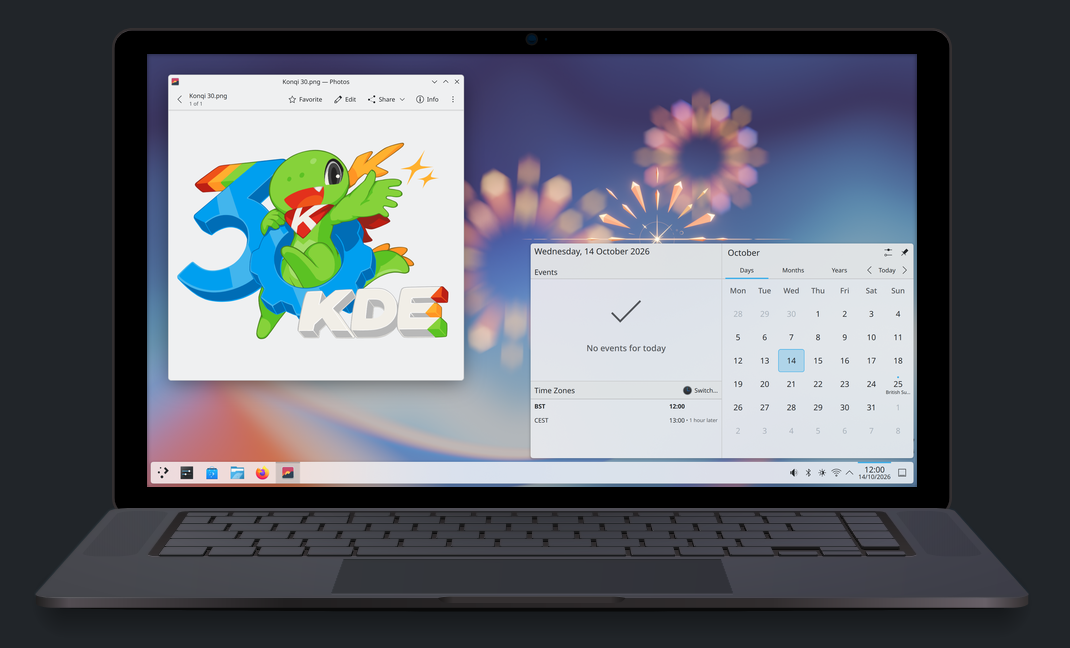
KDE Plasma 6.8: A Future-Focused 30th Anniversary Update
Quick Verdict KDE Plasma 6.8, arriving as the "30th Anniversary Edition," is a pivotal release that decisively pushes the desktop environment into the future. With a definitive farewell to native X11 sessions and a