
in-depth: Meet the Man Making Music With His Brain Implant: in-depth
In a groundbreaking fusion of neuroscience and artistry, Galen Buckwalter, a 69-year-old research psychologist, is utilizing his brain implant to compose music with his thoughts. A quadriplegic since age 16, Buckwalter

In a groundbreaking fusion of neuroscience and artistry, Galen Buckwalter, a 69-year-old research psychologist, is utilizing his brain implant to compose music with his thoughts. A quadriplegic since age 16, Buckwalter underwent a craniotomy in 2024 at Caltech as part of a brain implant study. His innovative use of the technology is pushing the boundaries of brain-computer interfaces (BCIs) beyond their traditional rehabilitative applications, opening new avenues for creative expression.
Buckwalter's six implants, developed by Blackrock Neurotech, monitor neural activity to interpret his movement intentions. While these devices primarily enable him to operate computers with his mind and regain sensations, they have also become a conduit for his musical passion. His collaboration with Caltech graduate student Sean Darcy led to the development of an algorithm that translates his thoughts into distinct musical tones, a process Buckwalter has incorporated into his punk band Siggy's latest album, "Wirehead," released March 15.
The journey began with Buckwalter's curiosity about the "sound" of his own brain, inspired by videos of biosonification. Darcy's algorithm assigns a tone to the baseline firing rate of individual neurons. By intentionally activating or suppressing these neurons—for instance, by thinking about moving a specific finger or toe—Buckwalter can manipulate the pitch. He currently manages to produce two tones simultaneously, though the goal is to expand this capability for more complex compositions.
This method allows Buckwalter to effectively "play" an instrument using a virtual keyboard concept, where tones are triggered when neuron activity surpasses a set threshold. Although it requires significant concentration and adaptation, as the specific neurons detected can vary daily, Buckwalter describes the experience of hearing his brain's direct translation into music as "mind-blowing" and incredibly fun. He likens it to having an "orchestra in his brain" that he is learning to conduct.
As a long-time musician with his band Siggy, which has been active for 29 years, music remains a core part of Buckwalter's life. The track "Wirehead" on their new album features tones he composed directly from his neural signals, blending cutting-edge technology with punk rock. His bandmates were enthusiastic about this unique addition, seeing it as a fresh frontier for their sound.
Beyond personal enjoyment, Buckwalter advocates for a broader perspective in BCI research. He argues that while restoration of function is paramount, developers must also consider and integrate the subjective experiences and creative interests of participants. He believes that fostering enjoyable and empowering applications, like artistic expression, is crucial for the widespread success and adoption of BCI technology. This focus on user satisfaction, he contends, will drive the technology forward more effectively than a purely academic, functional approach.
The work at Caltech is continuously evolving, with plans to develop Buckwalter's setup into a full "DJ booth" allowing for rhythm loops, melodies, and more intricate neural music. This innovative application hints at a future where BCIs not only overcome physical limitations but also unlock unprecedented avenues for human creativity and connection.
FAQ
Q: What is a brain-computer interface (BCI) and what are its primary uses?
A: A brain-computer interface (BCI) is a technology designed to enable direct communication between the brain and an external device. Traditionally, BCIs are developed to restore communication and movement in individuals with severe motor disabilities, allowing them to control computers or prosthetic limbs with their thoughts.
Q: How does Galen Buckwalter create music using his brain implant?
A: Galen Buckwalter uses six Blackrock Neurotech implants that read activity from his neurons. A specialized algorithm, developed by Caltech student Sean Darcy, translates the firing rates of specific neurons into musical tones. By thinking about movements (like wiggling a finger or toe), Buckwalter can volitionally control these neurons, causing the pitch of the assigned tones to rise or fall, effectively creating music with his thoughts.
Q: Why does Buckwalter believe BCI research should focus on creative applications?
A: Buckwalter emphasizes that while functional restoration is vital, incorporating enjoyable and creative applications makes the technology more engaging and motivating for users. He believes that focusing on subjective experiences and creative outlets, like making music or art, is essential for BCI technology to truly advance and gain widespread acceptance, enhancing users' lives beyond basic functionality.
Related articles

Apple Unveils iPhone Duo: Pricey Foldable Sees Soaring Demand
Apple has officially entered the foldable smartphone arena with the long-anticipated launch of the iPhone Duo. Priced starting at a hefty $1,999, the device features a 5.4-inch outer display and a larger 7.6-inch inner

in-depth: Chicago-Area Cops Helped HSI Spy on Minnesota Anti-ICE
Chicago-area law enforcement, including local police and HSI agents, conducted undercover surveillance on Minnesota anti-ICE activists at an April 2, 2022, talk in Chicago. This operation was part of a federal conspiracy probe into 15 Minnesota activists facing felony charges related to immigration enforcement resistance. Civil liberties advocates have condemned the surveillance as a troubling intrusion into protected political activity.

Mark Wahlberg on using AI in film ‘the right way’ and being open to
Actor Mark Wahlberg believes AI has a place in filmmaking if used responsibly for enhancement, not script generation or actor replacement. At TechCrunch Disrupt, he expressed openness to an AI likeness carrying on his legacy, managed by his family, and emphasized storytelling.

Ars Technica's Rocket Report: Your Essential Space Industry Briefing
Quick Verdict Ars Technica's Rocket Report, presented by veteran space reporter Stephen Clark, offers an invaluable and meticulously organized weekly (or similar frequency, implied by "Edition 9.15") digest of the most

Tesla Unveils Thruster-Equipped Roadster, 2028 Production Targeted
Tesla has unveiled its second-generation Roadster, featuring cold-gas thrusters co-developed with SpaceX, enabling it to jump and flip. The electric sports car demonstrated 0-60mph in an astonishing 0.81 seconds, with production targeted for 2028. This highly anticipated reveal also serves as a key recruitment tool for Tesla's ambitious AI and robotics initiatives.
Amazon Prime Video Launches AI-Powered Prime 360 for NBA Coverage
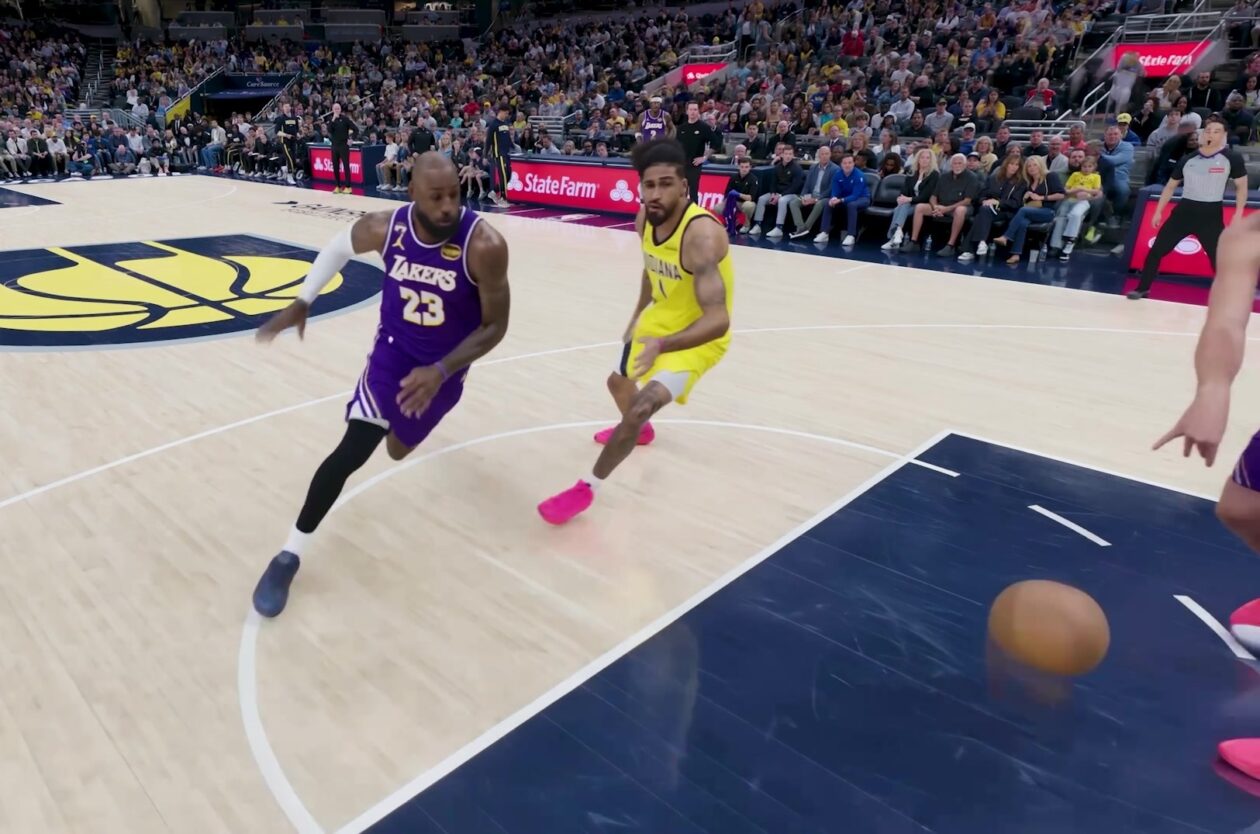
Amazon Prime Video is elevating its NBA coverage with the introduction of Prime 360, an AI-powered replay system offering immersive, 'fly through' views of the action. Kicking off its second season, Prime Video also adds Yahoo fantasy integration and gains exclusive Eastern Conference Finals rights, expanding its tech-driven sports broadcast. The new features aim to deliver a unique and interactive viewing experience for basketball fans.