
Identify If Your Company Needs External AI Expertise - Boost
Introduction Artificial intelligence (AI) is rapidly transforming industries, with more and more businesses looking to leverage sophisticated algorithmic solutions to gain a competitive edge. However, while the interest

Introduction
Artificial intelligence (AI) is rapidly transforming industries, with more and more businesses looking to leverage sophisticated algorithmic solutions to gain a competitive edge. However, while the interest in AI is high, many companies quickly discover that building world-class AI software in-house presents unique challenges.
Developing intricate AI models, training them, and bringing them into production requires a distinct set of skills, often different from traditional application development. This guide will help you identify four key signs that your company might benefit significantly from bringing in external AI expertise. By recognizing these indicators, you can optimize your operations, accelerate innovation, and avoid common pitfalls associated with in-house AI development.
Prerequisites
To effectively use this guide, your company should meet the following criteria:
- Currently Engaged in AI Initiatives: Your organization is already attempting to develop or integrate AI solutions.
- Considering AI Adoption: You are planning to embark on new AI projects or explore how AI can benefit your business.
- Awareness of AI Complexity: You understand that AI development often requires specialized skills beyond standard software engineering.
- Experiencing or Anticipating Challenges: You're encountering hurdles in your current AI projects, or foresee potential difficulties in future endeavors.
4 Signs Your Company Might Benefit from External AI Expertise
Understanding when to seek external help can save your company significant time and resources. Here are four clear signs it might be time to consider AI outsourcing services.
1. Your AI Projects Are Stalling or Moving Slowly
Even highly experienced development teams can face unexpected obstacles when working on AI projects. The unique challenges associated with creating, training, and deploying AI models often require a different skill set than traditional software development. As these problems accumulate, project deadlines can start to slip, potentially causing your company to fall behind competitors who are already launching or testing their AI solutions.
Why this is a sign: A lack of specialized AI skills within your organization directly translates to slower progress and increased costs. Your internal team, while skilled in other areas, might be spending valuable time grappling with AI-specific issues they haven't encountered before.
How external expertise helps: Bringing in external AI specialists can immediately inject practical, targeted knowledge into your team. These experts can tackle specific technical challenges, help overcome bottlenecks, and get your project back on track swiftly. They provide focused assistance without placing additional pressure on your existing in-house team, ensuring you maintain a competitive development pace.
2. Building an In-house AI Team is Proving Too Costly
The demand for skilled machine learning engineers and data specialists is incredibly high, particularly in regions like the U.S. and Western Europe. This high demand translates into substantial salaries, with a seasoned senior in-house engineer potentially costing several hundred thousand dollars per year.
Why this is a sign: For projects that might have a finite timeline – for instance, wrapping up in eight months – hiring full-time, highly paid staff can be an extremely expensive and inefficient solution for a short-term need. After the project concludes, your company is left with the challenge of what to do with a specialized team you may no longer require.
How external expertise helps: Opting for a nearshore or offshore AI partner offers a more cost-effective solution. You gain access to individuals who already possess the necessary technological expertise for the duration of your project. Once the project is complete, you are not burdened with the long-term overhead of an expanded in-house team, providing financial flexibility and efficient resource allocation.
3. Promising AI Prototypes Never Make It to Production
Many companies excel at creating initial proof-of-concept demos and simple prototypes for AI solutions. However, there's a significant leap between a working demo and a reliable, scalable solution capable of handling real-world business workloads. The complexities of moving from a testing environment to a live production system often present unforeseen hurdles.
Why this is a sign: Internal teams might struggle with the nuances of operationalizing AI. A model that performs well in a controlled test environment might suddenly become slow (e.g., taking fifteen seconds instead of two for a response) or inefficient under real user load. Additionally, managing escalating server costs and identifying when a model's performance starts to degrade are common challenges that require specific experience.
How external expertise helps: An outside team, having likely navigated these challenges many times before, possesses invaluable experience in bringing AI models to life. They understand the intricacies of scaling solutions, optimizing performance, managing infrastructure costs, and implementing robust monitoring systems. This experience is often the critical factor that transforms a promising prototype into a functional, business-critical application your company can truly rely on.
4. Your Data Is Disorganized, Incomplete, or "Unclean"
The success of any AI solution fundamentally depends on the quality and accessibility of the data it uses. If your company's data is fragmented across various systems—such as separate CRM platforms, local files, or incompatible databases—advanced AI tools cannot be properly implemented. The reality is that the majority of errors and failures in AI projects are caused by contaminated or incomplete data.
Why this is a sign: Your internal team might lack the unique skills in data engineering required to transform disparate data sources into a usable format for AI. Without a clean, coherent data foundation, any AI efforts will be built on shaky ground, leading to unreliable results and wasted investment.
How external expertise helps: External specialists are often proficient in data engineering and possess the skills to create a robust and coherent data architecture. They can consolidate isolated data repositories into a central data warehouse, clean incomplete or inconsistent data, and establish pipelines for ongoing data quality. This foundational work provides your company with a strong, reliable starting point for current and future automation and AI projects, ensuring your AI solutions are fed with high-quality information.
Next Steps
Recognizing these signs is the first step towards optimizing your company's AI journey. By considering external AI expertise, you can save valuable time and resources, reduce talent acquisition costs, and ensure your internal databases are structured effectively. Embracing AI outsourcing services can immediately enhance how your company operates, providing access to proven expertise and helping you build a scalable technology infrastructure tailored to the demands of the modern market. Evaluate your current situation against these signs, and consider exploring reputable AI outsourcing partners to accelerate your progress.
FAQ
Q: What's the main difference between traditional software development and AI development?
A: Traditional software development often involves clear rules and logic programmed by developers. AI development, however, focuses on creating, training, and deploying intricate models that learn patterns and make predictions from data. This requires specialized skills in machine learning, data science, and complex model management, making it a very different discipline.
Q: How does external AI expertise help with project speed?
A: External AI specialists bring immediate, practical knowledge and experience to your team. They are adept at navigating the unique challenges of AI development and can quickly tackle specific technical roadblocks that might be slowing down your internal team. This focused assistance helps accelerate development and keeps projects on track without placing undue pressure on your existing staff.
Q: Can external AI teams help if our data is a mess?
A: Absolutely. Data quality is paramount for AI success. External specialists often possess strong data engineering skills. They can assist in consolidating scattered data from various sources, cleansing incomplete or contaminated information, and establishing a robust, coherent data architecture (like a central data warehouse). This foundational work provides a solid and reliable starting point for all your current and future AI initiatives.
Related articles

Get the Honeywell Smart Color Thermostat for $80 and Start Saving on
Learn to get and install the Honeywell Home Wi-Fi Smart Color Thermostat for just $80, a 55% saving, and start reducing your utility bills by leveraging its Energy Star certified features and smart home integration.

Gemini Memory Summary: Essential User Control
Google Gemini, like many advanced AI systems, aims to personalize your interactions by remembering details about you. While this can enhance your experience, it also brings up natural privacy concerns regarding what

analysis: Jensen Huang’s Resignation From Nvidia Could Complicate
Jensen Huang's resignation as Nvidia CEO amid personal misconduct raises significant questions about the future of the Jen-hsun & Lori Huang Foundation. The $9 billion charitable entity, co-founded by Huang and his wife, Lori, faces an uncertain path as the tech mogul departs the company he led for 33 years.
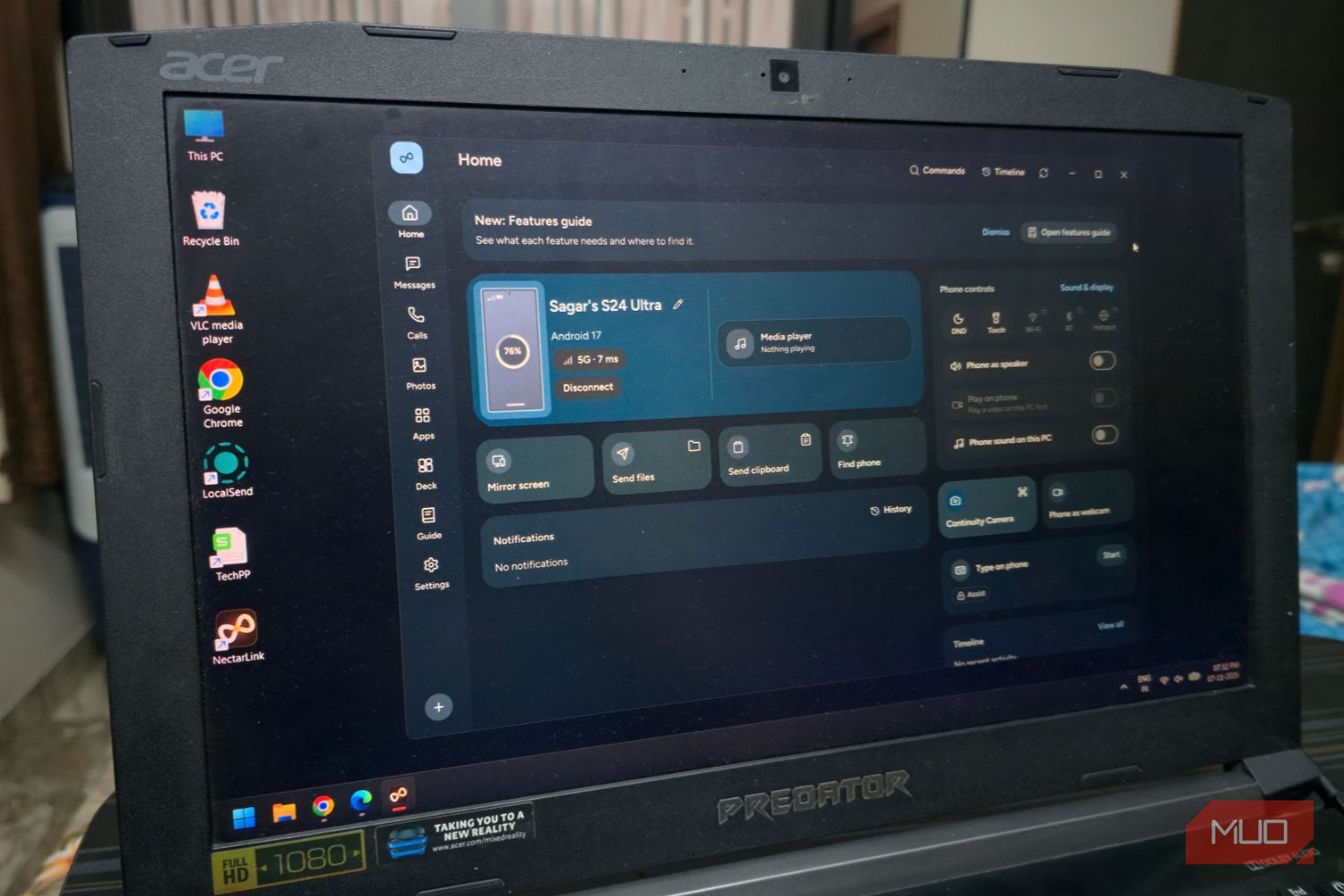
Seamlessly Connect Your Android to Windows with NectarLink
Learn to connect your Android phone to Windows using NectarLink, a free, open-source hub, in a few simple steps. Get notifications, sync files, mirror screens, and control your phone securely without cloud accounts.

Jensen Huang accused of having another affair — with an Nvidia exec
Nvidia CEO Jensen Huang faces new accusations of an affair with a direct report, Kimberly Powell, escalating a crisis already simmering from his admitted affair with an alleged Chinese spy. These revelations prompted the Wall Street Journal to report that Nvidia's board is preparing to oust Huang, who co-founded the company in 1993, as congressional pressure and internal investigations intensify.

Make 8GB of RAM Work on Windows 11 - Boost Performance
Optimize your Windows 11 PC with 8GB RAM for better performance by updating Windows, managing background apps, optimizing your browser, configuring virtual memory, and using lightweight software alternatives.