
I took two iPhones on vacation. The Duo won me over.: Apple — Key
TechCrunch reporter Sarah Perez reviewed Apple's new iPhone Duo on vacation, initially facing frustrations but ultimately preferring the foldable to her iPhone 17 Pro Max. The Duo's durability, unique form factor, and ability to foster intentional screen time outweighed its drawbacks, including Touch ID and a lesser camera.

TechCrunch reporter Sarah Perez embarked on a five-day vacation with Apple's new foldable iPhone Duo alongside her familiar iPhone 17 Pro Max, initially skeptical but ultimately finding herself captivated by the experimental device. Despite facing several frustrations, including app quirks and a return to older authentication methods, the Duo's novel design and unique user experience ultimately proved compelling enough to make her prefer it over her high-end traditional iPhone. This real-world test provides significant insight into Apple's inaugural foray into the foldable market.
The transition from a sleek iPhone 17 Pro Max to the Duo's "short, squat, and decidedly novel" form factor presented an immediate psychological shift for Perez. Used to ample screen real estate, she initially questioned the Duo's practicality. However, the device quickly proved its physical resilience. It fit comfortably in various pockets, including back pockets where it was frequently sat on without breaking. Multiple accidental drops onto concrete, tile, and wood floors also left the screen uncracked and the device undamaged, suggesting a surprising level of durability for an experimental design.
Frustrations were not absent from the software experience. The Duo's smaller outer screen necessitated more scrolling in text threads, and unoptimized apps often hid key features in "more" menus. A particularly vexing issue was the Google Search app, which repeatedly froze in its AI Mode during her travels, requiring a force-close to reset. While many early reviews highlighted the prevalence of unoptimized apps displaying unsightly black bars, Perez found this to be more of an aesthetic concern than a functional impediment, noting that essential apps like Google Maps remained perfectly usable. She anticipates that major apps will rapidly update, making the aesthetic issue temporary.
Perez identifies the absence of Face ID as the Duo’s most significant drawback, marking a return to the more cumbersome Touch ID. This regression was particularly noticeable during Apple Pay transactions, where managing the phone, shopping bags, and a dog leash simultaneously made thumb authentication awkward. Overcoming the "muscle memory" of Face ID proved challenging, and remembering to maintain finger contact for authentication was a frequent stumble. While she adapted to Touch ID, the reporter believes this friction point could deter potential early adopters, although future Duo models are rumored to incorporate under-display Face ID.
The iPhone Duo's camera system also represents a step down from the Pro Max line. Equipped with only two rear cameras compared to the Pro Max's three, it lacks a telephoto lens and offers a significantly reduced digital zoom (10x versus 40x). Advanced features like ProRAW and ProRes, and superior low-light hardware, are also absent. For professional photographers or content creators, the Duo is not a primary device. However, Perez concludes that for "normal folks" looking to share photos on social media or with friends, the Duo's camera is "okay." She noted instances of overprocessed fine details and flattened distant landscapes, though acknowledging the natural haze of the Blue Ridge Mountains complicated a definitive assessment.
Despite its technical compromises, the Duo's true appeal lies in its fundamental nature: it's a foldable iPhone from Apple. Perez describes foldables as "whimsical" and "toys for grown-ups," noting how Apple has meticulously refined the design, from a barely visible crease to consistent screen aspect ratios. The device’s novelty consistently sparked conversations with strangers, who were often marveling at the seamless hinge and matte inner screen, or delighted by features like "Kid Cue" animations. Its IP68 dust resistance also addressed concerns raised by previous foldable designs.
Critically, Perez observed a shift in her own device usage: she didn't unfold the Duo as often as expected. This wasn't a negative, but rather a reflection of the device fostering more intentional screen time. Unfolding the Duo became an act of deliberate engagement for activities like watching Netflix or split-screen multitasking, rather than a reflex for "time-wasting apps" like TikTok. The Duo's design, she posits, subtly interrupts the endless scrolling typical of slab phones, aligning with a broader trend towards deliberate interaction in retro tech.
Ultimately, the iPhone Duo's blend of groundbreaking design and subtle behavioral influence made it a winner for Sarah Perez. It’s a device that, despite its initial frustrations and technical trade-offs, managed to be both "compelling and fun," encouraging purposeful use and proving easier to set down. Apple's entry into the foldable market, heralded by the Duo, signals a significant shift, likely propelling foldable technology from niche appeal to mainstream awareness.
FAQ
Q: What were the main frustrations with the iPhone Duo during the vacation?
A: The primary frustrations included glitches with unoptimized apps (like the Google Search app freezing), the lack of Face ID (requiring a return to Touch ID, which was cumbersome), and a camera system less advanced than traditional Pro Max models.
Q: How durable was the iPhone Duo in real-world use?
A: The Duo proved surprisingly durable. It fit comfortably in pockets and survived being sat on multiple times without breaking. It also endured accidental drops onto concrete, tile, and wood floors without screen cracks or damage.
Q: What is the most significant benefit of the iPhone Duo according to the reviewer?
A: Beyond its novelty as Apple's first foldable, the reviewer found the Duo encouraged more intentional and thoughtful device use, making her less inclined to engage in "time-wasting apps" and easier to put down, despite being enjoyable to pick up.
Related articles

Binance Reopens After Historic Heist: A Fragile Recovery
Verdict Binance, one of the world's largest cryptocurrency exchanges, has reopened transactions after suffering a staggering $6.3 billion crypto heist, one of the largest in history. While the platform has commendably

Touchscreen MacBook Pro: Uninspired and Unconvincing
Apple's new touchscreen MacBook Pro with its PROLED XDR Display feels like an uninspired addition. Despite the beautiful OLED panel, the touchscreen functionality is uncomfortable for extended use and doesn't justify its premium.

Waititi Blasts Critics: Is Fan Love Enough When Box Office Crumbles
Taika Waititi has publicly lambasted film critics as "irrelevant, out of touch, obsolete" after his latest film, Klara and the Sun, received overwhelmingly negative reviews. Despite warmer audience reception, the movie has struggled at the box office, sparking debate on critical versus fan opinion.
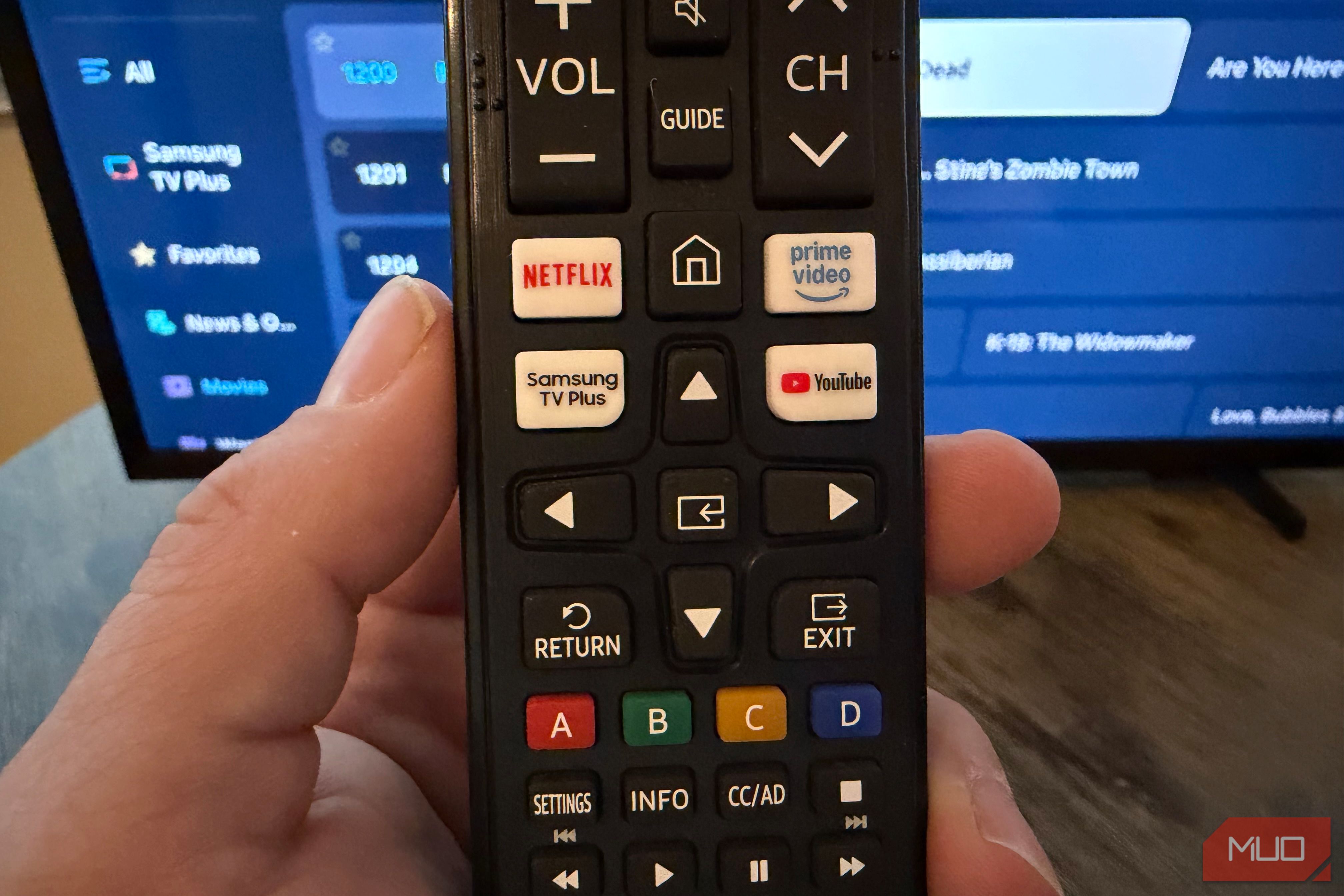
Unlock 650+ Free Channels on Your Samsung TV with One Button
Learn to instantly access over 650 free, ad-supported channels and movies on your Samsung TV with a single button press, requiring no logins or subscriptions.

Blockbuster Launches: Zelda and GTA Signal Industry Shift
Rockstar's Grand Theft Auto VI and Nintendo's new Zelda title are launching in November 2026, marking a significant moment for the gaming industry. These highly anticipated blockbusters are seen as a reprieve in a challenging year, yet also symbolize a bygone era of game development.

WIRED Unveils 2026's Best Space Heaters, Addresses Recall
WIRED's 2026 review identifies the top space heaters for portable warmth, emphasizing safety, efficiency, and quiet operation. The Dreo Whole Room Heater 714 earns the "best overall" title, though the review also flags a critical recall for a similar Dreo model, highlighting the importance of consumer vigilance.