
How to Choose the Best Smart Speaker in 2026 - Find Your Perfect Match
This guide helps you choose the best smart speaker in 2026 by evaluating your ecosystem, prioritizing features, and reviewing top Amazon, Google, Apple, and portable options. Learn to pick a device that integrates seamlessly and enhances your smart home.

Smart speakers have become an indispensable part of modern homes, serving as your personal DJ, an ever-ready assistant, and the central hub for your smart home devices. With new options arriving regularly, picking the right one in 2026 can feel overwhelming. This guide will walk you through the key considerations and highlight the top contenders, helping you confidently select the smart speaker that best fits your lifestyle and existing tech.
By the end of this guide, you'll understand what makes each leading smart speaker unique and be equipped to make an informed decision, ensuring seamless integration into your home and daily routines.
What to Consider Before You Buy
Before diving into specific recommendations, it's crucial to assess your personal needs and current technology ecosystem. Your ideal smart speaker choice will largely depend on these factors:
- Your Existing Smart Home Ecosystem: Are you primarily an Amazon Alexa user, deeply integrated with Google Home, or an Apple aficionado with iPhones and Macs? Your current platform will significantly influence which speaker offers the most seamless experience.
- Desired Features: Do you prioritize top-tier sound quality, advanced AI capabilities, robust smart home hub functionality, or portability?
- Budget: Smart speakers range widely in price, from mid-range options to premium portable devices. Determine how much you're willing to spend.
- Usage Scenario: Will the speaker stay in one spot, or do you need a portable option for indoor and outdoor use?
Step-by-Step Guide to Choosing Your Smart Speaker
Step 1: Identify Your Primary Smart Home Platform
The most critical decision is often dictated by the devices and services you already use. While many smart speakers offer broad compatibility, they excel when paired with their native ecosystem.
Step 2: Prioritize Features and Functionality
Think about what you'll use your smart speaker for most often. Is it primarily for music, controlling smart lights, setting reminders, or something else?
Step 3: Explore Our Top Picks Based on Your Profile
We've broken down the best smart speakers of 2026 to help you find your perfect match, taking into account different user needs and preferences.
For Most People (The Flexible All-Rounder): Amazon Echo Dot Max
If you're looking for a smart speaker that works well with virtually any setup, regardless of your smartphone brand or streaming services, the Amazon Echo Dot Max is an excellent choice. It hits a sweet spot between features and affordability, making it highly accessible.
- Key Features: It comes with Alexa and the advanced Alexa+ AI assistant. Connectivity is robust, featuring Wi-Fi 6E, Bluetooth 5.3, and LE Audio. It also acts as a versatile smart home hub, supporting Matter, Thread, and Zigbee, along with built-in sensors for temperature, ultrasonic, Wi-Fi radar, and ambient light. This broad compatibility means it will integrate smoothly with diverse devices and services.
- Sound Quality: According to PCMag, it's capable of filling a moderately sized room with sound, offering a nicely balanced audio profile suitable for casual listening. While it may not provide the directional audio or intense bass of more premium models, it delivers solid performance for its class.
- Price: Positioned as a middle-ground option, it offers significant value without being Amazon's most expensive or cheapest device.
For Dedicated Google Users (The Gemini Powerhouse): Google Home
For those fully invested in the Google ecosystem, the refreshed Google Home speaker is the top contender. Sporting a modern design, it leverages Google's latest AI advancements.
- Key Features: This 2026 model is built around Gemini, Google's advanced AI assistant. It allows for complex, contextual voice commands, the ability to chain multiple requests, and make corrections on the fly. Gemini learns from your habits, enabling highly personalized interactions, such as answering weather questions for your favorite sports team if you've previously indicated your preference. It seamlessly integrates with Google Home smart devices, offering easy setup and advanced features through the Google Home app, especially for Google Home Premium subscribers who can use Gemini to review camera footage.
- Sound Quality: Despite its smaller 58mm internal driver, reviews highlight its impressive audio quality, with improved bass and overall sound compared to previous Nest Mini models. CNET even praises it as having the "best audio for a $100 speaker," making it appealing even beyond Google loyalists.
- Price: At $99.99, it offers exceptional audio quality and smart features for its price point.
For Committed Apple Users (The Siri Specialist): HomePod mini
If your digital life revolves around Apple products—iPhone, Mac, Apple TV, Apple Music—then the HomePod mini is your essential smart speaker. It’s the only speaker in its class (aside from the pricier Denon Home 150) to offer native Siri integration.
- Key Features: The HomePod mini integrates deeply with the Apple ecosystem. You can use Siri to manage your Reminders grocery list, send iMessages, locate items with Find My, and control HomeKit devices through the Home app. It can differentiate between up to six family members' voices, offering personalized responses. For multi-room audio, you can link multiple HomePod minis, even using an intercom function. It's perfectly designed for Apple Music, allowing you to transfer playback from your iPhone by simply holding it near the speaker.
- Sound Quality: Apple's "computational audio" delivers surprisingly rich and clear sound for its compact size. It achieves impressive loudness with excellent separation of high and mid frequencies, complemented by satisfying bass. While not the cheapest mini speaker, it's Apple's most affordable smart speaker option.
- Price: Available at $169.99, it's a more accessible entry point into Apple's premium audio experience compared to the flagship HomePod.
For Those Needing Portability (The Adventurous Audiophile): Sonos Move 2
Most smart speakers are stationary, but the Sonos Move 2 is engineered for life on the go. If you need high-quality smart audio that can travel, this is your best bet.
- Key Features: This battery-powered speaker boasts an IP56 rating, making it resistant to dust and water—perfect for outdoor use at the beach, park, or by the pool. It supports Sonos Voice Control and Amazon Alexa, offering voice assistant flexibility. Connectivity includes Wi-Fi 6 and Apple AirPlay 2, though its Bluetooth 5.0 version is a bit older.
- Sound Quality: As expected from Sonos, the Move 2 delivers exceptional sound. PCMag notes its powerful stereo sound, featuring a pleasing blend of sculpted lows and highs. Dual left- and right-channel tweeters contribute to its immersive stereo audio, and it maintains full, deep bass even at moderate volumes.
- Price: This is the most expensive speaker on our list at $496.12. Its premium price reflects its robust build, portability, and high-fidelity sound.
Best Practices for Integrating Your Smart Speaker
- Start Simple: Don't feel pressured to buy multiple devices at once. Begin with one speaker and expand your smart home setup as you become more familiar.
- Consider Future Expansion: Even if you start with one platform, think about potential future devices you might want to add. Choosing a broadly compatible speaker like the Echo Dot Max can offer flexibility.
- Privacy Settings: All smart speakers collect data to improve their services. Review and adjust your privacy settings to your comfort level.
FAQ
Q: Can I mix different brands of smart speakers in one home, or should I stick to one ecosystem?
A: While you can technically have different brands, sticking to one ecosystem (Amazon, Google, or Apple) generally provides the most seamless and integrated experience for voice commands, multi-room audio, and smart home control. However, for specific use cases like a portable Sonos speaker alongside an Echo Dot, mixing can work if the unique features of the secondary speaker justify the potential for slight integration hurdles.
Q: Is it worth paying for premium AI features like Google's Gemini subscription or Amazon's Alexa+?
A: It depends on how deeply you plan to use your smart assistant. If you primarily use it for basic tasks like setting timers or playing music, the standard features are usually sufficient. However, if you desire more complex, contextual interactions, advanced smart home automation, or AI-driven insights (like reviewing camera footage), the subscription can significantly enhance your experience and is likely worth the investment.
Q: How important is sound quality in a smart speaker versus smart features?
A: This is a personal preference. If your primary use is background music or listening to podcasts, good-enough sound quality from a mid-range speaker might suffice. If you're an audiophile, frequently host gatherings, or plan to use the speaker as a primary music system, investing in a speaker known for superior audio (like the Google Home or Sonos Move 2) will greatly enhance your listening experience. Many speakers now offer a balance, so you don't always have to compromise completely.
Next Steps
Once you've chosen your ideal smart speaker, set it up according to the manufacturer's instructions. Begin by connecting it to your Wi-Fi, linking your preferred music services, and integrating any existing smart home devices. You might then explore expanding your smart home with compatible lighting, thermostats, or security cameras, all controllable through your new smart speaker.
Related articles
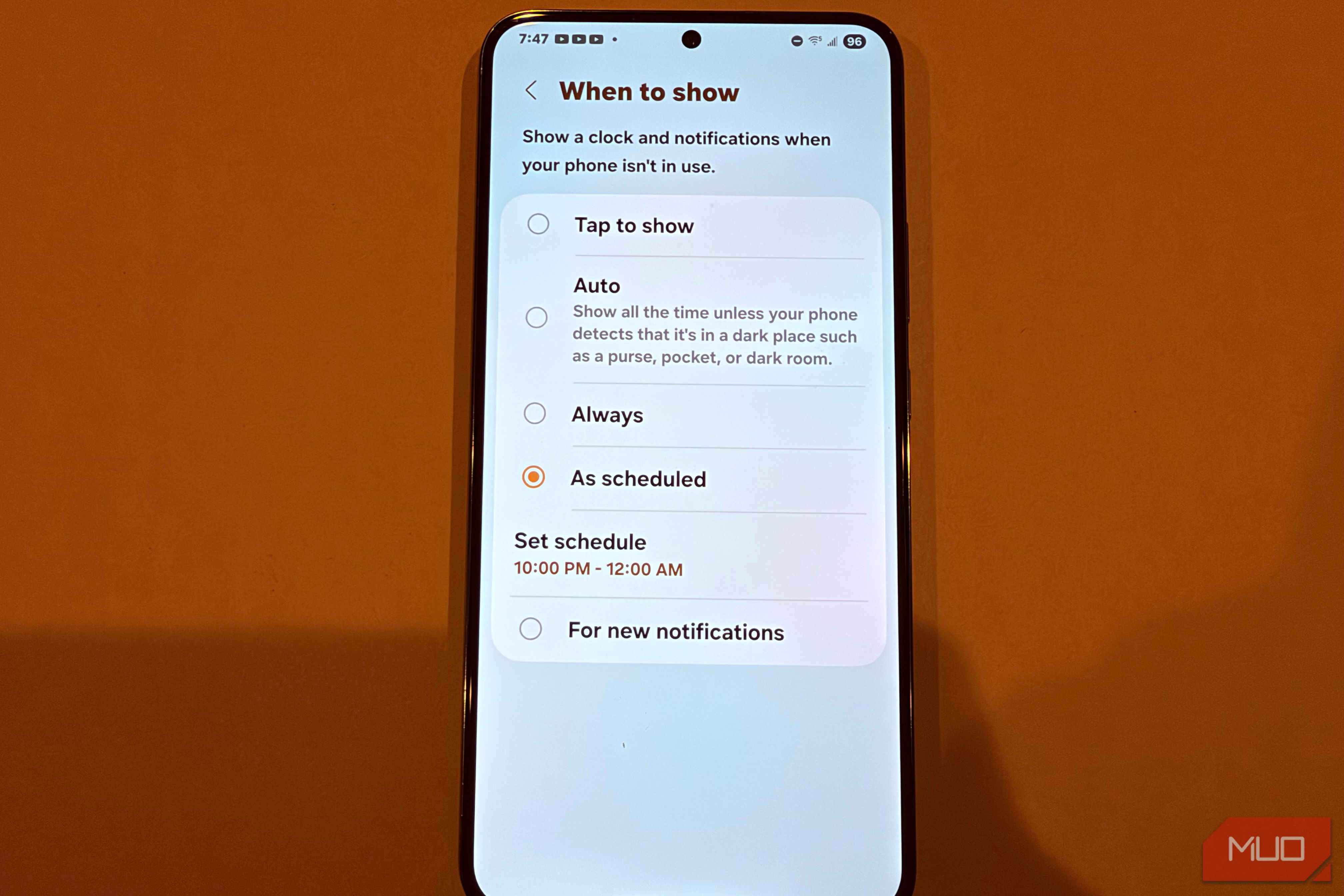
Your Galaxy's Always-On Display Draining Battery? Schedule a Hidden
Reclaim Your Battery: Schedule Your Galaxy's Always-On Display Your Samsung Galaxy's Always-On Display (AOD) is a handy feature, showing you the time and notifications at a glance. However, keeping it active all day can
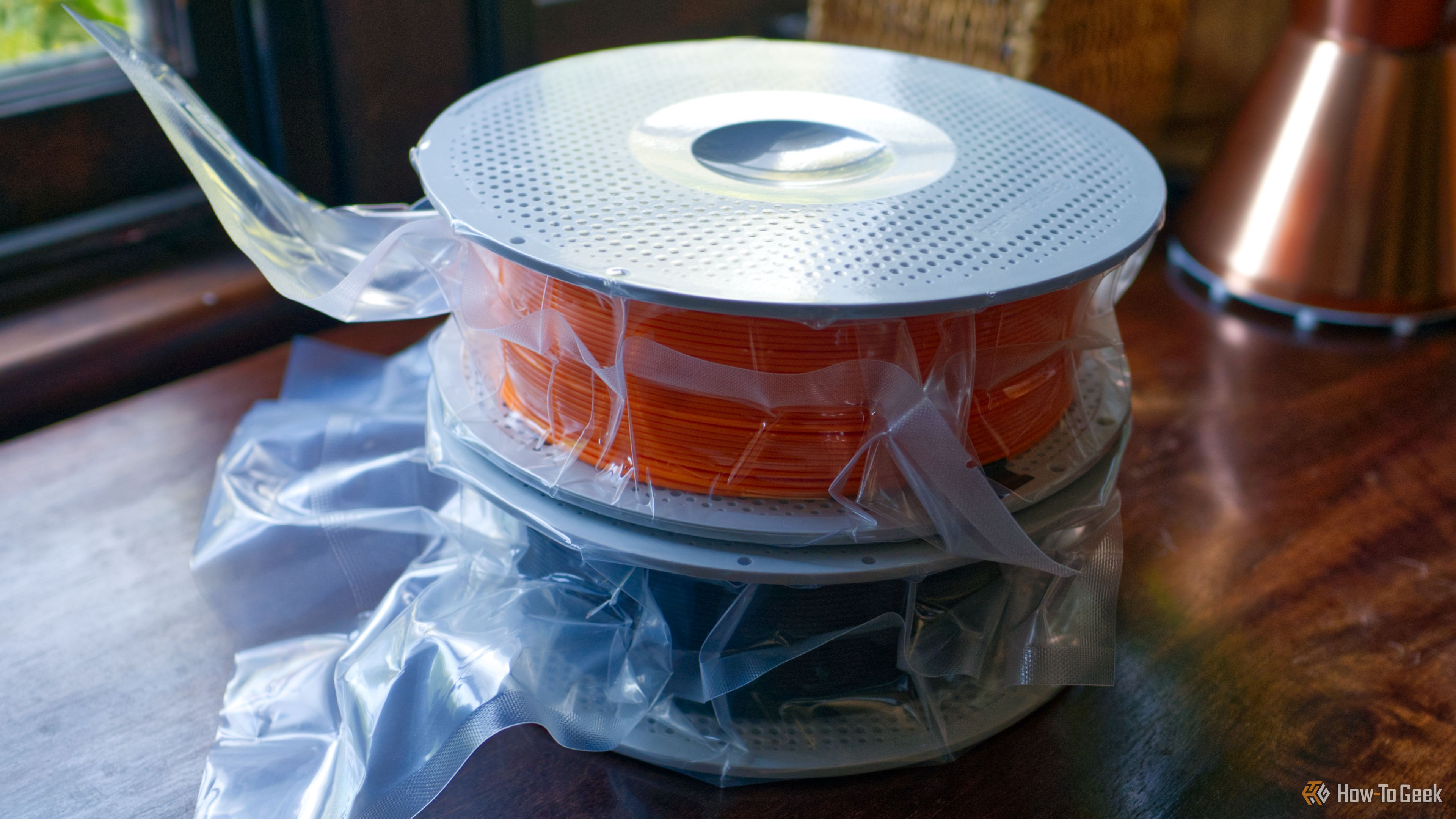
Turn Filament Packaging into Free 3D Printer Upgrades
Repurpose empty filament spools, boxes, and silica packets into free 3D printer upgrades and storage solutions in a few simple steps. Organize your workshop and protect your filament.
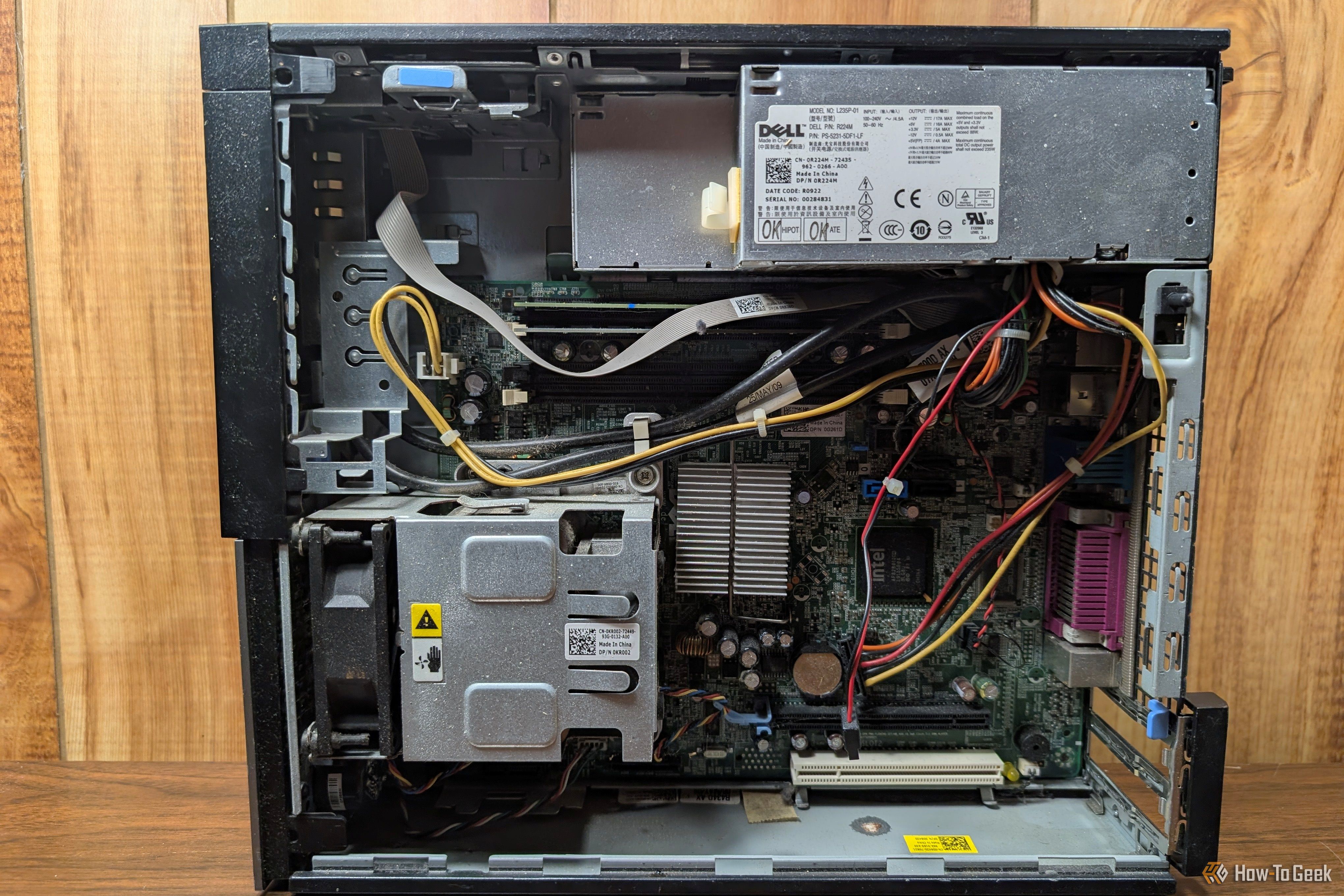
Turn Your Old PC into a Homelab: 6 Beginner Self-Hosting Projects
Breathe New Life into Your Old PC with Self-Hosting Don't let that dusty old laptop or desktop gather cobwebs! While it might not keep up with today's demanding software, an older PC often has more than enough power to

September Pixel Drop: Small Update, Big Convenience
Google's September 2026 Pixel Drop brings enhanced one-tap calling/messaging via VIPs widget and expanded on-device scam protection for text messages, making communication safer and faster for Pixel 6 and newer users.

in-depth: ZuckOff Is a Free App That Sees Meta Glasses Before They
A new free app, ZuckOff, is gaining popularity for its ability to detect Meta smart glasses using Bluetooth, offering a tool for personal privacy against unsolicited filming. Developed by Pawel Szydlowski, it alerts users to the presence of devices like Ray-Ban Meta and Snap Spectacles, addressing growing concerns over covert recording. This innovation provides a partial solution amidst calls for stronger legislative and technological safeguards.
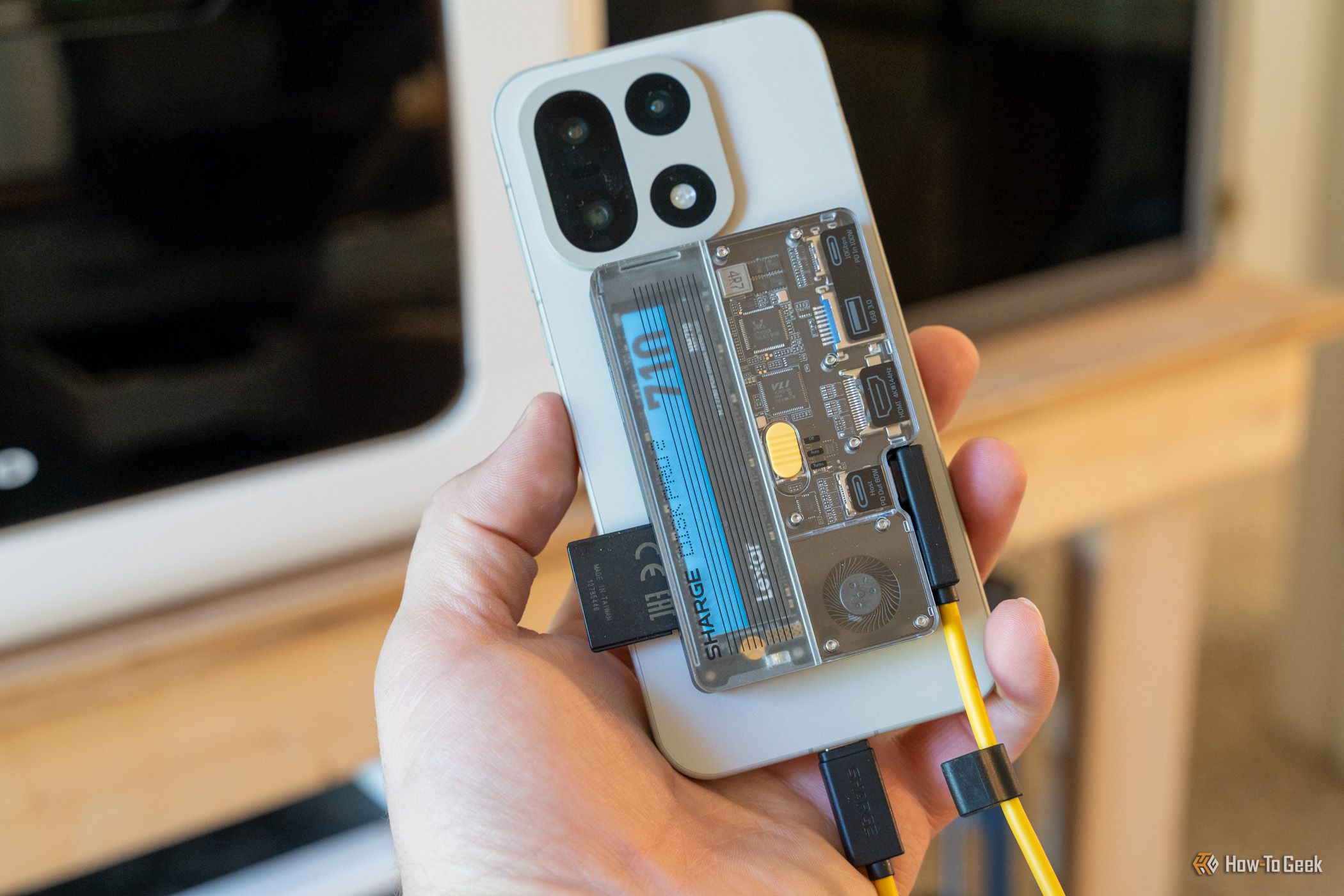
Maximize Your Sharge Disk Pro 2: Setup, Storage & Hub Features
Learn how to set up, install an SSD, and utilize all features of your Sharge Disk Pro 2, including its HDMI output, card readers, and power delivery, in this comprehensive guide.