
Funding Your Dream Game in 2026: The New Playbook
Securing investment for your video game in 2026 is challenging but achievable. Experts advise diverse funding sources, tailoring pitches to investor types (publishers, VCs, venture debt), focusing on team and realistic projections. Wishlists are still important, but require robust community engagement to prove traction.

Kicking off 2026, the game dev landscape feels like a boss fight. Layoffs, market shifts, and caution mean securing investment is tough – it's an art. But money is still out there! We tuned into a GamesIndustry.biz panel with Lirui Ding (Transcend Fund), Nick Cavander (Creative UK), and Cassia Curran (Curran Games Agency). They shared where to find cash, what investors want, and how to pitch. Buckle up; it's time to get funded.
Beyond the Publisher: Creative Funding Paths
The days of solely relying on big publishers might be shifting. Experts confirmed cash is flowing, but not always in obvious places. Lirui Ding suggests a "mix and match" approach: Kickstarter, government grants (like UK's BFI Global Screen Fund and Games Content Fund), angel investors, or high-net-worth groups. Nick Cavander highlighted Barclays’ Eagle Labs as a great networking hub. Many developers are trying to self-publish to avoid less-than-ideal publisher terms.
Cassia Curran noted Venture Capital (VC) firms are pivoting from equity funding to project finance, a better fit as big studio acquisitions slow. Look to peers, too! Successful indie devs like Outersloth (Among Us fame) and Evil Landfall now fund others. The indie scene's camaraderie is real – don't hesitate to reach out.
Show Me the Money (and the Plan): What Investors Really Want
What do investors want? It varies. Publishers, Curran explained, are more genre-specific, not just chasing trends. Incremental idle games and tidy-up titles are hot, but don't blindly follow. Publishers increasingly prefer games with existing traction or a player base, making it harder for new indies amidst thousands of pitches.
For VCs seeking equity, Ding is clear: they need a 10x return in 7-10 years. Pitch your studio for quick returns, not just a game. A 15-year franchise plan is a hard pass; demonstrate a clear, sooner recouping mechanism.
Creative UK's Nick Cavander, offering venture debt, prioritizes business solvency. Beyond that, the team is paramount. "We're looking at the people to get confidence," he said. Crucially, be realistic with forecasts. Ditch "we'll take over the world" for conservative, practical projections to boost credibility.
Crafting Your Pitch: Team, Traction, and Tactical Marketing
Pitch content shifts based on your target. For early equity investment, Ding says it’s all about the team and the idea. Don't expect huge sums, but a solid team and concept open doors. For project financing, which is growing, Curran advises a deep dive into your go-to-market strategy: platforms, pricing, and how you’ll market the game. Prove your experience to sell it.
Publisher pitches differ: consider target platforms, but don't include a full marketing strategy – they handle that. Universally vital for later-stage pitches? A top-tier vertical slice or demo. Publishers and project financiers also demand player traction: Steam wishlists, Discord communities, YouTube followers, and playtime. Investors might even want geographical breakdowns of wishlists and how numbers spiked from viral content.
Wishlists: The Double-Edged Sword
The Steam wishlist – once a holy grail, now viewed with more skepticism. Cassia Curran cautions they can be inflated and don't always convert directly to sales. "There's definitely been cases where the developer has done a campaign to get wishlists from just anywhere, and there's a mistaken belief where this will actually convert to purchases," she explained.
Lirui Ding agreed, emphasizing raw wishlist numbers aren't enough. Pair them with other indicators of an "active, passionate player community" – Steam followers, strong Discord engagement, or a successful Kickstarter where people have already paid for your unreleased game. While some top publishers use a hard cut-off (top 100 wishlists), many indie publishers are flexible, understanding community engagement beyond a single number.
Verdict: The Future is Flexible
Getting funded in 2026 is a multi-path RPG quest, not a straight line. The panel's key takeaway: adaptability. Explore diverse funding, understand what each investor wants (team, quick returns, market strategy), and be realistic yet confident. Money is out there for compelling projects and capable teams, but requires diligent work to find and present your case. Good luck, devs – your next adventure awaits!
FAQ
Q: Is traditional publisher funding dead in 2026?
A: Not dead, but evolving. Many developers try to avoid publishers due to less favorable terms, and publishers are highly selective, often preferring games with existing market traction. A "mix and match" approach with other funding sources is common.
Q: What's the biggest mistake developers make when pitching to VCs?
A: According to Lirui Ding, pitching a project with a very long return timeline (e.g., a franchise where the big hit is 15 years out) is a turn-off for VCs who typically need a 10x return within 7-10 years. Focus on quicker recouping mechanisms and overall studio potential.
Q: Are Steam wishlists still important for getting investment?
A: Yes, but their significance is nuanced. While top publishers might use them as a gatekeeper, investors increasingly want to see wishlists paired with other strong indicators like active community engagement (Discord, YouTube followers), playtime metrics, or successful Kickstarter campaigns, proving a genuine, passionate player base.
Related articles
Get the Honeywell Smart Color Thermostat for $80 and Start Saving on
Learn to get and install the Honeywell Home Wi-Fi Smart Color Thermostat for just $80, a 55% saving, and start reducing your utility bills by leveraging its Energy Star certified features and smart home integration.

Jensen Huang Resigns as Nvidia CEO Amid Alleged Spy Affair
Nvidia CEO Jensen Huang has resigned following reports of two affairs, including one with a woman suspected of being a Chinese spy. The departure on Thursday, November 12, 2026, led to a 4 percent drop in Nvidia's stock, with CFO Colette Kress stepping in as interim CEO. The event follows a period of scrutiny and public criticism, raising national security concerns.

Gemini Memory Summary: Essential User Control
Google Gemini, like many advanced AI systems, aims to personalize your interactions by remembering details about you. While this can enhance your experience, it also brings up natural privacy concerns regarding what
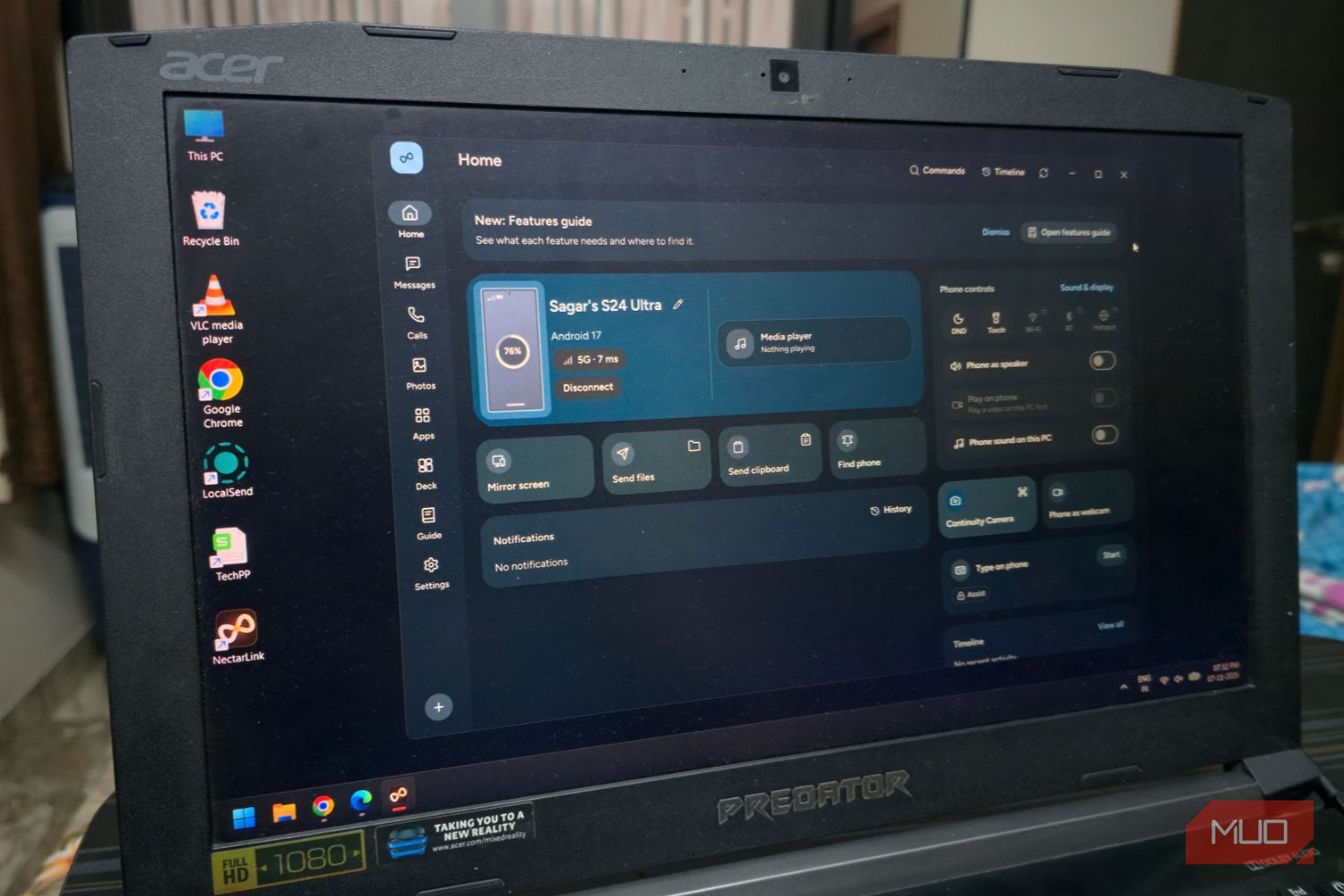
Seamlessly Connect Your Android to Windows with NectarLink
Learn to connect your Android phone to Windows using NectarLink, a free, open-source hub, in a few simple steps. Get notifications, sync files, mirror screens, and control your phone securely without cloud accounts.

Gone Too Soon: Remembering 7 Live-Service Games We Loved and Lost
Dive into the bittersweet world of live-service games that were shut down too soon. This ranked list remembers 7 titles, from *Mobius Final Fantasy* to *Gotham City Impostors*, that had immense potential but were ultimately killed before their time due to various factors like monetization, shifting priorities, or bad infrastructure.
Humble Bundle's "Vibe-Coded" Revamp: Security Stripped, Trust Shaken
Humble Bundle's recent redesign, described as 'vibe-coded,' has introduced critical security flaws, including the removal of two-factor authentication and inadequate password/email change verification. Users are also facing significant quality-of-life regressions like poor library sorting and forced frequent logins. Gamers are advised to remove payment info until issues are resolved.