
FCC Chair Carr: Broadcast License Threat Not Tied to Iran War Coverage
FCC Chair Brendan Carr clarified that his recent warning about broadcast license renewals, widely seen as a threat over Iran war coverage, was actually aimed at "hoaxes and news distortions." He emphasized the FCC's role in ensuring broadcasters operate in the public interest, not in censoring specific news content. Carr also touched on tech platform regulation and other FCC actions.

Federal Communications Commission (FCC) Chair Brendan Carr has clarified that his recent public warning about broadcast license renewals, widely interpreted as a threat regarding coverage of the war in Iran, was not specifically aimed at war reporting. Speaking to reporters after an event hosted by FGS and Semafor, Carr stated his comments were focused on "hoaxes and news distortions" rather than any particular news content.
On March 14th, Carr posted on X (formerly Twitter), quote-tweeting a screenshot of a Truth Social post by former President Donald Trump. Trump's original post had lamented an "intentionally misleading headline" concerning US military actions in the Middle East. In response, Carr tweeted, "Broadcasters that are running hoaxes and news distortions - also known as the fake news - have a chance now to correct course before their license renewals come up." He added that "The law is clear. Broadcasters must operate in the public interest, and they will lose their licenses if they do not." These remarks were widely reported across media outlets as a direct threat against negative or critical coverage of the conflict.
Carr acknowledged the public perception, stating, "I understand why people say that." However, he insisted, "My comments weren’t actually on the Iran war... I made a statement quoting a tweet." He further elaborated that the only instances where the FCC considers pulling broadcast licenses are for "operators that aren’t operating in the public interest, that are doing broadcast hoax, news distortion."
Carr emphasized his message: "As long as you’re not doing that, you can cover anything any way you want." This clarification aims to distinguish between alleged disinformation and legitimate news reporting, which he asserts the FCC does not seek to regulate.
This isn't the first time Carr's comments have drawn attention regarding broadcast licenses. He previously warned broadcasters about airing late-night comedian Jimmy Kimmel, a situation that led Disney to briefly remove Kimmel from air. Carr has consistently defended those past remarks, denying they constituted a threat.
During the recent event, he reiterated his current stance on license revocations. "You never know, but I don’t have plans," Carr said, regarding any immediate actions to pull licenses, adding humorously, "Maybe we will, maybe we won’t, as the big guy would say."
Carr's Broader Regulatory Philosophy
Beyond broadcast issues, Carr touched on other facets of his regulatory philosophy. He expressed confidence in the FCC's recent decision to ban routers made outside the US, believing it faces "no significant litigation risk," even after a Supreme Court ruling reduced judicial deference to agency expertise. Carr also noted a positive shift in major tech platforms like X and Meta, whose policy changes he views as more equitable.
He suggested that such "course correction in the market has resulted in a decrease in a lot of the sort of calls for regulatory intervention." Carr also clarified his approach to discussing free speech in the context of different platforms. He explained he has "sort of stopped talking about free speech" concerning tech platforms while chair, suggesting that "people get confused" between the "apples and oranges" issues of internet platforms’ policies and the strictly regulated licenses of broadcasters.
FCC's Recent Actions and Future Outlook
He maintains that regulation for tech platforms is not content-based but rather arises "when you have market power, or when you abuse that market power in a way that stifles individual liberty." The FCC, under Carr’s leadership, has also been active in other significant areas. The agency recently approved a controversial merger between Nexstar and Tegna.
This approval will allow the combined entity to reach an estimated 80 percent of US TV households, significantly exceeding the long-standing 39 percent national ownership limit that previously governed such consolidations. When asked about accusations of weaponizing his office, a charge he has leveled against Democrats, Carr responded with a commitment to neutrality: "Why don’t we just apply the law in a neutral, even-handed way? Which is what I think that we’re doing here."
Carr's recent clarifications underscore his consistent position that the FCC's role in broadcast licensing is to ensure operations "in the public interest" by preventing "hoaxes and news distortions," rather than censoring specific viewpoints or news coverage. His remarks aim to reframe public perception of the FCC's enforcement priorities, distinguishing between broadcast media, which operates under federal licenses, and internet platforms, which he views through a lens of market power and conduct.
FAQ
Q: What was the specific tweet by Brendan Carr that caused controversy?
A: On March 14th, Carr quote-tweeted a Truth Social post from Donald Trump that complained about a "misleading headline" on US military action. Carr's tweet warned broadcasters against "hoaxes and news distortions" and reminded them they could lose licenses if they didn't operate in the public interest.
Q: Why was Carr's statement widely interpreted as a threat over Iran war coverage?
A: His tweet directly followed and quoted a post from Donald Trump that specifically mentioned a "misleading headline" related to US military action in the Middle East. This proximity led many to believe Carr's warning about license renewals was directly tied to reporting on that specific conflict.
Q: How does Carr distinguish between regulating broadcasters and tech platforms?
A: Carr states that broadcast licenses are directly regulated by the FCC to ensure operation in the public interest, focusing on preventing "hoaxes." For tech platforms, he views regulation as tied to "market power" and its abuse in a way that stifles individual liberty, not directly on content, calling these "apples and oranges" issues.
Related articles

Apple Unveils iPhone Duo: Pricey Foldable Sees Soaring Demand
Apple has officially entered the foldable smartphone arena with the long-anticipated launch of the iPhone Duo. Priced starting at a hefty $1,999, the device features a 5.4-inch outer display and a larger 7.6-inch inner

in-depth: Chicago-Area Cops Helped HSI Spy on Minnesota Anti-ICE
Chicago-area law enforcement, including local police and HSI agents, conducted undercover surveillance on Minnesota anti-ICE activists at an April 2, 2022, talk in Chicago. This operation was part of a federal conspiracy probe into 15 Minnesota activists facing felony charges related to immigration enforcement resistance. Civil liberties advocates have condemned the surveillance as a troubling intrusion into protected political activity.

Mark Wahlberg on using AI in film ‘the right way’ and being open to
Actor Mark Wahlberg believes AI has a place in filmmaking if used responsibly for enhancement, not script generation or actor replacement. At TechCrunch Disrupt, he expressed openness to an AI likeness carrying on his legacy, managed by his family, and emphasized storytelling.
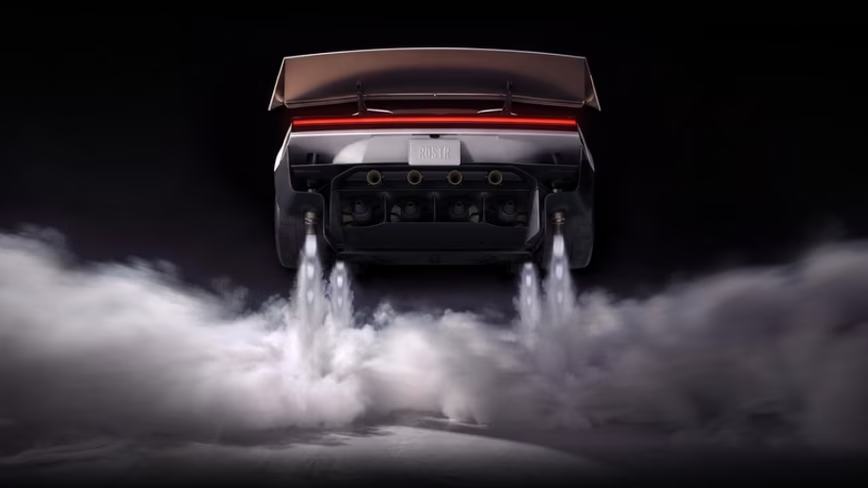
Tesla Unveils Thruster-Equipped Roadster, 2028 Production Targeted
Tesla has unveiled its second-generation Roadster, featuring cold-gas thrusters co-developed with SpaceX, enabling it to jump and flip. The electric sports car demonstrated 0-60mph in an astonishing 0.81 seconds, with production targeted for 2028. This highly anticipated reveal also serves as a key recruitment tool for Tesla's ambitious AI and robotics initiatives.
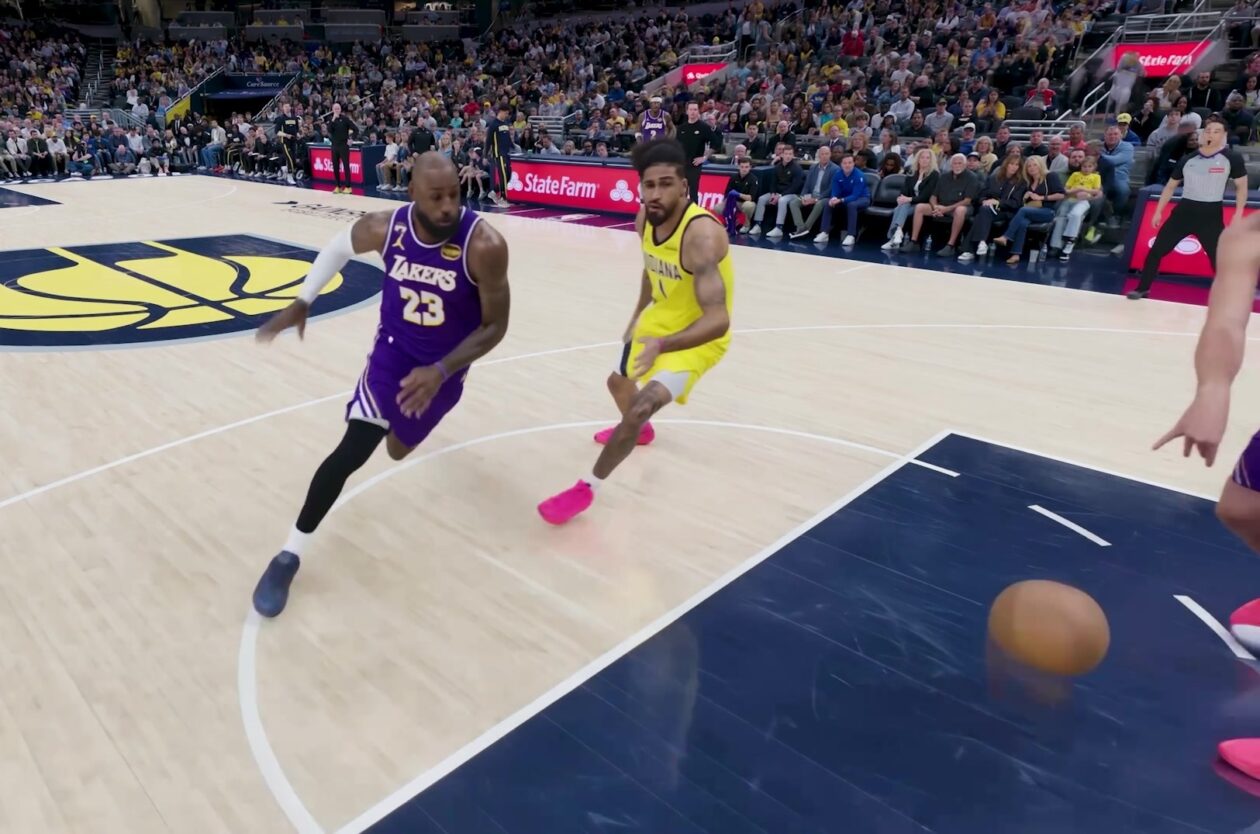
Amazon Prime Video Launches AI-Powered Prime 360 for NBA Coverage
Amazon Prime Video is elevating its NBA coverage with the introduction of Prime 360, an AI-powered replay system offering immersive, 'fly through' views of the action. Kicking off its second season, Prime Video also adds Yahoo fantasy integration and gains exclusive Eastern Conference Finals rights, expanding its tech-driven sports broadcast. The new features aim to deliver a unique and interactive viewing experience for basketball fans.
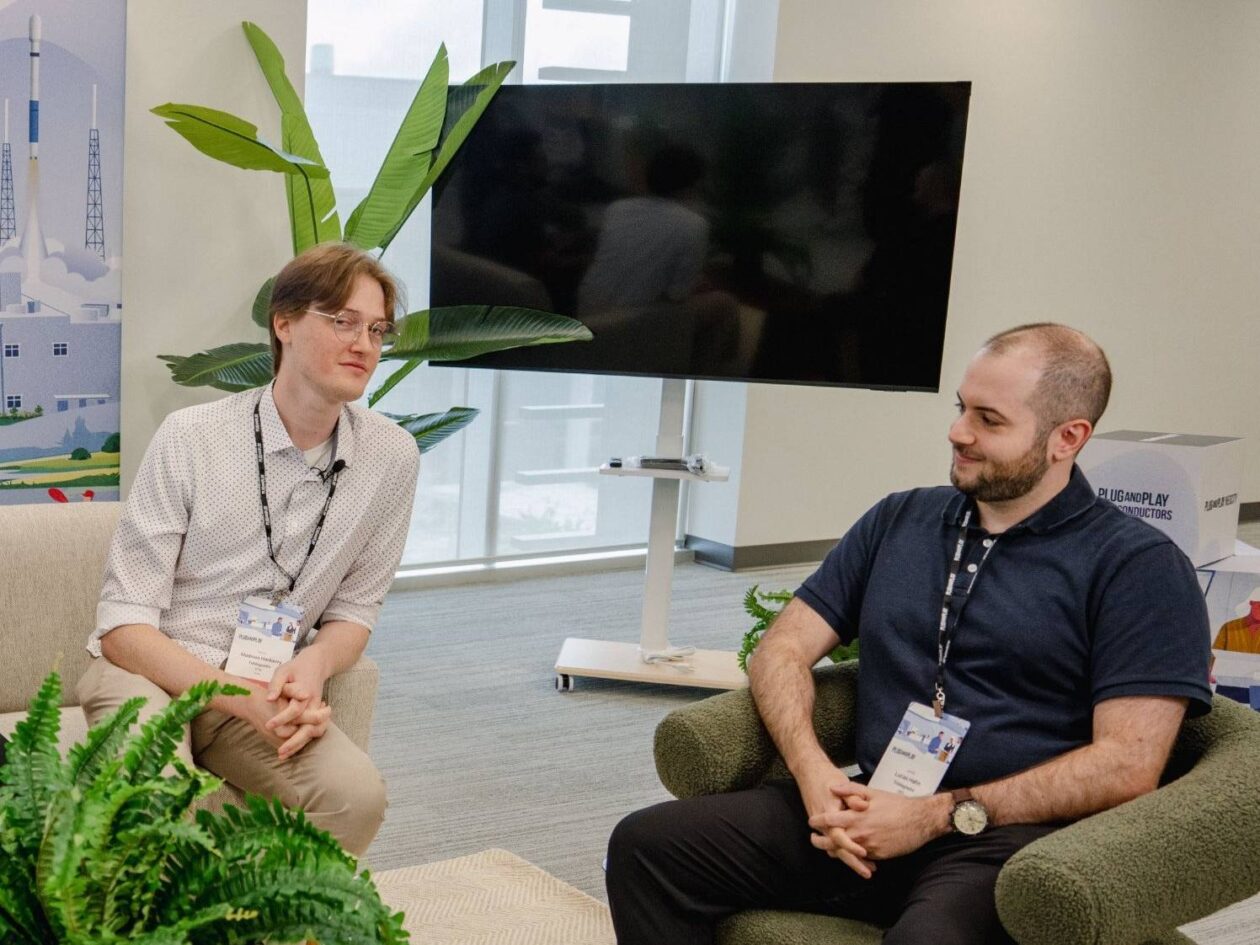
regional: A two-person Seattle startup lands $1M to reinvent
Seattle startup TriMagnetix has secured $1 million to develop semiconductor chips that consume 800 times less energy and are radiation-resistant. The two-person company, leveraging nanomagnetic technology, is targeting space applications and data centers. With new funding and key partnerships, TriMagnetix aims for commercial sales within a year.