
Fabien Sanglard's 'Jurassic Park' Computer Analysis: A Nostalgic Deep
Verdict Fabien Sanglard's meticulous investigation into the '90s computer hardware and software featured in Jurassic Park delivers an unmissable dose of nostalgia and fascinating technical insight for film buffs, retro
Verdict
Fabien Sanglard's meticulous investigation into the '90s computer hardware and software featured in Jurassic Park delivers an unmissable dose of nostalgia and fascinating technical insight for film buffs, retro tech enthusiasts, and anyone curious about the cinematic tech of yesteryear. While not presenting entirely new revelations, its true value lies in consolidating years of scattered discussions into a single, highly readable, and detailed resource. It's a brilliant deep dive that earns a strong recommendation for its thoroughness and accessibility.
Overview: Unearthing Isla Nublar's Digital Secrets
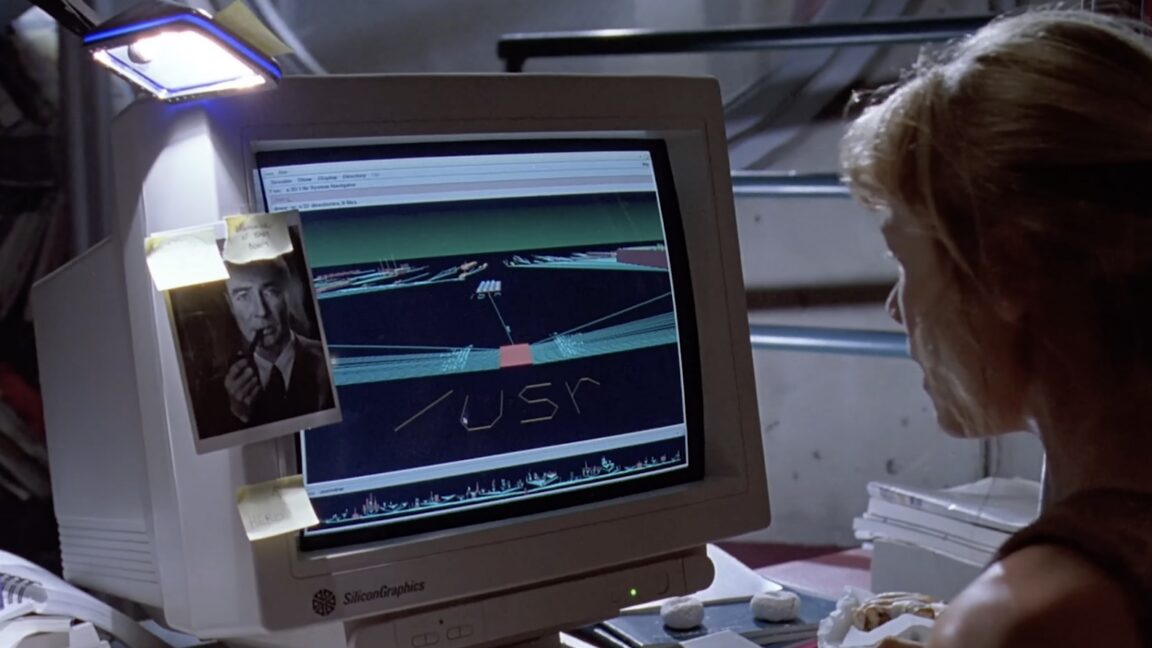
For decades, Jurassic Park has captivated audiences, not just with its groundbreaking special effects and thrilling storyline, but also with its memorable (and often meme-worthy) depiction of 1990s computing. The infamous "This is a Unix system, I know this!" line, uttered in front of a quirky 3D file manager, has been a cornerstone of tech culture humor. Now, Google software engineer Fabien Sanglard has undertaken a dedicated hobbyist investigation, chronicled in a blog post, to identify and explain every discernible '90s computer artifact appearing in the film. This analysis, highlighted by Ars Technica, serves as a comprehensive archive of the movie's digital backbone.
Sanglard's work systematically scans the film, pinpointing specific pieces of hardware and software. Beyond mere identification, he enriches the findings with crucial context, delving into the specifications, approximate costs at the time, and the backstory of how these particular machines ended up on set. This deep dive reveals the surprising attention to detail by the film's production team, a characteristic perhaps inherited from writer Michael Crichton’s own background in computing and his penchant for thoroughness in his source material.
Key Details and Specifications Revealed
The breadth of Sanglard's research is impressive, detailing numerous pieces of hardware and critical software components that contributed to Jurassic Park's technological landscape. Among the most notable identifications are:
- Thinking Machines CM-5 Systems: Sanglard notes the presence of five of these supercomputers, a formidable and cutting-edge piece of hardware for the era.
- Motorola Envoy PDA: An early personal digital assistant that makes an appearance.
- SGI Workstations: Multiple high-end Silicon Graphics International (SGI) workstations are identified, including an IRIS Crimson and an R4000 Indigo. These were top-tier graphics machines of the time, essential for the film's visual demands.
- Macintosh Quadra 700s: Intriguingly, two of Dennis Nedry’s computers, used by the film's antagonist, were Macintosh Quadra 700s. The Ars Technica article points out the modern irony of this, given Apple's reported policy against its products being used by villains in contemporary film.
Beyond hardware, Sanglard also dissects the software seen on screen. Viewers will recognize the QuickTime video player, alongside instances of characters genuinely interacting with command-line interfaces. Of course, central to the discussion is FSN (File System Navigator), the experimental 3D file system browser that sparked the famous Unix declaration. Sanglard confirms that the system was, indeed, Unix-based.
The investigation is bolstered by historical accounts, including a quote from Jurassic Park special effects coordinator Cory Faucher, who stated in The Making of Jurassic Park that "Everything in the set was real. We couldn’t fake any of it, because audiences are so sophisticated now in their knowledge of computers." Faucher’s statement highlights the substantial investment, with $875,000 worth of computer hardware loaned by Silicon Graphics, $350,000 from Apple, and an additional $500,000 in hardware and software used for both the sets and off-stage control rooms.
User Experience and Readability
While this review focuses on Sanglard's analysis as a 'product,' its 'user experience' translates to the ease and enjoyment of consuming the information. The Ars Technica article describes Sanglard's blog post as a "highly readable analysis," suggesting that the information, despite its technical depth, is presented in an accessible and engaging manner. The consolidation of information, which was previously fragmented across various discussions, is a significant convenience. This makes it an ideal resource for casual fans and dedicated tech historians alike, saving them the effort of scouring disparate sources.
Its recent surge in popularity on platforms like Reddit and Hacker News further attests to its quality and appeal, indicating that the presentation resonates well with a wide audience interested in vintage computing and film trivia. The inclusion of specifications, costs, and historical production anecdotes adds rich layers to the overall reading experience, transforming a simple list of computers into a compelling narrative about a pivotal moment in cinematic and technological history.
Pros and Cons
Pros:
- Comprehensive: Identifies and details virtually every discernible computer and software artifact from the film.
- Highly Readable: Presents complex technical and historical data in an accessible and engaging format.
- Contextual Depth: Provides valuable background on specs, costs, and the meticulous efforts of the film's production team.
- Consolidated Resource: Gathers information that was previously scattered, offering a single, authoritative point of reference.
- Nostalgic Appeal: Resonates strongly with fans of Jurassic Park and '90s computing.
- Bonus Content: Points readers to additional resources, like the Virtual OS Museum, for further exploration.
Cons:
- Not Entirely New Information: The Ars Technica article frankly acknowledges that much of this information has been discussed before. While Sanglard's strength is consolidation, those expecting entirely groundbreaking discoveries might find this a slight drawback.
- Specific Niche: The focus is very specific to Jurassic Park, which isn't a flaw but limits its appeal to those outside this particular interest.
Comparison to Alternatives
Before Sanglard's analysis, the 'alternative' for enthusiasts was a fragmented landscape of online forums, fan wikis, and historical discussions that had been ongoing for years. While passionate communities have long debated the film's tech, there wasn't a single, readily available, and "highly readable analysis" that brought all these details together in one place. Sanglard's work effectively fills this void, acting as the definitive consolidated resource. It's not a comparison against competing 'products' but rather against the inconvenience of dispersed information.
Moreover, the analysis adds value by citing direct production insights, such as Cory Faucher's quote on the reality and cost of the on-set equipment. This level of detail, combined with the convenience of a single source, clearly distinguishes Sanglard's investigation as superior to previous, less organized discussions.
Recommendation
For anyone with an affinity for Jurassic Park, a passion for vintage computing, or simply an interest in the practical magic behind filmmaking, Fabien Sanglard's investigation is an absolute must-read. It offers a captivating journey back to the early 1990s, showcasing the incredible technology that both inspired and was used to create one of cinema's most iconic films. Despite the caveat that some details might not be entirely novel, the sheer depth, meticulous organization, and engaging presentation make it an invaluable resource. Its ability to spark curiosity and provide actionable paths for further exploration (like the Virtual OS Museum) cements its position as a highly recommended piece of tech history analysis. Go read it – it’s a trip down memory lane you won’t regret.
FAQ
Q: Is this information entirely new to the public?
A: While the Ars Technica article notes that discussions about Jurassic Park's technology have been ongoing for years, Fabien Sanglard's analysis excels at consolidating this information into a single, highly readable, and detailed resource, which was previously unavailable in such a cohesive format.
Q: What types of computers are identified in the analysis?
A: The analysis identifies a range of '90s hardware, including Thinking Machines CM-5 supercomputers, Motorola Envoy PDAs, high-end SGI workstations (IRIS Crimson, R4000 Indigo), and Apple Macintosh Quadra 700s. It also discusses software like QuickTime and the FSN 3D file system browser.
Q: Can I try out any of the software seen in the film?
A: Yes, the Ars Technica article mentions computer historian Andrew Warkentin's "Virtual OS Museum," a 174GB collection that includes some of the software featured in Jurassic Park, such as the FSN file explorer, allowing enthusiasts to experiment with it.
Related articles
Android 17 QPR2 Beta 7.1: The Performance Relief You've Been Waiting
Android 17 QPR2 Beta 7.1: Finally Fixing the QPR1 Performance Woes Verdict: Android 17 QPR2 Beta 7.1 is a crucial and highly anticipated software update for Google Pixel users, specifically targeting and resolving the

DJI Solo Video Setups: Smart Choices for Lone Creators
This review delves into DJI's recommended solo video setups, highlighting the Osmo Pocket 3 Creator Combo as a top pick for its integrated camera, gimbal, and mic. It also covers stabilizers like the Osmo Mobile 8 and RS 4, and the DJI Mic Mini series for enhanced audio, providing honest pros, cons, and clear buying advice.

Ars Technica's Rocket Report: Your Essential Space Industry Briefing
Quick Verdict Ars Technica's Rocket Report, presented by veteran space reporter Stephen Clark, offers an invaluable and meticulously organized weekly (or similar frequency, implied by "Edition 9.15") digest of the most

Apple iPhone Duo: A Daring Debut with Notable Compromises
Apple's highly anticipated iPhone Duo, priced at $2,000, has gone on pre-order. While hailed as "Apple's most exciting device in a decade" for its innovative foldable design and immersive display, it comes with significant drawbacks like the absence of FaceID and a premium camera.
KDE Plasma 6.8: A Future-Focused 30th Anniversary Update
Quick Verdict KDE Plasma 6.8, arriving as the "30th Anniversary Edition," is a pivotal release that decisively pushes the desktop environment into the future. With a definitive farewell to native X11 sessions and a
Galaxy Watch One UI 9 Beta: Promising Progress, But Patience Needed
Galaxy Watch 8, Watch Ultra, and Watch 7 are receiving a new One UI 9 Watch beta build with bug fixes and a security patch. Active development signals progress, but a stable release date remains elusive.