
Europe's Top Funding Rounds (March 23-29): Over $1.1B Fuels Deep
Europe's tech sector saw over $1.1 billion in funding and fund closes from March 23-29, with significant investments flowing into deep tech, AI infrastructure, and a diverse range of sectors including biotech, space, and defense. This highlights a strategic continental focus on foundational innovations and long-term technological advancements.
Europe's tech ecosystem demonstrated robust activity from March 23 to 29, with startups and venture funds collectively raising over $1.1 billion. Investments heavily favored deep tech and AI infrastructure, highlighting a strategic continental focus on foundational innovations across semiconductors, space, defense, biotech, and sustainable materials. This trend underscores growing confidence in backing complex, long-term technological advancements.
Deep Tech and Core Infrastructure Drive Major Investments
Foundational technologies attracted the week's largest capital injections. Swiss semiconductor firm Kandou AI secured a $225 million Series A for its copper interconnect technology, poised to enhance AI infrastructure performance. Norway's Lace Lithography raised $40 million from Atomico and Microsoft's M12 for its groundbreaking helium atom beam chip-patterning technology, aiming for significantly smaller features.
In space technology, Switzerland's PAVE Space closed a $40 million seed round to develop orbital transfer vehicles, accelerating satellite deployment. Spain's Arkadia Space added €14.5 million for its non-toxic hydrogen peroxide propulsion systems. Sweden's PaperShell received a €40.3 million EU Innovation Fund grant to scale its strong, lightweight bio-composite material. Paris-based Egide secured €8 million in seed funding for air defense interceptors and AI-driven anti-drone software.
AI's Expanding Reach in Enterprise and Analytics
Artificial intelligence continued its robust expansion into enterprise solutions. London's Granola, an AI meeting app, achieved a $1.5 billion valuation after a $125 million Series C, establishing its recordings as critical enterprise AI infrastructure. HR tech startup Origin, also in London, raised $30 million to scale its AI platform, consolidating global employee benefits data for multinationals.
Munich's Interloom secured $16.5 million for its "context graph" AI, capturing institutional knowledge from enterprise decision-making. Cambridge's Theia Insights received $8 million for a self-learning economic map, offering dynamic business classification. Amsterdam's SOUS raised €4 million for an AI platform empowering independent restaurants with customer discovery and retention tools.
Biotech, Health, and Sustainability Innovations
Life sciences and sustainability garnered substantial funding. Spain's Ysios Capital launched InceptionBio, a €100 million fund dedicated to commercializing biotech spinouts from Spanish research. Utrecht's Laigo Bio completed a €17 million seed round to advance its SureTACs platform, targeting "undruggable" membrane-bound proteins for cancer and autoimmune disease treatments.
London's JAAQ, a digital health platform, secured $17 million to expand its clinically reviewed mental health video library into enterprise partnerships and the US. On the environmental front, London's Epoch Biodesign raised $12 million to scale its AI-engineered nylon recycling enzymes. Zevero, a carbon management platform, received $7 million for its rapid growth in continuous carbon reporting. Italy's Foreverland secured €6 million to scale its organic, carob-based cocoa-free chocolate, Choruba.
Venture Funds Fuel European Innovation
Several venture capital firms reinforced the ecosystem with new fund closes. London's Air Street Capital closed its third fund at $232 million, becoming Europe's largest solo GP venture fund focused on AI-first companies. Prague and Krakow's Credo Ventures secured $88 million for its fifth fund, backing Central and Eastern European founders. Paris-Milan VC 360 Capital raised €85 million for a deeptech vehicle, notably backed by a European defense prime, signaling a strategic pivot towards dual-use technologies and national security.
Europe Embraces Strategic, Patient Capital
This week's funding trends underscore Europe's growing commitment to foundational, "hard patient technology." Substantial investments in semiconductor physics, orbital logistics, defense, and deep materials science, alongside advanced AI infrastructure, reflect a maturing ecosystem. European investors are increasingly demonstrating the long-term vision and patience necessary for complex innovations, aiming to build the next generation of global infrastructure and assert a stronger voice in tech.
FAQ
Q: What were the largest funding rounds in Europe this week (March 23-29)? A: The week's top disclosed rounds included Kandou AI's $225 million Series A for semiconductor technology and Granola's $125 million Series C for its AI meeting app. Additionally, Air Street Capital closed its third venture fund at $232 million, setting a new record for a solo GP fund in Europe.
Q: What common themes emerged from Europe's tech investments this week? A: A dominant theme was investment in "deep tech" and "AI infrastructure," spanning advanced semiconductors, space technology, defense, and sustainable materials. There was also a clear focus on dual-use technologies and solutions addressing fundamental challenges in enterprise and health.
Q: Why is "patient capital" becoming more important in the European tech landscape? A: Significant investments in complex, foundational areas like chip patterning, orbital transfer vehicles, and novel bio-materials suggest that European investors are increasingly willing to support technologies requiring longer development cycles and substantial R&D. This "patient capital" is vital for building robust, long-term infrastructure companies.
Related articles

Apple Unveils iPhone Duo: Pricey Foldable Sees Soaring Demand
Apple has officially entered the foldable smartphone arena with the long-anticipated launch of the iPhone Duo. Priced starting at a hefty $1,999, the device features a 5.4-inch outer display and a larger 7.6-inch inner

DJI Solo Video Setups: Smart Choices for Lone Creators
This review delves into DJI's recommended solo video setups, highlighting the Osmo Pocket 3 Creator Combo as a top pick for its integrated camera, gimbal, and mic. It also covers stabilizers like the Osmo Mobile 8 and RS 4, and the DJI Mic Mini series for enhanced audio, providing honest pros, cons, and clear buying advice.

in-depth: Chicago-Area Cops Helped HSI Spy on Minnesota Anti-ICE
Chicago-area law enforcement, including local police and HSI agents, conducted undercover surveillance on Minnesota anti-ICE activists at an April 2, 2022, talk in Chicago. This operation was part of a federal conspiracy probe into 15 Minnesota activists facing felony charges related to immigration enforcement resistance. Civil liberties advocates have condemned the surveillance as a troubling intrusion into protected political activity.
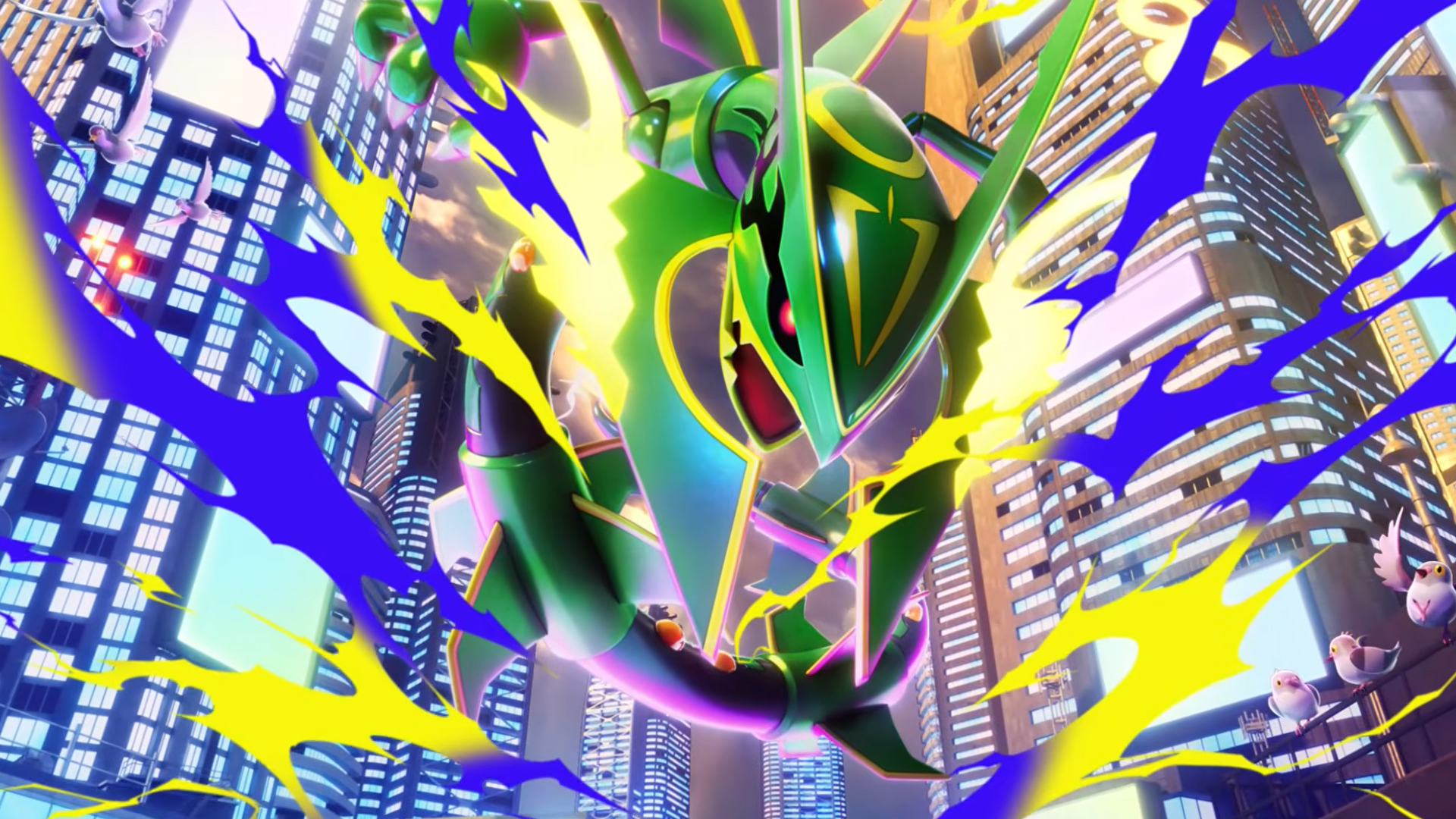
TCG Pocket Responds: A Much-Needed Pace Shift for Pokémon Fans
Pokémon TCG Pocket is rolling out a major update for its second anniversary, primarily addressing player concerns about overwhelming content releases by shifting to a six-week set schedule. This aims to curb player decline and improve overall engagement by giving trainers more time to collect and strategize. The update also adds new collection methods, improved deck-building features, and enhanced trading functionality.

Mark Wahlberg on using AI in film ‘the right way’ and being open to
Actor Mark Wahlberg believes AI has a place in filmmaking if used responsibly for enhancement, not script generation or actor replacement. At TechCrunch Disrupt, he expressed openness to an AI likeness carrying on his legacy, managed by his family, and emphasized storytelling.
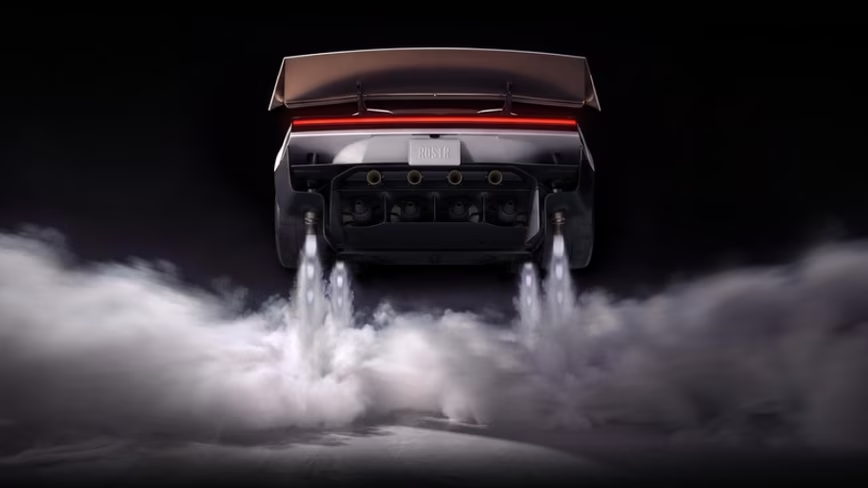
Tesla Unveils Thruster-Equipped Roadster, 2028 Production Targeted
Tesla has unveiled its second-generation Roadster, featuring cold-gas thrusters co-developed with SpaceX, enabling it to jump and flip. The electric sports car demonstrated 0-60mph in an astonishing 0.81 seconds, with production targeted for 2028. This highly anticipated reveal also serves as a key recruitment tool for Tesla's ambitious AI and robotics initiatives.