
Deep Ocean Mining: Risky Riches in the Regulatory Depths
Deep ocean mining is being debated as a source for critical minerals for green tech. While it could meet demand, significant ecological unknowns and a regulatory void make it a high-risk venture. Alternatives like enhanced land mining and aggressive recycling should be prioritized.
Deep Ocean Mining: Risky Riches in the Regulatory Depths
Verdict: Proceed with Extreme Caution
Deep ocean mining represents a fascinating, yet deeply concerning, frontier in our quest for critical minerals essential for the green energy transition. While proponents highlight its potential to meet surging demand and offer an alternative to environmentally intensive land-based mining, the ecological unknowns and the current regulatory vacuum present an unacceptably high risk. Until comprehensive scientific understanding is achieved, and robust, enforceable international safeguards are firmly in place, a global moratorium or outright ban on commercial deep-sea extraction is the only responsible course of action.
Introduction: The Lure of the Deep
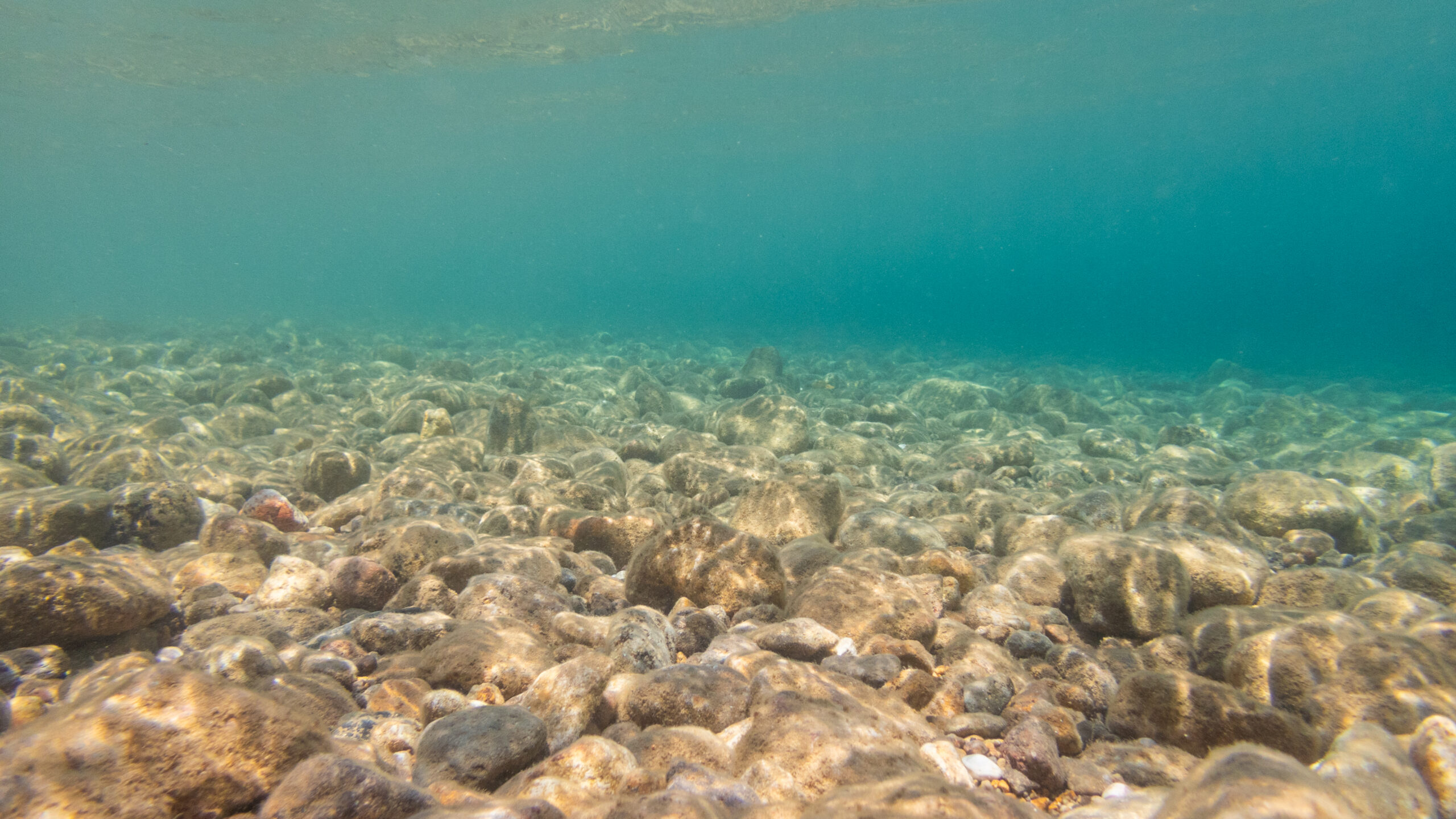
More than 13,000 feet beneath the Pacific's surface, massive machines are already being tested, trundling across the seabed to vacuum up potato-sized polymetallic nodules rich in copper, manganese, cobalt, and nickel. These are the prize The Metals Company, alongside 30 other entities including state-owned enterprises from China and India, seeks to harvest. With projections from the International Energy Agency (IEA) suggesting that a global shift to clean energy could quadruple demand for critical metals and rare earth elements, the deep ocean's undisturbed deposits, formed over millions of years, appear to offer an answer to looming shortages. However, the path to these riches is fraught with environmental and political challenges.
Key Details & The Urgent Need
The primary target for deep-sea mining is the Clarion-Clipperton Zone (CCZ), a 6-million-square-kilometer area in international waters between Hawaii and Mexico. Here, polymetallic nodules lie abundant at depths of 4,500 meters. The Metals Company alone aims to extract over 600 million metric tons of nodules from a 65,000 square kilometer area.
The motivation is clear: a 2025 IEA assessment predicts significant mineral shortfalls. By 2040, demand for lithium, crucial for electric vehicle batteries, could grow 4.7 times from 2024 levels, and copper, vital for wind and solar power, 1.3-fold. Shortages for both could hit as soon as 2035. Shobhan Dhir, an IEA critical minerals analyst, notes that high-content copper rock on land has largely been mined already, making new terrestrial projects increasingly difficult.
The Deep-Sea Mining Process & Its Potential Impact
The proposed method involves collector vehicles on the seabed gathering nodules, which are then transported up a kilometers-long riser pipe to a surface ship. This process, while technologically impressive, raises severe ecological concerns for an environment that has remained stable and dark for millennia. Potential impacts include:
- Sediment Plumes: Collector vehicles dislodge vast plumes of seabed sediment, which can spread widely, interfering with the breathing and feeding of deep-sea organisms.
- Toxic Metal Release: Nodule extraction can release toxic metals trapped within the seabed into the water column.
- Noise and Light Pollution: The operation introduces unprecedented levels of noise and light into an environment typically characterized by silence and darkness, potentially disrupting delicate ecosystems.
- Habitat Destruction: The machines physically crush organisms and their habitats as they move across the seabed, creating permanent scars.
While The Metals Company cites research suggesting some deep-ocean fauna communities might begin to recover in number and diversity within a year, the long-term, broader ecological consequences for these ancient, slow-growing ecosystems remain largely unknown and could be irreversible.
Regulatory Quagmire
Adding to the uncertainty is the lack of a fully agreed-upon international regulatory framework. The International Seabed Authority (ISA), a UN body, has been developing a mining code for over a decade. However, talks ended in July 2025 with many unresolved issues, particularly how to measure and monitor ecological impacts. Negotiations have resumed, but time is pressing. Nauru is exploring a legal loophole to apply for a commercial permit before rules are finalized, potentially allowing mining to begin this year. Furthermore, the United States, not a signatory to the international treaty granting the ISA jurisdiction, has received an application from The Metals Company to mine in the CCZ, potentially circumventing international governance.
Alternatives to the Deep: Land and Recycling
Deep-sea mining is not the only option to meet mineral demand; terrestrial mining and recycling offer alternative strategies, each with its own set of trade-offs.
Terrestrial Mining
Some analysts, like Gavin Mudd from the British Geological Survey, argue there's no shortage of mineral deposits on land. Data from the United States Geological Survey indicates growing reserves for many critical metals. For example, land-based lithium reserves are 30 million metric tons, with resources of 115 million metric tons, far exceeding IEA's projected 2040 demand of 1.5 million metric tons annually. Similar trends are seen for copper and cobalt, and nickel reserves/resources could meet demand for over a century. However, accessing these requires substantial new development: estimates suggest 85 new lithium mines by 2050, up to 40 new nickel mines by 2030, and at least 35 new copper mines by 2050. Getting a new mine operational can take over a decade, and terrestrial mining carries significant environmental and social costs, including:
- Deforestation: Responsible for 9% of Amazon forest loss between 2005-2015.
- Water Use: Consumes large volumes of water, often in arid regions.
- Human Rights: Puts vulnerable populations at risk of abuses.
- Pollution: Toxic waste spills pollute waterways and harm aquatic life.
Recycling
Recycling electric vehicle batteries and other green technologies offers a more sustainable path. Paul Anderson, an inorganic chemist at the University of Birmingham, leads projects to improve lithium-ion battery recycling, highlighting that end-of-life management is often an afterthought in product design. Estimates for recycling's impact vary: the IEA suggests it could cut new mining needs by 25% for lithium and nickel and 40% for copper and cobalt by 2050. Other studies are more optimistic, with one 2022 report suggesting recycling could cover 40-77% of Europe's clean energy metal needs by 2050, and a UC Davis report estimating it could reduce the need for new lithium mines from 85 to 15. Realizing this potential requires robust recycling infrastructure globally and policies encouraging manufacturers to collect used batteries and plants to recover critical minerals.
Recommendation: Prioritize Sustainable Alternatives
Given the profound ecological uncertainties, the unprecedented nature of disturbing deep-sea ecosystems, and the significant gaps in international regulation, deep ocean mining as a commercial venture is premature and highly risky. The global community should prioritize:
- Strengthening Terrestrial Mining Practices: Improve planning, environmental safeguards, and social responsibility in land-based operations.
- Aggressive Investment in Recycling: Develop robust, global recycling infrastructure and implement policies that incentivize the recovery of critical minerals from existing technologies.
- Further Research: Conduct extensive, independent scientific research to fully understand the long-term ecological impacts of deep-sea mining before any commercial extraction is considered.
- Expediting ISA Regulations: Ensure that comprehensive, legally binding, and environmentally protective regulations are in place and agreed upon by all member states before any permits are issued.
Venturing into the deep ocean for minerals without these prerequisites is not an investment in a green future, but a gamble with the planet's last untouched wilderness.
FAQ
Q: Why is deep ocean mining being considered now? A: The primary driver is the projected surge in demand for critical minerals (like lithium, copper, cobalt, nickel) needed for renewable energy technologies (EV batteries, wind turbines, solar panels) as the world transitions to a green economy. There are concerns that land-based mines won't be able to meet this demand alone.
Q: What are the main environmental concerns with deep ocean mining? A: Key concerns include the creation of vast sediment plumes that can harm deep-sea organisms, the release of potentially toxic metals, introduction of noise and light pollution into a naturally dark and silent environment, and the physical destruction of unique, slow-growing habitats and organisms on the seabed that have been undisturbed for millions of years.
Q: Are there viable alternatives to deep ocean mining for critical minerals? A: Yes, two main alternatives are highlighted: expanding and improving terrestrial mining practices, and significantly scaling up recycling efforts for materials from existing green technologies. While both have their own challenges (environmental impact for land mining, infrastructure/policy needs for recycling), they are seen by many as more understood and potentially less destructive options than deep-sea mining, particularly if fully optimized.
Related articles

Ars Technica's Rocket Report: Your Essential Space Industry Briefing
Quick Verdict Ars Technica's Rocket Report, presented by veteran space reporter Stephen Clark, offers an invaluable and meticulously organized weekly (or similar frequency, implied by "Edition 9.15") digest of the most

Apple iPhone Duo: A Daring Debut with Notable Compromises
Apple's highly anticipated iPhone Duo, priced at $2,000, has gone on pre-order. While hailed as "Apple's most exciting device in a decade" for its innovative foldable design and immersive display, it comes with significant drawbacks like the absence of FaceID and a premium camera.
KDE Plasma 6.8: A Future-Focused 30th Anniversary Update
Quick Verdict KDE Plasma 6.8, arriving as the "30th Anniversary Edition," is a pivotal release that decisively pushes the desktop environment into the future. With a definitive farewell to native X11 sessions and a

Ephemeral PR Preview Environments on GKE: A Deep Dive
Every development team eventually grapples with the limitations of shared staging environments. The familiar scenario: multiple features deployed simultaneously, database migrations clashing, and the phrase "it works on
Galaxy Watch One UI 9 Beta: Promising Progress, But Patience Needed
Galaxy Watch 8, Watch Ultra, and Watch 7 are receiving a new One UI 9 Watch beta build with bug fixes and a security patch. Active development signals progress, but a stable release date remains elusive.

Enterprise AI Beyond Chatbots: A Vision for Actionable Intelligence
Quick Verdict: Redefining Enterprise AI's Potential TechRadar Pro's opinion piece, "What it takes to move enterprise AI beyond the chatbot," delivers a refreshingly honest and vital perspective on the current state and