
Bose Lifestyle Ultra Speaker: Premium sound, open ecosystem (4.5/5)
The Verdict: A Premium Smart Speaker for the Connected Home Bose's new Lifestyle Ultra Speaker enters a competitive market, but it does so with a clear strategy: offer premium sound and an open ecosystem that seamlessly

The Verdict: A Premium Smart Speaker for the Connected Home
Bose's new Lifestyle Ultra Speaker enters a competitive market, but it does so with a clear strategy: offer premium sound and an open ecosystem that seamlessly integrates with existing smart home setups. While its price point is higher than rivals like the Sonos Era 100, Apple HomePod, or Amazon's offerings, its versatile connectivity and impressive audio quality make it a compelling choice for those seeking a high-fidelity speaker that plays well with others. If you value flexibility in your multi-room audio setup and aren't strictly tied to a single brand, the Lifestyle Ultra Speaker is a strong contender.
Introduction: Bose's Latest Entry into Smart Audio
Months after discontinuing its SoundTouch lineup, Bose has unveiled the Lifestyle Ultra family, with the Lifestyle Ultra Speaker standing out as a particularly interesting product. As smart speakers continue to grow in popularity, driven by increasing consumer interest in whole-home audio and smart home features, Bose appears well-positioned with this new release. Having spent a week with the Lifestyle Ultra Speaker, it's clear Bose aims to deliver a versatile and great-sounding device that, surprisingly, can happily coexist with diverse smart speaker ecosystems.
Design and Build Quality: Sleek Aesthetics
The Lifestyle Ultra Speaker boasts a sleek, modern design that is typical of Bose's aesthetic. While the source content doesn't delve into specific materials, the overall impression is one of contemporary elegance, allowing it to blend effortlessly into various home décors. It's designed as a stationary smart speaker, requiring a constant power connection, meaning it’s not portable. This design choice emphasizes its role as a dedicated in-home audio hub rather than a take-anywhere device.
Sound Performance: Rich Audio, Unique Spatial Tech
Equipped with a three-speaker configuration—two front-facing and one upfiring—the Lifestyle Ultra Speaker delivers substantial volume and a rich audio experience. Bose has opted for its proprietary TrueSpatial technology to enhance depth and space, rather than a dedicated Dolby Atmos height channel. As a standalone speaker, the single upfiring unit offers a subtle improvement in immersion, which the reviewer noted as an indifferent experience. However, it's suggested that pairing it with an additional Lifestyle Ultra Speaker or the Lifestyle Ultra Soundbar (which features two more upfiring speakers) would likely create a more expansive height effect.
Despite the nuanced spatial audio, the core sound profile is commendable. It produces deep, punchy bass, alongside clear and distinct highs and mids. At extremely high volumes, the bass can sometimes become a little muddy, but this is easily rectified with a quick adjustment in the Bose companion app’s EQ settings. The sound signature is described as remarkably similar to the Sonos Era 100, offering an enjoyable, lively, and warm sound with the V-shaped audio profile that most consumers tend to prefer.
User Experience and Versatility: An Open Ecosystem Advantage
One of the most significant strengths of the Lifestyle Ultra Speaker is its versatility and ecosystem-agnostic design. Unlike many competitors that lock users into a specific brand's software, Bose embraces an open approach. This speaker comes with Wi-Fi streaming, Bluetooth connectivity, Apple AirPlay, and Google Cast compatibility built-in. For US consumers, Alexa and Alexa+ are the available voice assistants, but the speaker functions well even without heavy reliance on voice commands.
This broad compatibility means the Lifestyle Ultra Speaker can easily integrate into a diverse smart home audio setup. The reviewer successfully grouped it with a Sonos Era 100 in another room for multi-room audio, highlighting its ability to coexist seamlessly with other brands. This cross-platform functionality is a major advantage for users who own devices from different manufacturers. Additionally, the inclusion of a 3.5mm aux-in port expands its utility further, allowing for wired connections to analog devices such as turntables. When paired, two Lifestyle Ultra Speakers can function as stereo left- and right-channel sources, or even as rear speakers in a home theater system, mirroring the flexibility found in Sonos's offerings.
Pros and Cons
Pros:
- Excellent sound quality with deep bass and clear highs/mids.
- Native Android and iOS casting (Google Cast and AirPlay) for broad compatibility.
- Sleek, modern design that fits various home aesthetics.
- Open ecosystem approach allows coexistence with other brands like Sonos.
- Includes a 3.5mm aux-in port for wired connectivity.
Cons:
- Pricier than direct competitors such as Sonos Era 100, Apple HomePod, and Amazon smart speakers.
- TrueSpatial technology (Bose's spatial audio) is favored over Dolby Atmos, and a single upfiring speaker offers limited immersion.
- Limited voice assistant options (Alexa and Alexa+ only for US consumers).
Comparison with Alternatives
| Feature | Bose Lifestyle Ultra Speaker | Sonos Era 100 | Apple HomePod (General) | Amazon Smart Speaker (General) |
|---|---|---|---|---|
| Price | Pricier (+$50-100 compared to alternatives) | Cheaper (e.g., $169 with deals) | Cheaper | Cheaper (e.g., Echo Spot $50 with deals) |
| Sound Profile | Great sound, deep/punchy bass, noticeable highs/mids, warm | Enjoyable, lively, warm, V-shaped audio profile | (Not detailed in source) | (Not detailed in source) |
| Spatial Audio | Bose TrueSpatial (single upfiring speaker) | (Not specified as a primary feature in source) | (Not specified as a primary feature in source) | (Not specified as a primary feature in source) |
| Voice Assistant | Alexa built-in, Alexa+ | Alexa Enabled | (Implied Siri, not explicitly stated for HomePod in source) | Alexa |
| Casting | Google Cast, Apple AirPlay, Bluetooth, Wi-Fi | Wi-Fi, Bluetooth (for Era 100) | Apple AirPlay, Wi-Fi | Bluetooth, Wi-Fi |
| Ecosystem | Open (coexists with mixed devices) | Closed (primarily Sonos ecosystem, though Alexa enabled) | Closed (Apple ecosystem) | Closed (Amazon/Alexa ecosystem) |
| Aux-in | Yes (3.5mm) | Yes (for Era 100) | (Not specified in source for HomePod) | (Not specified in source for Amazon) |
ZDNET's Buying Advice
The Bose Lifestyle Ultra Speaker is an excellent choice for individuals who prioritize superior sound quality and an easily integrated smart home experience. It's particularly well-suited for users with mixed-device ecosystems, as its support for Google Cast, AirPlay, and Bluetooth ensures compatibility with nearly any phone, laptop, or tablet. If you already have a blend of smart speakers from different brands (like Sonos or Amazon) and want a high-quality addition that won't create ecosystem conflicts, the Lifestyle Ultra Speaker is designed for you. While it comes at a premium price compared to some rivals, its openness and audio performance justify the investment, especially if you're not solely dependent on a single voice assistant or brand. However, if true, dedicated Dolby Atmos height channels are a must for your spatial audio needs, you might need to consider a multi-speaker Bose Lifestyle Ultra setup or look elsewhere.
FAQ
Q: Is the Bose Lifestyle Ultra Speaker portable?
A: No, the Lifestyle Ultra Speaker requires a constant power source and is designed for stationary use within your home, offering Wi-Fi streaming capabilities.
Q: Can the Bose Lifestyle Ultra Speaker work with my existing Sonos system?
A: Yes, one of its greatest strengths is its ecosystem-agnostic design. With Google Cast and Apple AirPlay compatibility, you can group the Lifestyle Ultra Speaker with other Wi-Fi speakers, including Sonos, for multi-room audio, as demonstrated in the review.
Q: Does the Lifestyle Ultra Speaker support Dolby Atmos?
A: The speaker utilizes Bose's proprietary TrueSpatial technology with a single upfiring speaker for enhanced depth, rather than a dedicated Dolby Atmos height channel. While it offers a sense of space, it's not a full Dolby Atmos experience as a standalone unit.
Related articles
Android 17 QPR2 Beta 7.1: The Performance Relief You've Been Waiting
Android 17 QPR2 Beta 7.1: Finally Fixing the QPR1 Performance Woes Verdict: Android 17 QPR2 Beta 7.1 is a crucial and highly anticipated software update for Google Pixel users, specifically targeting and resolving the

DJI Solo Video Setups: Smart Choices for Lone Creators
This review delves into DJI's recommended solo video setups, highlighting the Osmo Pocket 3 Creator Combo as a top pick for its integrated camera, gimbal, and mic. It also covers stabilizers like the Osmo Mobile 8 and RS 4, and the DJI Mic Mini series for enhanced audio, providing honest pros, cons, and clear buying advice.

Ars Technica's Rocket Report: Your Essential Space Industry Briefing
Quick Verdict Ars Technica's Rocket Report, presented by veteran space reporter Stephen Clark, offers an invaluable and meticulously organized weekly (or similar frequency, implied by "Edition 9.15") digest of the most

Apple iPhone Duo: A Daring Debut with Notable Compromises
Apple's highly anticipated iPhone Duo, priced at $2,000, has gone on pre-order. While hailed as "Apple's most exciting device in a decade" for its innovative foldable design and immersive display, it comes with significant drawbacks like the absence of FaceID and a premium camera.
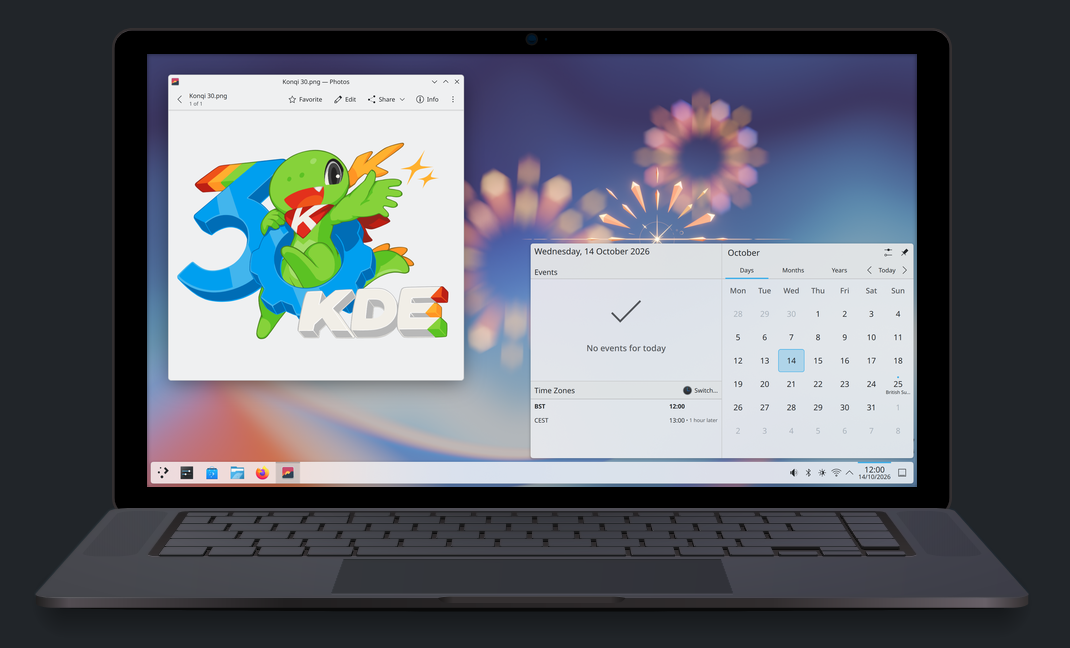
KDE Plasma 6.8: A Future-Focused 30th Anniversary Update
Quick Verdict KDE Plasma 6.8, arriving as the "30th Anniversary Edition," is a pivotal release that decisively pushes the desktop environment into the future. With a definitive farewell to native X11 sessions and a
Galaxy Watch One UI 9 Beta: Promising Progress, But Patience Needed
Galaxy Watch 8, Watch Ultra, and Watch 7 are receiving a new One UI 9 Watch beta build with bug fixes and a security patch. Active development signals progress, but a stable release date remains elusive.